Table of Contents >> Show >> Hide
- What a Pacman Frog Enclosure Needs Most
- Supplies to Gather Before You Begin
- How to Set Up a Pacman Frog Enclosure in 14 Steps
- Step 1: Choose the Right Tank Size
- Step 2: House One Frog Per Enclosure
- Step 3: Use a Secure Lid With Ventilation
- Step 4: Put the Tank in a Good Location
- Step 5: Install Thermometers and a Hygrometer First
- Step 6: Pick a Safe, Moisture-Retaining Substrate
- Step 7: Make the Substrate Deep Enough to Burrow
- Step 8: Add a Shallow Water Dish
- Step 9: Create Gentle, Stable Heat
- Step 10: Aim for a Warm Range, Not a Hot Box
- Step 11: Build a Humidity Routine
- Step 12: Add Hides, Plants, and Visual Cover
- Step 13: Set a Simple Light Schedule
- Step 14: Test the Enclosure Before Adding the Frog
- Common Mistakes to Avoid
- How to Maintain the Enclosure After Setup
- Real-Life Experience: What Setting Up a Pacman Frog Enclosure Actually Feels Like
- Conclusion
If you have ever looked at a Pacman frog and thought, “That tiny swamp meatball deserves a five-star home,” you are absolutely correct. Pacman frogs, also called South American horned frogs, are famous for their round bodies, giant mouths, and talent for sitting still like a grumpy avocado with opinions. They are not climbers, marathon runners, or social butterflies. They are ambush predators that want warmth, moisture, soft substrate, and enough privacy to pretend they are invisible while being the least invisible creature in the tank.
The good news is that setting up a Pacman frog enclosure is not complicated once you understand what the animal actually needs. The bad news is that many beginner setups focus on looking cool instead of functioning well. A waterfall skull? Fun. Stable humidity, safe substrate, and clean dechlorinated water? Much more important. In this guide, you will learn exactly how to build a practical, comfortable, and easy-to-maintain Pacman frog habitat in 14 clear steps, along with common mistakes to avoid and some real-world experience that can save you time, money, and stress.
What a Pacman Frog Enclosure Needs Most
Before you start decorating like an interior designer for amphibians, remember the basics. A Pacman frog enclosure should mimic a humid forest floor, not a desert, not a fish tank, and definitely not a bowl with pebbles. Your frog needs horizontal floor space, deep damp substrate for burrowing, a shallow water dish, reliable heat, reasonable humidity, hiding cover, and a clean environment. Everything else is optional garnish.
Supplies to Gather Before You Begin
- 10- to 20-gallon glass terrarium with a secure lid
- Digital thermometer and hygrometer
- Moisture-retaining substrate such as coconut fiber, sphagnum moss, or a safe mix designed for amphibians
- Shallow water dish
- Dechlorinated or conditioned water
- Low, gentle heat source with thermostat if your room runs cool
- Fake or live plants, cork bark, leaf litter, or a hide
- Timer for a simple day-night light cycle
- Cleaning supplies reserved only for the enclosure
How to Set Up a Pacman Frog Enclosure in 14 Steps
Step 1: Choose the Right Tank Size
Pacman frogs are not especially active, so they do not need a towering enclosure or a mansion-sized terrarium. What they do need is enough floor space to burrow, turn around, and move between warmer and cooler spots. A juvenile can start in a smaller enclosure, but for simplicity, many keepers go straight to a 10- or 20-gallon terrarium for one frog. Pick an enclosure that is wider than it is tall. These frogs are terrestrial, so height matters a lot less than usable ground space.
Step 2: House One Frog Per Enclosure
Pacman frogs are not roommates. They are not buddies. They are not “maybe friends if introduced slowly.” They are solitary and opportunistic, which is a polite way of saying they may try to eat anything that fits in their mouth and a few things that do not. Even two similarly sized frogs can stress each other, compete for space, or end in disaster. One tank, one frog. Your future self will thank you.
Step 3: Use a Secure Lid With Ventilation
A lid helps hold in humidity, keeps feeder insects from escaping, and prevents the enclosure from becoming a dust collector with a frog in it. A screened or ventilated lid works well, but if your home is very dry, you may need to partially cover part of the top to keep humidity from dropping too fast. The goal is balance: enough airflow to reduce stale, moldy conditions, but not so much ventilation that the substrate dries out by lunchtime.
Step 4: Put the Tank in a Good Location
Where you place the tank matters more than people think. Avoid direct sunlight, which can overheat the enclosure fast. Skip drafty windows, air conditioner vents, radiators, and busy areas where the tank gets bumped constantly. Pacman frogs do best in a quiet, stable location where temperatures do not swing wildly. Think calm corner, not household racetrack.
Step 5: Install Thermometers and a Hygrometer First
Guessing the temperature by sticking your hand in the tank is a great way to be confidently wrong. Before you add substrate or decor, set up your thermometer and hygrometer so you can actually monitor conditions. Digital tools are easier to read and more reliable than the “this little sticker seems optimistic” style gauges. You want to know what is happening in the enclosure, not what you hope is happening.
Step 6: Pick a Safe, Moisture-Retaining Substrate
Pacman frogs love to burrow, so the substrate is not just bedding. It is furniture, blanket, flooring, and emotional support dirt. Coconut fiber is one of the most popular choices because it holds moisture well and allows easy digging. Many keepers also use sphagnum moss or leaf litter on top for extra humidity and cover. Avoid gravel, large stones, cedar, pine, harsh artificial turf, or anything abrasive. If your frog swallows unsafe material while feeding, you may be inviting impaction and a very expensive lesson.
Step 7: Make the Substrate Deep Enough to Burrow
Shallow substrate defeats the entire point of keeping this species comfortable. Aim for a generous layer that lets the frog bury itself partially or fully. For many setups, 2 to 4 inches is a good working depth, and larger adults often appreciate even more. The substrate should feel damp, not dripping. If you squeeze a handful and it pours water like a sponge in a car wash, it is too wet. If it turns dusty, it is too dry.
Step 8: Add a Shallow Water Dish
Your Pacman frog needs access to clean, shallow water for soaking and hydration. Choose a dish that is easy to enter and exit, wide enough for the frog to sit in, and shallow enough to prevent any drowning risk. Always use dechlorinated or properly conditioned water. Amphibians have delicate, absorbent skin, so water quality is not a minor detail. It is a major one. Change the water daily, and clean the dish often. A slimy water bowl is not “natural.” It is just gross.
Step 9: Create Gentle, Stable Heat
Pacman frogs do best in warm conditions, but they do not need blazing heat or a dramatic basking zone like a lizard. Many keepers use a low-watt heat source or gentle side-mounted heat support if room temperatures are too cool. The key word here is gentle. Avoid hot rocks, and do not create a situation where the frog is forced to sit on overheated glass or scorching substrate. Use a thermostat any time you use supplemental heat. “It should be fine” is not a temperature control system.
Step 10: Aim for a Warm Range, Not a Hot Box
For most Pacman frog setups, daytime warmth in the mid-70s to low-80s Fahrenheit works well, with a mild drop at night. You do not need to cook the enclosure into a tropical sauna. The frog should be able to choose warmer and cooler spots within the enclosure. Stable conditions matter more than chasing extremes. If your frog is constantly buried and refusing food, review both temperature and humidity before assuming it is being dramatic. Although, to be fair, it might also be dramatic.
Step 11: Build a Humidity Routine
Humidity is one of the biggest keys to success with this species. Pacman frogs need a humid environment, but not a swampy one where bacteria and mold throw a party. Mist the enclosure as needed to keep the substrate damp and the humidity in a healthy range. Live plants, leaf litter, and moisture-retaining substrate all help. Good ventilation matters too. The sweet spot is a habitat that feels humid and earthy, not sour, soaked, or stale.
Step 12: Add Hides, Plants, and Visual Cover
Pacman frogs are bold eaters but surprisingly fond of privacy. Add cork bark, broad leaves, low fake plants, live pothos or similar safe plants, leaf litter, and simple hides that let the frog feel secure. These additions also help retain moisture and make the tank look more natural. You do not need to turn the enclosure into a rainforest movie set, but bare glass with a water bowl in the middle is not exactly luxurious frog living either.
Step 13: Set a Simple Light Schedule
Pacman frogs are generally more active at night, so they do not need intense bright lighting all day. A simple day-night rhythm is what matters most. If the room is dim, add low-level lighting on a timer for about 12 hours on and 12 hours off. Some keepers use low-level UVB, while others focus mainly on ambient light and proper supplementation. Either way, avoid blasting the enclosure with harsh light and make sure the frog has shaded areas and plenty of cover.
Step 14: Test the Enclosure Before Adding the Frog
This step is wildly underrated. Run the enclosure for at least a full day, and ideally longer, before your frog arrives. Check temperature in the morning, afternoon, and evening. Watch how quickly the substrate dries. Make sure the humidity does not nosedive every few hours. Confirm that the water dish stays clean and accessible. It is much easier to troubleshoot an empty tank than to fix problems while your frog is already buried in the corner silently judging your life choices.
Common Mistakes to Avoid
Using the Wrong Substrate
Gravel, bark chunks that are too sharp, chemically treated soil, cedar, and dry sand are all bad ideas. A Pacman frog needs a soft, safe, moisture-friendly substrate. If it cannot burrow comfortably, your setup is already off track.
Making the Tank Too Wet
People often hear “high humidity” and respond by turning the enclosure into a soup. Damp is good. Waterlogged is not. Excess moisture encourages mold, bacteria, skin problems, and foul smells. If the substrate is soggy enough to make you nervous, trust that instinct.
Skipping the Thermostat
Any heat source without control can become a problem fast. Pacman frogs do not need intense heat, so even a small mistake can create unsafe conditions. A thermostat is not an optional luxury. It is basic insurance against overheating.
Handling the Frog Too Much
Pacman frogs are display pets more than cuddle pets. Their skin is delicate, they can absorb residues from your hands, and they are perfectly capable of objecting with a bite. Enjoy observing them. They are funnier than they look, especially at feeding time.
Cleaning in the Kitchen
Never clean enclosure items in food prep areas. Amphibians can carry germs such as Salmonella, and tank water or decor should be handled with care. Use dedicated cleaning tools and a separate cleaning location whenever possible.
How to Maintain the Enclosure After Setup
Once your enclosure is built, maintenance is simple if you stay consistent. Spot-clean waste and leftover food daily. Refresh the water dish every day. Stir or inspect the top layer of substrate regularly so wet pockets and mold do not sneak up on you. Check temperature and humidity often, especially during seasonal weather changes. A tank that was perfect in October can become weirdly dry in January or too warm in July.
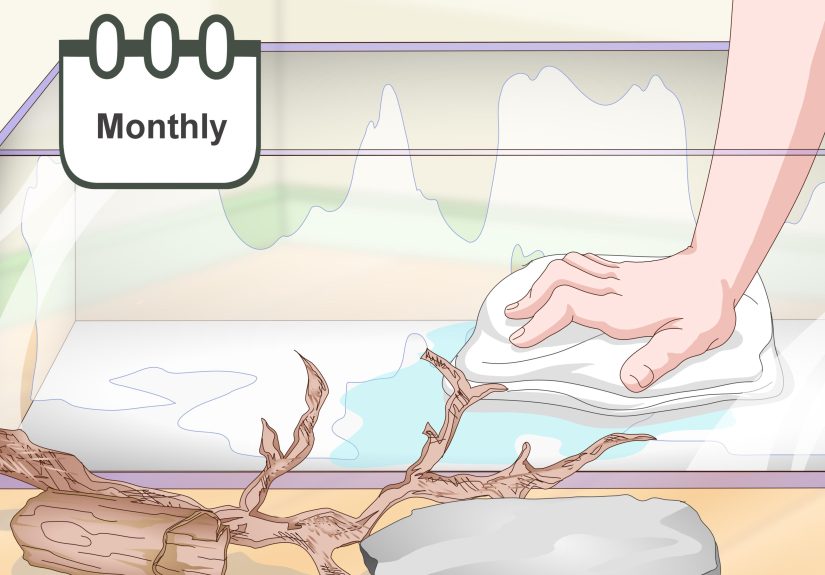
Do a deeper cleaning on a routine schedule, replacing substrate as needed and disinfecting the enclosure safely. Rinse thoroughly after any cleaning product approved for amphibian use. If you ever notice persistent foul odor, unusual mold growth, cloudy water, a frog sitting abnormally in the dish all day, or a sudden refusal to eat, pause and review the environment before changing ten things at once. Husbandry problems usually leave clues.
Real-Life Experience: What Setting Up a Pacman Frog Enclosure Actually Feels Like
The first time many keepers set up a Pacman frog enclosure, they expect the process to be dramatic. Maybe the frog will immediately explore every corner, sit majestically under a leaf, or pose like a tiny jungle dragon. What usually happens is much funnier. You spend an hour arranging substrate depth like a dedicated amphibian landscaper, place the water dish at the perfect angle, tuck in some plants, check the humidity three times, and then the frog arrives, buries itself like a grumpy potato, and vanishes. Welcome to Pacman frog ownership.
That said, the setup really does matter, and experience teaches that small details make a big difference. For example, beginners often underestimate how useful deep substrate is. A Pacman frog that can burrow properly tends to look calmer and act more naturally. Without enough depth, the frog may seem restless, exposed, or glued to the water dish because it cannot regulate its comfort the way it wants to. Once keepers give the frog a better burrowing layer, the entire tank starts working better. Humidity becomes easier to maintain, the frog settles in, and the enclosure begins to feel less like a display box and more like a functioning habitat.
Another common lesson comes from water management. A lot of people assume that because Pacman frogs like humidity, the whole enclosure should stay soaking wet. Then the tank starts smelling like old spinach and regret. In real life, the best setups usually land in that middle zone where the substrate is moist and springy, not swampy. When the humidity is right, the frog’s skin looks healthy, shedding tends to go more smoothly, and maintenance becomes less of a battle against mold.
There is also a learning curve with heat. People often worry so much about the tank being warm enough that they accidentally overdo it. Pacman frogs are not tiny dragons waiting for a lava lamp. In many homes, modest supplemental heat and careful monitoring are all that is needed. Experienced keepers learn to trust instruments over assumptions. If the thermometer says the tank is already where it should be, adding extra heat “just in case” is usually the wrong move.
One of the most surprising parts of ownership is how much personality these frogs seem to have despite doing, frankly, very little. A Pacman frog can spend hours half-buried with only its eyes visible and somehow still look annoyed, judgmental, and hungry all at once. Once the enclosure is set up properly, you start noticing patterns. The frog may choose one favorite burrow after misting, sit beside the water bowl on warmer evenings, or pop out at feeding time with the determination of a tiny monster in a nature documentary. These behaviors are easier to appreciate when the habitat is stable, because then you are observing normal habits instead of stress responses.
Perhaps the biggest real-world takeaway is that a successful Pacman frog enclosure is rarely the flashiest one. It is the setup that stays consistent. The best habitats are easy to clean, easy to monitor, and easy to keep stable through everyday life. They make room for the frog’s natural behavior instead of forcing the frog to adapt to a decorative concept. Once keepers understand that, the whole hobby becomes more enjoyable. You stop chasing perfection and start building reliability. And for a Pacman frog, reliability is pretty close to luxury.
Conclusion
Setting up a Pacman frog enclosure is not about stuffing a tank with random pet store accessories and hoping for the best. It is about creating a warm, humid, low-stress forest-floor environment where one frog can burrow, soak, hide, and eat in peace. Focus on floor space, safe substrate, clean water, stable heat, healthy humidity, and simple maintenance. Get those right, and your Pacman frog enclosure will not just look better. It will function better, smell better, and support a healthier frog for years to come.