Table of Contents >> Show >> Hide
- Why Moisture Is So Hard on Clothing
- 1. Never Store Clothes Even Slightly Damp
- 2. Keep Closet Humidity Under Control
- 3. Use a Hygrometer Instead of Guessing
- 4. Choose Breathable Storage Materials
- 5. Add Moisture Absorbers in Small Spaces
- 6. Improve Airflow in Closets and Wardrobes
- 7. Store Clothes in the Right Place
- 8. Wash or Dry Clean Before Seasonal Storage
- 9. Deal with Wet Laundry Fast
- 10. Fix Leaks, Condensation, and Damp Walls Immediately
- 11. Check Stored Clothes Regularly
- Common Mistakes That Make Moisture Problems Worse
- Final Thoughts
- Real-Life Experiences and Lessons Learned About Protecting Clothes from Moisture
Moisture is sneaky. It does not kick in the front door wearing a villain cape. It floats in through humid air, hides in a damp closet, hangs around in a basement, and quietly turns your favorite shirt into something that smells like a haunted towel. If you have ever pulled out a sweater and thought, “Why does this smell like an old attic and regret?” you already know the problem.
Learning how to protect clothes from moisture is less about fancy gadgets and more about smart habits. Humidity, poor airflow, leaks, sweaty laundry piles, and bad storage choices can all lead to mildew, musty odors, discoloration, and fabric damage over time. The good news is that you do not need a fashion laboratory to fight back. A few practical changes can keep everyday clothes, seasonal pieces, bedding, and special garments cleaner, drier, and much more wearable.
In this guide, you will find 11 effective tips for keeping clothes safe from moisture, along with examples, common mistakes to avoid, and real-life experiences that show why the little details matter. Whether you are storing winter coats, protecting work clothes in a humid apartment, or trying to keep your closet from smelling like a damp cave, these strategies can help.
Why Moisture Is So Hard on Clothing
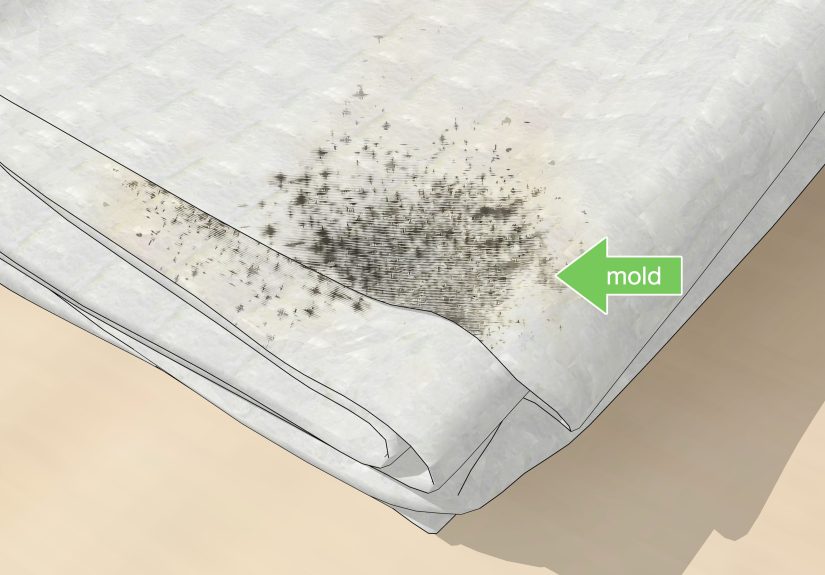
Clothes and moisture have a complicated relationship. On laundry day, water is useful. In storage, it is trouble. Too much humidity in the air can create the perfect environment for mold and mildew, especially in dark spaces with poor ventilation. Even when garments do not grow visible mildew, they can absorb dampness and start to smell stale, sour, or musty. Natural fibers like cotton, wool, and linen can be especially vulnerable, but synthetics are not magically immune either.
Moisture also tends to invite extra annoyances. Damp closets can encourage pests, weaken cardboard containers, leave metal hangers prone to rust, and create condensation on walls and shelves. In other words, protecting clothing from moisture is not just about the clothes themselves. It is also about controlling the little environment around them.
1. Never Store Clothes Even Slightly Damp
This is the golden rule. If clothes are not completely dry, do not store them. Not “mostly dry.” Not “probably fine.” Dry.
A shirt that feels cool from the dryer, a towel with one slightly damp corner, or jeans that air-dried indoors but still feel heavy can all trap enough moisture to cause odor and mildew. This is especially important for bulky fabrics like denim, sweaters, coats, and bedding because they can hold hidden moisture longer than lightweight garments.
Before you fold and store anything, let it finish drying fully. If you washed something for seasonal storage, give it extra time on a rack or hanger in a well-ventilated room. A few extra hours now can save you from a whole lot of sniff-testing later.
2. Keep Closet Humidity Under Control
If your closet feels muggy, your clothes feel it too. One of the most effective ways to prevent moisture damage is to control indoor humidity. In practical terms, that means keeping storage spaces comfortably dry rather than tropical.
If you live in a humid climate, this matters even more during rainy seasons and summer months. Closets near bathrooms, laundry rooms, kitchens, or exterior walls often collect extra moisture. When the air stays damp for days, clothing can begin to smell stale even if it has just been washed.
The fix is simple: treat humidity like an actual home maintenance issue, not a mysterious vibe. Dry air is your wardrobe’s best friend.
3. Use a Hygrometer Instead of Guessing
You cannot manage what you never measure. A small hygrometer, which measures relative humidity, can tell you whether your closet or storage area is dry, borderline, or basically auditioning to become a swamp.
These devices are inexpensive, easy to place on a shelf, and surprisingly helpful. Many people assume a room is dry because it does not feel wet. Meanwhile, the closet in that room is trapping humid air behind shut doors and packed clothes. A hygrometer removes the guesswork and helps you catch problems early.
If the numbers keep creeping up, that is your sign to improve ventilation, reduce moisture sources, or add a dehumidifier or moisture absorber.
4. Choose Breathable Storage Materials
When people worry about protecting clothes, they often seal everything in plastic and call it a day. Unfortunately, plastic can sometimes trap moisture instead of solving it. That is fine for short moves or temporary dust protection, but it is often a bad idea for long-term storage in humid conditions.
Breathable options are usually better. Cotton garment bags, canvas storage bags, fabric bins, and acid-free tissue paper can help protect clothing while still allowing airflow. This is especially useful for wool coats, suits, dresses, cashmere, blankets, and heirloom items.
If you do use plastic bins, make sure the clothes going in are completely dry and the storage area itself is dry. The bin should not become a tiny climate-controlled humidity trap with buttons.
5. Add Moisture Absorbers in Small Spaces
Closets, drawers, under-bed bins, and storage boxes often benefit from a little backup. Moisture absorbers can help in spaces where airflow is limited and humidity tends to linger.
Silica gel packets, activated charcoal pouches, and calcium chloride moisture absorbers are popular options. They are not magic, and they will not fix a major leak or a drenched basement, but they can make a real difference in enclosed spaces. Think of them as helpers, not superheroes.
Be sure to replace or refresh them as directed. An exhausted moisture absorber is basically a decorative suggestion.
6. Improve Airflow in Closets and Wardrobes
Still air gives moisture time to settle in and stay awhile. Good airflow makes it harder for dampness to build up and easier for clothes to stay fresh.
Start by avoiding overcrowding. When clothes are packed shoulder-to-shoulder like subway commuters, air cannot circulate well. Leave a little breathing room between hangers, especially for heavy garments. Open closet doors from time to time, and if the space is chronically stuffy, consider using a small fan nearby or installing a louvered door.
You should also avoid pushing clothing tightly against cold exterior walls, where condensation is more likely. A little space can prevent a lot of trouble.
7. Store Clothes in the Right Place
Where you store clothes matters just as much as how you store them. Basements, garages, attics, and sheds are common trouble zones because they often experience swings in temperature and humidity. Basements may feel cool, but cool and damp is not a winning combination for fabric. Garages and attics can get humid, dusty, and generally chaotic.
The best storage area is cool, dry, clean, and stable. A bedroom closet, interior hallway closet, or climate-controlled room usually beats a basement shelf every time. If you must use a lower-level storage area, make sure it is dry, well-ventilated, and monitored for leaks, condensation, and musty smells.
8. Wash or Dry Clean Before Seasonal Storage
Putting dirty clothes into storage is like inviting stains to set in permanently. Body oils, sweat, food residue, perfume, and invisible grime can all linger on fabric, and moisture can make those leftovers even more stubborn.
Before storing seasonal clothing, wash or dry clean it first. That includes coats, sweaters, scarves, special-occasion outfits, and blankets. Clean clothes are less likely to develop odors and more likely to come out of storage ready to wear rather than ready for a rescue mission.
This step is easy to skip because it feels annoying at the exact moment you want to be done. Future you, however, would like a word.
9. Deal with Wet Laundry Fast
Moisture problems often begin before clothes ever reach the closet. A damp pile of gym clothes, wet towels left in a basket, or laundry forgotten in the washer overnight can spread odor and mildew fast.
Move wet clothes to the dryer or drying rack promptly. Do not leave sweaty or rain-soaked items balled up in a hamper. If something got wet outside, hang it up as soon as you get home instead of tossing it over a chair and hoping the universe handles it.
Also pay attention to your washing machine and laundry room. If the washer smells musty or the dryer vent is clogged, your clothing routine may be feeding the very moisture issue you are trying to prevent.
10. Fix Leaks, Condensation, and Damp Walls Immediately
Sometimes the real problem is not your storage method. It is the room. A slow plumbing leak, window condensation, roof seepage, or damp wall behind a closet can keep feeding moisture into the air until clothes start smelling strange for no obvious reason.
If you see peeling paint, water stains, wet baseboards, soft drywall, or recurring condensation, act quickly. Clean up the moisture, repair the source, and dry the area thoroughly. If a closet shares a wall with a bathroom or laundry room, inspect it more often than other spaces.
Ignoring a small leak because it seems “not that bad” is one of the fastest ways to create an expensive fabric-and-home problem.
11. Check Stored Clothes Regularly
Long-term storage should never be a “set it and forget it for two years” situation. Check clothes every few weeks or at least once a month during humid seasons. Look for musty odor, cool damp fabric, yellowing, mildew spots, rust marks from hangers, or signs that moisture absorbers are full.
Refold items occasionally, air out storage bags, and make sure garments are still dry. This kind of quick inspection helps you catch problems when they are small and fixable instead of dramatic and tragic.
Think of it as a wardrobe wellness check, minus the co-pay.
Common Mistakes That Make Moisture Problems Worse
- Storing clothes in cardboard boxes in humid areas
- Using plastic dry-cleaning bags for long-term storage
- Packing clothes too tightly with no airflow
- Ignoring musty smells because there are no visible stains yet
- Leaving damp towels, swimsuits, or workout gear in baskets
- Assuming a basement is fine just because it feels cool
- Forgetting to clean seasonal clothing before putting it away
Final Thoughts
Protecting clothes from moisture is really about controlling three things: wet fabric, humid air, and bad storage habits. When you keep garments fully dry, use breathable storage, improve airflow, measure humidity, and fix dampness quickly, you lower the odds of mildew, musty odor, and fabric damage in a big way.
You do not need to turn your closet into a NASA humidity lab. You just need a smarter routine. Dry clothes completely, store them in the right place, give them some breathing room, and do not ignore the first sign of dampness. Your wardrobe will smell better, last longer, and stop surprising you with that suspicious “basement bouquet.”
Real-Life Experiences and Lessons Learned About Protecting Clothes from Moisture
One of the most common experiences people have with moisture damage starts with totally reasonable optimism. They wash winter clothes, fold everything neatly, place it in storage bins, and feel extremely organized for about five minutes. Then summer rolls around, humidity rises, and by the time cold weather returns, the sweaters smell like they spent the offseason in a submarine. What went wrong? Usually, the clothes were clean but not fully dry, or the storage space looked harmless while quietly holding too much moisture.
Another familiar story happens in small apartments. A closet sits right next to the bathroom, the fan is weak, and the door stays closed most of the day. Nothing seems dramatic, but shirts slowly start smelling musty even after washing. In cases like this, the solution is often not “buy fancier detergent.” It is better airflow, lower humidity, and a little less closet crowding. Sometimes people are shocked by how much improvement comes from opening the closet more often, using a hygrometer, and adding a simple moisture absorber.
Basements create another classic lesson. Many people choose basement storage because it feels cool and out of the way. Unfortunately, cool can also mean damp, and damp plus cardboard equals disappointment. Clothes stored there may not look ruined at first, but they often absorb that unmistakable stale smell. Even worse, the odor can transfer to other fabrics after the items are brought back upstairs. The experience teaches a harsh but useful truth: convenient storage is not always safe storage.
Travel creates its own moisture problems too. Anyone who has packed a damp swimsuit, sweaty gym outfit, or rain-soaked jacket into a suitcase knows the risk. By the time the bag is opened again, the smell is ready to make an entrance. People often learn from this the hard way and start packing wet items separately, airing out luggage faster, and never assuming “it will probably dry on its own.” Clothes love optimism a lot less than people do.
There are also good experiences that prove these tips work. People who switch from overcrowded closets to breathable storage usually notice fresher-smelling clothes within weeks. Those who start checking humidity often discover patterns they never noticed before, such as one closet getting damp after rainy weather or one wall feeling cooler than the rest of the room. Once the cause is clear, the fix becomes much easier.
In the end, most moisture-related clothing problems are preventable. The biggest lesson from real-life experience is simple: do not wait for visible mildew before taking action. Musty odor, sticky air, cool fabric, and cramped storage are all early warnings. When you respond early, your clothes stay cleaner, your closet smells better, and your future self gets to enjoy a wardrobe that feels fresh instead of suspicious.