Table of Contents >> Show >> Hide
- Why Shower Drains Start Smelling in the First Place
- What You Need to Clean a Shower Drain
- How to Clean a Shower Drain Step by Step
- How to Prevent Shower Drain Smells
- When a Smelly Shower Drain Means Something Bigger
- Common Mistakes to Avoid
- The Best Low-Stress Maintenance Routine
- Conclusion
- Real-World Experiences and Practical Lessons From Cleaning Smelly Shower Drains
A shower drain has one job: let water leave quietly and without drama. But give it enough hair, soap scum, body oils, and warm moisture, and suddenly it starts acting like a swamp with opinions. The result is usually a slow drain, a funky smell, or both. The good news? Cleaning a shower drain is not complicated, and preventing drain odors is much easier than dealing with a full-blown clog that turns your morning shower into ankle-deep regret.
If you want to know how to clean a shower drain and prevent smells for good, the winning formula is simple: remove the gunk, clean the drain parts you can reach, deodorize the pipe, and build a maintenance routine that stops buildup before it starts. In other words, do not wait until your bathroom smells like a wet gym sock with plumbing.
Why Shower Drains Start Smelling in the First Place
Most shower drain odors come from organic buildup. Hair grabs onto soap scum. Soap scum traps dead skin, oils, and grime. Add steam and darkness, and you create a cozy little hangout for odor-causing bacteria and biofilm. That pink, orange, or slimy residue you sometimes spot near a drain is not decorative. It is often bacterial buildup, and it can smell awful.
Sometimes the cause is more mechanical than dirty. A shower drain can smell because the P-trap is dry, especially in a guest bathroom that rarely gets used. The P-trap is the curved section of pipe that holds water and blocks sewer gases from drifting back into your home. When that water barrier disappears, the odor can move in like it pays rent.
In more stubborn cases, the smell may point to a clogged vent, a leak, or a damaged pipe. If your shower drain smells like rotten eggs, sewage, or something aggressively suspicious even after cleaning, that is your sign to stop playing amateur detective and call a plumber.
What You Need to Clean a Shower Drain
- Rubber gloves
- Paper towels or a trash bag
- Screwdriver, if the drain cover is screwed in place
- Plastic drain snake, zip tool, or small drain auger
- Old toothbrush or small cleaning brush
- Dish soap
- Baking soda
- White vinegar
- Hot water
- Optional: enzyme drain cleaner for routine maintenance
A quick note before you begin: do not mix drain chemicals with other cleaners, and do not go wild with harsh caustic drain products every week. They may solve a short-term problem while being rough on older plumbing, fixtures, or your nose hairs.
How to Clean a Shower Drain Step by Step
1. Remove the Drain Cover
Start by taking off the shower drain cover or stopper. Some pop right off; others need a screwdriver. Set the hardware aside somewhere safe, because searching for a tiny screw on a wet bathroom floor is a special kind of annoyance.
2. Pull Out Visible Hair and Debris
This is the least glamorous part and the most important. Put on gloves and remove any hair, soap residue, and sludge you can reach by hand. Then use a plastic drain tool or snake to pull out deeper clumps. If the drain smells bad, there is a decent chance you are about to meet the reason face-to-face.
Physical removal matters because baking soda and vinegar may help deodorize and loosen minor buildup, but they are not magicians. A thick hair clog usually needs to be pulled out, not politely fizzed at.
3. Scrub the Drain Cover and Entrance
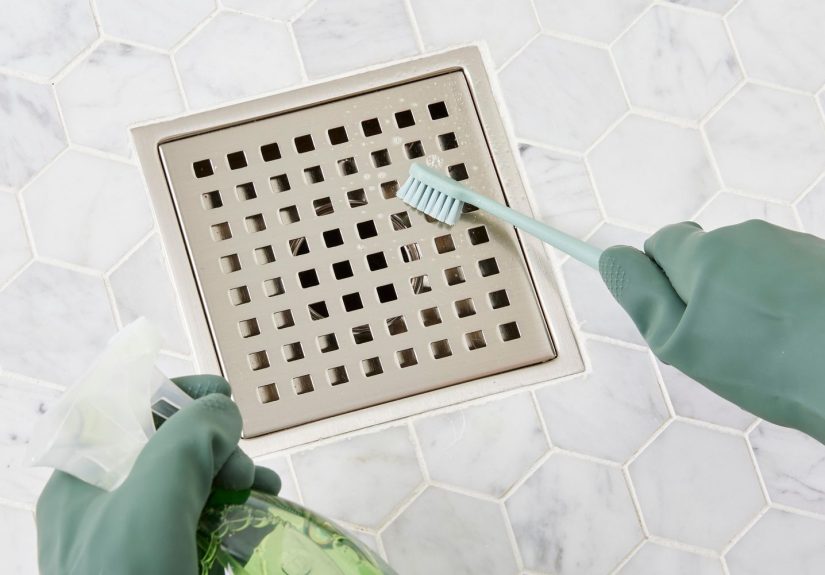
Hair and slime often cling to the underside of the drain cover and the first few inches of pipe. Scrub the cover with hot water and dish soap. Then use a small brush or old toothbrush to clean around the drain opening. This step is easy to skip, but it is often where a lot of odor lives.
4. Flush With Hot Water
Pour hot water down the drain to soften residue and help move loosened debris. For many showers, hot tap water is enough. Use caution with boiling water, especially if you have older pipes, PVC components, acrylic surfaces, or delicate finishes nearby. The goal is to clean the drain, not test your home’s tolerance for chaos.
5. Use Baking Soda and Vinegar for Odor Control
For a natural shower drain cleaning method, pour about 1/2 to 1 cup of baking soda into the drain, followed by 1 cup of white vinegar. Cover the drain opening loosely with a rag for about 10 to 15 minutes to keep the fizz working where the smell lives. Then flush with plenty of hot water.
This method is best for deodorizing, loosening soap scum, and cutting down light grime. It is great for maintenance and minor funk. It is not the best move for a heavy hair clog that is basically running a squatters’ camp in your pipe.
6. Try an Enzyme Cleaner if Odors Keep Returning
If the drain still smells musty or sour, an enzyme-based drain cleaner can be a smart next step. These products are designed to break down organic material more gently than harsh chemical drain openers. They are often a better fit for ongoing maintenance, especially in homes where hair and soap scum build up fast.
Follow the label directions exactly and give the product time to work. Enzyme cleaners are more like patient librarians than action movie heroes. They do the job, but not by kicking the door down.
How to Prevent Shower Drain Smells
Use a Hair Catcher
If you do one thing after cleaning your shower drain, make it this. A drain screen or hair catcher keeps strands from heading into the pipe and combining with soap scum into a revolting felt-like clog. It is inexpensive, easy to clean, and saves you from future plumbing archaeology.
Flush the Drain Regularly
Once a week, run hot water down the drain for a minute or two. This helps move small amounts of residue before they settle into a bigger mess. In a busy bathroom, that tiny habit can make a surprisingly big difference.
Clean the Drain Cover Often
The drain cover is a buildup magnet. Give it a quick scrub every week or two, especially if you notice soap scum, hair, or pink slime forming around the edges.
Do a Monthly Deep Clean
A monthly shower drain cleaning routine keeps odors from gaining momentum. Remove visible debris, scrub the cover, and use a baking soda and vinegar flush or an enzyme treatment. Think of it as brushing your drain’s teeth, except your drain does not complain or demand flavored toothpaste.
Run Water in Unused Showers
If you have a guest bathroom or basement shower that does not get much use, run the water occasionally. This refills the P-trap and helps block sewer gas. A neglected shower can smell terrible even when it looks spotless, which feels rude, but plumbing is not known for emotional intelligence.
Improve Bathroom Ventilation
Moisture feeds mildew and bacterial growth. Use the bathroom exhaust fan during and after showers, open a window when possible, and keep surfaces drier overall. A drain may be the source of the smell, but a humid bathroom helps the whole problem overachieve.
When a Smelly Shower Drain Means Something Bigger
DIY cleaning works well for common clogs and normal drain odor, but some smells are a warning sign rather than a cleaning problem.
Call a Plumber if:
- The smell is strongly like sewage or rotten eggs
- The odor returns quickly after thorough cleaning
- The shower drains slowly again and again
- Multiple drains in the house smell at the same time
- You hear gurgling sounds from nearby drains or toilets
- You see leaks, damp spots, or damage around the shower
These symptoms can suggest a dry or dirty P-trap, a blocked vent stack, leaking pipes, sewer gas issues, or damage hidden behind walls or under the floor. At that point, pouring another cup of vinegar into the drain is like putting mint gum on a car engine problem. It may feel proactive, but it is not the fix.
Common Mistakes to Avoid
Ignoring Hair Buildup
The biggest mistake is trying to deodorize a drain that is physically clogged. If hair is in there, remove it first.
Using Harsh Chemicals Too Often
Strong drain cleaners may help with some clogs, but frequent use can be rough on plumbing and create safety issues, especially if mixed with other products.
Forgetting the P-Trap
If the shower is rarely used, the problem may not be dirt at all. It may simply need water in the trap.
Cleaning Only What You Can See
A shiny shower floor does not mean the drain is clean. Smells often come from just below the drain opening, where buildup hides out of sight.
The Best Low-Stress Maintenance Routine
If you want the simplest way to keep your shower drain clean and odor-free, follow this realistic routine:
- After showers: Remove visible hair from the drain screen
- Weekly: Flush with hot water and wipe the drain cover
- Monthly: Deep clean with a drain tool plus baking soda and vinegar or an enzyme cleaner
- Every so often: Run water in guest showers to refill the P-trap
That is it. No elaborate chemical experiments. No late-night panic when the bathroom starts smelling haunted. Just simple, repeatable maintenance.
Conclusion
Learning how to clean a shower drain and prevent smells is one of those home-care skills that pays off immediately. A clean drain helps water flow better, keeps bacteria-loving gunk from taking over, and makes the bathroom smell like a place meant for human beings. Start with physical debris removal, follow with a deodorizing or enzyme treatment, and stay consistent with basic maintenance. Most of the time, that is enough to stop odors before they start.
And when it is not enough, believe your nose. Persistent sewer-like smells, repeated slow draining, and recurring odors after cleaning usually mean the problem is deeper than routine shower drain cleaning. That is when a plumber earns their keep. Until then, a drain screen, a monthly cleanout, and a little hot water can save you from a whole lot of stink.
Real-World Experiences and Practical Lessons From Cleaning Smelly Shower Drains
One of the most common experiences people have with a smelly shower drain is assuming the odor is coming from the toilet, trash can, or shower curtain when the real villain is sitting quietly under the drain cover. It happens all the time: the bathroom looks clean, the tiles are sparkling, the fresh towel smells great, and yet the room still has that faint swampy, sour, or sewage-like note that ruins the whole vibe. In real life, the breakthrough usually comes the moment someone removes the drain cover and discovers a truly impressive amount of trapped hair and soap sludge. It is gross, yes, but also weirdly satisfying because the problem finally has a face.
Another common lesson is that many homeowners try the pleasant-smelling fix before the actual fix. They light a candle, spray air freshener, mop the floor again, and maybe even wash the bath mat twice. Meanwhile, the drain is down there fermenting body oils like it is launching a startup. Once people realize that shower drain smells are often caused by buildup inside the pipe opening, they usually become much more disciplined about cleaning what they cannot see. That shift in mindset matters. Bathrooms do not just need surface cleaning; they need hidden-area cleaning too.
People also learn pretty quickly that prevention is much easier than rescue. Someone with long hair in the household often goes from “Why is this happening again?” to “Why did I wait so long to buy a hair catcher?” The cheap little drain screen that seemed optional suddenly becomes the bathroom MVP. In many homes, using one dramatically cuts down on clogs, reduces odor, and turns drain cleaning from a disgusting project into a quick weekly habit.
There is also the experience of discovering that not every bad smell means the drain is dirty. In guest bathrooms, vacation homes, or basement showers, the issue can be a dry P-trap rather than buildup. Many people deep-clean the shower, scrub the grout, and sanitize the drain cover only to find that the smell disappears after simply running water for a minute. It feels almost unfair, but it is a useful reminder that plumbing systems rely on regular use to work as intended.
Then there are the tougher cases. Some homeowners clean the drain thoroughly, remove hair, flush with hot water, and even use a maintenance product, only to have the smell come back within a day or two. That is often the moment experience teaches the most important lesson of all: recurring odors are information. They may point to a venting issue, a hidden leak, or a more serious drain problem that cleaning alone will not solve. Knowing when to stop DIY troubleshooting and call a plumber is part of smart home maintenance, not failure.
In the end, the people who have the best results are rarely the ones doing dramatic once-a-year deep cleans. They are the ones doing small, boring, effective habits on schedule. They remove hair as it appears. They flush the drain regularly. They deep-clean once a month instead of waiting for a smell to announce itself like an uninvited guest. That is the real secret to a fresh shower drain: less heroics, more consistency.