Table of Contents >> Show >> Hide
- What Is a Dendrobium Orchid?
- How to Care for a Dendrobium Orchid in 12 Steps
- Step 1: Identify the Type of Dendrobium You Have
- Step 2: Give It Bright, Indirect Light
- Step 3: Keep Temperatures Comfortable
- Step 4: Water Thoroughly, Then Let It Partly Dry
- Step 5: Use the Right Orchid Potting Mix
- Step 6: Choose a Pot With Excellent Drainage
- Step 7: Maintain Humidity Without Drowning the Plant
- Step 8: Fertilize Lightly During Active Growth
- Step 9: Respect the Winter Rest Period
- Step 10: Prune Carefully After Blooming
- Step 11: Repot at the Right Time
- Step 12: Watch for Pests and Problems Early
- How to Encourage a Dendrobium Orchid to Rebloom
- Common Dendrobium Orchid Mistakes to Avoid
- Real-Life Experience: What Growing a Dendrobium Orchid Teaches You
- Conclusion
Dendrobium orchids have a reputation for being dramatic, elegant, and just mysterious enough to make a new plant parent whisper, “Please don’t die” every time they pass the windowsill. Good news: caring for a Dendrobium orchid is not nearly as complicated as it looks. These orchids are tough, adaptable, and generous with blooms when you understand their rhythm.
The trick is remembering that “Dendrobium” is not one tiny plant group with one perfect care rule. It is a large orchid genus with many species and hybrids. Some are evergreen, some rest in winter, some like warm conditions, and some want a cooler seasonal pause before blooming. That sounds like a lot, but most home growers can succeed by focusing on a few essentials: bright filtered light, careful watering, airy orchid mix, good humidity, seasonal feeding, and patience.
This guide breaks Dendrobium orchid care into 12 practical steps, written for real homesnot fantasy greenhouses guarded by professional plant wizards.
What Is a Dendrobium Orchid?
Dendrobium orchids are epiphytic orchids, meaning many grow naturally attached to trees rather than buried in soil. Their roots enjoy air, drainage, and moisture that comes and goes. This is why regular potting soil is a bad idea. It stays wet too long, suffocates the roots, and turns your elegant orchid into a botanical soup situation.
Many popular houseplant Dendrobiums have tall cane-like pseudobulbs that store water and nutrients. These canes may look like stems, but they are also survival tanks. Even after flowering, old canes can support new growth, so do not cut them off just because they look a little tired. Orchids are not houseplants that appreciate aggressive makeovers.
How to Care for a Dendrobium Orchid in 12 Steps
Step 1: Identify the Type of Dendrobium You Have
Before changing anything, try to identify whether your plant is a warm-growing evergreen Dendrobium, a nobile-type Dendrobium, or another specialty type. The plant tag may say something like “Dendrobium nobile,” “Den-Phal,” or “Dendrobium hybrid.” If the tag disappeared somewhere between the store and your kitchen counter, observe the plant.
Evergreen Dendrobiums usually keep their leaves and prefer steady care. Nobile-type Dendrobiums often need a cooler, drier rest period to trigger blooms. This matters because watering a resting nobile-type orchid like it is in active summer growth can lead to weak growth or root rot.
Example: If your Dendrobium drops some leaves in fall but its canes remain firm, it may be entering a normal rest period. Do not panic and start watering it daily like a nervous helicopter parent.
Step 2: Give It Bright, Indirect Light
Dendrobium orchids usually need brighter light than many beginner orchids such as Phalaenopsis. A bright east window, lightly shaded south window, or bright west window can work well. The goal is strong filtered light, not harsh midday sun roasting the leaves like tortilla chips.
Healthy leaves are often medium green. Very dark green leaves may mean the orchid is not getting enough light, especially if it refuses to bloom. Yellow-green leaves, reddish edges, or scorched patches can signal too much direct sun.
If your home is dim in winter, a simple grow light can help. Place it far enough away to avoid heat stress and run it for a consistent daily period. Orchids appreciate routine. They are fancy, but they are not spontaneous.
Step 3: Keep Temperatures Comfortable
Many common Dendrobiums grow well in household temperatures, especially when days are warm and nights are slightly cooler. A daytime range around 70°F to 85°F suits many warm-growing types, while nights around 60°F to 65°F can help encourage strong growth and flowering.
Avoid placing your orchid next to heating vents, air conditioners, drafty doors, or cold windows in winter. Sudden temperature swings can cause bud drop, weak growth, or general orchid sulking. If you would not want to sleep pressed against that icy window, your orchid probably does not want to either.
Step 4: Water Thoroughly, Then Let It Partly Dry
The best way to water a Dendrobium orchid is to water deeply and then let the potting mix partially dry before watering again. Take the plant to the sink, run room-temperature water through the potting mix, and let it drain completely. Never let the pot sit in standing water.
Watering frequency depends on pot size, pot material, room temperature, humidity, airflow, and the type of orchid mix. A small clay pot may dry quickly. A plastic pot with sphagnum moss may stay moist much longer. Instead of following a rigid calendar, check the mix with your finger or a wooden skewer.
During active growth in spring and summer, many Dendrobiums need more frequent watering. In fall and winter, especially for types that rest, water less. The roots should never stay soggy, because soggy orchid roots are basically an invitation to rot.
Step 5: Use the Right Orchid Potting Mix
Dendrobiums need an open, fast-draining orchid mix. Bark-based orchid mix is a popular choice because it allows air to move around the roots. Some mixes include charcoal, perlite, coconut chips, or a little sphagnum moss to balance drainage and moisture retention.
Do not use garden soil or standard indoor potting soil. Dendrobium roots are designed for air and drainage, not compacted mud. A good orchid mix should hold some moisture but still drain quickly after watering.
If your mix smells sour, stays wet for too long, or has broken down into fine particles, it is time to repot. Old orchid bark eventually decomposes, and when it does, it can smother roots.
Step 6: Choose a Pot With Excellent Drainage
A proper orchid pot should have drainage holes. Clear plastic pots are useful because you can see root color and moisture levels. Decorative ceramic pots are fine as outer containers, but the orchid itself should never sit in trapped water inside them.
Dendrobiums often prefer being slightly snug in their pots. A pot that is too large holds extra moisture around the roots and increases the risk of rot. When repotting, choose a container only slightly larger than the root mass.
A wobbly Dendrobium may need a stake or clip until its roots anchor into the new mix. This is not cheating. It is orchid physical therapy.
Step 7: Maintain Humidity Without Drowning the Plant
Dendrobium orchids appreciate moderate to high humidity, often around 50% to 60% or higher, depending on the type. Most homes are drier than that, especially in winter when indoor heating is running.
To raise humidity, group plants together, use a small humidifier, or place the orchid on a pebble tray filled with water. The pot should sit above the water line, not in it. The goal is humid air, not a root swamp.
Good air circulation is just as important as humidity. Stagnant, damp air can encourage fungal problems. A small fan running gently nearby can help, as long as it does not blast the orchid like it is standing in front of a wind tunnel.
Step 8: Fertilize Lightly During Active Growth
Dendrobiums do not need heavy feeding, but they do appreciate nutrients during active growth. A balanced orchid fertilizer or water-soluble houseplant fertilizer diluted to quarter strength is usually enough. Many orchid growers follow the “weakly, weekly” idea: fertilize lightly and regularly rather than dumping on a strong dose once in a while.
Always water first if the potting mix is very dry. Fertilizer on dry roots can burn them. About once a month, flush the pot with plain water to reduce fertilizer salt buildup.
When growth slows in fall or winter, reduce or stop fertilizer, especially for Dendrobium types that need a rest period. Feeding a resting orchid too much can encourage soft, weak growth instead of flowers.
Step 9: Respect the Winter Rest Period
Some Dendrobium orchids, especially nobile types, need a seasonal rest to bloom well. This usually means cooler nights, brighter light, little or no fertilizer, and reduced watering for several weeks. The plant may look quiet during this time, but quiet does not mean dead.
During rest, keep the canes from shriveling severely, but do not water as heavily as you would in summer. Once buds begin to form or new growth appears, gradually return to regular watering.
This step is where many beginners accidentally sabotage blooms. They see a still plant and try to “help” with more water and fertilizer. Unfortunately, orchids often interpret that as confusion, not kindness.
Step 10: Prune Carefully After Blooming
After flowers fade, remove the spent flower stalk if it has dried. Use clean, sterilized scissors or pruners. However, do not cut healthy green canes unless they are dead, diseased, or badly damaged.
Old canes store energy and may help support new growth. Some Dendrobiums can even bloom again from older canes, depending on the type. A leafless cane is not automatically useless. Think of it as a pantry, not clutter.
Remove only dry, brown, hollow canes. If a cane is firm, leave it alone.
Step 11: Repot at the Right Time
Repot your Dendrobium orchid when the potting mix breaks down, the plant outgrows its container, or roots are struggling. For many orchids, repotting every two to three years is common, but the condition of the mix matters more than the calendar.
The best time to repot is usually after flowering or when new roots begin to grow. This gives the plant the best chance to settle quickly into fresh media.
To repot, gently remove the plant, shake away old mix, trim dead mushy roots with sterile tools, and place the orchid in fresh bark-based mix. Keep the plant stable, then water carefully while new roots establish.
Step 12: Watch for Pests and Problems Early
Common Dendrobium orchid pests include mealybugs, scale, spider mites, aphids, and thrips. Check leaf joints, undersides of leaves, new growth, and flower spikes. Mealybugs look like tiny cottony clumps. Scale may appear as small brown bumps. Spider mites can cause fine speckling or webbing.
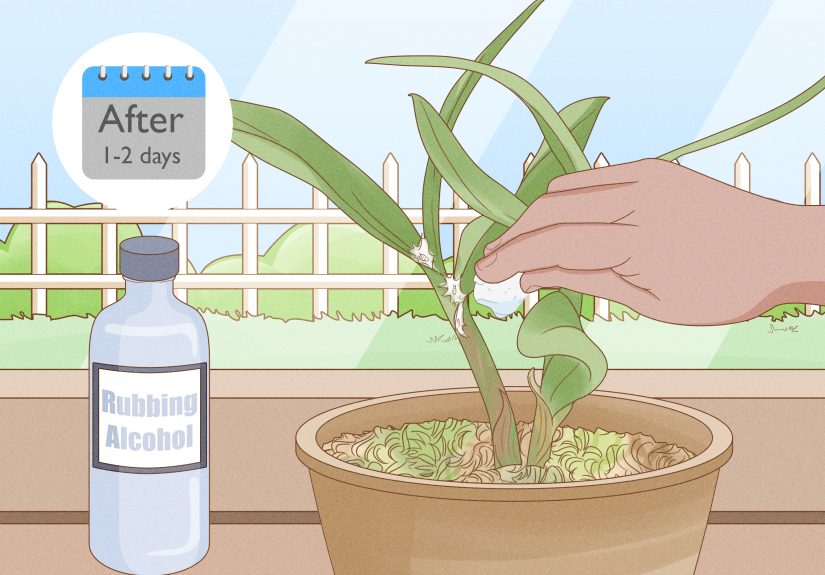
Isolate a pest-infested orchid from other plants. For light issues, remove pests with a cotton swab dipped in rubbing alcohol, then follow with insecticidal soap or another orchid-safe treatment as needed. Repeat treatments are often necessary because pests are annoyingly committed to their hobbies.
Also watch for yellow leaves, mushy roots, wrinkled canes, and bud drop. Most problems trace back to light, watering, temperature stress, or poor airflow. Adjust one care factor at a time so you can see what actually helps.
How to Encourage a Dendrobium Orchid to Rebloom
Reblooming depends on the type of Dendrobium, but the general formula is simple: provide enough light, avoid overwatering, feed during active growth, and give seasonal rest when required.
If your orchid grows healthy leaves and canes but never flowers, light is the first thing to check. Dendrobiums are often brighter-light orchids. Move the plant gradually to a brighter spot and watch the leaves for signs of stress.
Next, consider temperature. A slight drop at night can help signal the plant to bloom. For nobile-type Dendrobiums, a cooler, drier rest period is especially important. Once buds appear, avoid moving the plant repeatedly, letting it dry too severely, or placing it near drafts.
Common Dendrobium Orchid Mistakes to Avoid
Overwatering
Overwatering is the classic orchid crime. Dendrobiums like moisture during growth, but they also need air around the roots. Water deeply, drain completely, and wait until the mix partly dries.
Using Regular Potting Soil
Regular soil is too dense for most Dendrobiums. Use a chunky orchid mix instead.
Cutting Healthy Canes
Those old canes may look awkward, but they store energy. Cut only dead or diseased canes.
Ignoring Seasonal Changes
Your orchid’s needs shift through the year. Spring and summer usually mean more water and fertilizer. Fall and winter often mean less.
Keeping the Plant Too Dark
Dendrobiums need bright conditions to bloom. If your plant looks healthy but flowerless, it may be living in polite shade instead of productive light.
Real-Life Experience: What Growing a Dendrobium Orchid Teaches You
The first experience many people have with a Dendrobium orchid is pure admiration followed by mild intimidation. The plant arrives with tall canes, glossy leaves, and flowers that look as if they were painted by someone with excellent taste and too much free time. You place it near a window, admire it for three days, then suddenly wonder whether you are supposed to water it, mist it, feed it, sing to it, or send it motivational quotes.
In real home growing, Dendrobium care becomes easier once you stop treating the orchid like a fragile decoration and start treating it like a living plant with seasons. During active growth, you may notice new shoots emerging from the base. This is your cue to pay attention. The plant is building future blooms. Water becomes more important, fertilizer helps, and bright light supports strong canes. Watching a new cane grow taller week by week is surprisingly satisfyinglike seeing a slow-motion green skyscraper under construction.
One useful experience is learning the weight of the pot. A freshly watered orchid feels heavier. A dry orchid feels light. This simple habit often works better than a strict watering schedule. In a humid week, the mix may stay moist longer. In a hot, dry room, it may dry quickly. The orchid is responding to your actual home, not to a calendar printed by someone living in a completely different climate.
Another lesson is patience after blooming. Many beginners assume the plant is finished when the flowers fade. Actually, this is when the behind-the-scenes work begins. The orchid may rest, grow roots, or produce new canes. It may look boring for months. That does not mean care has failed. Dendrobiums often reward consistent growers, not impatient ones.
Repotting also teaches humility. The first time you remove an orchid from its pot, the roots may look like a strange basket of noodles. Some are firm and healthy. Others may be dry or mushy. Trimming dead roots and placing the plant into fresh bark can feel risky, but it often gives the orchid a new start. After repotting, stability matters. A wobbly orchid struggles to root, so staking it gently can make a big difference.
Perhaps the best experience is the first rebloom. You notice small bumps forming along a cane or a new spike developing, and suddenly all those months of careful watering, bright light, and restraint make sense. The plant was not ignoring you. It was preparing. Dendrobium orchids teach a quiet kind of gardening confidence: observe first, react slowly, and do not mistake dormancy for disaster.
Over time, caring for a Dendrobium becomes less about memorizing rules and more about reading signals. Firm canes mean stored strength. Silvery roots may mean it is time to water. Soft yellow leaves may suggest stress. New roots mean the plant is ready for growth. Once you understand those clues, the orchid stops feeling mysterious and starts feeling like a very elegant roommate with specific but reasonable preferences.
Conclusion
Caring for a Dendrobium orchid is a balance of brightness, airflow, drainage, and seasonal timing. Give it bright indirect light, water thoroughly without leaving it soggy, use chunky orchid mix, maintain humidity, fertilize lightly during growth, and respect rest periods when your type needs one.
The biggest secret is observation. Your orchid will tell you what it needs through its leaves, roots, canes, and blooms. Once you learn that language, Dendrobium care becomes less intimidating and much more rewarding. And when those flowers return? You will absolutely act casual for about five seconds before taking 47 photos.