Table of Contents >> Show >> Hide
- Why Easy DIY Nightstands Are a Smart Beginner Project
- Best Materials for Easy DIY Nightstands
- Tools You Will Likely Need
- How to Size a DIY Nightstand Correctly
- Step-by-Step: How To Build an Easy DIY Nightstand
- Sanding and Finishing Tips That Make a Big Difference
- Easy DIY Nightstand Design Ideas
- Common Mistakes to Avoid
- Final Thoughts on Building Easy DIY Nightstands
- What It Is Really Like to Build DIY Nightstands: Honest Experience From the Workshop
If your bedroom is missing a nightstand, you have two choices: buy something overpriced with mysterious assembly instructions, or build one yourself and enjoy the deeply satisfying moment when a pile of boards becomes actual furniture. This guide is for the second option. The good news is that easy DIY nightstands do not require a pro-level workshop, a heroic budget, or the patience of a saint. With a simple design, a handful of tools, and a weekend mindset, you can build a sturdy bedside table that looks custom-made for your space.
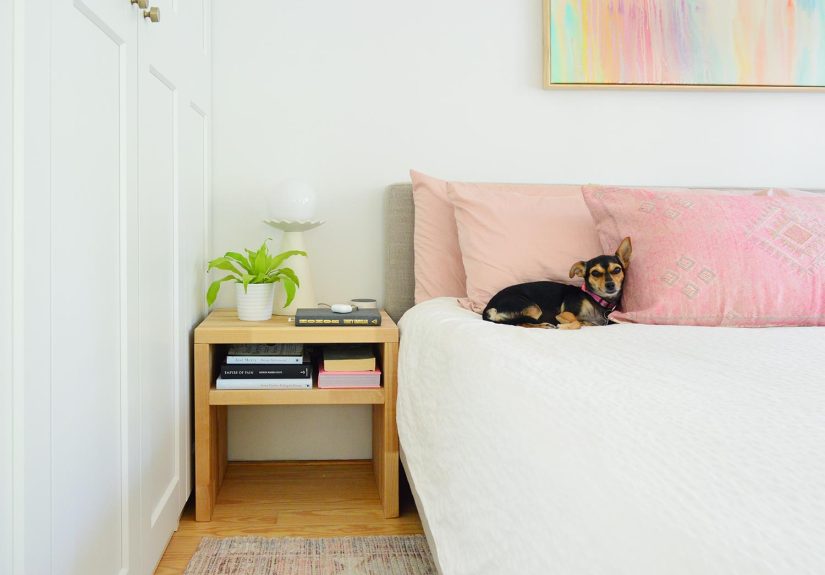
The easiest path is an open-shelf nightstand. It gives you a top surface for a lamp, a lower shelf for books, and none of the drama that comes with drawer slides, fussy fitting, or tiny hardware pieces that roll under the workbench and vanish into another dimension. Once you build one, you can make a matching second piece with the same cut list and process, which is ideal if your bed looks lonely on one side.
In this article, you will learn how to plan, size, cut, assemble, sand, and finish an easy DIY nightstand. You will also get design tips, beginner mistakes to avoid, and a few style upgrades if you want your finished project to look less “first woodworking attempt” and more “where did you buy that?”
Why Easy DIY Nightstands Are a Smart Beginner Project
Nightstands are one of the best beginner woodworking projects because they are small enough to manage but useful enough to matter. You are not committing to building a dining table for eight or a media center the size of a compact car. A nightstand teaches the basics: measuring accurately, making square cuts, assembling a box or frame, sanding properly, and applying a finish that makes the wood look intentional instead of accidental.
They are also practical. A well-built DIY bedside table can fit your exact bedroom layout, mattress height, and storage needs. Need a narrow piece for a small room? Build a slim version. Want a shelf for books and a basket underneath? Easy. Prefer a modern look, farmhouse vibe, or minimalist style? That is mostly a matter of materials, legs, and finish.
The easiest design for most beginners
The simplest nightstand design is a small open box or frame with a top, two sides, and a bottom shelf. It uses straightforward cuts, basic joinery, and minimal hardware. You can build it from pine boards, a project panel, or plywood with edge banding. In other words, it is the furniture equivalent of learning to make scrambled eggs before attempting soufflé.
Best Materials for Easy DIY Nightstands
1. Pine boards
Pine is affordable, easy to find, and beginner-friendly. It cuts easily and takes paint well. If you plan to stain it, be aware that pine can absorb stain unevenly, so a pre-stain wood conditioner can help you avoid a blotchy finish.
2. Plywood
Plywood is excellent for clean, modern builds because it is stable, available in large sheets, and efficient for box-style furniture. Cabinet-grade plywood looks better than construction plywood, especially if edges will be visible. You can cover exposed edges with iron-on edge banding for a more polished look.
3. Project panels
Edge-glued wood panels are a nice middle ground. They save time because you do not need to glue up boards yourself, and they work well for tops and shelves.
4. Legs and hardware
If you want a faster build, use pre-made furniture legs or simple square wood legs. For hardware, you may only need wood screws, wood glue, and perhaps a few brad nails. If you add a drawer later, that is when pulls, slides, and extra patience enter the chat.
Tools You Will Likely Need
You do not need an industrial woodshop to build DIY nightstands. For a basic project, these tools usually get the job done:
- Measuring tape
- Speed square or combination square
- Pencil
- Miter saw, circular saw, or table saw
- Drill/driver
- Clamps
- Orbital sander or sanding block
- Wood glue
- Safety glasses and hearing protection
A pocket-hole jig is helpful but optional. It makes assembly easier and keeps fasteners less visible, which is great if you want your nightstand to look neat without advanced joinery skills.
How to Size a DIY Nightstand Correctly
Before cutting wood, think about proportion. A nightstand should look right next to your bed and function well in the room. In most bedrooms, a good rule is to keep the top of the nightstand roughly even with the top of your mattress or just slightly higher. That makes it easy to reach a lamp, phone, or glass of water without performing a midnight yoga stretch.
Also measure your floor space carefully. If you are working with a tight bedroom layout, a narrow nightstand can be more useful than a bulky one with extra storage you do not actually need. Start by deciding what should fit on top: lamp, alarm clock, phone charger, book, or all of the above. Then decide whether you want an open shelf, a basket space, or a future drawer upgrade.
A beginner-friendly sample size
For an easy build, a nightstand around 18 to 22 inches wide and 14 to 18 inches deep works well in many bedrooms. Height can vary depending on your bed, but the mattress-height rule is the best guide. Always measure your actual bed before you cut anything. Wood does not appreciate “close enough” nearly as much as people do.
Step-by-Step: How To Build an Easy DIY Nightstand
Step 1: Choose a simple plan
Pick an open-shelf design with a top, two sides, a lower shelf, and four legs or a box-style frame. If this is your first furniture build, skip drawers, curved details, and anything described as “advanced but fun.” That phrase usually means “you will learn many new words.”
Step 2: Create a cut list
Write down every piece before you start. A sample build may include:
- 1 top panel
- 2 side panels or side frames
- 1 bottom shelf
- 1 back support or back panel
- 4 legs, if using a legged design
Label each part. This sounds boring, but it saves confusion later when every board suddenly looks like every other board.
Step 3: Cut the wood carefully
Make clean, square cuts and check each piece as you go. Measure twice, cut once, then measure again because humans are wonderfully fallible. If you are using a circular saw, a straightedge guide helps produce cleaner cuts. If you are choosing boards at the store, look for the straightest ones you can find with minimal twist or bow.
Step 4: Dry-fit the parts
Before adding glue or screws, set the parts together. This helps you catch mistakes in sizing, orientation, and shelf placement. A dry fit is like a dress rehearsal for your nightstand. It is much better to discover a problem now than while holding a drill in one hand and regret in the other.
Step 5: Assemble the frame
Use wood glue at the joints and fasten with pocket-hole screws, wood screws, or brad nails depending on your design. Clamp pieces in place so they stay aligned. Check for square as you go by measuring diagonally from corner to corner or by using a square tool. If the frame is not square, the final piece may wobble, and nobody wants a nightstand with trust issues.
Step 6: Install the shelf
Set the bottom shelf where it makes sense for storage and visual balance. An open shelf can hold books, a small basket, or those random charging cables that seem to multiply overnight. Secure it with glue and screws or nails, keeping it level from side to side.
Step 7: Add the back support
If your design uses a full back panel, attach it after confirming the frame is square. Even a small back panel or stretcher can add rigidity and help prevent racking. In plain English: it helps your nightstand stop acting like a reluctant accordion.
Step 8: Fill, sand, and prep
Fill visible holes or gaps with wood filler if needed. Once dry, sand the piece thoroughly. For unfinished wood, start with a coarser grit if the surface is rough, then work your way up to finer grits. Sand with the grain for the cleanest look, especially in the final passes.
Step 9: Finish the nightstand
This is where the project starts looking like furniture instead of shop homework. You can paint, stain, or apply a clear finish. Let each coat dry fully, then sand lightly between coats when appropriate. Wipe away dust before applying the next coat.
Step 10: Repeat for the second nightstand
If you need a pair, build the second one immediately while your measurements and momentum are still fresh. Future You will be delighted that Present You did not wait six months and then wonder why the first nightstand is 1/2 inch taller.
Sanding and Finishing Tips That Make a Big Difference
A lot of beginner furniture looks homemade because the finish work was rushed. Slow down here. Good sanding and finishing can make a simple DIY nightstand look much more expensive.
Sand in stages
Move through grits gradually rather than jumping from rough to ultra-fine. For many painted or stained furniture projects, sanding into the 180- to 220-grit range creates a smooth surface. Wipe away dust with a tack cloth or clean rag before finishing.
Paint for an easy win
Paint is forgiving and hides inexpensive lumber well. Prime first if needed, sand lightly after primer, then apply thin coats in the direction of the grain. Two coats usually look better than one thick coat that dries with brush marks and sadness.
Stain for a warmer wood look
Stain highlights the wood grain, but surface prep matters more. Uneven sanding can lead to uneven color. If you are staining pine, conditioner can help reduce blotching. Follow stain with a protective topcoat such as polyurethane or another clear furniture finish.
Choose the sheen wisely
Matte and satin finishes hide fingerprints and imperfections better than high gloss. If you want the nightstand to look stylish but low-maintenance, satin is often the sweet spot.
Easy DIY Nightstand Design Ideas
Floating nightstand
Great for small bedrooms. A wall-mounted design frees floor space and looks modern. It is especially useful if you want a clean, uncluttered bedroom or room underneath for a basket.
Open shelf nightstand
The best option for beginners. Easy to build, easy to use, and easy to style. Add a basket for hidden storage if you want the look of organization without the burden of actual organization.
Nightstand with a drawer
This adds storage but also complexity. Consider it your sequel project once you feel comfortable with square cuts, assembly, and finishing.
Modern plywood nightstand
Simple boxy lines, clean edges, and minimal hardware make this a smart choice for contemporary bedrooms.
Farmhouse-inspired nightstand
Use thicker-looking tops, painted bases, and warmer stain tones. A lower shelf for books or a woven basket fits the style nicely.
Common Mistakes to Avoid
- Ignoring board straightness: warped lumber creates assembly headaches.
- Skipping the dry fit: this is how surprises become problems.
- Forgetting to check for square: small errors multiply quickly in furniture builds.
- Rushing the finish: most finishing disasters begin with impatience.
- Choosing a design that is too ambitious: the best beginner project is the one you actually finish.
Final Thoughts on Building Easy DIY Nightstands
Building your own DIY nightstands is one of those projects that checks every box. It is practical, customizable, budget-friendly, and satisfying in a very old-school way. You start with raw materials, make a plan, solve a few small problems, and end up with furniture that serves you every single day. That is a pretty good return on a weekend.
The smartest move is to keep the first design simple. Focus on clean cuts, a square assembly, smooth sanding, and a finish that suits your bedroom. Once you nail the basics, you can experiment with drawers, floating designs, tapered legs, or custom details. But even a plain open-shelf nightstand can look fantastic when it is well built.
So if you have been waiting for a sign to stop scrolling and start building, this is it. Grab your tape measure, pick out some wood, and make the kind of nightstand that fits your room better than anything shipped in a flat box ever could.
What It Is Really Like to Build DIY Nightstands: Honest Experience From the Workshop
There is a particular kind of optimism that shows up at the beginning of a furniture project. It usually sounds like this: “This will be quick.” Then you spend fifteen minutes looking for your pencil, twenty minutes deciding whether a board is slightly bowed or “artistically lively,” and another ten minutes wondering why your tape measure keeps retracting with the fury of a tiny offended snake. In other words, building easy DIY nightstands is simple, but it still feels like a real project. That is part of the fun.
The first experience many people have is surprise at how important tiny details become. A cut that is off by just a little can throw off shelf placement. A leg that looks straight until you actually place it on the floor can suddenly become a full personality trait. You learn quickly that woodworking is part planning, part patience, and part standing back to stare at something with your head tilted while saying, “Hmm.”
But the rewarding part starts early. The moment your loose boards become a recognizable frame, the whole project gets more exciting. Suddenly you are not just cutting wood. You are building a bedside table. It has purpose. It has presence. It might even hold a lamp and your current book instead of the embarrassing floor pile you have been pretending is a “system.”
Another common experience is discovering that sanding matters more than expected. At first, sanding feels like the side quest you would rather skip. Then you run your hand over the surface after a careful final pass and realize this is the difference between “homemade” and “made well.” The same is true for finishing. A coat of paint or stain can transform a basic build from plain to polished. It is the furniture equivalent of getting a haircut and suddenly understanding your potential.
Building a pair of nightstands also creates a useful rhythm. The first one teaches you the process. The second one goes faster, looks cleaner, and makes you feel suspiciously competent. That second build is where confidence sneaks in. You stop second-guessing every measurement and start trusting your sequence: cut, dry-fit, assemble, sand, finish. You may still make small mistakes, but they stop feeling catastrophic and start feeling manageable.
Most of all, DIY nightstands create a strong sense of ownership. Store-bought furniture is convenient, sure, but it rarely gives you a story. A nightstand you build yourself does. You remember the board you almost rejected, the finish color you debated, the clamp that slipped at the worst possible moment, and the satisfying final reveal when the piece actually looked good in the room. Every time you set down your phone or book at night, you get the quiet satisfaction of using something you made with your own hands. And honestly, that feeling is hard to beat.