Table of Contents >> Show >> Hide
- What Is the Jasper Morrison Trattoria Chair?
- Design Background: Jasper Morrison and the Beauty of the Almost Obvious
- Materials: Beech Wood Meets Polycarbonate
- Shape and Silhouette: Familiar, But Sharpened
- Color: The Chair’s Playful Side
- Where the Trattoria Chair Works Best
- How to Style the Jasper Morrison Trattoria Chair
- Comfort and Everyday Use
- Why It Still Feels Relevant
- Buying and Collecting Considerations
- Pros and Cons of the Trattoria Chair
- Experience Notes: Living With a Chair Like the Trattoria
- Conclusion: A Quiet Classic With a Wink
The Jasper Morrison Trattoria Chair is the kind of furniture that does not kick down the door and announce itself with a fog machine. It walks in quietly, pulls up to the table, and somehow makes the whole room feel more intelligent. Designed in 2009 for the Italian design company Magis, the Trattoria Chair takes a familiar café-chair silhouette and gives it a crisp modern wink: a natural beech wood frame paired with a colorful polycarbonate seat and back.
At first glance, it feels almost ordinary. That is the trick. Jasper Morrison has built a career around making objects that seem obvious only after someone else has done the hard thinking. The Trattoria Chair looks like something you may have seen in a neighborhood bistro, a sunny kitchen, a small art-school café, or a design lover’s dining room. But look closer and the chair starts showing its cleverness. It is traditional without being nostalgic, modern without acting like a spaceship, and colorful without shouting across the room like a toddler with a tambourine.
What Is the Jasper Morrison Trattoria Chair?
The Trattoria Chair is a dining and café chair designed by British industrial designer Jasper Morrison for Magis. Its structure is simple: a natural solid beech frame supports a polycarbonate seat and backrest. The result is a chair that mixes warmth and practicality in a way that feels both Italian and international. It belongs to that rare family of furniture that can work in a kitchen, dining room, creative studio, boutique café, or casual restaurant without needing a costume change.
The name “Trattoria” is important. A trattoria is usually a relaxed Italian eating place, less formal than a restaurant and more personal than a cafeteria. That spirit is baked into the chair. This is not a throne. It is not a sculptural object you admire from across the room while wondering whether it is safe to sit on. It is a chair meant for daily use, pasta nights, coffee breaks, long conversations, and the occasional guest who insists on explaining their sourdough starter in too much detail.
Design Background: Jasper Morrison and the Beauty of the Almost Obvious
Jasper Morrison is known for a design approach often described as “super normal.” Instead of chasing dramatic novelty, he refines everyday objects until they feel calmer, better, and more useful. His work often asks a smart question: what if good design does not need to look desperate for attention?
That philosophy fits the Trattoria Chair perfectly. The chair does not try to erase history. It borrows from the memory of classic wooden café chairs and humble woven seats, then updates the formula with modern materials. The beech frame gives it a familiar domestic warmth, while the polycarbonate panels bring color, lightness, and durability. It feels like a chair that has been edited rather than invented from scratch.
Materials: Beech Wood Meets Polycarbonate
The most memorable feature of the Trattoria Chair is its material contrast. Natural beech wood forms the frame, offering a sturdy and visually soft foundation. Beech is a classic furniture wood because it is strong, smooth, and adaptable. It gives the chair its sense of craft, even when the design is clean and industrially produced.
The seat and back are made from polycarbonate, a material associated with clarity, color, and resilience. In the Trattoria Chair, the polycarbonate is not used as a cold technical gimmick. It is shaped with a textured surface that recalls woven cane or jute. This is where Morrison’s quiet humor appears. Instead of using actual woven fiber, he creates a modern echo of it. The chair nods to tradition while wearing sneakers.
Why the Combination Works
Wood alone could have made the chair too traditional. Plastic alone could have made it too slick. Together, they balance each other. The beech frame warms up the synthetic seat and back. The polycarbonate keeps the chair fresh, easy to clean, and visually lighter than a fully wooden dining chair. It is a small design negotiation, and both sides leave the meeting happy.
Shape and Silhouette: Familiar, But Sharpened
The Trattoria Chair has a compact, upright profile. It is not oversized, overstuffed, or overcomplicated. Its proportions make it suitable for smaller dining areas, apartment kitchens, breakfast nooks, and hospitality spaces where chairs need to look good without eating the floor plan.
The frame has the approachable geometry of a classic café chair: four legs, a practical back, and an easy relationship with a dining table. But Morrison refines the details so the chair feels more considered. The backrest is not decorative fluff. The colored panels become the visual identity of the piece. They give the chair personality without turning it into a novelty item.
Color: The Chair’s Playful Side
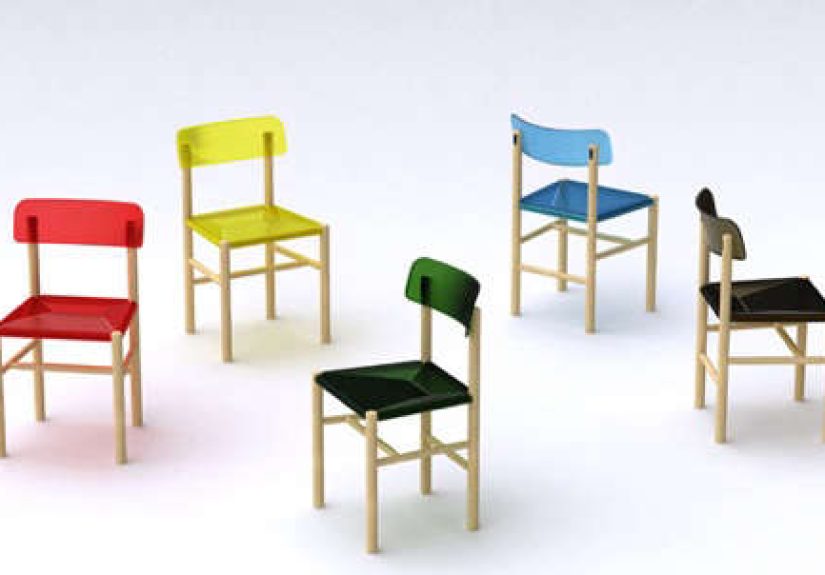
One of the reasons the Trattoria Chair remains interesting is its use of color. The polycarbonate seat and back have appeared in bright, translucent tones such as green, yellow, red, brown, and blue depending on production and availability. These colors change the mood of the chair dramatically.
A green Trattoria Chair can feel fresh and garden-adjacent, especially near a wooden table or white wall. A yellow version brings instant cheer, the furniture equivalent of squeezing lemon over a plate of grilled vegetables. Red adds confidence and warmth. Brown is quieter and more vintage-minded. Blue feels crisp, airy, and a little unexpected. In a set, mixed colors can create a casual trattoria atmosphere; matched colors create a cleaner, more deliberate look.
Where the Trattoria Chair Works Best
Modern Kitchens
In a modern kitchen, the Trattoria Chair works beautifully because it softens hard surfaces. Pair it with a simple wood, marble, laminate, or white dining table, and it brings just enough character to prevent the space from looking like a showroom where nobody is allowed to spill soup.
Small Dining Rooms
Because of its compact profile, the chair is useful in smaller dining rooms. It does not visually overwhelm a table, and its open, lightweight appearance helps a room feel less crowded. This matters in apartments, townhouses, and compact homes where every inch has a job and sometimes a side hustle.
Cafés and Casual Restaurants
The chair’s name practically invites hospitality use. In cafés, casual restaurants, and creative commercial interiors, it offers a friendly balance of durability and design credibility. It looks more interesting than a generic contract chair but remains approachable enough for daily service.
Creative Studios and Offices
The Trattoria Chair can also work in informal meeting rooms, studio lunch areas, and design offices. It has enough personality to signal taste, but it does not distract from the work happening around it. That is a useful quality in office furniture, where too much “statement” can quickly turn into visual noise.
How to Style the Jasper Morrison Trattoria Chair
The best way to style the Trattoria Chair is to respect its everyday charm. It does not need a dramatic setting. In fact, it often looks best when surrounded by simple, honest materials: wood tables, plaster walls, ceramic dishes, linen napkins, stainless steel lighting, and unfussy shelving.
For a warm European kitchen look, pair four Trattoria Chairs with a round oak table and a pendant lamp with a soft glow. Add ceramic bowls, a glass carafe, and a bunch of herbs in a plain pot. Suddenly, the room feels like it serves excellent olive oil.
For a more contemporary look, use the chair with a white rectangular table, concrete floors, and black metal accents. The beech frame prevents the space from feeling too cold, while the polycarbonate color adds a controlled splash of personality.
For a playful family dining area, mix different chair colors around one table. This approach makes the room feel relaxed and collected over time. The trick is to keep the rest of the palette simple so the chairs can do the talking without becoming a choir practice.
Comfort and Everyday Use
The Trattoria Chair is not a lounge chair, and it should not be judged as one. It is a dining chair: upright, practical, and designed for meals, work sessions, and conversations. The backrest gives support, the seat is easy to maintain, and the chair’s light scale makes it easy to move around a table.
For long dinner parties, some people may prefer adding a slim cushion, especially if they are the type to linger for three hours after dessert. But the chair’s core appeal is its simplicity. It is not padded, plush, or fussy. It is meant to serve daily life without demanding special care.
Why It Still Feels Relevant
Furniture trends move quickly. One year everything is gray velvet; the next year everyone wants mushroom beige; then suddenly a chair shaped like a marshmallow becomes famous on social media. The Trattoria Chair avoids that cycle because it is not built around a trend. It is built around a familiar type, refined through material and proportion.
Its relevance comes from the way it connects old and new. The café-chair memory makes it emotionally easy to understand. The polycarbonate panels make it contemporary. The color options make it flexible. The Morrison design language keeps it calm. That combination gives the chair staying power.
Buying and Collecting Considerations
The Trattoria Chair is not always easy to find new, depending on region and current retailer availability. It often appears through design resellers, vintage furniture platforms, auction listings, and secondhand marketplaces. Because it was produced by Magis and designed by a major contemporary designer, it has appeal for collectors who like practical furniture with a design pedigree.
When buying a used Trattoria Chair, inspect the polycarbonate seat and back for scratches, clouding, cracks, or heavy wear. Some light marks are normal, especially on transparent or translucent plastic. Check the beech frame for looseness, dents, stains, or repairs. If buying a set, compare color consistency and condition across all chairs. A little patina can be charming; a wobbly frame is less charming, unless your design concept is “dinner with mild danger,” which is not recommended.
Pros and Cons of the Trattoria Chair
What Makes It Great
The Trattoria Chair is visually light, versatile, and rich in design intelligence. It brings together natural and synthetic materials in a way that feels purposeful rather than random. It works in both residential and commercial spaces, and its color options allow for very different moods.
What to Consider
The chair may not satisfy someone looking for soft upholstery or deep ergonomic support. It is also a piece whose availability can vary, especially if you want a specific color or a full matching set. As with many design pieces, condition matters when shopping secondhand.
Experience Notes: Living With a Chair Like the Trattoria
A chair like the Jasper Morrison Trattoria changes how a room feels in small but noticeable ways. The first experience is visual. It does not dominate the space, but it makes ordinary corners look more deliberate. Put one beside a simple kitchen table and the area immediately feels more edited, as if someone made a decision instead of merely accepting whatever chair happened to be nearby.
The second experience is practical. The polycarbonate seat and back are easier to wipe than woven cane or upholstered fabric, which matters in real homes. Tomato sauce, coffee rings, crumbs, and mysterious sticky fingerprints are part of dining life. A chair that looks design-conscious but does not panic when life happens is a very useful thing.
The third experience is emotional. The Trattoria Chair carries a relaxed café feeling. It encourages informal sitting. It does not make guests feel as if they need permission to use it. That is one of Morrison’s strengths: his designs often reduce the social awkwardness of design objects. Some designer chairs look like they are silently judging your posture, your shoes, and your grocery-store wine. The Trattoria Chair does not. It simply says, “Sit down. Food is probably coming.”
In a mixed interior, the chair can become a bridge. It works with rustic tables because of the beech frame. It works with modern lighting because of the polycarbonate. It works with ceramics, glassware, steel shelves, painted cabinets, and even slightly chaotic open kitchens. This makes it valuable for people who do not decorate in one rigid style. Most real homes are not pure minimalist temples or perfect Tuscan farmhouses. They are layered, changing, and full of objects acquired through life. The Trattoria Chair can handle that.
Another experience is how it behaves in a group. A single Trattoria Chair can look like a design accent. A set of four feels like a dining concept. A mixed-color set feels lively and social, especially around a round table. In a café, multiple chairs can create rhythm without needing heavy decoration. The chair’s silhouette repeats neatly, while the color gives variation. That is useful design math: repetition plus small differences equals charm.
For homeowners, the biggest lesson from the Trattoria Chair is that memorable furniture does not always need to be loud. Sometimes the best piece is the one that improves the room quietly. It should feel good in the hand when you pull it out, look friendly from across the table, and survive the everyday theater of meals, laptops, homework, coffee, guests, and late-night snacks. The Trattoria Chair does all of that with a little Italian spirit and a very British sense of restraint.
Conclusion: A Quiet Classic With a Wink
The Jasper Morrison Trattoria Chair is a smart example of contemporary furniture that respects the past without copying it blindly. Its beech frame brings warmth, its polycarbonate seat and back bring color and practicality, and its silhouette brings the relaxed memory of a neighborhood café. It is simple, but not plain. Playful, but not silly. Designed, but not overdesigned.
For anyone interested in modern dining chairs, Jasper Morrison furniture, Magis design, or compact café-style seating, the Trattoria Chair is worth studying. It proves that a chair can be humble and clever at the same time. And in a world full of furniture trying very hard to become famous, that kind of quiet confidence feels refreshingly human.