Table of Contents >> Show >> Hide
- What Is Mistletoe?
- Is Mistletoe Poisonous?
- Mistletoe Poisoning Symptoms in Humans
- Who Is Most at Risk?
- What to Do If Someone Eats Mistletoe
- Mistletoe Poisoning in Dogs and Cats
- American vs. European Mistletoe: Why the Difference Matters
- Can Mistletoe Tea Be Dangerous?
- How Mistletoe Poisoning Is Treated
- How to Prevent Mistletoe Poisoning
- Common Myths About Mistletoe Poisoning
- When to Worry Most
- Experience-Based Tips: What Real Holiday Mistletoe Scares Often Look Like
- Conclusion
Mistletoe looks innocent enough: glossy green leaves, pearly white berries, a ribbon, and suddenly everyone is acting like a romantic comedy just broke out in the doorway. But behind the holiday charm is a real safety question: is mistletoe poisonous?
The honest answer is yes, mistletoe can be toxic if swallowed, but the level of danger depends on the species, the amount eaten, the person or animal exposed, and whether the plant was brewed into tea or consumed in a concentrated form. In the United States, most decorative mistletoe is American mistletoe, which is generally less toxic than European mistletoe. Small accidental human ingestions often cause no symptoms or mild stomach upset, but that does not make mistletoe a snack, garnish, herbal experiment, or “just one berry” challenge. Please let mistletoe stay in its lane: festive decoration, not salad topping.
This guide explains mistletoe poisoning symptoms, what to do after exposure, why children and pets need special protection, and how to enjoy holiday décor without turning your living room into a poison-control speed dial event.
What Is Mistletoe?
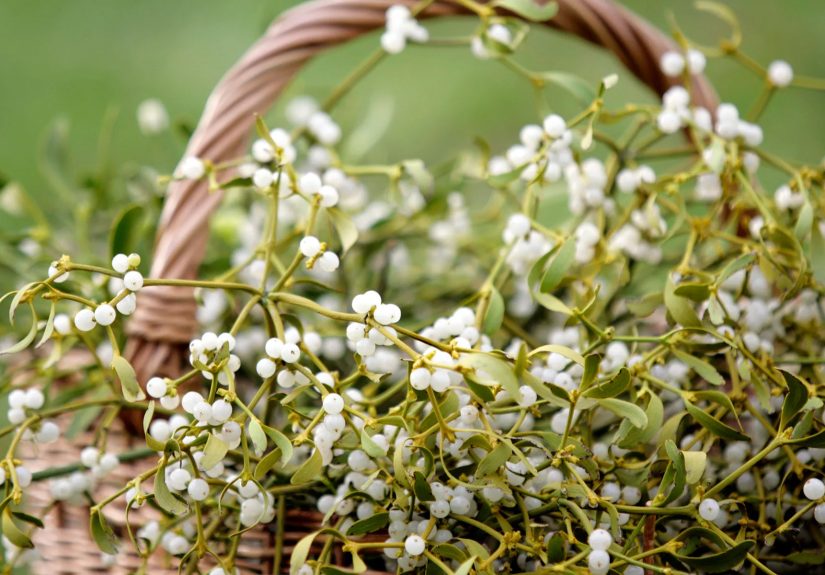
Mistletoe is an evergreen plant best known for its role in winter holiday decorations. It often has smooth green leaves and small white berries. In nature, mistletoe grows on trees as a hemiparasitic plant, meaning it can make some of its own food through photosynthesis but also steals water and nutrients from its host tree. Charming? Maybe. Freeloading? Absolutely.
There are many types of mistletoe, but two names matter most when discussing poisoning:
American Mistletoe
American mistletoe belongs to the Phoradendron genus. It is the type most commonly used in holiday decorations in the United States. It grows on hardwood trees such as oak, maple, ash, hickory, elm, and others. American mistletoe can contain toxic compounds, including phoratoxins, lectins, toxalbumins, and related substances. However, poison-control studies have found that small accidental ingestions of American mistletoe, especially a few berries, usually do not cause severe poisoning in humans.
European Mistletoe
European mistletoe, or Viscum album, has a stronger toxic reputation. Serious poisonings and deaths have historically been associated more with European mistletoe, especially when used in concentrated preparations such as homemade teas. It is not the typical commercial holiday mistletoe sold in the United States, but imported or privately grown plants may exist.
Is Mistletoe Poisonous?
Yes. All parts of the mistletoe plant should be treated as unsafe to eat. Leaves, stems, and berries may contain toxic compounds. The leaves are often considered more concerning than the berries, although berries can attract children and pets because they look small, round, and oddly snack-like. Nature really could have chosen a less tempting design.
Mistletoe poisoning may occur when someone eats the plant, chews leaves or berries, drinks tea made from mistletoe, or consumes an herbal preparation that contains mistletoe. The risk rises when larger amounts are swallowed, when the species is European mistletoe, or when plant material is concentrated in hot water, extracts, or supplements.
For most accidental human exposures involving American mistletoe, symptoms are mild or absent. Still, poison-control experts recommend calling for guidance because the exact amount, plant type, patient age, and symptoms all matter. A toddler who mouthed one berry is a different situation from an adult drinking homemade mistletoe tea. One is a holiday scare. The other is a very bad botanical decision.
Mistletoe Poisoning Symptoms in Humans
Symptoms can vary. Mild cases may involve only temporary stomach irritation. More concerning cases can affect the heart, blood pressure, breathing, or nervous system. Possible symptoms include:
- Nausea
- Vomiting
- Diarrhea
- Stomach pain or cramping
- Drowsiness or unusual sleepiness
- Weakness
- Blurred vision
- Confusion
- Slow heart rate
- Low blood pressure
- Difficulty breathing in severe cases
Most mild stomach symptoms are not unique to mistletoe poisoning. They can look like food poisoning, a stomach virus, too many cookies, or regret after “just one more” holiday appetizer. That is why the context matters. If someone may have eaten mistletoe, mention the plant exposure when calling Poison Control or a healthcare professional.
Who Is Most at Risk?
Young Children
Children are often the main concern because they explore the world with their hands and mouths. A berry that falls from a wreath can look interesting to a toddler. Children are also smaller, so exposures may be more significant relative to body weight. The safest approach is to keep fresh mistletoe completely out of reach and to clean up fallen leaves or berries immediately.
Pets
Dogs, cats, and horses can be affected by mistletoe. In pets, mistletoe may cause vomiting, diarrhea, drooling, weakness, difficulty breathing, low blood pressure, slow heart rate, or unusual behavior. Severe toxicity is uncommon but possible, especially with larger amounts. Pets do not understand “decorative only.” To them, a dangling plant is either a toy, a salad bar, or a personal challenge.
People Using Herbal Preparations
Mistletoe has a long history in folklore and herbal traditions, but that does not make homemade use safe. Brewing mistletoe into tea or using concentrated extracts can increase the risk of poisoning. Do not make mistletoe tea, tinctures, powders, or homemade remedies. The fact that something is “natural” does not mean your liver, heart, and stomach are excited about it.
People With Existing Health Conditions
Anyone with heart disease, low blood pressure, breathing problems, pregnancy, or a serious medical condition should take plant exposures especially seriously. Symptoms such as weakness, faintness, abnormal pulse, or trouble breathing require urgent care.
What to Do If Someone Eats Mistletoe
If a child or adult has eaten mistletoe, act calmly but promptly. Panic is not a treatment plan, although it is a very common first draft.
Step 1: Remove the Plant Material
Take away any remaining leaves, stems, or berries. If plant pieces are still in the mouth, remove them carefully. Do not force fingers deep into the mouth, especially if the person is resisting or at risk of choking.
Step 2: Rinse the Mouth
Have the person rinse their mouth with water if they are awake, alert, and able to swallow safely. For a small child, wiping the mouth gently may be more realistic.
Step 3: Do Not Induce Vomiting
Do not make the person vomit unless Poison Control or a healthcare professional specifically tells you to do so. Old-school home remedies can make things worse. Syrup of ipecac has left the building, and it should not be invited back.
Step 4: Call Poison Control
In the United States, call Poison Control at 1-800-222-1222 or use an online poison-control tool if available. Be ready to share the person’s age, weight, symptoms, how much was eaten, what part of the plant was swallowed, and when it happened. If you still have the plant or package, keep it nearby for identification.
Step 5: Call 911 for Severe Symptoms
Call emergency services immediately if the person collapses, has a seizure, has trouble breathing, cannot be awakened, has severe confusion, or shows signs of a serious reaction.
Mistletoe Poisoning in Dogs and Cats
For pets, mistletoe poisoning deserves quick attention. American mistletoe is listed as toxic to dogs, cats, and horses. Signs in dogs and cats may include vomiting, diarrhea, low energy, weakness, slowed heart rate, low blood pressure, breathing difficulty, or odd behavior. Horses may show colic or gastrointestinal distress.
If your pet eats mistletoe, call your veterinarian or an animal poison-control service. Do not wait for dramatic symptoms before asking for help. Also, do not try to treat your pet with human remedies. A dog is not a small furry person with worse table manners; pet toxicology is its own field.
When calling, provide your pet’s species, breed, approximate weight, the amount eaten, the plant part involved, and whether the mistletoe was fresh, dried, sprayed, glittered, or part of a decorative arrangement. Decorative sprays, pesticides, ribbons, plastic berries, wire, and foam pieces can add choking or intestinal risks separate from the plant itself.
American vs. European Mistletoe: Why the Difference Matters
American mistletoe and European mistletoe are often discussed as if they are the same plant, but they are not identical in toxicity. American mistletoe has a scary reputation partly because it shares the same common name with European mistletoe. Poison-control data suggest that American mistletoe exposures in humans are often mild, especially when only small amounts are swallowed by accident.
European mistletoe has been associated with more serious poisonings, particularly when consumed in concentrated herbal forms. This difference matters because online advice may not specify the species. One article may warn about severe European mistletoe toxicity, while another may describe mild American mistletoe exposures. Both can be true in the right context.
Since most people cannot confidently identify mistletoe species from a fallen berry on the carpet, the practical advice is simple: do not eat it, do not serve it, do not brew it, and keep it away from kids and pets.
Can Mistletoe Tea Be Dangerous?
Yes. Mistletoe tea is a higher-risk exposure than a child accidentally mouthing a berry. Hot water can extract plant compounds, and homemade preparations make dosing unpredictable. The strength depends on species, plant part, amount, steeping time, and concentration. That is a lot of variables for something that does not even taste like a holiday cookie.
Do not drink mistletoe tea or use mistletoe as a home remedy. If someone has consumed mistletoe tea, call Poison Control or seek medical advice right away, even if symptoms have not started.
How Mistletoe Poisoning Is Treated
Treatment depends on the exposure and symptoms. Mild cases may only require observation, fluids, and monitoring at home after poison-control guidance. More serious cases may require medical evaluation, vital sign monitoring, treatment for vomiting or dehydration, heart monitoring, breathing support, or other supportive care.
There is no universal “mistletoe antidote” that someone can safely give at home. The correct response depends on the patient and the situation. That is why professional guidance matters. Poison specialists are excellent at sorting “watch at home” from “go now,” which is far better than guessing while staring suspiciously at a holiday wreath.
How to Prevent Mistletoe Poisoning
Use Artificial Mistletoe
Artificial mistletoe is the easiest option for homes with young children or pets. Choose decorations without small detachable pieces that could become choking hazards.
Hang Fresh Mistletoe Securely
If you use fresh mistletoe, hang it high and away from furniture that children or pets can climb. Check often for fallen berries and leaves.
Consider Netting
Fine netting around fresh mistletoe can help prevent berries and leaves from dropping onto the floor. It may not win a design award, but neither does a trip to urgent care.
Never Put Mistletoe on Food
Do not decorate cakes, trays, drinks, punch bowls, charcuterie boards, or desserts with real mistletoe. Even if it looks festive, it sends the wrong message and can accidentally contaminate food.
Teach Plant Safety
Tell children that plants, berries, and mushrooms are not food unless a trusted adult says they are safe. Keep the rule simple: “We look at decorations, but we do not eat them.”
Protect Pets
Skip fresh mistletoe if your dog eats first and asks questions never. Cats may swat dangling decorations, and dropped berries can become instant floor snacks. Keep arrangements away from pet zones, crates, bowls, and stalls.
Common Myths About Mistletoe Poisoning
Myth 1: One Berry Is Always Deadly
One mistletoe berry is not “always deadly,” especially when the plant is American mistletoe. Many small accidental exposures cause no symptoms. Still, every exposure should be taken seriously enough to call Poison Control for case-specific advice.
Myth 2: Only the Berries Are Toxic
The leaves and stems can also contain toxic compounds. In some cases, leaves may be more concerning than berries. Do not assume that removing the berries makes the plant safe.
Myth 3: Natural Means Safe
Mistletoe is natural. So are poison ivy, rattlesnakes, and falling out of a tree. Natural is not a safety rating.
Myth 4: Pets Can Handle Plants Better Than People
Pets can be highly vulnerable to plants that humans might tolerate in small amounts. Dogs, cats, and horses should not eat mistletoe.
When to Worry Most
Be more concerned if the exposure involves a large amount, leaves rather than a single berry, European mistletoe, homemade tea, concentrated extracts, a very young child, a pregnant person, someone with heart disease, or a pet. Also take symptoms seriously if they include repeated vomiting, severe diarrhea, weakness, fainting, confusion, abnormal heartbeat, trouble breathing, seizure, or unusual sleepiness.
If you are unsure whether the situation is mild or serious, call Poison Control. That is exactly what they are there for. You do not need to solve plant toxicology at the kitchen table while a toddler points at the ceiling decoration like it started the whole thing.
Experience-Based Tips: What Real Holiday Mistletoe Scares Often Look Like
Many mistletoe poisoning scares happen in ordinary, almost comically normal moments. A family hangs fresh mistletoe in early December, everyone admires it, and then life gets busy. By late January, the decoration is dry, forgotten, and quietly shedding leaves like a tiny toxic confetti machine. A baby crawling nearby finds a leaf, tastes it, makes a face, and suddenly three adults are googling “mistletoe poisoning” with the intensity of detectives in a holiday crime drama.
The first practical lesson is that fresh decorations age. A plant that was securely tied above a doorway on December 10 may become brittle weeks later. Dried berries and leaves drop more easily. If you use fresh mistletoe, set a reminder to take it down promptly after the holiday. Do not let it become part of the permanent architecture. Your home does not need a haunted botanical chandelier.
A second common experience involves pets. Dogs are especially gifted at finding “forbidden snacks” that no human even noticed. A fallen berry under the table, a clipped stem near the trash, or a decorative sprig attached to a gift can become a chew toy. Cats may be less interested in eating mistletoe than in attacking it, but their batting and climbing can knock pieces loose. Pet owners often learn the hard way that “out of reach” means out of reach for a motivated animal, not just out of reach for a polite one.
The third experience is party confusion. During holiday gatherings, adults may be cooking, hosting, greeting guests, managing coats, and trying to remember whether Uncle Steve eats gluten. Children wander. Pets roam. Decorations get bumped. This is when plant safety can slip. If you host, choose one adult to keep an eye on young children, move poisonous plants away from traffic areas, and check the floor after guests arrive. Prevention does not have to be dramatic; it just has to be consistent.
Another surprisingly common issue is decorative food styling. Real greenery may look gorgeous around desserts, cheese boards, or cocktails, but mistletoe should never be used near food. Someone may not know it is toxic, or a berry may fall into a drink. Use food-safe herbs like rosemary for presentation instead. Rosemary brings the woodland vibe without inviting Poison Control to dessert.
Finally, people often hesitate to call Poison Control because they feel embarrassed. Please do not. Poison specialists have heard everything. A child eating one mystery berry, a dog swallowing holiday greenery, a grandparent making questionable herbal teanone of this will shock them. Calling early can turn a frightening moment into a manageable one. The best experience with mistletoe poisoning is the one where you get good advice quickly, symptoms never become serious, and the plant is retired from active duty before it causes an encore.
Conclusion
Mistletoe poisoning is real, but it is also a topic where context matters. American mistletoe, the type commonly used in U.S. holiday decorations, is often less dangerous in small accidental human exposures than many people fear. However, mistletoe is still toxic, especially when larger amounts are eaten, when leaves are consumed, when pets are involved, or when the plant is brewed into tea or used as a homemade remedy.
The safest plan is simple: keep mistletoe out of mouths, off food, away from pets, and beyond the reach of children. If exposure happens, remove the plant material, rinse the mouth if appropriate, do not induce vomiting, and call Poison Control at 1-800-222-1222 in the United States. Call 911 for severe symptoms such as trouble breathing, seizure, collapse, or inability to wake.
Mistletoe can stay part of holiday tradition, but it should be treated like a decoration, not a snack. Hang it wisely, clean up fallen berries, consider artificial options, and save the drama for holiday movies where it belongs.