Table of Contents >> Show >> Hide
- What Are Hanging Knee Raises?
- Why Hanging Knee Raises Are Great for Core Strength
- Muscles Worked During Hanging Knee Raises
- How to Do Hanging Knee Raises With Proper Form
- Common Hanging Knee Raise Mistakes
- Beginner-Friendly Modifications
- Advanced Hanging Knee Raise Variations
- How Many Reps and Sets Should You Do?
- Where Hanging Knee Raises Fit in a Workout
- Safety Tips Before You Try Hanging Knee Raises
- Do Hanging Knee Raises Burn Belly Fat?
- Hanging Knee Raises vs. Crunches
- Experience Notes: What It Feels Like to Add Hanging Knee Raises to Your Routine
- Conclusion
If your core routine has become a greatest-hits album of crunches, planks, and the occasional dramatic sigh on a yoga mat, it may be time to hang around a little moreliterally. Hanging knee raises are one of those exercises that look simple from across the gym and then, the moment you try them, politely inform you that gravity has been working out harder than you have.
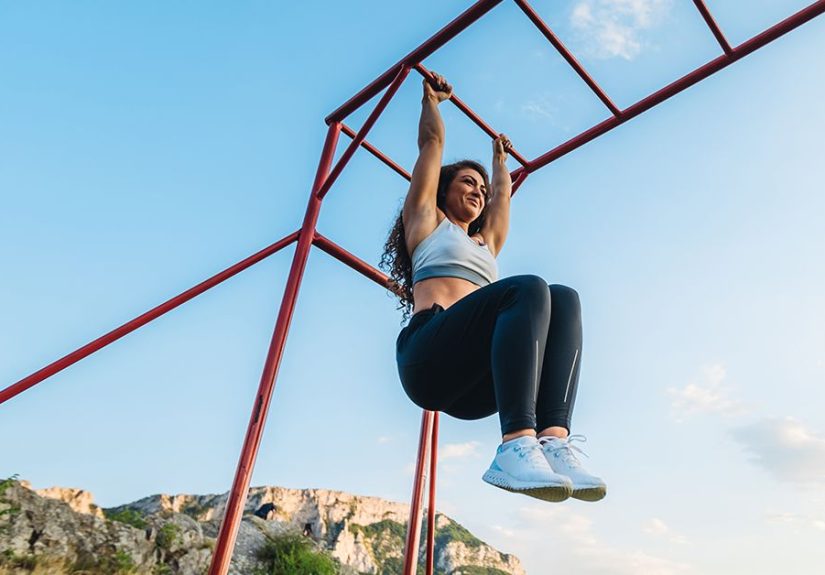
The hanging knee raise is a bodyweight core exercise performed from a pull-up bar, captain’s chair, or similar stable setup. You hang with control, brace your midsection, and lift your knees toward your chest. Done well, it trains your abs, hip flexors, obliques, grip, shoulders, and overall body control. Done poorly, it becomes a swing set for adults, minus the playground charm.
This guide breaks down why hanging knee raises deserve a place in your core workout, how to do them safely, which muscles they train, common mistakes to avoid, beginner-friendly modifications, advanced variations, and how to program them into a smart fitness routine.
What Are Hanging Knee Raises?
Hanging knee raises are a vertical core exercise where you support your body from your hands or forearms while raising your knees toward your torso. Unlike a traditional crunch, which works the abs from a lying position, hanging knee raises challenge your core while your body is suspended. That small detail makes a big difference.
When you hang from a bar, your body wants to swing, arch, twist, and generally behave like a loose noodle in a windstorm. Your core has to stabilize your pelvis and spine while your lower body moves. This makes the movement more demanding than many floor-based ab exercises.
Most people think of hanging knee raises as a “lower ab” exercise. Technically, the rectus abdominis is one long muscle, not a set of separate upper and lower abs. However, because the movement involves lifting the pelvis and knees upward, many people feel the exercise strongly in the lower portion of the abdominal area. You also get serious help from the hip flexors, obliques, deep core muscles, forearms, and shoulders.
Why Hanging Knee Raises Are Great for Core Strength
They Train More Than Just Your Abs
A strong core is not just about having a stomach that looks good in gym lighting. Your core includes the muscles around your abdomen, pelvis, lower back, and hips. These muscles help you stand tall, rotate, brace, bend, carry groceries, play sports, lift weights, and survive awkwardly reaching for something behind the couch.
Hanging knee raises train your body to resist unwanted movement while producing controlled movement. That is exactly what your core does in real life. Whether you are squatting, running, playing tennis, carrying a backpack, or trying not to fall while putting on socks, core stability matters.
They Build Functional Control
The best core exercises do not just make your abs burn; they teach your body how to stay organized. Hanging knee raises require you to control your ribs, pelvis, shoulders, and legs at the same time. That coordination can carry over to other exercises such as pull-ups, deadlifts, squats, overhead presses, and athletic movements.
In other words, hanging knee raises are not just an ab exercise. They are a “please keep your entire body from flailing” exercise, and that is exactly why they work so well.
They Improve Grip Strength
Because you are hanging from a bar, your hands and forearms have to work. Grip strength is useful in many workouts, especially pulling exercises like rows, deadlifts, farmer’s carries, and pull-ups. It also helps with everyday tasks such as carrying luggage, opening stubborn jars, and bringing all the grocery bags inside in one heroic trip.
Muscles Worked During Hanging Knee Raises
Hanging knee raises may look like a simple knee-lifting movement, but several muscle groups join the party:
- Rectus abdominis: The front abdominal muscle that helps flex the spine and control pelvic position.
- External and internal obliques: The side abdominal muscles that help with rotation and anti-rotation control.
- Transverse abdominis: A deep core muscle that acts like a natural weight belt for spinal stability.
- Hip flexors: Muscles such as the iliopsoas and rectus femoris help lift the thighs toward the torso.
- Forearms and hands: These support your body weight while hanging.
- Shoulders and upper back: These help stabilize your hanging position and keep your shoulders from creeping up to your ears.
This combination makes the hanging knee raise a smart addition to an ab workout, bodyweight training plan, calisthenics routine, or general strength program.
How to Do Hanging Knee Raises With Proper Form
Good form is the difference between a powerful core exercise and a chaotic leg-swinging performance. Here is the step-by-step version.
Step 1: Set Up Safely
Use a sturdy pull-up bar, captain’s chair, or secure hanging station. If the bar is too high, step onto a box or bench instead of jumping wildly to grab it. Your grip should be firm, with hands about shoulder-width apart or slightly wider.
Step 2: Create an Active Hang
Do not simply dangle like laundry on a windy day. Pull your shoulders slightly down and away from your ears. Engage your upper back and lats. Keep your ribs from flaring forward. Your body should feel long, stable, and controlled.
Step 3: Brace Your Core
Before lifting your knees, lightly tighten your abs as if preparing for someone to poke your stomach. Keep your glutes engaged and avoid arching your lower back. This bracing step is crucial because it helps keep the movement in your core instead of dumping stress into your lower back.
Step 4: Lift Your Knees
Exhale as you lift your knees toward your chest. Aim to bring your thighs to at least hip height. Move slowly and avoid kicking. Think “curl the pelvis slightly upward” rather than “yank the knees as fast as possible.”
Step 5: Pause and Lower With Control
Pause briefly at the top, then lower your legs slowly. The lowering phase matters. If you simply drop your legs, you miss half the benefit and increase swinging. Inhale as you return to the starting position.
Step 6: Reset Before the Next Rep
If your body starts swinging, pause. Touch your toes lightly to the floor or use a box to steady yourself. Quality beats quantity every time. Ten clean reps are better than twenty reps that look like you are trying to signal a helicopter.
Common Hanging Knee Raise Mistakes
Mistake 1: Swinging Too Much
Swinging is the most common problem. Momentum makes the exercise easier, but it also makes it less effective. Your abs should lift your knees, not your body’s back-and-forth motion.
Fix: Slow down. Start each rep from a controlled hang. If needed, do fewer reps or use a captain’s chair where your back is supported.
Mistake 2: Arching the Lower Back
When the lower back arches excessively, the hip flexors take over and the abs stop doing their best work. This can also make the movement uncomfortable.
Fix: Brace your abs before every rep, squeeze your glutes lightly, and think about tucking your pelvis as your knees rise.
Mistake 3: Pulling With the Arms
Your arms should support you, not turn the exercise into a half-pull-up. Bending the elbows or shrugging the shoulders can create unnecessary tension.
Fix: Keep your arms long, shoulders down, and upper back engaged.
Mistake 4: Rushing the Reps
Fast reps often become sloppy reps. The goal is not to see how quickly your knees can visit your chest and leave.
Fix: Use a smooth tempo: lift for about one to two seconds, pause briefly, and lower for two to three seconds.
Beginner-Friendly Modifications
If hanging knee raises feel too difficult at first, that is normal. They require grip strength, shoulder stability, core strength, and coordination. Start with a variation that lets you own the movement.
Captain’s Chair Knee Raise
A captain’s chair supports your forearms and back, reducing the grip demand. This is one of the best beginner options because it lets you focus on lifting your knees without worrying as much about hanging strength.
Lying Reverse Crunch
Lie on your back with your knees bent. Curl your knees toward your chest and gently lift your hips from the floor. This teaches pelvic control, which is essential for strict hanging knee raises.
Dead Bug
The dead bug is a core stability classic. It teaches you to keep your ribs and pelvis controlled while your arms and legs move. It is less flashy than hanging from a bar, but it is excellent preparation.
Hanging Knee Tuck With Toe Assist
Hang from a low bar where your toes can touch the floor. Use your toes lightly to reduce swinging and support part of your weight. Over time, use less assistance.
Advanced Hanging Knee Raise Variations
Hanging Leg Raise
Instead of bending your knees, keep your legs straighter as you lift them. This increases leverage and makes the exercise more challenging for the abs and hip flexors. Only try this after you can perform controlled knee raises without swinging.
Hanging Knee Raise With Twist
Lift your knees toward one side of your torso, lower with control, then repeat on the other side. This adds more oblique involvement and anti-rotation demand.
Knees-to-Elbows
This variation requires more range of motion. Pull your knees higher toward your elbows while maintaining control. Avoid turning it into a swinging movement.
Tempo Hanging Knee Raise
Use a slow lowering phase of three to five seconds. This increases time under tension and forces better control. It is simple, spicy, and surprisingly humbling.
How Many Reps and Sets Should You Do?
For most people, hanging knee raises work best as a quality-focused core exercise, not a high-rep circus act. Start with:
- Beginner: 2 sets of 6–8 controlled reps
- Intermediate: 3 sets of 8–12 controlled reps
- Advanced: 3–4 sets of 10–15 reps or slower tempo reps
Perform them two to three times per week, leaving enough recovery between sessions. Your abs may recover faster than larger muscle groups, but your grip, shoulders, and hip flexors still need sensible programming.
Where Hanging Knee Raises Fit in a Workout
You can add hanging knee raises near the end of a strength workout, after your main lifts. This keeps your core fresh for heavy exercises like squats and deadlifts, where bracing is important. You can also include them in a bodyweight circuit or core finisher.
Here is a simple core workout using hanging knee raises:
- Hanging knee raise: 3 sets of 8–12 reps
- Side plank: 2 sets of 20–40 seconds per side
- Dead bug: 2 sets of 8–10 reps per side
- Farmer’s carry: 3 rounds of 30–45 seconds
This combination trains your core from multiple angles: flexion, anti-rotation, stability, and loaded bracing. Translation: your midsection learns to work like a team instead of a group project where one person does everything.
Safety Tips Before You Try Hanging Knee Raises
Hanging knee raises are effective, but they are not required for everyone. If you have shoulder pain, elbow pain, grip limitations, lower back discomfort, or a recent injury, choose a supported variation or ask a qualified fitness professional for guidance.
Always use stable equipment. Do not hang from anything that is not designed to support your body weight. A pull-up bar should be properly installed, secure, and comfortable to grip. If your hands slip easily, dry them or use appropriate gym chalk if your facility allows it.
Stop if you feel sharp pain, numbness, or unusual discomfort. Muscle fatigue is normal. Joint pain is not a trophy.
Do Hanging Knee Raises Burn Belly Fat?
Hanging knee raises strengthen your core, but they do not magically burn fat from one specific area. Spot reduction is one of fitness culture’s most persistent myths, right next to “this smoothie will change your personality.”
To reduce body fat, you need an overall plan that may include strength training, regular cardio or daily movement, sleep, stress management, and balanced nutrition. Hanging knee raises can build stronger abdominal muscles, improve core control, and contribute to a well-rounded routine, but they are not a shortcut to targeted fat loss.
Hanging Knee Raises vs. Crunches
Crunches are not evil. They are simply limited. A crunch mainly trains spinal flexion from the floor. Hanging knee raises add a bigger stability challenge, involve the hip flexors, require grip strength, and train control from a suspended position.
If you are new to exercise, crunches or reverse crunches may be a better starting point. If you already have a base of core strength and want something more challenging, hanging knee raises can offer a fresh stimulus.
The best choice is not always the hardest exercise. The best choice is the hardest exercise you can perform well.
Experience Notes: What It Feels Like to Add Hanging Knee Raises to Your Routine
The first time many people try hanging knee raises, they expect an ab exercise and discover a full-body honesty test. Your grip gets involved immediately. Your shoulders have opinions. Your hip flexors clock in early. And your abs, which may have been perfectly confident during crunches, suddenly ask for a meeting.
In the first week, the biggest challenge is usually not the knee raise itself; it is controlling the swing. You lift your knees, lower them, and suddenly your body starts moving like a pendulum at a grandfather clock convention. This is normal. The fix is patience. Instead of chasing reps, focus on starting each repetition from stillness. If you need to reset between reps, reset. Touch your feet down, breathe, brace, and go again.
Another common early experience is grip fatigue. Your abs may still have energy, but your hands decide the workout is over. That does not mean you are weak; it means hanging strength is a skill. Over a few weeks, your hands and forearms usually adapt. You may notice that pull-ups, rows, and carries feel more secure because your grip has become more reliable.
By the second or third week, the movement often starts to feel smoother. You learn to pull your shoulders down, keep your ribs controlled, and lift your knees without kicking. This is where hanging knee raises become satisfying. They stop feeling like survival and start feeling like strength. The reps become cleaner. The swing becomes smaller. You can pause at the top without panic. That little pause is a quiet victory.
One practical example: imagine adding hanging knee raises after an upper-body workout twice a week. On Monday, you do 3 sets of 6 reps, resting long enough to keep form sharp. On Thursday, you use the captain’s chair for 3 sets of 10 reps because your grip is tired from rows. That combination gives you practice without turning every session into a battle with the pull-up bar.
Another useful experience is learning that harder is not always better. Straight-leg raises may look impressive, but if they make your back arch or your body swing wildly, knee raises are the better choice. Progress is not about performing the most advanced variation; it is about earning control. A strict set of eight hanging knee raises can be more valuable than fifteen sloppy leg raises powered by momentum and wishful thinking.
Many people also notice that hanging knee raises improve body awareness. You begin to feel when your ribs flare, when your pelvis tips, and when your shoulders lose position. That awareness carries into other exercises. Your planks feel stronger. Your squats feel more stable. Your overhead presses feel less wobbly. The core is not just something you train at the end of a workout; it is the control center for almost everything else you do.
The best experience tip is simple: keep the movement boringly clean. Start with a stable hang, brace, lift, pause, lower, and reset. Do not rush. Do not chase soreness. Do not turn every set into a social media audition. After several weeks of consistent practice, hanging knee raises can become one of the most dependable tools in your core training toolbox.
Conclusion
Hanging knee raises are a powerful, practical, and surprisingly humbling core exercise. They train your abs, obliques, hip flexors, grip, shoulders, and total-body control in one efficient movement. They also teach a lesson that applies far beyond the gym: control beats chaos.
If you are new to them, start with supported variations such as captain’s chair knee raises, reverse crunches, or toe-assisted hanging knee raises. If you are more advanced, progress to slower tempos, twists, knees-to-elbows, or hanging leg raises. Keep your reps controlled, your shoulders active, your core braced, and your ego outside the pull-up station.
For a great core workout, hanging knee raises are worth a try. They are simple, equipment-light, scalable, and effective. Plus, they make you appreciate the humble act of standing on the ground, which is more than most ab exercises can say.
Note: This article is for general fitness education only. If you have pain, an injury, or a medical condition, choose an easier variation or consult a qualified professional before trying hanging exercises.