Table of Contents >> Show >> Hide
- Why Fall Is the Best Time to Plant Grass Seed
- Step 1: Know Your Lawn – Grass Type, Climate, and Conditions
- Step 2: Time It Right – Watch the Weather, Not Just the Calendar
- Step 3: Start with the Soil – Test, Amend, and Prep the Surface
- Step 4: Mow Low and Smooth Things Out
- Step 5: Choose Quality Grass Seed (It’s Worth the Extra Few Dollars)
- Step 6: Spread the Seed Evenly and at the Right Rate
- Step 7: Add a Starter Fertilizer (If Allowed in Your Area)
- Step 8: Water Like a Pro – Little and Often, Then Deep and Infrequent
- Step 9: Protect Your Investment – Keep Feet, Pets, and Leaves in Check
- Common Mistakes to Avoid When Planting Grass Seed in Fall
- Maintaining Your Newly Seeded Fall Lawn into Spring
- Real-World Experiences: What Fall Grass Seeding Teaches You
If summer left your lawn looking like a worn-out welcome mat, fall is your comeback season.
Cooler air, warm soil, and more consistent moisture make autumn the sweet spot for planting
grass seed and overseeding tired turf. Done right, a few weekends of fall lawn care can set
you up for that “walking barefoot with coffee in hand” kind of lawn next spring.
In this guide, we’ll walk through when to plant, how to prep the soil, how to choose grass
seed, and the right way to water and care for your new grass. We’ll also sprinkle in some
real-world lessons (a.k.a. “things people learn the hard way so you don’t have to”).
Why Fall Is the Best Time to Plant Grass Seed
Fall is basically a spa day for cool-season grasses like Kentucky bluegrass, perennial ryegrass,
and tall fescue. Soil is still warm from summer, air temperatures are cooler, and weed pressure
drops off. All of that means new seedlings can germinate quickly and grow strong roots without
competing with a million crabgrass cousins.
Cool-Season Lawns (Most Northern and Transition Zones)
For cool-season grasses, the prime window is usually late summer through early to mid-fall,
roughly from mid-August into October depending on your region. The goal is to give new grass
about 6–8 weeks of good growing conditions before the first hard frost. During this time:
- Warm soil speeds up germination.
- Cooler nights reduce stress on seedlings.
- Weeds germinate less aggressively than in spring.
That combination is why lawn pros often say, “Fall is for seeding.” Spring might feel
more “garden-y,” but it’s actually more crowded with weeds and fluctuating temperatures.
Warm-Season Lawns (Southern Regions)
If you have warm-season grass like Bermuda or Zoysia, you usually establish or repair it in
late spring or summer. But fall can still play a role:
- You can overseed with a temporary cool-season grass (like ryegrass) to keep the lawn green when warm-season turf goes dormant.
- You can thicken existing warm-season turf in late summer as it’s still actively growing, before temperatures drop too low.
The key is to match your strategy to your grass type and local climate. When in doubt,
check your state’s extension service or local lawn-care guidelines for recommended dates.
Step 1: Know Your Lawn – Grass Type, Climate, and Conditions
Before you grab a bag of seed because the packaging looks “nice and green,” pause for some
detective work. The best fall grass seed planting plan starts with knowing:
- Your grass type: Is it cool-season, warm-season, or a mix?
- Your region: Northern, Southern, or transition zone?
- Your lawn’s issues: Thin spots, bare patches, heavy traffic, shade, or all of the above?
For most homeowners in northern and many central states, a cool-season blend (often Kentucky
bluegrass plus perennial ryegrass or tall fescue) is the go-to. In the South, overseeding with
ryegrass in fall is popular for keeping dormant warm-season lawns green through winter.
Take a quick walk around your yard and note:
- Areas that stay soggy or bone dry.
- Heavy-traffic zones (kids, pets, mail carrier shortcuts).
- Shady spots under trees or along fences.
These observations will shape your seed choice and how aggressively you’ll need to prep and
amend the soil.
Step 2: Time It Right – Watch the Weather, Not Just the Calendar
Yes, most experts suggest late August to early/mid-October for seeding cool-season lawns,
but your lawn doesn’t read calendars. What matters more are conditions:
- Soil temperature: Cool-season grasses like it when soil is generally below
the mid-60s Fahrenheit but not cold. Warm soil plus cooler air is perfect for root development. - Frost timing: Aim to seed 6–8 weeks before your average first hard frost.
- Moisture: Fall often brings more regular rainfall, which helps germination and early growth.
If you want to be extra precise, you can use a soil thermometer to check temperatures a few inches
down. It’s a small gadget that can save you from planting too early in blazing heat or too late when
the soil is already cooling off too much.
Step 3: Start with the Soil – Test, Amend, and Prep the Surface
Planting grass seed on poor, compacted soil is like trying to sleep on a concrete pillow.
The seed might survive, but it won’t thrive. Soil work is the unglamorous but crucial part.
Test Your Soil
A simple soil test will tell you:
- pH level (most turfgrasses like 6.0–7.0).
- Key nutrient levels (nitrogen, phosphorus, potassium).
You can use a DIY test kit or send a sample to your local extension service. If the test shows
your soil is too acidic, you may need lime. If it’s low in phosphorus or potassium, you may want
a starter fertilizer that addresses those deficiencies (subject to your local fertilizer rules).
Loosen Compacted Soil
If your lawn feels like you’re walking on a parking lot, it’s likely compacted. Core aeration
(pulling small plugs of soil out of the lawn) is one of the best things you can do before
seeding in the fall. Aeration:
- Improves air and water movement into the soil.
- Gives grass roots room to grow deeper.
- Creates little “pockets” where seed can settle and germinate.
Heavily used lawns or clay-heavy soils benefit from annual fall aeration. You can rent a core
aerator or hire a lawn service. Try to aerate when the soil is slightly moist (not rock-hard dry,
not squishy mud).
Clear Thatch and Debris
New seed needs to touch soil, not sit on a cushion of dead grass. If there’s a layer of thatch
more than about half an inch thick, use a dethatching rake or machine to remove it. Also rake up:
- Leaves
- Sticks
- Old clippings and debris
The cleaner the surface, the better the seed-to-soil contact and the higher your germination rate.
Step 4: Mow Low and Smooth Things Out
On the day you seed (or just before), mow the existing grass shorter than usualaround 1.5–2 inches
for cool-season lawns. Bag the clippings so they don’t fall back on the lawn and block seed.
After mowing and raking, you can top-dress thin areas with a light layer of compost or high-quality
topsoil. This:
- Improves seedbed quality.
- Adds organic matter and nutrients.
- Helps seed stay moist and protected.
The goal is a smooth, firm surfacenot fluffy, not muddywhere seed can land and stay put.
Step 5: Choose Quality Grass Seed (It’s Worth the Extra Few Dollars)
All grass seed is not created equal. Bargain-bin seed mixes often contain lots of filler or
lower-quality varieties that don’t handle heat, disease, or foot traffic as well.
Look for:
- Named varieties: The label should list specific cultivars, not just “grass seed.”
- Low weed and inert content: The tag should show minimal weed seed and filler.
- Match to conditions: Shade-tolerant blends for shady areas, drought-tolerant tall fescue for
hot, dry spots, etc.
If your lawn is mostly tall fescue now, stick with a tall fescue blend to maintain a consistent look.
If you’re overseeding a worn-out mix, consider a high-quality blend that matches your region’s
recommendations (often available from local garden centers or extension-backed sources).
Step 6: Spread the Seed Evenly and at the Right Rate
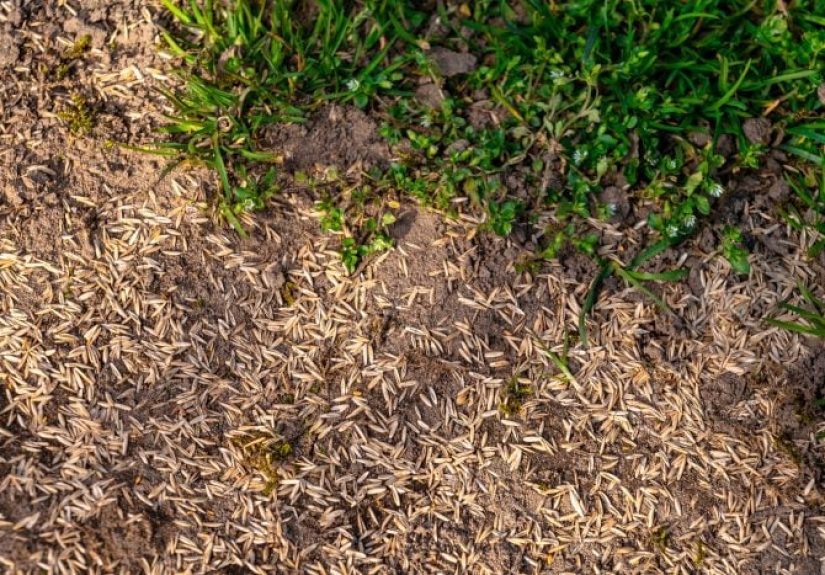
Once the stage is set, it’s time for the star of the show: the seed. Use a broadcast or rotary spreader
for larger areas and a hand spreader or even careful hand-casting for smaller patches.
Follow the rate on the bag for:
- New lawns: Higher seeding rate.
- Overseeding existing lawns: Lower rate, because you’re thickening, not starting from scratch.
A common pro tip: spread half the seed in one direction (north–south) and the other half in a perpendicular
direction (east–west). This helps reduce streaky, patchy coverage.
After spreading, lightly rake or drag the surface so the seed settles into the top quarter-inch of soil.
You don’t want to bury it deeplyjust tuck it in so it’s not sitting completely exposed on top.
Step 7: Add a Starter Fertilizer (If Allowed in Your Area)
Starter fertilizers are designed to support root development in new grass. They typically contain
a balanced or slightly phosphorus-forward NPK ratio (though phosphorus use is restricted or regulated
in some regions, so always follow local rules).
Apply starter fertilizer right before or immediately after seeding, using a spreader and following
the label rate. Combining aeration, seeding, and fertilization in fall gives your lawn a powerful
jumpstart going into winter.
Step 8: Water Like a Pro – Little and Often, Then Deep and Infrequent
Watering is where many fall seeding projects succeed or fail. Your mission is to keep the top layer of
soil consistently moist (not soggy) until seeds germinate and young grass establishes.
Weeks 0–2: Germination Phase
- Water lightly 2–4 times per day, just enough to keep the seedbed damp.
- Avoid puddlesif water is standing, you’re overdoing it.
- Morning and early afternoon watering are usually best.
Different species germinate at different speeds. Perennial ryegrass can pop up in under a week,
while Kentucky bluegrass may take two to three weeks. Stay patient and keep that surface moisture steady.
Weeks 2–4: Establishment Phase
- Begin watering less frequently but a bit more deeply (once or twice a day).
- Encourage roots to chase moisture deeper into the soil.
After about a month, you can transition to a normal lawn-watering routine: deeper, less frequent
watering a few times per week, depending on rainfall and soil type.
When to Mow New Grass
Resist the urge to mow too early. Wait until new grass is about 3 inches tall, and make sure the
ground is relatively firm and dry. Use sharp mower blades and take off no more than one-third of the
blade height in a single mowing.
Step 9: Protect Your Investment – Keep Feet, Pets, and Leaves in Check
New grass may look sturdy, but it’s still a toddler in turf years. Try to:
- Limit heavy foot traffic on newly seeded areas for several weeks.
- Redirect pets away from the softest sections.
- Keep up with leaf removal so they don’t smother seedlings.
In very bare spots or on slopes, using a light straw mulch or specialized seed blanket can help
protect seeds from washing away and keep moisture in. Just don’t apply so much straw that you
block sunlight and air.
Common Mistakes to Avoid When Planting Grass Seed in Fall
Even with the best intentions, a few missteps can sabotage your lush-lawn dreams. Here are
some pitfalls to dodge:
- Seeding too late: If you seed right before a hard freeze, seedlings may not have time
to develop strong roots. - Skipping soil prep: Tossing seed onto compacted, thatchy soil leads to poor germination.
- Using the wrong seed type: Mismatched grass varieties can look patchy and perform poorly.
- Under- or overwatering: Letting the seedbed dry out or turning it into a swamp both cause failure.
- Over-fertilizing: Too much nitrogen too soon can burn seedlings or push top growth before roots are ready.
Think of fall seeding like baking: follow the basic recipe, adjust slightly for your “oven”
(climate and soil), and don’t take shortcuts on the fundamentals.
Maintaining Your Newly Seeded Fall Lawn into Spring
Once your new grass is up and growing, your job shifts from “nurse” to “coach.”
- Keep mowing regularly: Never remove more than one-third of blade height in one cut.
- Feed wisely: A late-fall or early-winter fertilizer (again, where allowed) can help build strong roots.
- Monitor bare or weak spots: You may need a light touch-up overseeding the following fall.
- Watch for disease or insects: Healthy cultural practices (proper mowing, watering, and aeration) are your best defense.
By spring, a well-seeded and well-cared-for fall lawn will usually be noticeably thicker,
greener, and more resilient than one that skipped the autumn tune-up.
Real-World Experiences: What Fall Grass Seeding Teaches You
Fall grass seed projects have a funny way of turning everyday homeowners into amateur turf scientists.
After a season or two of trial and error, certain lessons come up again and again.
Lesson 1: Preparation Beats Panic Seeding
Many people have a story that goes something like this: the lawn looks rough, a big party is coming up,
so they panic-buy seed, scatter it the day before, and then wonder why everything still looks patchy two
months later. The takeaway? Planning matters.
Homeowners who consistently get good results usually:
- Mark their calendars for late summer or early fall.
- Schedule aeration or dethatching in advance.
- Buy seed and fertilizer before the last-minute rush.
It doesn’t require perfectionjust a bit of lead time and a willingness to do the unglamorous stuff first.
Lesson 2: Watering Is a Daily Habit, Not a Weekend Event
Another common experience: the seeding project starts strong on Saturday, looks great on Sunday,
and then… everyone goes back to work on Monday and forgets to water. By the next weekend,
a chunk of the seed has dried up or washed away.
People who see the best results often treat watering like brushing their teethshort, regular,
non-negotiable. Some set phone reminders for morning, lunchtime, and early afternoon. Others
invest in simple timers and sprinklers. The common thread is consistency during those critical
first few weeks.
Lesson 3: Quality Seed Pays Off (And Saves Headaches)
Ask around and you’ll hear plenty of stories about “mystery grass” showing up after seedingcoarse
clumps, weird colors, or patches that don’t match the rest of the lawn. Often, this traces back
to cheap seed blends.
Folks who switch to reputable, region-appropriate seed blends usually notice:
- More uniform color and texture.
- Better disease and drought resistance.
- Less random coarse clumps appearing later.
Yes, the bag costs more. But if it saves you from redoing the same areas next year, it’s actually
the cheaper choice in the long run.
Lesson 4: Aeration Feels Optional… Until You See the Difference
Many homeowners skip aeration because it seems like an “extra.” But people who have seen a side-by-side
comparisonone part of the lawn aerated and seeded, the other just seededrarely go back.
The aerated side usually:
- Fills in more evenly.
- Stays greener longer during dry spells.
- Feels softer underfoot and less “spongy.”
Think of aeration as improving the lawn’s “circulation system.” Seed in those holes can germinate
in a protected pocket with easy access to water and air.
Lesson 5: Patience Pays OffLawn Transformations Take Seasons, Not Days
The most important real-world lesson might be mental: a lush, healthy lawn is a project measured
in months and seasons, not in weekends. Fall seeding is one chapter, not the whole book.
Homeowners who eventually get that “magazine cover” lawn usually adopt a longer-term mindset:
- They overseed lightly every year or every other year in fall.
- They treat weeds as an ongoing battle, not a one-time war.
- They adjust mowing height and watering habits to support root health, not just appearance.
The good news? Each fall seeding, each pass with the aerator, and each smart watering adjustment
builds on the last. Year by year, the lawn becomes thicker, more resilient, and easier to maintain.
So if your yard is currently more “patchy campground” than “golf course fairway,” don’t get discouraged.
Start with one solid fall grass seed project, follow the basic steps, and keep learning as you go.
Next spring, when you’re sipping your morning coffee and walking across a soft, green lawn, you’ll be
pretty glad you put in the work now.