Table of Contents >> Show >> Hide
- Do fidget toys help with ADHD?
- What the research says (and what it doesn’t)
- Who tends to benefit most from fidgets?
- How to use fidget toys effectively (without turning them into toys)
- Types of fidget toys for ADHD (and when they work best)
- 1) Squeeze fidgets (stress balls, foam, gel, “squishies”)
- 2) Putty and dough fidgets (therapy putty, kneadable erasers)
- 3) Tactile/texture fidgets (worry stones, textured strips, sensory rings)
- 4) Rolling and rubbing fidgets (thumb rollers, worry rings, small rollers)
- 5) Clicking fidgets (cubes, switches, key-style clickers)
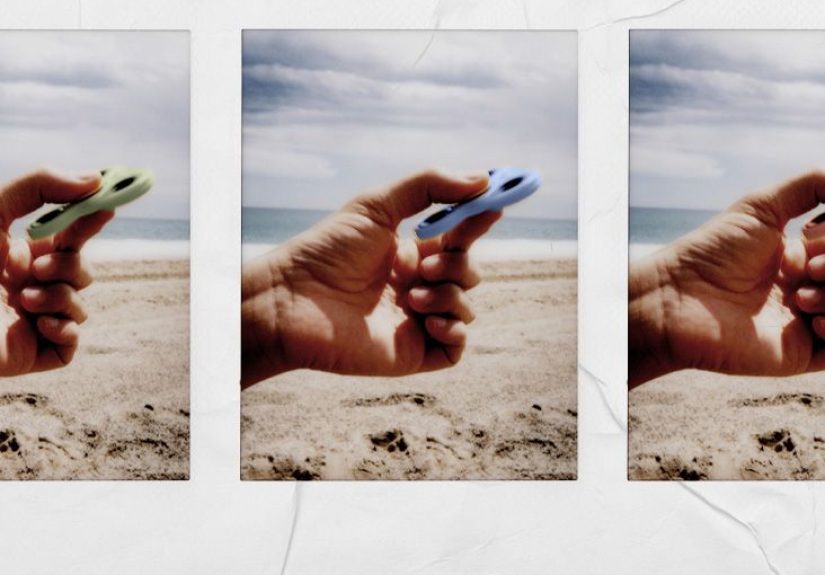
- 6) Visual/spinning fidgets (spinners, light-up, mesmerizing gadgets)
- 7) Oral/chew fidgets (chewelry, chewable pencil toppers)
- 8) Foot and movement fidgets (bands on chair legs, foot rollers, wobble cushions)
- Quick comparison: which fidget is most “focus-friendly”?
- What to look for when buying a fidget toy for ADHD
- Where to buy fidget toys in the United States
- Important: fidgets are not a replacement for ADHD treatment
- Safety, etiquette, and “please don’t launch it across the room”
- FAQ
- Conclusion
- Experiences related to fidget toys and ADHD (extra 500+ words)
If you’ve ever watched someone with ADHD turn a pen into a percussion instrument, you already know the plot:
the body moves so the brain can behave. Enter fidget toystiny gadgets that promise to help you focus,
stay calm, and maybe stop reorganizing the junk drawer during Zoom meetings.
So… do fidget toys help with ADHD? Sometimes. For some people, in some settings, with the right kind of fidget,
used the right way. For others, they’re just a very expensive way to get your work done 0% faster while spinning a
plastic helicopter in your hand.
This guide breaks down what research suggests, which fidget types are most ADHD-friendly, how to use them without
turning them into distractions, and where to buy good options in the United States.
(Friendly reminder: this is educational information, not medical advice.)
Do fidget toys help with ADHD?
The most accurate answer is: fidgeting can help attention for some people with ADHD, but
not all fidget toys helpand some can make attention worse.
Many researchers think certain types of movement can boost “just-right” arousal levels (think: keeping the brain
awake enough to listen, read, or finish a task). In that sense, fidgeting can act like background music for your
nervous system: not the main event, but a steady rhythm that makes the main event possible.
The catch: the toy has to stay in the “background.” If the fidget becomes the star of the showflashy, noisy,
visually demanding, or basically a pocket arcade gameyour attention may pack a suitcase and leave the building.
What the research says (and what it doesn’t)
1) Fidgeting itself may support attention
Multiple lines of research suggest that movement and fidgeting can be linked with better sustained attention for people with ADHD,
especially during boring or repetitive tasks. The idea is not “ADHD = can’t sit still,” but rather “movement may be part of how the brain self-regulates.”
That doesn’t mean everyone should fidget constantlybut it helps explain why forcing complete stillness can backfire.
2) Fidget toys are not automatically helpful
“Fidget toy” is a huge category, and the evidence is mixed depending on the device and the situation.
A classic example is the fidget spinner: one study of young children with ADHD found spinners were associated with
poorer attention in the classroom setting they measured. Meanwhile, a small single-case classroom study (three students)
found that, with clear rules and a structured approach, spinner use was linked to increased on-task behaviorthough even that study
raised practical concerns like whether work actually got completed.
Translation: the same object can be helpful, neutral, or harmful depending on who’s using it, how, when, and
what “success” means (more on-task behavior? better accuracy? less disruption? less anxiety?).
3) The best “fidget” may not be a toy at all
Some people do better with discreet, low-effort tools: a kneaded eraser, a quiet stress ball, a textured ring, a small piece of therapy putty,
or even subtle foot movement. If you’re shopping with ADHD in mind, the goal isn’t “most entertaining.”
The goal is “most supportive while staying boring.”
Who tends to benefit most from fidgets?
Fidgets are most likely to help when someone:
- Needs movement to stay alert (especially during listening, reading, or long meetings).
- Feels restless or keyed up and uses sensory input to calm down.
- Benefits from a “busy hand” so the mind can stay on the main task.
- Gets distracted by their own impulses (tapping, clicking, hair-twirling) and wants a safer substitute.
Fidgets may be less helpful (or actively unhelpful) if someone:
- Gets pulled into the fidget’s “mini-game” (spinning, solving, building, collecting).
- Is sensitive to sound and chooses something clicky (your coworkers may form a committee).
- Uses a fidget to avoid tasks entirely (we call this “productive procrastination’s chaotic cousin”).
- Is in a setting where fidgets create social conflict or classroom disruption.
How to use fidget toys effectively (without turning them into toys)
Here’s the rule of thumb: a fidget is a tool when it supports attention; it’s a toy when it steals attention.
To keep it in “tool mode,” try this:
Pick one goal
- Focus goal: stay on task longer, with fewer drift-offs.
- Regulation goal: reduce restlessness or stress.
- Replacement goal: swap disruptive habits (nail biting, pen clicking) for something quieter and safer.
Use the “Two-Minute Truth Test”
Set a timer for two minutes and start your task. If you notice you’re watching the fidget, fiddling with it like it’s a puzzle,
or thinking about it more than your work, it fails the test. Pick a simpler, quieter option.
Establish fidget rules (especially for kids in classrooms)
- It stays in hands or below desk level (not on display like a magic trick).
- No throwing, trading, collecting, or “show and tell.”
- If it becomes distracting, it takes a breakno drama, no shame.
- One at a time. A “fidget buffet” is just recess with extra steps.
Track results for a week
A real win should show up in real life: fewer reminders, more completed problems, less conflict, better meeting participation,
smoother transitions, or calmer emotions. If there’s no measurable benefit after a fair trial, it’s okay to move on.
The goal is function, not fandom.
Types of fidget toys for ADHD (and when they work best)
1) Squeeze fidgets (stress balls, foam, gel, “squishies”)
Best for: calming the body, reducing restlessness, replacing nail biting.
Look for: quiet materials, durable skin (some burst), easy-to-clean surfaces.
2) Putty and dough fidgets (therapy putty, kneadable erasers)
Best for: long listening tasks, reading, thinking work.
Watch out for: residue on desks/clothes; choose non-sticky, low-odor options for school/work.
3) Tactile/texture fidgets (worry stones, textured strips, sensory rings)
Best for: discreet stimulation and self-regulation.
Why they work: they don’t demand visual attentionyour hands get feedback while your eyes stay on the task.
4) Rolling and rubbing fidgets (thumb rollers, worry rings, small rollers)
Best for: meetings, lectures, commuting.
Bonus: many are nearly silent and can live in a pocket.
5) Clicking fidgets (cubes, switches, key-style clickers)
Best for: solo work in private spaces.
Not ideal for: classrooms, shared offices, libraries, or anywhere silence is a social contract.
If you’re buying for school, prioritize quiet over clicky.
6) Visual/spinning fidgets (spinners, light-up, mesmerizing gadgets)
Best for: short breaks, transitions, stress reliefsometimes for focus if used below eye level and without performance-mode spinning.
Caution: these are most likely to become distracting because they invite watching.
7) Oral/chew fidgets (chewelry, chewable pencil toppers)
Best for: people who chew to self-regulate (common in some kids and teens).
Safety notes: always follow age guidelines; choose chew items made for chewing (not random plastic).
Clean regularly, and replace when worn.
8) Foot and movement fidgets (bands on chair legs, foot rollers, wobble cushions)
Best for: those who need movement but want hands free.
Great for: classrooms and desk workespecially if hand fidgets become “toy-ish.”
Quick comparison: which fidget is most “focus-friendly”?
| Type | Noise Level | Visual Distraction Risk | Best Setting |
|---|---|---|---|
| Squeeze / stress ball | Low | Low | School, work, home |
| Putty / kneadable eraser | Low | Low | Home, reading, studying |
| Texture strip / ring | Very low | Very low | Meetings, class, travel |
| Clicking cube | Medium–High | Medium | Private spaces |
| Spinner / visual gadget | Low | High | Breaks, transitions |
| Foot band / wobble seat | Low | Low | Desks, classrooms |
What to look for when buying a fidget toy for ADHD
- Quiet first: If it clicks, clacks, or squeaks, it’s a “home fidget,” not a classroom fidget.
- Low visual demand: The more it invites watching, the more it competes with attention.
- Durability: Cheap fidgets break fastespecially stress balls and poppers.
- Washability: Kids + fidgets = sticky mysteries. Choose easy-to-clean materials.
- Safety: Avoid small parts for young children (choking hazard). Follow age recommendations.
- Sensory match: Some people love firm resistance; others need soft squish. Buy one or two testers before committing to a “variety pack” the size of a suitcase.
- Social fit: A discreet fidget reduces unwanted attention and classroom conflict.
Where to buy fidget toys in the United States
You’ve got three main shopping lanes: big retailers, online marketplaces, and specialty therapy/sensory suppliers.
Here’s how to use each wisely:
Big-box retailers
Stores like Target and Walmart often carry fidgets in toy aisles, classroom supply sections, or seasonal bins. The upside is easy returns and quick access.
The downside is that “trendy” items dominateso you’ll want to focus on quieter, simpler tools (stress balls, putty, texture items).
Online marketplaces
Amazon and similar sites offer massive variety, including discreet adult-friendly fidgets (rings, rollers, textured tools) and classroom packs.
Filter for keywords like quiet, silent, discreet, classroom-friendly,
and check reviews for “breaks after two days” warnings.
Office supply stores
Staples and similar stores sometimes carry desk-friendly stress tools and tactile items that look more “professional” than “toy.”
If you’re buying for work, this is often a sweet spot.
Specialty therapy and sensory suppliers
These sellers tend to offer more “tool-like” products (therapy putty, chair bands, sensory strips, chew tools with safety guidance).
They can be a great option for parents, teachers, and occupational therapy-informed choicesoften with better durability than bargain packs.
Local options
Educational supply stores, some pharmacies, and children’s museums/gift shops sometimes carry well-made sensory items.
Buying locally also lets you test texture and resistance in personwhich is surprisingly important for sensory preferences.
Important: fidgets are not a replacement for ADHD treatment
Fidget toys can be a helpful support, but they are not a stand-alone treatment for ADHD.
Evidence-based ADHD care often includes a combination of behavioral strategies, school supports, andwhen appropriatemedication.
If you’re choosing tools for a child, it can also help to coordinate with teachers and clinicians so supports are consistent across settings.
If a fidget helps someone stay on task, great. If ADHD symptoms are significantly impacting school, work, relationships, or mental health,
it’s worth talking to a licensed professional about a comprehensive plan.
Safety, etiquette, and “please don’t launch it across the room”
- Choking hazards: Avoid tiny parts and cheap breakable toys for young kids.
- Chew safety: Only use chew tools designed for chewing; replace when worn.
- Noise etiquette: If others can hear it, it’s not “discreet.”
- School rules: Many schools restrict certain fidgets. Ask what’s allowed and choose “tool-like” options.
- Hygiene: Clean regularlyespecially chew and hand fidgets shared across home/classroom environments.
FAQ
Are fidget toys recommended for ADHD?
Some clinicians and educators view fidgets as a reasonable support when they’re purposeful and measurably helpful.
But research doesn’t support a blanket “everyone with ADHD should use fidget toys” rule. The best approach is individualized trial and data:
does it improve focus, calm, or task completion in the real setting?
What’s the best fidget toy for ADHD at school?
Usually: quiet, low-visual toolsstress balls, therapy putty (if allowed), textured strips, simple sensory rings,
or under-desk options like chair bands. The best school fidget is the one nobody else notices.
Do fidget spinners help with ADHD?
For some individuals, under specific rules and settings, they might support on-task behavior.
But they’re also one of the most likely fidgets to become visually distracting, and some research has found negative effects on attention.
If you try one, keep it out of the visual spotlight and measure results honestly.
Conclusion
Fidget toys can help some people with ADHDespecially when they provide subtle sensory input that keeps the brain alert without hijacking attention.
The best fidgets are quiet, simple, and boring (said with love). The worst fidgets are flashy, noisy, and basically a tiny carnival ride.
If you want the highest odds of success: choose the right type, set clear rules, run a one-week experiment, and keep what works.
And if ADHD symptoms are significantly affecting daily life, treat fidgets as one tool in a bigger, evidence-based toolbox.
Experiences related to fidget toys and ADHD (extra 500+ words)
In real life, people rarely talk about fidget toys the way product listings do (you know: “UNLOCK 300% MORE FOCUS”).
What you hear instead is more human, more nuanced, and often unintentionally hilarious. Here are common patterns people report when they try fidgets
thoughtfullyat school, at work, and at home.
“My hands are busy, so my brain finally shows up.”
A frequent experienceespecially for teens and adultsis that a tiny, repetitive movement helps them stay present during listening tasks.
One person describes meetings as “trying to hold a slippery fish with oven mitts.” With a discreet roller or textured ring,
they stop reaching for their phone every 45 seconds. The fidget becomes a kind of off-ramp for impulsive behavior:
instead of scrolling, interrupting, or drifting, the hands do something simple while the mind stays on the conversation.
Kids often need a “tool lesson,” not just a toy
Parents and teachers commonly notice that fidgets work best after a short teaching moment.
When a child is handed a new fidget with no guidance, the first week can look like a traveling circus:
showing it to friends, trading it, dropping it dramatically, and discovering that it makes an amazing sound against a desk.
But when adults frame it as a focus toolwith rules like “hands only,” “below eye level,” and “put it away when you’re done”
the same child may settle into calmer, more consistent work time.
The “novelty effect” is real (and it is not your fault)
Many people report that the first few days feel magical: “I studied for 30 minutes straight!”
Then a week later, the fidget suddenly becomes… just another object. This isn’t failure; it’s normal.
Novelty boosts attention temporarily, especially for ADHD brains that crave stimulation. The best response is not buying 47 new fidgets.
It’s using the fidget as a support alongside habits that actually carry you: shorter task blocks, clear checklists, movement breaks, and realistic goals.
Sometimes the “best fidget” is invisible
A surprisingly common experience is realizing that hand fidgets aren’t the best matchespecially if they become distracting.
Some students and desk workers do better with under-desk movement: a chair band, a foot roller,
or a gentle rocking cushion. This keeps movement going without making the hands “too busy.”
People often describe it as easier to stay engaged because the motion is steady and automaticlike tapping your foot,
but with fewer glares from the person sitting next to you.
Fidgets can reduce stress even when they don’t “boost productivity”
Another honest report: “It didn’t make me faster, but I felt less on edge.”
For some, the biggest benefit is emotional regulationespecially during waiting, transitions, or stressful tasks.
A quiet squeeze tool can keep anxiety from climbing into the driver’s seat, which indirectly supports better follow-through.
People describe using fidgets in situations like doctor’s offices, car rides, long lectures, and before testsmoments when
the body is activated and attention is fragile.
What “success” looks like is personal
The most helpful real-world shift is redefining success. It might mean fewer teacher reminders, less conflict at homework time,
fewer chewed hoodie strings, or improved participationnot perfect stillness.
The best fidget setups are the ones that respect how ADHD brains work: movement is not always misbehavior.
Sometimes it’s the bridge that gets you from “I cannot do this” to “Okay, I can start.”
And honestly, if a small piece of putty helps you survive a meeting without reorganizing your entire future… that’s a win.