Table of Contents >> Show >> Hide
- Do Brides on Say Yes to the Dress Get Their Dresses for Free?
- Do Brides Get a Discount Just for Being on the Show?
- How the Say Yes to the Dress Shopping Process Works
- How Much Do Kleinfeld Wedding Dresses Cost?
- What Discounts Can Brides Actually Get at Kleinfeld?
- Why Do Some Episodes Make It Look Like Brides Get Deals?
- What Costs Should Brides Remember Besides the Dress?
- How Brides Can Save Money Without Waiting for a TV Miracle
- Should You Apply for Say Yes to the Dress to Save Money?
- Realistic Example: How a Dress Budget Can Change
- The Viewer’s Guide: What to Remember While Watching
- Extra Experience Section: What Brides Can Learn From the Discount Question
- Conclusion
Every episode of Say Yes to the Dress seems to come with three guaranteed ingredients: a nervous bride, a dramatic entourage, and a wedding gown that somehow makes everyone in the room forget how math works. One minute a bride says her budget is $3,000. The next minute she is floating out in a sparkling designer masterpiece that costs more than a used car with heated seats.
So naturally, viewers ask the same question again and again: Do brides get discounts on Say Yes to the Dress? Are the dresses free? Does TLC secretly cover the bill? Does Randy Fenoli wave a magic veil and turn a $12,000 gown into a $2,999 bargain? The short answer is: no, brides do not automatically get free or discounted dresses just because they appear on the show.
However, the real answer has a little more lace on it. Brides may still be able to save money through normal Kleinfeld Bridal opportunities such as trunk show discounts, sample sales, military discounts, financing options, or by shopping carefully within their budget. The show itself does not appear to be a coupon machine, but Kleinfeld has regular retail policies that can affect the final price.
Do Brides on Say Yes to the Dress Get Their Dresses for Free?
No. Brides featured on Say Yes to the Dress are generally expected to pay for the wedding gown they choose. Being filmed at Kleinfeld Bridal in New York City does not automatically turn the dress into a television prop or a free gift. If a bride says yes to a dress, she also says yes to the price tag, the deposit, the sales tax, and eventually the alterations bill. Romance is beautiful. Invoices are also very real.
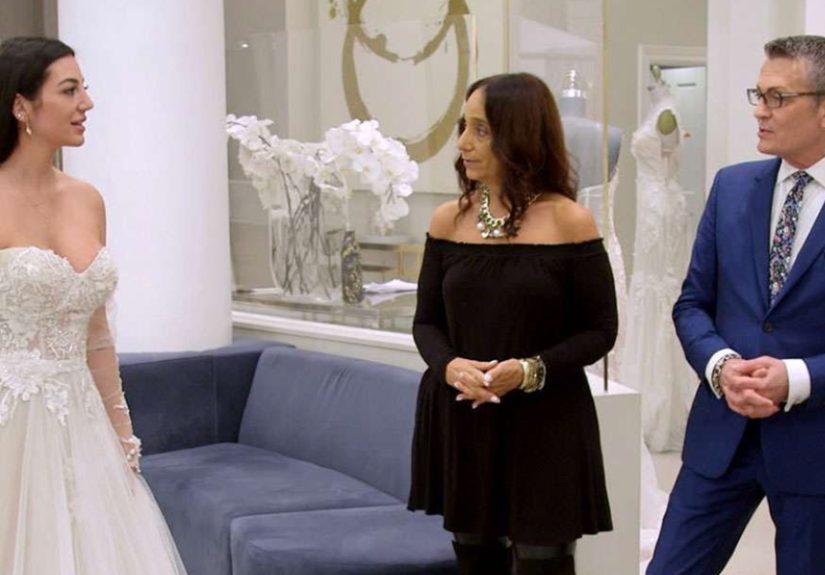
This surprises many fans because reality TV can make everything feel sponsored, staged, or magically handled off camera. But Say Yes to the Dress is built around real bridal appointments at Kleinfeld. The emotional reactions may be edited for television, but the buying process is still a luxury bridal shopping experience.
Do Brides Get a Discount Just for Being on the Show?
There is no standard public rule saying brides receive a discount simply for appearing on Say Yes to the Dress. In other words, the cameras do not automatically shave 20% off the gown. If that were true, half of America would be filling out casting applications before finishing their coffee.
The important distinction is this: a bride may receive a discount if her dress qualifies under an existing Kleinfeld promotion, trunk show offer, sample sale, or eligible special policy. But that is different from receiving a “TV bride discount.” The show may capture a negotiation, a designer event, or a special moment where the price changes, but viewers should not assume every bride walks away with a secret deal.
How the Say Yes to the Dress Shopping Process Works
1. Brides Apply or Are Cast
Brides who appear on Say Yes to the Dress typically go through a casting process. Kleinfeld has explained that the show evolved from spontaneous filming in the salon to a more formal process involving applications. This means brides are not usually random walk-ins who happen to be ambushed by a camera crew while holding a latte.
The casting process helps producers find brides with interesting stories, clear wedding timelines, strong personalities, unique dress goals, or family dynamics that make good television. A bride who says, “I want a nice dress and everyone agrees with me,” may be emotionally healthy, but she is not exactly a three-act drama.
2. Brides Must Be Honest About Their Budget
Kleinfeld encourages brides to come prepared with a realistic budget. This matters even more when filming because the stylist needs to pull gowns that make sense for the bride’s financial comfort zone. If a bride’s budget is $4,000, trying on a $15,000 gown can create a great TV momentbut it can also create a real-life financial headache.
On the show, consultants often ask about budget early. This is not just polite conversation. It helps them narrow the search, avoid heartbreak, and prevent the bride from falling in love with a gown that requires selling a kidney, a scooter, and possibly the family dog’s Instagram account.
3. Brides Try on Gowns With a Consultant
Kleinfeld is known for its consultant-led bridal appointments. Stylists ask about the wedding venue, personal style, silhouette preferences, family opinions, and the bride’s emotional vision for the day. The goal is not merely to find a pretty dress; it is to find a gown that fits the bride’s body, personality, wedding setting, and budget.
The salon carries a wide range of designer dresses, including luxury names and exclusive collections. Prices can vary widely depending on the designer, fabric, construction, embellishment, and level of customization.
4. If the Bride Buys, She Pays a Deposit
Kleinfeld’s current public payment guidance says an initial deposit is required when a bride formally orders a gown. The store has also explained that certain same-day purchases, such as sample sale gowns, require full payment at the time of purchase. In simple terms: saying yes is emotional, but it is also a financial commitment.
How Much Do Kleinfeld Wedding Dresses Cost?
Kleinfeld’s own budget guidance says many dresses start around the low thousands and can climb into the tens of thousands, with a smaller selection available at lower starting prices. That makes Kleinfeld a luxury bridal salon, not a bargain basement with chandeliers.
For comparison, national wedding cost reports often place the average U.S. wedding dress price far below many designer gowns seen on Say Yes to the Dress. This is why the show can feel so glamorousand occasionally terrifying. A bride might enter with a normal American wedding dress budget and suddenly be surrounded by gowns that look like they were sewn by angels with a corporate credit card.
What Discounts Can Brides Actually Get at Kleinfeld?
Trunk Show Discounts
A trunk show is a special event where a bridal salon features a designer’s collection, often for a limited time. Kleinfeld states that brides may benefit from a trunk show discount, commonly around 10% off eligible gowns during the event. This is one of the most realistic ways a bride might receive a discount at Kleinfeld.
For example, if a bride falls in love with a $6,000 gown during a qualifying trunk show and receives 10% off, that could reduce the dress price by $600 before taxes and other costs. That is not exactly “free dress” territory, but it is enough to make a budget-conscious bride breathe like she just found emergency chocolate in her purse.
Sample Sales
Kleinfeld hosts sample sales where brides can shop sample gowns and accessories at heavily reduced prices. These gowns are usually dresses that brides have tried on in the salon rather than brand-new made-to-order gowns. Sample sales can be a smart way to find a designer dress at a lower price, but they come with trade-offs.
Sample sale purchases are typically final sale, must be paid in full, and must be taken home immediately. Kleinfeld also notes that sample sale gowns may need alterations or repairs because they have been tried on repeatedly. In other words, a sample sale can be a fabulous deal, but it is not the time to bring indecisive energy and six relatives who all “just want to see one more option.”
Military Discounts
Kleinfeld publicly states that it offers a military discount for active-duty service members and veterans, with certain restrictions. This applies to eligible brides or future spouses and cannot always be combined with other offers. Some designers may restrict discounting, so brides should confirm details directly with the salon before assuming the discount applies to a specific gown.
Designer or Event-Based Opportunities
Occasionally, a bride may encounter a situation where a gown is connected to a designer event, trunk show, or special retail circumstance. This can create moments on the show where price becomes part of the drama. But again, that is not the same as a guaranteed Say Yes to the Dress discount.
Why Do Some Episodes Make It Look Like Brides Get Deals?
Television loves tension, and few things create tension faster than a dream dress that is over budget. A bride finds “the one,” everyone cries, the consultant says the price, and suddenly the room feels like someone unplugged the happiness machine.
Sometimes an episode may show a stylist, manager, or designer helping a bride explore options. Maybe there is a trunk show discount. Maybe a family member offers to contribute. Maybe the bride changes her budget. Maybe the consultant pulls a similar gown for less. These moments can look like the show itself is handing out discounts, but usually the explanation is more ordinary: retail policy, family contribution, or a different buying decision.
What Costs Should Brides Remember Besides the Dress?
Alterations
Alterations are one of the biggest costs brides forget when shopping for a wedding dress. Kleinfeld’s current budget guide lists a flat alterations fee for brides who choose to use Kleinfeld’s in-house alterations service. Brides are not required to use Kleinfeld alterations, but they should budget carefully no matter where they go.
Most wedding gowns need hemming, bustles, bodice adjustments, and shaping. A dress that looks almost perfect in the showroom still has to be tailored to move, sit, hug, support, and survive several hours of vows, photos, dinner, dancing, and possibly one uncle attempting the worm.
Accessories
Veils, headpieces, belts, jewelry, sleeves, toppers, shoes, and undergarments can add hundreds or even thousands of dollars. A bride may enter thinking only about the gown and leave realizing the veil has its own personality, lighting plan, and financial agenda.
Sales Tax and Shipping
Sales tax applies to merchandise, and shipping costs may apply depending on where the gown is sent. Brides shopping from outside New York should ask how tax, shipping, and timing will work before ordering.
Rush Fees or Customizations
If the wedding date is close or the bride wants significant changes, extra fees may apply. Custom sleeves, neckline changes, added beading, or rush production can quickly push the final number beyond the original dress price.
How Brides Can Save Money Without Waiting for a TV Miracle
Be Direct About the Budget
The best way to protect your budget is to say it clearly and early. If your maximum is $3,500, say whether that includes alterations and accessories or just the dress. A stylist cannot read minds, although after years in bridal fashion, some probably come dangerously close.
Ask About Trunk Shows Before Booking
If you love a specific designer, check whether Kleinfeld or another bridal salon is hosting a trunk show. A trunk show discount can make a meaningful difference, especially on higher-priced gowns.
Consider Sample Sales
Sample sales are best for brides who are decisive, flexible, and comfortable with final-sale purchases. They work especially well if you are open to different designers and can arrange outside alterations afterward.
Try Lower-Priced Dresses First
There is no rule saying the most expensive dress is the most beautiful. In fact, many brides are surprised when a simpler, lower-priced gown feels more comfortable, more flattering, and more “them” than the dramatic couture option.
Limit the Entourage
Too many opinions can become expensive. One person wants sparkle. One wants sleeves. One wants tradition. One wants drama. Suddenly the bride is trying on a gown that costs double the budget because Aunt Linda “just wants to see it for fun.” Aunt Linda is not always your financial advisor.
Should You Apply for Say Yes to the Dress to Save Money?
No. Apply because you love the show, have a compelling bridal story, and feel comfortable being filmed during a personal shopping experience. Do not apply because you expect a free gown or automatic discount. That is not how the process is publicly understood to work.
If your main goal is saving money, you will likely do better by shopping sample sales, attending trunk shows, exploring pre-owned designer gowns, comparing local bridal salons, and creating a full budget that includes alterations and accessories.
Realistic Example: How a Dress Budget Can Change
Imagine a bride sets a dress budget of $5,000. She tries on a $5,800 gown during a qualifying trunk show with a 10% discount. The discount lowers the gown price by $580, bringing it closer to $5,220 before tax. That still may be above the original budget once tax and alterations are included, but the discount can make the decision more realistic.
Now imagine another bride finds a $4,000 sample sale gown reduced to $2,000. That sounds amazing, but she must pay in full, take it home immediately, and arrange outside alterations. If alterations cost $900 and cleaning or repairs cost another $300, her real total becomes $3,200. Still a good deal? Possibly. But not as simple as the big red discount number makes it look.
The Viewer’s Guide: What to Remember While Watching
When you watch Say Yes to the Dress, remember that the show is entertainment wrapped around a real shopping appointment. The emotional journey is real, but so are the retail rules. A bride may cry over a gown, but someone still has to approve the payment.
That is part of what makes the show addictive. It is not just about fabric. It is about identity, family, pressure, confidence, budget, compromise, and the moment a bride sees herself clearly. The price tag is not a boring detailit is often part of the story.
Extra Experience Section: What Brides Can Learn From the Discount Question
The question “Do brides get discounts on Say Yes to the Dress?” is really a bigger question about wedding planning expectations. Many brides begin the dress journey with a fantasy version of shopping. They picture champagne, happy tears, perfect lighting, and a gown that appears like destiny. Then reality walks in wearing sensible shoes and carrying a calculator.
One useful experience for any bride is to separate the emotional budget from the actual budget. The emotional budget is what you say when you are calm at home: “I would never spend more than $3,000.” The actual budget is what gets tested when you are standing in front of a mirror wearing a gown that makes your mother cry and your best friend whisper, “This is it.” Both budgets matter, but only one gets charged to your card.
Another practical lesson is to define your “all-in” number before shopping. If you can spend $5,000 total, decide whether that includes the gown, tax, alterations, veil, shoes, shapewear, and accessories. Many brides make the mistake of treating the dress price as the entire fashion budget. Then the veil appears. Then the bustle. Then the alterations. Suddenly the “perfect dress” has brought four financially ambitious friends.
It also helps to shop with people who respect your money. A supportive guest does not pressure you to try on gowns wildly outside your budget “just for fun.” That kind of fun can be expensive. The best entourage understands that a bride should feel beautiful without feeling financially cornered.
Brides can also learn from the show that confidence sometimes beats extravagance. A heavily beaded designer gown may look spectacular on the hanger, but a lighter, simpler dress may feel better for the actual wedding day. Comfort matters. Movement matters. Sitting matters. Dancing matters. Being able to hug people without feeling like a museum exhibit definitely matters.
If you are dreaming of a Kleinfeld-style experience, prepare the way a smart shopper would. Bring inspiration photos, but stay flexible. Know your venue, season, preferred silhouettes, and non-negotiables. Tell your stylist what you can spend. Ask about upcoming trunk shows. Ask whether any samples are available. Ask what alterations might cost. Ask what happens if the gown arrives later than expected. A beautiful dress should not require mysterious financial fog.
Finally, remember that discounts are helpful, but they are not the only measure of a good purchase. A discounted gown that needs major repairs may not be better than a full-price gown that fits beautifully and requires minimal changes. A famous designer dress is not automatically better than a lesser-known gown that makes you feel comfortable, confident, and completely yourself.
The smartest bride is not the one who gets the biggest discount. It is the one who understands the full cost, makes a clear decision, and still feels joyful after the receipt prints. That may not be as dramatic as a TV reveal, but in real life, it is bridal gold.
Conclusion
So, do brides get discounts on Say Yes to the Dress? Not automatically. Brides featured on the show should expect to pay for the dress they choose, just like other Kleinfeld shoppers. The show may capture special situations, trunk show opportunities, family contributions, or budget drama, but appearing on television is not a guaranteed golden ticket to a free gown.
The good news is that brides can still shop strategically. Trunk shows, sample sales, military discounts, realistic budgeting, and open conversations with consultants can all help control costs. The best approach is simple: know your budget, include alterations and accessories, avoid emotional overspending, and remember that the right dress should make you feel amazing without making your bank account faint dramatically onto a velvet sofa.