Table of Contents >> Show >> Hide
- The Short Answer: CPAP Helps Sleep Apnea More Than It Helps the Scale
- Why Weight and Sleep Apnea Are So Tightly Linked
- What CPAP Actually Does
- Why People Assume CPAP Will Lead to Weight Loss
- What the Research Really Suggests
- Can Weight Loss Improve Sleep Apnea?
- The Best Strategy Is Usually Both, Not Either-Or
- What About Weight-Loss Medication and Bariatric Surgery?
- Should You Expect to Lose Weight After Starting CPAP?
- Practical Tips for People Using CPAP and Trying to Lose Weight
- Final Verdict: Is There a Connection?
- Common Experiences People Report with CPAP and Weight Loss
Synthesized from real U.S. medical and health sources, including: NHLBI/NIH, FDA, American Academy of Sleep Medicine, American Thoracic Society, Mayo Clinic, Cleveland Clinic, Johns Hopkins Medicine, Harvard Health, Sleep Foundation, and JAMA Network Open.
There is a certain kind of optimism that kicks in when someone finally gets diagnosed with obstructive sleep apnea and brings home a CPAP machine. They imagine better sleep, less snoring, fewer zombie mornings, and maybe, just maybe, a little bonus weight loss. After all, if bad sleep can mess with your appetite, energy, and workout motivation, wouldn’t fixing your sleep automatically help the pounds melt off?
That would be a lovely plot twist. Unfortunately, the human body rarely reads the script.
The real connection between CPAP machines and weight loss is more complicated than a simple before-and-after ad. CPAP can absolutely improve sleep apnea symptoms and help many people feel more human again. It may even create better conditions for healthier habits. But a CPAP machine is not a magic fat-burning helmet. In some people, weight stays the same. In others, it drops. And in a surprising number of cases, it can even creep up.
So, what is actually going on here? Let’s unpack the science, the common myths, and the practical truth about sleep apnea, CPAP therapy, and weight management.
The Short Answer: CPAP Helps Sleep Apnea More Than It Helps the Scale
If you want the quick version, here it is: CPAP treats the breathing disorder, not body fat directly. It keeps your airway open while you sleep, which reduces breathing interruptions, improves oxygen levels, and often lowers daytime sleepiness. That is a big deal. It can improve quality of life, mental sharpness, mood, and even some cardiovascular risk markers.
But when people ask, “Does CPAP help you lose weight?” the most honest answer is: not reliably on its own.
Some people do lose weight after starting CPAP because they finally have the energy to walk, meal prep, exercise, and make better decisions than inhaling drive-thru fries at 10 p.m. while half asleep. Others feel better but see no change on the scale. Some patients even gain a little weight, which sounds rude, but it is a pattern that has shown up often enough in sleep medicine research that doctors now talk about it openly.
Why Weight and Sleep Apnea Are So Tightly Linked
To understand whether CPAP and weight loss are connected, you have to understand the relationship between obesity and obstructive sleep apnea. They are deeply tangled together.
Excess weight, especially around the neck, tongue, and upper airway, can make the airway more likely to collapse during sleep. That is one reason obstructive sleep apnea is more common in people who are overweight or obese. On the flip side, untreated sleep apnea can make weight management harder by wrecking sleep quality, increasing daytime fatigue, and interfering with appetite regulation and metabolic health.
That creates a frustrating loop:
- You gain weight, and sleep apnea gets worse.
- Sleep apnea worsens sleep, hormones, and energy.
- Poor sleep makes it harder to lose weight.
- The cycle keeps spinning like a dryer full of bricks.
This is why doctors often recommend weight loss for sleep apnea and also treat sleep apnea directly with CPAP therapy, oral appliances, positional therapy, medication in selected patients, or surgery when appropriate.
What CPAP Actually Does
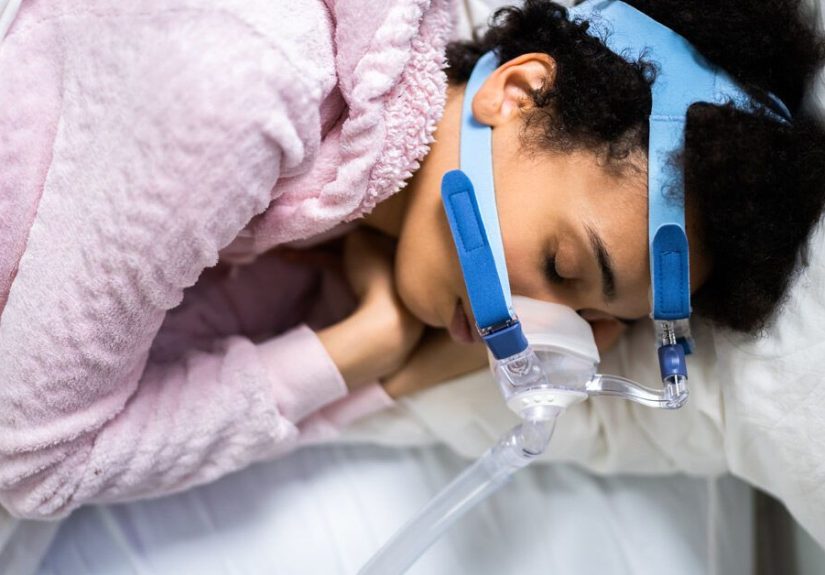
A CPAP machine delivers steady air pressure through a mask to keep the airway open during sleep. It does not burn calories. It does not speed up metabolism. It does not secretly judge your snack drawer. What it does do is fix one of the biggest mechanical problems in obstructive sleep apnea: airway collapse.
When CPAP works well and is used consistently, many people notice:
- less daytime sleepiness
- fewer morning headaches
- better concentration
- improved mood
- reduced snoring
- better blood pressure control in some cases
- more energy for daily life
Those improvements matter. A person who is no longer exhausted all day is more likely to move more, cook more, and stay consistent with healthy habits. So yes, CPAP can support weight loss indirectly. But that is very different from saying CPAP causes weight loss.
Why People Assume CPAP Will Lead to Weight Loss
The assumption is not random. It comes from a chain of logic that sounds pretty reasonable:
1. Better Sleep Should Improve Appetite Control
Poor sleep is linked with hunger, cravings, and messy food decisions. If CPAP improves sleep, many people expect appetite regulation to improve too.
2. More Energy Should Mean More Activity
When you are not dragging yourself through the day like a phone battery stuck at 4%, you may be more willing to exercise, take walks, or simply stay active.
3. Less Stress on the Body Should Improve Metabolic Health
Sleep apnea affects oxygen levels, stress hormones, insulin sensitivity, and cardiovascular strain. Treating it can help the body function better overall.
All of that is true enough to make the theory attractive. The problem is that bodies are messy, adaptive systems. Fixing one problem does not automatically solve every downstream issue.
What the Research Really Suggests
Research on CPAP and body weight has produced a mixed, sometimes surprising picture.
Here is the practical takeaway: CPAP is excellent for treating sleep apnea symptoms and improving sleep-related outcomes, but it is not consistently associated with weight loss. In fact, some studies and reviews suggest a small amount of weight gain after starting CPAP, especially when CPAP is not paired with a structured weight-loss plan.
That does not mean CPAP is bad. It means the machine is doing its job: improving nighttime breathing. The scale, meanwhile, is influenced by food intake, activity, hormones, muscle mass, medications, insulin resistance, age, and whether your idea of “portion control” involves a serving spoon the size of a canoe paddle.
Researchers have proposed several reasons why weight may stay flat or rise a little after starting CPAP:
- the body may expend less energy during sleep once labored breathing is corrected
- daytime fatigue improves, appetite returns, and some people eat more
- people may feel better but not change diet or exercise habits
- better hydration and recovery can affect body weight in the short term
So, if you were hoping CPAP would do the work while you sleep, it is best to think of it this way: CPAP improves the runway, but you still have to fly the plane.
Can Weight Loss Improve Sleep Apnea?
Yes, often significantly.
This is one of the clearest points in the whole discussion. For people with overweight or obesity, weight loss can reduce sleep apnea severity. In some cases, a meaningful drop in weight can lower the apnea-hypopnea index, improve symptoms, reduce pressure needs, and even make the condition mild enough that treatment options can be reconsidered.
But there are two important catches.
First, Weight Loss Does Not Automatically “Cure” Everyone
Some people still have sleep apnea after losing weight, because anatomy, airway structure, age, muscle tone, and genetics also play a role. That is why you should not stop CPAP just because your jeans fit better. A repeat sleep evaluation matters.
Second, Weight Loss Usually Works Best Alongside Treatment, Not Instead of It
If you have moderate to severe OSA, untreated sleep apnea can make weight loss harder. Using CPAP can improve energy and function right away while you work on the slower, harder part: lasting weight management for sleep apnea.
The Best Strategy Is Usually Both, Not Either-Or
The strongest real-world approach is usually a combination plan:
Use CPAP Consistently
Not “whenever I remember.” Not “on weekdays.” Not “except when I feel dramatic about the mask.” Consistent use matters. Sleep specialists generally want CPAP used every night and for the full sleep period whenever possible.
Build an Actual Weight-Loss Plan
That may include a reduced-calorie eating plan, resistance training, walking, better sleep routines, behavioral counseling, and support from a clinician or dietitian. This is where real scale change usually happens.
Address Barriers to CPAP Use
A leaky mask, dry nose, claustrophobia, wrong pressure settings, or poor fit can ruin adherence. If CPAP feels miserable, that is a fix-it problem, not a give-up problem.
Discuss Newer Medical Options if Appropriate
For eligible adults with obesity and obstructive sleep apnea, newer treatment pathways may include anti-obesity medication. This is a fast-changing area of care, and it belongs in a medical conversation, not in random internet folklore.
What About Weight-Loss Medication and Bariatric Surgery?
This is where the conversation has changed in a meaningful way.
For years, sleep apnea treatment discussions focused mostly on CPAP, oral appliances, surgery, and lifestyle changes. Now, weight-loss medication has entered the picture more directly for some patients with obesity and OSA. That matters because weight reduction can improve airway mechanics and sleep apnea severity, especially when obesity is a major driver of the condition.
Bariatric surgery can also be highly effective in selected patients, especially when obesity is severe and other methods have not worked. It may lead to substantial weight loss and meaningful improvement in OSA symptoms, though follow-up sleep testing is still important because not everyone becomes apnea-free afterward.
The big idea is simple: CPAP manages the nighttime breathing problem now, while weight reduction may change the long-term biology of the problem.
Should You Expect to Lose Weight After Starting CPAP?
Expect better sleep first. Expect the scale to be unpredictable.
A smart expectation looks like this:
- In the first few weeks, you may feel more alert and less foggy.
- Over a few months, you may have more capacity for exercise and routine.
- Weight loss is possible, but usually only if you pair CPAP with intentional lifestyle change.
- If your weight goes up slightly, do not assume CPAP “failed.” Look at your overall habits and health plan.
In other words, CPAP is treatment, not a diet plan. It makes healthy change easier for many people, but it does not replace the work.
Practical Tips for People Using CPAP and Trying to Lose Weight
Keep a Sleep and Energy Log
If your daytime energy improves after starting CPAP, use that new window wisely. Schedule walks, strength training, or meal prep when your energy is highest.
Check Mask Comfort Early
Mask problems can wreck consistency. A comfortable, well-fitted mask is not a luxury. It is part of treatment success.
Do Not Judge Progress by Weight Alone
Track sleep quality, blood pressure, waist size, stamina, and daytime alertness too. Health progress is often bigger than the number on the scale.
Retest If You Lose Significant Weight
If you lose a substantial amount of weight, talk with your clinician about whether pressure settings or treatment needs should be reassessed.
Avoid the “I Feel Better, So I Can Skip It” Trap
This is one of the sneakiest problems in CPAP treatment. People feel better, so they stop using the thing that helped them feel better. The irony is almost artistic.
Final Verdict: Is There a Connection?
Yes, there is a connection between CPAP machines and weight loss, but it is an indirect one.
CPAP does not reliably make people lose weight. What it often does is improve sleep, reduce fatigue, and give people a much better chance of following through on habits that actually move the scale. At the same time, real weight loss can improve sleep apnea, sometimes dramatically.
That is why the most accurate answer is not “CPAP causes weight loss” and not “CPAP has nothing to do with weight.” The truth sits in the middle: CPAP treats the sleep disorder, and better-treated sleep can support better weight management.
So no, a CPAP machine is not a tiny treadmill for your face. But it can be one of the most useful tools in a bigger strategy that helps you sleep better, feel better, and make the kind of daily choices that eventually change your health.
Common Experiences People Report with CPAP and Weight Loss
The following examples are representative experiences based on common themes around sleep apnea treatment and weight management, not individual medical records.
One very common experience is the “I finally have energy again” story. A person starts CPAP, and within a few weeks they are not nodding off at traffic lights, falling asleep on the couch at 7:30 p.m., or needing three coffees just to answer email. That extra energy becomes the missing ingredient for weight loss. They start walking after dinner, cooking more often, and saying yes to exercise because they no longer feel like a haunted office chair. In cases like this, CPAP did not directly cause fat loss, but it opened the door to behaviors that made weight loss possible.
Another common experience is disappointment with the scale. Someone expects the weight to drop quickly because their sleep is finally improving, but after a month or two, the number barely moves. This can feel unfair, because honestly, it is. They are using the machine, feeling somewhat better, and doing all the annoying responsible things adults are supposed to do. But unless food intake, activity, and overall routine change, weight may stay stable. For these people, the lesson is important: better sleep helps, but it is only one piece of the weight-loss equation.
Some people are surprised when they gain a few pounds after starting CPAP. This can be discouraging, but it does happen. Often the person is sleeping better, recovering better, and eating with a stronger appetite because they feel more normal again. In other cases, they assume the machine is “handling it” and become less intentional about diet. This does not mean CPAP is harmful. It means the breathing problem improved, while the weight problem still needed a separate plan. Once they add nutrition changes, walking, strength work, or clinical support, progress often becomes more consistent.
There is also the “combined strategy works best” experience. These are the people who use CPAP nightly and also tackle weight management in a structured way. They may work with a sleep specialist, primary care clinician, dietitian, or obesity medicine provider. Over time, they lose weight, snore less, feel sharper, and sometimes need lower CPAP pressures. They still do not stop treatment on their own, but follow-up testing may show their sleep apnea has improved. This group tends to do best because they are treating both the symptom loop and the root driver at the same time.
And then there is the long-game experience. Some people do not notice dramatic changes right away, but six months later they realize they are functioning differently. Their blood pressure is better. Their partner is no longer planning witness protection over the snoring. Their workouts are more regular. Their cravings are less chaotic because they are not running on broken sleep. The scale may move slowly, but their overall health moves in the right direction. That is often what successful CPAP treatment looks like in real life: not magic, not overnight, just meaningful progress that finally becomes sustainable.