Table of Contents >> Show >> Hide
- What Is the Sleepy Girl Mocktail (and Why Is Everyone Drinking It at 10:47 p.m.)?
- The “Why” Behind the Trend: What Each Ingredient Might Do
- So… Does It Work? The Science-Based Answer (with No Sparkly Filters)
- Safety Check: Who Should Be Cautious (or Skip It)
- How to Try the Sleepy Girl Mocktail (Without Overdoing It)
- Sleep Hygiene: The Unsexy Stuff That Works Shockingly Well
- Conclusion: Should You Try TikTok’s Sleepy Girl Mocktail?
- Bonus: Real-World Experiences With the Sleepy Girl Mocktail (500+ Words)
If you’ve been on TikTok anytime after dinner, you’ve probably met her: the Sleepy Girl Mocktail.
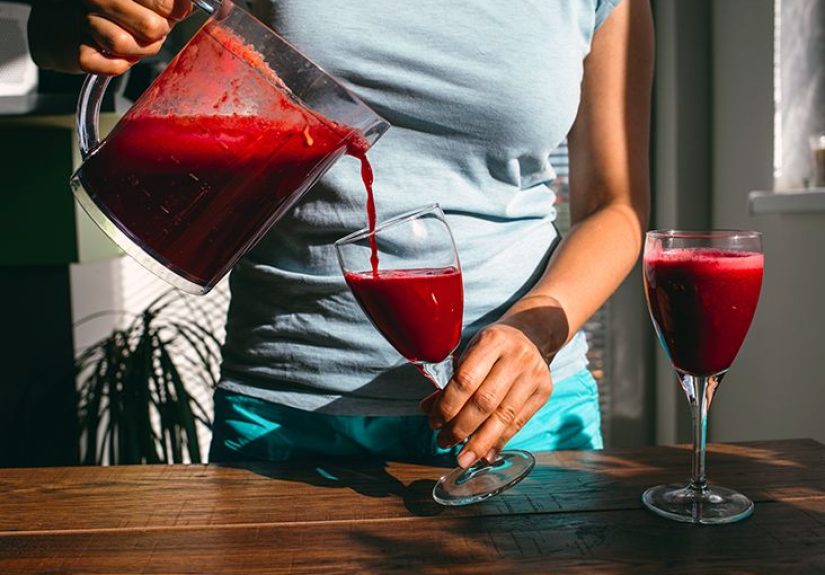
She’s bubbly, ruby-red, and allegedly powerful enough to tuck you in like a bedtime story. The claim is simple:
mix tart cherry juice, magnesium powder, and something fizzythen drift off into the kind of sleep where you don’t
wake up at 3:07 a.m. to rethink a conversation from 2016.
But does this viral “natural sleep aid” actually work, or is it just a delicious way to hydrate while you scroll?
Let’s break down what’s in the glass, what the science says, who should be cautious, and how to try it without
turning your nightly routine into a chemistry lab with ice cubes.
What Is the Sleepy Girl Mocktail (and Why Is Everyone Drinking It at 10:47 p.m.)?
The core recipe is usually some version of:
- Tart cherry juice (often ½ cup, sometimes more)
- Magnesium powder (a scoop or servingvaries wildly by brand)
- Something fizzy: sparkling water, seltzer, or a prebiotic soda
People tweak it like it’s a signature cocktail: squeeze of lime, a splash of lemon, extra ice, fancy glassware,
“because self-care,” etc. The goal is to drink it about 30–60 minutes before bed and let the ingredients
do their thing while you do yours (ideally: not answering emails).
The “Why” Behind the Trend: What Each Ingredient Might Do
TikTok trends aren’t required to pass clinical trials, but the Sleepy Girl Mocktail at least has ingredients that
show up in real sleep discussions. Here’s what’s happening under the hood.
1) Tart Cherry Juice: Small-Study Celebrity With a Melatonin Cameo
Tart cherries (often Montmorency cherries) contain naturally occurring melatonin and other compounds
linked to inflammation and recovery. That combination is why tart cherry juice pops up in both sleep and exercise
recovery conversations.
Research is not massive, but it’s interesting. Some small clinical studies have found improvements in measures
like total sleep time and sleep efficiency after tart cherry juice supplementation, particularly
in certain groups (like older adults with insomnia symptoms). In at least one study, people had measurable changes
in melatonin levels along with sleep improvements.
Important nuance: the amount of melatonin in tart cherry juice is typically tiny compared with common melatonin
supplement doses. So if tart cherry juice helps, it may be doing so through more than just melatoninpossibly
via anti-inflammatory effects or other sleep-related pathways. Translation: it’s not a melatonin pill in disguise.
It’s… fruit with benefits and a PR team.
2) Magnesium: Relaxation Reputation, Mixed Evidence
Magnesium is involved in a ton of body functions, including those related to the nervous system and muscle function.
In sleep-world, it’s often associated with relaxation, easing tension, and supporting healthy stress response.
Here’s the catch: while observational research often links better magnesium status with better sleep measures,
randomized trials on magnesium supplementation and insomnia-related outcomes have shown uncertain or mixed results.
That doesn’t mean it never helpsjust that it’s not a guaranteed “lights out” switch for everyone.
Also, “magnesium” is not one single thing. Common forms include citrate, glycinate/bisglycinate, oxide, and more.
Some are more likely to cause GI upset (hello, surprise bathroom trip), and different products contain different
amounts of elemental magnesium. The mocktail trend rarely stops to do the mathTikTok is brave like that.
3) The Fizz: Mostly Vibes (But Not Useless)
Sparkling water doesn’t directly sedate youunless you find bubbles extremely calming, in which case, respect.
Prebiotic soda adds a gut-health angle, and yes, gut and sleep are connected in broader health conversations.
But the strongest “sleepy” suspects in this drink are still tart cherry juice and magnesium.
So… Does It Work? The Science-Based Answer (with No Sparkly Filters)
The most honest answer is: it might help some people, a little, especially as part of an overall sleep routine
but it’s not a cure for chronic insomnia, and it’s not guaranteed to knock you out like a movie where someone
gets bonked on the head (please don’t try that at home).
Where it could help: If you’re mildly stressed, your bedtime routine is inconsistent, you’re low on magnesium,
or you respond well to a calming ritual, the mocktail can act like a “wind-down signal.” And a consistent wind-down
cue is genuinely valuable for sleep, even when the drink itself isn’t pharmacologically dramatic.
Where it won’t magically help: If your sleep problems come from untreated anxiety, sleep apnea, chronic insomnia,
reflux, late caffeine, alcohol, shift work, or doom-scrolling with the brightness set to “interrogation lamp,”
the mocktail is unlikely to be the hero of this story.
Safety Check: Who Should Be Cautious (or Skip It)
For many healthy adults, the Sleepy Girl Mocktail is probably low-risk when done sensibly. But “natural” doesn’t
automatically mean “for everyone” or “as much as you want.” A few watch-outs:
Be careful with magnesium dosage
Supplemental magnesium has a recognized upper limit for many adults because higher doses can cause
diarrhea, nausea, and cramping. And magnesium powders vary a lotone “tablespoon” from a random scoop
is not a standardized dose. If your mocktail turns into a midnight sprint, that’s not the sleep benefit you wanted.
Medication interactions can be real
Magnesium can interfere with absorption of certain medications (including some antibiotics and other drugs).
If you take prescription meds, it’s smart to ask a clinician or pharmacist before turning magnesium into a nightly habit.
Kidney issues are a big red flag
People with kidney disease should be especially cautious with magnesium supplements because the kidneys help regulate magnesium levels.
This is a “talk to your clinician first” situation, not a “TikTok said it was fine” situation.
Watch sugar and reflux triggers
Tart cherry juice contains natural sugars and can be acidic for some people. If you have reflux, you may find that
drinking juice close to bedtime backfires. If you’re monitoring blood sugar, consider smaller portions and choose
unsweetened tart cherry juice.
How to Try the Sleepy Girl Mocktail (Without Overdoing It)
If you’re curious, here’s a practical, more measured approach:
A “reasonable” starter recipe
- ½ cup unsweetened tart cherry juice
- 1 serving of magnesium powder (follow the labeldon’t freestyle with tablespoons)
- ½–1 cup sparkling water or seltzer
- Ice + optional squeeze of lime
Timing
Drink it 30–60 minutes before bed. Then do the boring-but-effective part: dim lights, reduce screens, and
let your brain get the hint that the party is over.
Run a mini “sleep experiment”
Try it for 7 nights and track:
- How long it takes to fall asleep
- How often you wake up
- How you feel the next morning
- Any GI effects (because magnesium can be… enthusiastic)
If the only change is that you now have a cute glass in your hand while you scroll, that’s still data.
Sleep Hygiene: The Unsexy Stuff That Works Shockingly Well
If sleep were a house, the mocktail is like a scented candle. Nice! But it won’t fix the foundation.
These habits are consistently supported by sleep experts and guidelines:
Keep a consistent sleep schedule
Going to bed and waking up around the same time trains your circadian rhythm. Your body loves a schedule
almost as much as your group chat loves drama.
Cut off caffeine earlier than you think
Caffeine can disrupt sleep even when taken hours before bedtime. Many sleep resources recommend stopping caffeine
well before evening (and yes, that includes “just a little iced coffee at 5 p.m.”).
Alcohol is a sneaky sleep-wrecker
Alcohol may help you fall asleep faster, but it can reduce sleep quality and make it harder to stay asleep.
A “nightcap” is often a sleep boomerang.
Make your room a sleep cave
Cool, dark, quiet. If your bedroom looks like a laptop showroom, your brain may not get the memo that it’s bedtime.
If insomnia is chronic, consider CBT-I
For ongoing insomnia, cognitive behavioral therapy for insomnia (CBT-I) is widely recommended as a
first-line treatment. It’s structured, evidence-based, and focuses on changing sleep-disrupting habits and thoughts.
It’s not as viral as a mocktail, but it has a much better résumé.
Conclusion: Should You Try TikTok’s Sleepy Girl Mocktail?
The Sleepy Girl Mocktail is not a miracle sleep cure, but it’s also not pure nonsense. Tart cherry juice has
some promising (if limited) research on sleep outcomes, magnesium may help certain peopleespecially if they’re
low in magnesium or prone to nighttime tensionand the ritual itself can be a powerful “wind-down cue.”
The smartest way to try it is to keep the dose reasonable, follow supplement labels, watch for stomach upset, and
treat it as a supporting characternot the main plot. If sleep issues are persistent, loud (snoring/gasping),
or messing with your day-to-day life, it’s worth talking with a healthcare professional or looking into CBT-I.
Bonus: Real-World Experiences With the Sleepy Girl Mocktail (500+ Words)
Since the mocktail blew up, people’s experiences have landed all over the mapfrom “I slept like a baby” to
“I learned my bathroom tiles have a pattern.” If you’re considering trying it, it helps to know what the range of
real-life outcomes can look like when a trend leaves the algorithm and enters an actual bedtime routine.
Experience #1: The “I Feel Calm, Not Comatose” Crowd. A lot of people describe the effect as subtle: less
mental buzzing, fewer stressy shoulder muscles, and a softer landing into bed. They don’t always get instantly sleepy,
but they feel more “unplugged.” For these folks, the mocktail works best when paired with the boring classics:
dim lights, quiet room, and no spicy doom-scroll right before sleep. The drink becomes a cuelike brushing teeth
that tells the brain, “We’re closing tabs now.”
Experience #2: The “It Worked… Until It Didn’t” Week. Some report a strong first-week honeymoon:
faster sleep onset, fewer wake-ups, maybe even a smug morning where they text a friend, “I’m a new person.”
Then life happenslate coffee, stressful work, irregular bedtimeand the mocktail seems less dramatic. That doesn’t
necessarily mean it “stopped working.” It may just mean the drink isn’t stronger than the rest of your habits.
Sleep is annoyingly holistic like that.
Experience #3: The “My Stomach Has Notes” Situation. Magnesium can be a blessing or a menace depending on
the form and dose. Some people find that certain magnesium powders make them gassy or send them to the bathroom.
In these cases, the mocktail doesn’t improve sleepit interrupts it. A common workaround is lowering the dose,
switching forms, or taking magnesium earlier in the evening instead of right before bed. The lesson: start small,
and don’t trust a random scoop size that came with a tub the size of a small ottoman.
Experience #4: The “I’m Sensitive to Sugar/Reflux” Group. Tart cherry juice tastes great, but for some people,
drinking juice late at night triggers reflux, throat irritation, or that “why am I awake and spicy?” feeling.
Others notice that sweetness close to bedtime doesn’t feel great. These folks tend to do better with a smaller
portion, a more diluted mix, or moving the drink earlierthink dessert time rather than lights-out time.
Experience #5: The Placebo-But-Who-Cares Effect. Sometimes the biggest benefit is the ritual:
a pretty glass, a consistent time, and a deliberate moment that replaces late-night snacking or one more episode.
Even if the physiological impact is modest, the behavior shift can be meaningful. And honestly, if it nudges you into
a calmer routine and you wake up feeling better, your brain doesn’t need to submit a peer-reviewed explanation.
Bottom line from the experience pile: the Sleepy Girl Mocktail can be a helpful supportespecially for relaxation
but it’s not a substitute for sleep hygiene, consistent schedules, or evidence-based treatment when insomnia is chronic.
Think of it as a bedtime accessory, not a sleep superhero cape.