Table of Contents >> Show >> Hide
- First: What people mean by “blood clot in the finger”
- Imágenes: What it can look like (and what to photograph)
- Causes: Why your finger might look “clotted”
- 1) Trauma (even minor)
- 2) Achenbach syndrome (paroxysmal finger hematoma)
- 3) Raynaud phenomenon (vessel spasm)
- 4) Arterial blockage: clot, embolus, or inflammation
- 5) Repetitive impact injury (Hypothenar Hammer Syndrome)
- 6) Smoking-related vessel disease (Buerger disease / thromboangiitis obliterans)
- 7) Medical risk factors that raise clot concerns
- Symptoms: benign-ish vs. “go now” red flags
- How clinicians diagnose a suspected finger blood clot
- Treatment: what helps depends on the cause
- What you can do to lower risk (without living in bubble wrap)
- FAQ: quick answers to common worries
- Conclusion
- Experiences: what it’s actually like (and what people wish they knew)
- The “I barely hit it!” bruise that looks like a crime scene
- The subungual hematoma: “My nail is a pressure cooker”
- The Achenbach surprise: “My finger turned blue while I was… folding laundry?”
- Raynaud in real life: the office A/C is the final boss
- The “tool hand” problem: when the hand becomes the hammer
- The universal lesson: take the red flags seriously, ignore the panic spiral
Your finger is swollen, tender, and has turned an alarming shade of blue-purplelike it’s trying to cosplay as a grape.
Naturally, you type “blood clot in finger” and end up in a rabbit hole where every symptom somehow means you should “seek emergency care immediately”
and also “just apply ice.” Cool. Very helpful, internet.
Let’s bring some sanity (and a little humor) to the situation. This guide breaks down what a finger “blood clot” can look like, what actually causes it,
how doctors sort it out, what treatment may involve, andmost importantlywhen you should stop Googling and get seen ASAP.
Spoiler: many scary-looking finger color changes are benign, but a few are not. Your job is to know the difference.
First: What people mean by “blood clot in the finger”
The phrase “blood clot” gets used for a few different problems that can look similar in a finger. Here are the usual suspects:
- Bruise/hematoma: blood leaks into tissue after minor trauma (sometimes you don’t even remember the trauma).
- Subungual hematoma: blood trapped under a nail after a crush injury (hello, dropped phone or slammed door).
- Achenbach syndrome (paroxysmal finger hematoma): sudden, dramatic bruising and swelling in a fingerusually benign and self-limited.
- Superficial thrombophlebitis: a small inflamed vein with a clot near the skin surface (more common in legs, but can occur in hands).
- Digital ischemia/arterial blockage: reduced blood flow from an artery spasm (like Raynaud phenomenon) or an actual arterial clot/embolus.
This is the category where urgency matters most.
So yes: you can have clot-like problems in a finger. But many “clot” complaints are actually bruising, vessel spasm, or nail traumanot a deep-vein clot
marching toward your lungs. (Fingers are dramatic. They’re small, but they have big feelings.)
Imágenes: What it can look like (and what to photograph)
Since you’ll likely search for images, let’s translate the common visual patterns in plain English. If you’re planning to message a clinician or go to urgent care,
taking clear photos can helpespecially if symptoms come and go.
Common visual patterns
- Blue/purple patch on the palm side of a finger (often near the middle joint):
This can match Achenbach syndromesudden pain, swelling, then bruising that looks intense but often resolves in days. - Dark blood under the nail with throbbing pressure:
Classic subungual hematoma after a pinch or crush injury. - Finger turns white/blue then red with cold or stress:
Typical Raynaud phenomenon color cycling due to vessel spasm. - Finger tip looks pale, bluish, or dusky and feels cold or numb:
Concerning for reduced arterial blood flow (digital ischemia). - Red, tender, cord-like area on the hand with localized swelling:
Can happen with superficial thrombophlebitis.
Quick photo checklist
- Take one photo in bright natural light and one indoors.
- Photograph both hands side-by-side for comparison.
- Include the fingertip and nail from multiple angles.
- If color changes come and go, note the trigger (cold, stress, repetitive gripping).
Causes: Why your finger might look “clotted”
1) Trauma (even minor)
A huge percentage of finger discoloration is just physics: you bump something, tiny vessels break, and blood leaks into tissue.
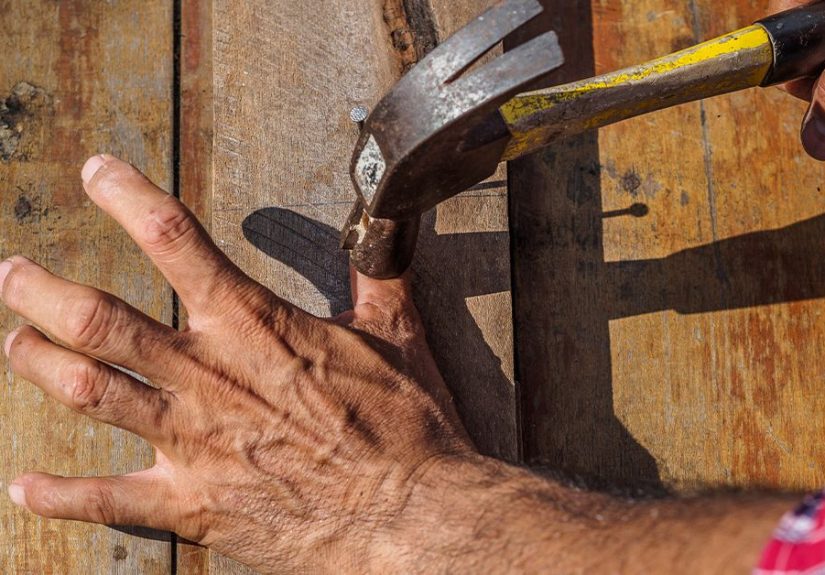
Sometimes it’s obvious (car door, hammer, rogue dumbbell). Sometimes it’s sneaky (tight rings, intense gripping, repetitive motion).
If the discoloration is under the nail and it throbs like a tiny drum solo, think subungual hematoma.
A clinician can sometimes relieve pain by draining trapped bloodthis is not a DIY moment.
2) Achenbach syndrome (paroxysmal finger hematoma)
This is the “my finger suddenly turned blue out of nowhere” condition. It often hits suddenly with pain or tightness, followed by bruising and swelling.
It can look horrifying and then… just goes away. The cause isn’t fully understood; it’s thought to involve fragile small veins/capillaries.
It’s generally considered benign, but the first episode still deserves evaluation to rule out look-alikes.
3) Raynaud phenomenon (vessel spasm)
Raynaud isn’t a clot, but it can absolutely make you think your finger is staging a medical drama.
Cold air, cold objects, or stress can trigger small blood vessels to clamp down, reducing blood flow.
Fingers may turn white or blue and feel numb, then become red and tingly as blood returns.
4) Arterial blockage: clot, embolus, or inflammation
This is the category you don’t want to ignore. An artery can be blocked by:
a clot forming locally, an embolus traveling from elsewhere (less common in fingers but possible),
or inflammation of blood vessels (vasculitis).
If the fingertip is cold, pale/blue, numb, and painfulespecially with a weak pulse or worsening symptomsurgent evaluation matters to prevent tissue damage.
5) Repetitive impact injury (Hypothenar Hammer Syndrome)
If you use the heel of your hand like a tool (construction work, jackhammer vibration, certain sports, repetitive pounding),
you can injure arteries in the hand. That can reduce blood flow downstream to the fingers and contribute to ischemic symptoms.
It’s uncommon, but it’s a real thingand a great reason to let tools be tools.
6) Smoking-related vessel disease (Buerger disease / thromboangiitis obliterans)
Heavy tobacco use can be associated with inflammatory vessel disease that reduces blood flow, often affecting hands and feet.
Symptoms can include cold, painful fingers or toes and color changes. This is one of those areas where quitting smoking isn’t just “healthy”
it can be the difference between ongoing damage and stabilization.
7) Medical risk factors that raise clot concerns
A true clotting disorder is less common than trauma or spasm, but clinicians think about it when symptoms are recurrent, unexplained,
or accompanied by other clots. Examples of risk factors include:
- History of blood clots (DVT/PE) or strong family history
- Cancer, recent major surgery, prolonged immobility
- Hormonal therapy (varies by person and situation)
- Autoimmune disease that affects vessels (some types of vasculitis, connective tissue disease)
- Heart rhythm problems like atrial fibrillation (can raise embolic risk)
Symptoms: benign-ish vs. “go now” red flags
Often less urgent (but still worth checking if new or severe)
- Bruising after a known bump or pinch
- Localized nail bruising after trauma
- A sudden blue patch that improves over hours to days (possible Achenbach)
- Color changes triggered by cold that resolve with warming (possible Raynaud)
Urgent: seek emergency care now
Get urgent help (ER/911 depending on severity) if you have signs of acute loss of blood flow or a serious clot elsewhere:
- Severe finger/hand pain with pale/blue color that’s worsening
- Cold finger with numbness/tingling that doesn’t rapidly improve
- Finger weakness, inability to move it normally, or loss of sensation
- No improvement with warming and symptoms are escalating
- Any symptoms suggesting a clot has affected the lungs/heart/brain:
sudden trouble breathing, chest pain, fainting, or stroke warning signs (face droop, arm weakness, speech trouble)
If you’re on blood thinners, have a known clotting disorder, have severe unexplained symptoms, or your finger looks dusky/black at the tip,
treat it as urgent. Fingers do not get “a little gangrene” as a quirky personality trait.
How clinicians diagnose a suspected finger blood clot
Diagnosis usually starts with the story: when it began, what triggered it, whether you’ve had trauma, whether it comes and goes,
and whether you have risk factors. Then a physical exam checks warmth, capillary refill (how fast color returns after pressing the skin),
sensation, and pulses.
Common tests (depending on suspicion)
- Ultrasound/Doppler to assess blood flow and look for clots in vessels
- Blood tests if clotting issues or inflammation are suspected (your clinician decides which)
- Imaging (sometimes CTA/MRA/angiography) if arterial blockage is suspected and urgent treatment is needed
- Evaluation for Raynaud triggers and possible underlying causes if episodes are frequent or severe
The goal is not just to name what’s happeningbut to separate the “looks scary, harmless” bucket from the “looks scary, time-sensitive” bucket.
Medicine is basically a high-stakes sorting hat.
Treatment: what helps depends on the cause
Home care for bruises and minor hematomas
- Rest: reduce repeated irritation.
- Ice: short sessions, cloth barrier, especially in the first day or two.
- Elevation: helps reduce throbbing and swelling.
- Pain relief: use OTC options as appropriate for you (ask a clinician if you take blood thinners or have kidney/stomach issues).
- Remove tight rings early if swelling is increasing (don’t wait for the “ring-shaped regret” stage).
Subungual hematoma (blood under the nail)
If pain is intense or the collection is large, a clinician may drain it with a simple procedure.
Do not try to drill your own nail. Your finger is not a home improvement project.
Achenbach syndrome
Treatment is usually supportive: reassurance, pain control, and monitoring.
Because it can mimic more serious problems, a first episode is still worth medical evaluationespecially if you have unusual symptoms, repeated events,
or vascular risk factors.
Raynaud phenomenon
First-line management is often lifestyle:
keep hands warm, avoid rapid temperature changes, and reduce triggers like smoking.
If symptoms are frequent/severe, clinicians may consider medications that help blood vessels relax.
If Raynaud is secondary to another condition, treating the underlying problem matters.
Superficial thrombophlebitis (small surface vein clot/inflammation)
Management may include warm compresses, elevation, and anti-inflammatory measures depending on the situation.
A clinician may evaluate whether any additional clot risk needs to be addressed.
Arterial blockage / digital ischemia
This is where treatment can get more urgent and more specialized. Depending on cause and severity, care may involve:
- Medications (antiplatelet agents or anticoagulants in selected cases)
- Vasodilator therapy if spasm is a major driver
- Procedures to restore blood flow (in severe or persistent cases)
- Work-up for underlying sources (heart rhythm issues, vessel inflammation, structural problems)
The takeaway: if your fingertip seems to be losing blood supply, time matters. The goal is to restore flow and prevent tissue injury.
What you can do to lower risk (without living in bubble wrap)
- Protect your hands: gloves for cold, gloves for impact, gloves for “I swear I can move this heavy thing alone.”
- Warm up Raynaud-prone hands: keep hand warmers, wear mittens, avoid grabbing frozen items barehanded.
- Stop smoking: especially important if you have circulation symptoms in fingers/toes.
- Manage medical risks: follow your plan for blood pressure, diabetes, cholesterol, and any clotting conditions.
- Know your meds: if you’re on anticoagulants, understand bleeding vs clot warning signs and when to seek care.
FAQ: quick answers to common worries
Can a blood clot in my finger travel to my lungs?
Most finger issues people call “clots” are bruises or local problems and don’t embolize.
Dangerous traveling clots typically involve deep veins (like DVT) or certain heart conditions.
That said, if you have symptoms like shortness of breath, chest pain, fainting, or stroke signs, seek emergency care immediately.
How long should finger bruising/swelling last?
Minor bruises often improve within days, but discoloration can linger longer.
Achenbach episodes may improve over several days. Nail bruising can take weeks to months to fully grow out.
If symptoms are worsening, not improving, or you have numbness/coldness, get evaluated.
Is a blue finger always Raynaud?
No. Raynaud tends to be triggered by cold or stress and often comes with distinct color changes and numbness.
Persistent discoloration with pain, coldness, or reduced sensation can suggest reduced blood flow that needs urgent evaluation.
Conclusion
A “blood clot in the finger” can mean many thingsfrom a simple bruise or nail hematoma to vessel spasm (Raynaud) to rarer but urgent arterial blood-flow problems.
The visual drama doesn’t always match the medical danger, but certain red flags do matter: severe pain, coldness, numbness, and a pale/blue fingertip that worsens.
If you’re unsure, it’s always reasonable to get checkedespecially if it’s new, severe, or recurring.
Experiences: what it’s actually like (and what people wish they knew)
Reading medical descriptions is helpful, but lived experience is often what makes the situation click. Here are common real-world patterns people describe
(shared as composite scenariosbecause your finger deserves privacy, and so do you).
The “I barely hit it!” bruise that looks like a crime scene
Someone bumps their finger on a countertop edgenothing dramatic, no screaming, no slow-motion replay. A few hours later, there’s a deep purple blotch,
mild swelling, and tenderness. The surprise isn’t the pain; it’s the color, which looks like the finger got into a bar fight and lost.
People often worry about a clot because the bruise feels firm. In many cases, it’s simply pooled blood under the skin after small-vessel injury.
What they wish they’d known: bruising can spread and darken before it improves, and elevation early can reduce throbbing.
The subungual hematoma: “My nail is a pressure cooker”
A classic story: a heavy object lands on the fingertip, or a door closes with perfect villain timing. Within minutes to hours, the nail becomes dark red or black.
The pain can be intensepeople describe it as a heartbeat trapped inside the nail. Many learn (the hard way) that online “drain it yourself” suggestions are a trap.
What helps: getting evaluated when pain is severe, especially if there may be a fracture or the nail is significantly involved.
What they wish they’d known: prompt medical drainage (when appropriate) can dramatically reduce pain, and waiting too long may reduce the benefit.
The Achenbach surprise: “My finger turned blue while I was… folding laundry?”
This one rattles people because it feels random. They’re doing something ordinarytyping, cooking, cleaningand suddenly feel pain or tightness in a finger.
Then a blue-purple patch appears, often on the palm side, sometimes with swelling. The finger can look alarming, like circulation has been cut off,
but the fingertip may still be warm and functional. Many report that it resolves within days.
What they wish they’d known: it can be benign, but the first episode still deserves a professional look to rule out arterial problemsespecially if the fingertip is cold,
numb, or increasingly painful.
Raynaud in real life: the office A/C is the final boss
People with Raynaud often say the trigger isn’t just winterit’s air conditioning, freezer aisles, or holding an iced drink.
A finger (or several) turns pale or bluish and feels numb, then tingles and flushes red as it warms. The weirdest part is how fast it can happen.
People learn to keep gloves in places that seem ridiculous (desk drawer, car, gym bag), because prevention is easier than chasing symptoms.
What they wish they’d known: stress can trigger episodes too, and warming the whole bodynot just the fingercan help end an attack sooner.
The “tool hand” problem: when the hand becomes the hammer
Some folks notice fingertip coldness or color changes after months or years of vibrating tools or repetitive impact on the heel of the hand.
It may start as occasional tingling or a finger that “falls asleep,” then progress to more consistent symptoms with certain activities.
What they wish they’d known: protecting the hand early (padding, technique changes, breaks, gloves) can matter, and persistent fingertip color changes are worth a vascular evaluation.
The universal lesson: take the red flags seriously, ignore the panic spiral
Across nearly all experiences, two themes show up. First: people underestimate how much a simple bruise can look like a catastrophe.
Second: people sometimes overestimate how long they can “wait it out” when the fingertip is cold, numb, and worsening.
A practical approach many find helpful is a quick self-check: Is the finger warm? Can I feel touch normally? Is the color improving with warming and elevation?
If the answers are “no,” or symptoms are rapidly escalating, it’s time for urgent carenot another hour of doom-scrolling.