Table of Contents >> Show >> Hide
- What Are Chocolate Revel Bars?
- Why People Love Chocolate Revel Bars So Much
- The Anatomy of a Great Chocolate Revel Bar
- How to Make Chocolate Revel Bars Successfully
- Common Mistakes That Can Ruin the Vibe
- Variations Worth Trying
- How to Serve Chocolate Revel Bars
- Storage Tips
- Why Chocolate Revel Bars Still Deserve a Spot in Modern Baking
- Experiences With Chocolate Revel Bars: Why People Keep Coming Back to Them
Some desserts whisper politely from the corner of the table. Chocolate Revel Bars do not. These glorious bars walk into the room like they own the bake sale, the potluck, and possibly your willpower. With a chewy oatmeal base, a rich chocolate center, and a craggy top that looks charmingly homemade, they land somewhere between an oatmeal cookie, a fudge brownie, and the kind of family dessert recipe that gets splattered with vanilla and handed down anyway.
If you have never made Chocolate Revel Bars before, here is the short version: they are wonderfully chewy, deeply chocolatey, and almost impossible to stop eating once you “just trim one edge.” That edge turns into another edge, and suddenly you are conducting quality control on half the pan. It happens. Science probably has a word for it.
What makes these bars so enduring is that they feel both nostalgic and practical. They are easy to transport, easy to slice, and easy to adapt. Need a crowd-pleasing dessert for a school event? Done. Want something cozy for a weekend baking project? Perfect. Need a dessert that tastes like somebody’s favorite childhood memory? These bars are showing up with rolled oats and excellent intentions.
What Are Chocolate Revel Bars?
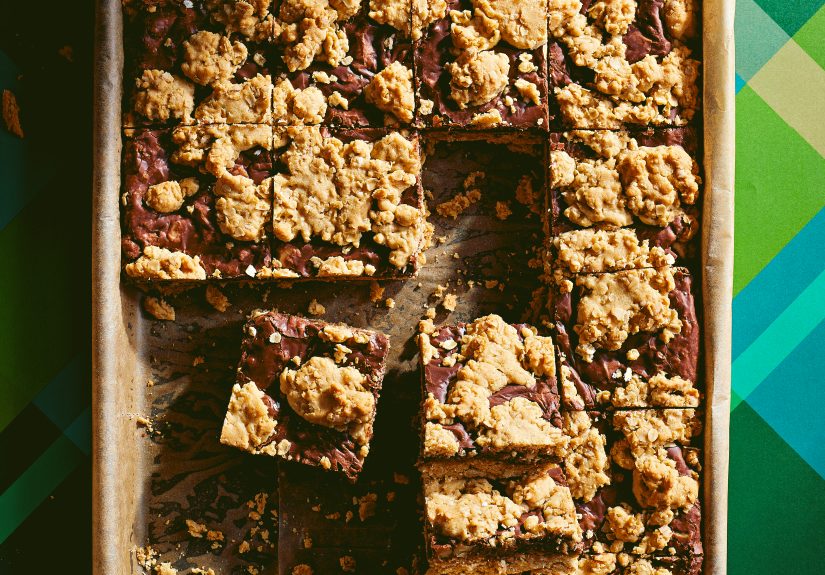
Chocolate Revel Bars are classic layered dessert bars made from two main parts: an oat-based dough and a chocolate filling. The dough usually includes butter, brown sugar, flour, oats, eggs, vanilla, and a little baking soda for lift. Part of that mixture is pressed into the pan as the base, the chocolate filling goes over it, and the remaining dough is dotted or crumbled on top before baking.
The result is not a neat, sharp-edged pastry shop square. It is better. These bars have texture. The bottom is sturdy but tender, the center is soft and fudgy, and the top has those rustic little clumps that practically announce, “Yes, I was made in a real kitchen by a real person who values dessert.” In other words, charming.
You will also notice that Chocolate Revel Bars are often associated with old-school American home baking. They fit right into the world of lunchbox treats, church suppers, cookie exchanges, and handwritten recipes on index cards. They are not flashy, but they are memorable. And honestly, that is a more impressive achievement.
Why People Love Chocolate Revel Bars So Much
The first reason is texture. A good Chocolate Revel Bar gives you contrast in every bite: chewy oats, silky chocolate, a little crunch from chopped nuts if you use them, and just enough structure to hold together without turning into a fork situation. Nobody wants to explain to guests why a bar cookie needs a spoon.
The second reason is flavor. Brown sugar adds a warm, almost caramel-like sweetness to the oat layers, while semisweet chocolate keeps the filling rich without becoming sugary chaos. Vanilla rounds everything out, and walnuts, when included, add a slightly bitter, earthy note that keeps the whole thing balanced.
The third reason is flexibility. Some bakers prefer quick oats for a more uniform, classic texture. Others like old-fashioned oats for a heartier chew. Some add peanut butter to the filling, others lean into caramel, and some swap walnuts for pecans, almonds, or no nuts at all. These bars are classic enough to respect tradition and forgiving enough to tolerate creativity.
The Anatomy of a Great Chocolate Revel Bar
The Oat Layer
This is the backbone of the dessert. It should taste like the love child of an oatmeal cookie and a soft crumble topping. Butter matters here because it creates richness and helps the dough bake into a tender but sliceable layer. Brown sugar brings moisture and a deeper flavor than white sugar alone. Oats are the star, giving the bars their identity and chew.
The Chocolate Filling
This is where the magic happens. In many classic versions, the filling is made by gently melting semisweet chocolate with sweetened condensed milk, plus a little butter and vanilla. That combination creates a filling that is glossy, thick, and smooth rather than dry or chalky. It bakes into a soft fudge layer that firms up beautifully as the bars cool.
The Top
The top should not completely hide the chocolate. In fact, one of the defining visual cues of great Chocolate Revel Bars is that peekaboo look, where bits of oat dough sit on top like little islands over a chocolate sea. It is rustic, inviting, and way more appealing than a top layer pressed flat like drywall.
How to Make Chocolate Revel Bars Successfully
The method is simple, but a few small moves make a big difference.
Start by preparing the pan well. A lined pan makes removal easier and cleaner. If you have ever tried to pry sticky dessert bars from a pan with the determination of an archaeologist, you already know why this matters.
Mix the oat dough just until combined. You want a cohesive dough, not something beaten into submission. Overmixing can toughen the structure and make the bars less tender.
Press the base firmly. A loose bottom layer can lead to crumbly bars. Press the dough down evenly so the filling has a stable foundation.
Melt the filling gently. Low heat is your friend. Chocolate can become grainy or scorched if rushed. This is not the time for a dramatic, high-heat shortcut.
Do not overbake. This is the big one. Chocolate Revel Bars often still look slightly soft in the center when they come out of the oven. That is normal. They continue setting as they cool. Pulling them at the right moment is the difference between fudgy and fabulous versus dry and disappointing.
Cool completely before slicing. Yes, this requires patience. No, staring at the pan will not speed things up. Clean slices come after the bars have had time to settle and firm up.
Common Mistakes That Can Ruin the Vibe
Using the wrong milk product. Sweetened condensed milk is essential in many traditional versions because it adds both sweetness and body. Evaporated milk is not the same thing, and the bars will absolutely notice.
Skipping the firm press on the base. If the bottom layer is too loose, the bars may crumble when cut. This is not a personality flaw in the dessert. It is a structural issue.
Adding too much top dough. The top should be dotted, not plastered on. If you completely bury the chocolate, you lose that beautiful layered look and some of the texture contrast.
Cutting too early. Warm bars are delicious, but warm bars are also messy. If you want squares instead of abstract chocolate geography, wait.
Variations Worth Trying
Once you understand the classic, there is plenty of room to play.
Peanut Butter Chocolate Revel Bars
Add peanut butter to the chocolate filling for a richer, candy-bar-style version. This move makes the bars taste a little more indulgent and a little more dangerous in the best possible way.
Caramel-Inspired Revel Bars
If you love layered oat bars like carmelitas, adding caramel notes can push these bars into extra-decadent territory. A little sea salt on top can help balance the sweetness beautifully.
Nut-Free Chocolate Revel Bars
Walnuts are classic, but they are optional. If you need a nut-free batch, simply leave them out or replace the crunch with toasted seeds or crushed pretzels for a salty twist.
Dark Chocolate Version
Swap some or all of the semisweet chocolate for dark chocolate if you prefer a more grown-up flavor. This is a smart move if you like desserts that taste rich rather than sugary.
How to Serve Chocolate Revel Bars
These bars are versatile enough to fit almost any dessert moment. Serve them slightly warm with coffee for an afternoon treat, chilled for a firmer and fudgier bite, or at room temperature for the classic bake-sale texture. They also pair beautifully with vanilla ice cream if you are feeling theatrical.
For parties, cut them into small squares because they are rich. For family gatherings, cut them into larger bars because people will come back for seconds anyway. This is not pessimism. This is pattern recognition.
Storage Tips
Chocolate Revel Bars store well, which is one more reason bakers love them. Keep them in an airtight container once fully cooled. If you want the neatest stack, place parchment between layers. They can stay delicious for several days in the refrigerator, and they also freeze well for longer-term dessert planning. Bring chilled bars closer to room temperature before serving if you want the softest texture.
That said, the biggest storage challenge is often not temperature. It is protecting the bars from the people you live with.
Why Chocolate Revel Bars Still Deserve a Spot in Modern Baking
In a world full of towering layer cakes, over-decorated cookies, and desserts designed mainly to be photographed from twelve angles, Chocolate Revel Bars remain gloriously practical. They do not need a blowtorch. They do not require imported ingredients with names that sound like jazz musicians. They simply deliver.
They are the kind of dessert that rewards home bakers with a high success rate and rewards eaters with an even higher happiness rate. They feel nostalgic without being outdated, flexible without being fussy, and indulgent without demanding an all-day baking marathon.
If you are looking for a dessert that tastes homemade in the best sense of the word, Chocolate Revel Bars belong near the top of your list. They are chewy, gooey, deeply chocolatey, and just rugged enough to feel approachable. In other words, they are the dessert equivalent of a favorite sweater: dependable, comforting, and suspiciously hard to share.
Experiences With Chocolate Revel Bars: Why People Keep Coming Back to Them
One of the most interesting things about Chocolate Revel Bars is how often people describe them with emotion before they describe them with ingredients. They do not usually say, “I enjoy the balance of oats and semisweet chocolate.” They say, “My aunt made these every Christmas,” or “We used to bring them to every school fundraiser,” or “I had one at a friend’s house and immediately asked for the recipe before I left.” That tells you something important: these bars are not just tasty, they are memorable.
For a lot of home bakers, the experience begins with the smell. As the oatmeal layer bakes and the brown sugar warms up, the kitchen starts smelling like a cookie shop that got a little extra confident. Then the chocolate joins the party, and suddenly the whole room feels cozier. Even before the bars are cut, they have already done half their job.
There is also a very specific joy in making a dessert that looks impressive without acting difficult. Chocolate Revel Bars have that magic. When people see the layered structure and glossy filling, they assume you worked much harder than you actually did. That is one of baking’s greatest pleasures: looking wildly competent while holding a spatula and pretending this all happened effortlessly.
They are also a dessert that seems to improve social situations almost immediately. Put a plate of Chocolate Revel Bars on a break-room table, and suddenly coworkers become friendlier. Bring them to a family gathering, and the conversation shifts from weather complaints to dessert appreciation. Share them with neighbors, and you have effectively baked your way into being remembered as the nice one on the block.
Then there is the personal experience of eating one. The first bite usually starts with the chew of the oat layer, then the chocolate hits, and for a brief moment everything else on your to-do list becomes emotionally irrelevant. Good bars do that. Great bars make you hide one for later. Chocolate Revel Bars are often the “hide one for later” kind.
Maybe that is why they endure. They are not trendy, but they are reliable. They do not need reinvention to stay appealing. They fit equally well at holiday tables, casual dinners, office parties, and random Tuesday nights when life feels rude and only chocolate can respond appropriately. Baking them feels comforting, sharing them feels generous, and eating them feels like an excellent decision.
And really, that may be the whole secret. Chocolate Revel Bars are not trying to become the internet’s newest dessert obsession. They are simply being delicious, dependable, and impossible to forget. Honestly, that is a pretty enviable brand strategy for a pan of bars.