Table of Contents >> Show >> Hide
- What Is a Digital Drive Bike?
- How These Chainless Bikes Actually Work
- Why Companies Are So Interested in Chainless Electric Power Transmission
- Real Examples of Digital Drive Bikes in the Wild
- The Biggest Advantages of Digital Drive Bikes
- The Downsides Nobody Should Pretend Away
- Who Are These Bikes Best For?
- Will Chainless Digital Drive Bikes Replace Regular Bikes?
- Experience: What Riding and Living With a Digital Drive Bike Could Feel Like
- Conclusion
- SEO Tags
For more than a century, bicycles have relied on one gloriously simple idea: your legs turn the pedals, the chain moves, and the rear wheel obeys. It is elegant, efficient, and stubbornly hard to beat. So of course engineers looked at that setup and thought, “What if we made it weirder?” Enter the chainless digital drive bike, a machine that swaps mechanical power transmission for electrical power transmission.
In plain English, these bikes do not send your pedaling force to the wheel through a chain or belt. Instead, your pedals drive a generator. That generator creates electricity. The electricity feeds a motor. The motor turns the wheel. It sounds a little like asking a translator to translate another translator, but there is real logic behind it. Supporters say this system can reduce maintenance, open up radically different bike designs, and create a smoother, software-controlled riding experience.
So are chainless digital drive bikes the future of urban mobility, or are they just the bicycle equivalent of putting Wi-Fi in a toaster? The honest answer is somewhere in the middle. The idea is fascinating, the benefits are real, and the trade-offs are impossible to ignore. Let’s break it all down.
What Is a Digital Drive Bike?
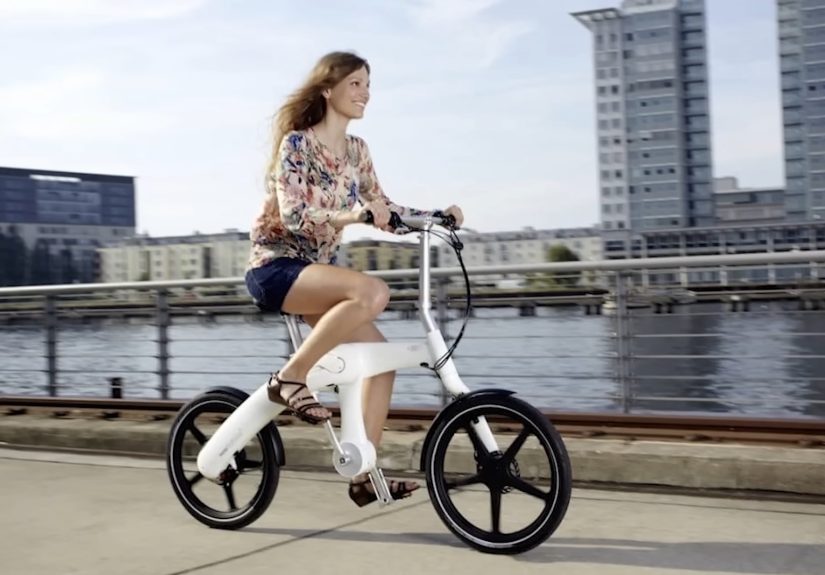
A digital drive bike is a bicycle or e-bike that uses electric power transmission instead of a direct mechanical drivetrain. On a standard bicycle, your effort moves through physical parts such as a chain, chainring, cassette, and derailleur. On a digital drive system, your effort becomes electricity first, and only then becomes motion at the wheel.
That distinction matters because not every chainless bike is a digital drive bike. Some “chainless” designs use a shaft drive. Others use belts instead of chains. A true digital drive bicycle is different: it turns pedaling into electrical energy and then uses a motor to provide propulsion.
Think of it as a bike with a tiny power plant between your feet. Charming, slightly nerdy, and definitely the sort of thing that makes engineers grin at trade shows.
How These Chainless Bikes Actually Work
The pedals power a generator
When you press down on the pedals, you are not spinning a chainring that tugs a chain. You are spinning a generator mounted around the crank area. That generator creates electrical energy from your pedaling effort. In many digital drive systems, software can tune the resistance so the pedal feel stays more consistent than on a conventional bike.
The electricity moves through wires, not gears
Once your effort becomes electricity, the bike sends that energy through cables to the motor. The motor, usually in the hub, converts electrical energy back into mechanical force and turns the wheel. If the bike produces more electricity than it needs at that moment, the surplus can be stored in the battery for later use.
The battery becomes part of the drivetrain conversation
This is where things get especially modern. A chainless digital drive bike is not just hardware. It is hardware plus software. The system can balance rider input, battery support, cadence preferences, terrain changes, and power delivery in real time. In theory, that means smoother assistance, more flexible tuning, and a ride feel that can be tailored to commuter comfort rather than old-school drivetrain logic.
Why Companies Are So Interested in Chainless Electric Power Transmission
The biggest appeal is not that digital drive bikes are more romantic than a regular bike. Let’s be honest, they are not. The real appeal is design freedom.
On a normal bike, the frame has to respect the chain line. If you are building a cargo bike, that can become a headache. Long chains can slap, get dirty, require tensioning, and force designers into awkward frame shapes. Remove the chain, and suddenly the bike no longer has to be built around a metal leash running from pedals to wheel.
That is a huge deal for cargo e-bikes. When the drivetrain becomes electrical instead of mechanical, designers can lower the load floor, change wheel layouts, and create frames that are easier to step through and easier to use in delivery settings. For urban fleets, that can mean a more practical bike with fewer wear parts and less downtime.
That is why so much early excitement around digital drive systems has centered on commercial and cargo use rather than weekend fitness riders in neon socks. Cargo operators care deeply about reliability, service intervals, and daily usability. They are less likely to weep over a few lost percentage points of pedaling purity.
Real Examples of Digital Drive Bikes in the Wild
The most talked-about system in this space is Schaeffler Free Drive, a so-called bike-by-wire platform developed with electric-drive specialist Heinzmann. It replaces the chain connection with a pedal generator, motor, battery, and interface system. The pitch is simple: fewer wear parts, configurable pedaling feel, and far more freedom in bicycle architecture.
One of the most practical use cases has been in cargo bikes. Schaeffler has highlighted fleet-scale production of Free Drive-equipped cargo applications, and BAYK showed its BRING cargo bike using the system. That makes sense because commercial bikes suffer the most from long chains, awkward routing, and frequent maintenance.
Another example is mocci, which describes its product as a smart pedal vehicle with a digital chainless drive unit. The idea is similar: pedals drive a generator, the generator powers the electric motor, and the bike skips the conventional chain or belt drivetrain entirely.
In other words, this is no longer just a sketch on a napkin from a caffeine-fueled mobility conference. Digital drive bikes are still niche, but they are real.
The Biggest Advantages of Digital Drive Bikes
1. Less drivetrain mess
Traditional bike chains are wonderfully efficient, but they are not exactly dignified. They need lubrication. They collect grime. They wear out. They can stain your pant leg at the exact moment you are trying to look employable. A digital drive system removes the classic chain-and-cassette mess from the equation.
2. Lower maintenance potential
Because there are fewer conventional drivetrain wear parts, digital drive bikes have the potential to reduce routine drivetrain service. For fleet operators, that matters a lot. Less chain wear, less adjustment, less cleaning, and less replacement can translate into lower operating costs over time.
3. Flexible frame design
This is the showstopper. Without a chain path to protect, engineers can experiment with frame geometry, load layout, and wheel configurations in ways that standard bike architecture makes difficult. That is particularly useful for delivery bikes, adaptive mobility vehicles, and multi-wheel urban transport platforms.
4. Tunable pedal feel
Because the generator resistance is electronically managed, brands can shape the riding experience. A bike can be tuned to feel smoother, steadier, or more supportive at low speed. That opens the door to rides that feel less like shifting gears and more like interacting with a smart system that quietly adapts to you.
5. Potential energy recovery
Some digital drive concepts also emphasize storing excess generated energy in the battery and enabling forms of recuperation. On paper, that sounds deliciously futuristic. On the road, it can be useful in certain settings, especially where stop-and-go riding or frequent descents are part of the daily routine.
The Downsides Nobody Should Pretend Away
Efficiency is the elephant wearing cycling shoes
Here is the catch: converting human power into electricity and then back into wheel motion introduces losses. A conventional chain drivetrain is famously efficient. A digital drive system gives up some of that efficiency because every energy conversion extracts a toll. That means range, battery size, and ride feel become more complicated than on a normal bike.
In short, a chainless digital drive e-bike may be cleaner and cleverer, but it is not a free lunch. The universe still charges interest.
More electronics means more system complexity
Yes, you remove mechanical parts. But you also add sensors, control logic, power electronics, wiring, and software dependencies. That is great when everything works beautifully. It is less charming when troubleshooting requires diagnostic tools instead of a rag, a multitool, and mild profanity.
Price remains a barrier
Cutting-edge drivetrains rarely debut at bargain-bin prices. Digital drive bikes are still early-stage products, and early-stage products tend to cost more. That is especially true when they target premium commercial use cases or futuristic urban mobility concepts.
The ride may feel unfamiliar
Some riders love the idea of a consistent, software-managed pedal feel. Others want the direct, mechanical sensation of power going straight from legs to wheel. Those people are not wrong. Cycling has always had a deeply tactile appeal, and digital drive changes that experience in a meaningful way.
Who Are These Bikes Best For?
Right now, the strongest case for digital drive bikes is not the weekend road warrior. It is the urban cargo rider, the delivery fleet, the shared-mobility operator, and the commuter who cares more about simplicity than mechanical tradition.
If you manage a fleet, the benefits are obvious: fewer messy wear parts, flexible design, and potentially reduced service headaches. If you are a city rider who hates chain stains, hates maintenance, and hates anything that sounds like a bag of silverware when you hit a pothole, a digital drive bike sounds pretty appealing too.
But if you are chasing maximum efficiency, minimal weight, and the clean mechanical feel of a traditional bicycle, you will probably keep side-eyeing these bikes from across the bike rack. Respectfully. Skeptically. Possibly while polishing your chain.
Will Chainless Digital Drive Bikes Replace Regular Bikes?
Probably not. At least not broadly.
Traditional chains remain cheap, proven, repairable, and extremely efficient. That is a brutal combination to compete against. The standard bicycle drivetrain is not hanging on by nostalgia alone. It is hanging on because it works incredibly well.
What is more likely is that digital drive bicycles carve out their own lane. They make the most sense in urban logistics, specialty mobility platforms, premium commuter concepts, and designs where architecture matters as much as raw efficiency. In those settings, the trade-offs may be completely worth it.
So no, the bicycle chain is not headed for the museum just yet. But it may have to scoot over and make room for a smarter, cleaner, more experimental cousin.
Experience: What Riding and Living With a Digital Drive Bike Could Feel Like
The experience of using a chainless digital drive bike is likely to feel less like riding a traditional bicycle and more like interacting with a carefully programmed mobility device. That is not an insult. In the right setting, it is a compliment. Instead of the little soundtrack of chain movement, derailleur chatter, and occasional drivetrain grumbling, the ride can feel unusually quiet. For commuters, that silence can be delightful. You hop on, start pedaling, and the bike responds in a smooth, almost appliance-like way. No greasy chain brushing your ankle. No quick pre-ride glance to see whether the drivetrain looks like it spent the night wrestling in a mud pit.
For delivery riders and cargo users, the biggest day-to-day experience may be convenience. A bike designed without a long chain path can be easier to step through, easier to load, and easier to build around practical needs. If you are carrying boxes, groceries, tools, or a child seat, the layout matters. A lower cargo floor or cleaner frame shape is not just a design flex; it changes how stable and approachable the bike feels during real use.
There is also a psychological difference. A conventional bike asks you to think mechanically. You notice gear changes, chain cleanliness, sprocket wear, and shifting behavior. A digital drive system asks you to think functionally. Does the bike feel smooth? Is the assist natural? Is the battery management doing its job? The focus moves from hardware fuss to software experience.
That said, not every rider will fall in love on the first date. Cyclists who enjoy the direct connection of muscle-to-wheel power may find digital drive a little detached. It can feel like your effort is being interpreted before it becomes motion, rather than delivered instantly through metal parts. Some riders will call that refined. Others will call it weird. Both reactions are fair.
Maintenance experience is another interesting piece of the story. For a rider who dreads chain cleaning, drivetrain replacement, and surprise grease tattoos on office clothes, digital drive could feel liberating. For a hands-on cyclist who likes fixing things at home, the shift from mechanical simplicity to electronic complexity may feel like a loss. Swapping a worn chain is one thing. Diagnosing a sensor issue is another.
Over time, the ideal user experience will probably come down to expectations. If you want a bicycle that feels classic, lively, and mechanically honest, you may prefer a normal drivetrain forever. If you want a cleaner, quieter, lower-fuss machine built for urban life, digital drive starts to make a lot of sense. It may not deliver the romance of old-school cycling, but it offers something many modern riders secretly want even more: fewer hassles, fewer stains, and a commute that just works.
Conclusion
Chainless digital drive bikes are not just a gimmick with a sci-fi haircut. They solve real problems, especially for urban cargo and fleet use. By turning pedal effort into electricity and then back into propulsion, they remove the traditional chain drivetrain and unlock new possibilities in bike design, maintenance, and ride tuning.
Still, they come with trade-offs. Efficiency losses, higher complexity, and likely higher prices mean they are not about to bulldoze conventional bicycles out of existence. What they can do is open a compelling new category: bikes that are cleaner, more configurable, and more practical for certain modern mobility needs.
So if the classic chain-driven bike is the dependable cast-iron skillet of transportation, the digital drive bike is the smart induction cooktop: sleek, clever, and a little expensive, but very attractive when it fits your lifestyle. The future of biking may not be chainless for everyone, but for the right riders, electric power transmission instead of a chain is starting to look a lot less strange and a lot more smart.