Table of Contents >> Show >> Hide
- What Counts as a “Toddler Bed” (and Why That Matters)
- Quick Picks: 10 Toddler Beds That Earn Their Keep
- 1) Best overall “this looks like real furniture” pick: Pottery Barn Kids Toddler Shelter Bed
- 2) Best value wood bed: Dream On Me Austin Toddler Day Bed
- 3) Best budget classic: Delta Children Canton Toddler Bed
- 4) Best for a clean, modern nursery: Oeuf Perch Toddler Bed (premium)
- 5) Best “my kid will actually get excited for bedtime” pick: Delta Children Character/Theme Beds (Cars, etc.)
- 6) Best “crib-to-bed without buying a whole new bed” option: Convertible crib + toddler rail
- 7) Best for small rooms: Minimalist toddler beds with open sides + guardrails
- 8) Best for independence: Montessori-style floor bed (crib-mattress or twin)
- 9) Best for long-term value: Low twin platform (toddler-friendly “big bed”)
- 10) Best for siblings and shared rooms (only if age-appropriate): Low bunk options
- How to Choose the Best Toddler Bed for Your Home
- When to Transition to a Toddler Bed
- Set Up for Success: Toddler-Proof the Sleep Zone
- FAQ: Quick Answers Parents Actually Want
- Real-World Toddler Bed Experiences (Extra )
- Conclusion
- SEO Tags
The toddler-bed era is a weirdly specific slice of parenting: your child is suddenly tall enough to escape a crib, emotionally committed to saying “NO” like it’s their full-time job, and physically capable of doing parkour off a stuffed dinosaur at 2:14 a.m. So you need a bed that’s safe, easy to get in and out of, and sturdy enough to survive bedtime gymnasticswithout making your home look like a cartoon explosion (unless that’s your vibe).
This guide breaks down the best toddler bedswhat to buy, what to skip, and how to choose a bed that works for your space, your budget, and your tiny, determined roommate. You’ll also get real-world setup tips and a bonus 500-word “what it’s actually like” section at the endbecause product descriptions don’t mention the part where your toddler insists the guardrail is a ladder.
What Counts as a “Toddler Bed” (and Why That Matters)
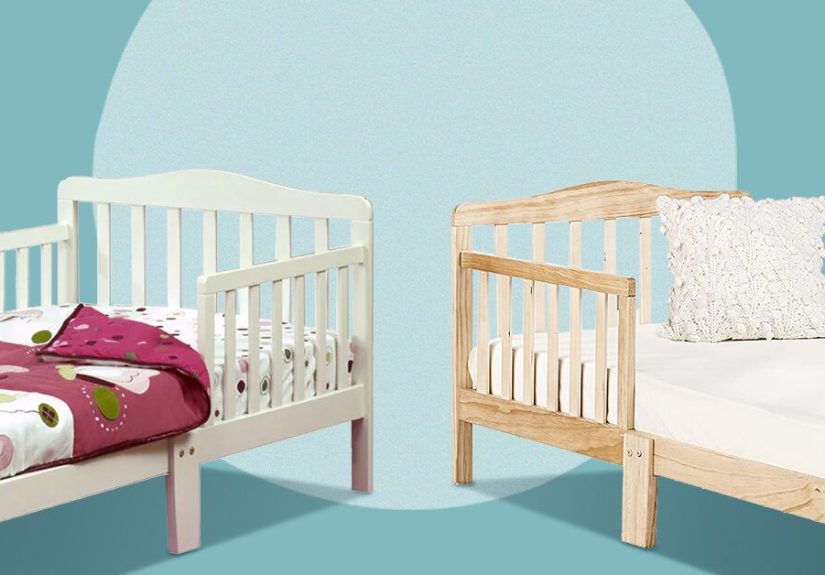
A classic toddler bed is essentially a “big kid bed” scaled down to fit a standard crib mattress. It sits low to the floor, usually includes built-in guardrails, and is designed for toddlers who can climb in and out independently. Translation: fewer dramatic crib escapes, more independence, and a smoother transition than jumping straight to a tall twin.
That said, many families use “toddler bed” to mean any toddler-friendly setup: a low twin platform, a Montessori-style floor bed, or a convertible crib turned into a toddler bed with a toddler rail. Those can be great options tooespecially if you want something that lasts longer than the toddler years. The key is choosing a setup that’s developmentally appropriate, safe, and practical for your home.
Quick Picks: 10 Toddler Beds That Earn Their Keep
Below are strong, widely loved choices across price points and styles. I’m not pretending there’s one “perfect bed” for every child toddlers are adorable little variables who change requirements every 48 hoursbut these picks cover the most common needs.
1) Best overall “this looks like real furniture” pick: Pottery Barn Kids Toddler Shelter Bed
- Best for: Families who want a sturdy, classic toddler bed that doesn’t scream “temporary phase.”
- Why it works: Cozy silhouette, substantial build, and a “storybook” look that still plays nicely with grown-up décor.
- Watch-outs: Premium price. If your toddler treats bed frames like jungle gyms, anchor nearby furniture and keep the room clear.
2) Best value wood bed: Dream On Me Austin Toddler Day Bed
- Best for: Parents who want a solid wood-style look without paying heirloom prices.
- Why it works: Daybed vibe, built-in rails, and typically rated for the classic toddler-bed weight limit range.
- Watch-outs: Measure your spacedaybed-style frames can feel bigger than minimalist toddler beds.
3) Best budget classic: Delta Children Canton Toddler Bed
- Best for: Straightforward transition from crib to bed with minimal wallet drama.
- Why it works: Low height, built-in guardrails, uses a crib mattress, and it’s widely available.
- Watch-outs: Budget beds can be lighterfollow the assembly instructions closely and re-tighten hardware after the first week.
4) Best for a clean, modern nursery: Oeuf Perch Toddler Bed (premium)
- Best for: Minimalist design lovers and families prioritizing materials and longevity.
- Why it works: Modern lines, thoughtful construction, and a style that can outlast the toddler aesthetic phase.
- Watch-outs: Premium cost. If budget is tight, you can get the “clean look” with a simple low platform bed, too.
5) Best “my kid will actually get excited for bedtime” pick: Delta Children Character/Theme Beds (Cars, etc.)
- Best for: Toddlers who believe bedtime is a conspiracy unless it involves their favorite character.
- Why it works: Low-to-the-ground design + guardrails + a theme that can make bedtime feel like a win, not a negotiation.
- Watch-outs: Themes can age fast. If you want longer use, go neutral on the bed and let sheets do the “character” work.
6) Best “crib-to-bed without buying a whole new bed” option: Convertible crib + toddler rail
- Best for: Families with a convertible crib and a compatible toddler conversion kit/rail.
- Why it works: Familiar sleep surface, familiar room layout, and usually the least disruptive transition.
- Watch-outs: Only use the manufacturer’s approved conversion partsthis is not the moment for “close enough.”
7) Best for small rooms: Minimalist toddler beds with open sides + guardrails
- Best for: Tight spaces, shared bedrooms, or anyone who wants maximum floor space for play.
- Why it works: Slim profiles and simpler footprints help you keep the room functional.
- Watch-outs: Make sure rails are secure and the mattress fit is snug (no gaps).
8) Best for independence: Montessori-style floor bed (crib-mattress or twin)
- Best for: Kids who want autonomy and parents who want fewer falls from height.
- Why it works: Very low profile, easy in/out, encourages self-directed bedtime habits.
- Watch-outs: “Freedom” also means “freedom to roam.” Childproof the room like it’s the whole house.
9) Best for long-term value: Low twin platform (toddler-friendly “big bed”)
- Best for: Families who want to skip the short-lived toddler-bed size and go straight to a bed they’ll use for years.
- Why it works: Twin bedding is easy to find, and you avoid buying two beds in quick succession.
- Watch-outs: Avoid improvised rail solutions. Choose a toddler-appropriate, low-height frame and follow safety guidance.
10) Best for siblings and shared rooms (only if age-appropriate): Low bunk options
- Best for: Families who truly need to save space and have children old enough to use bunks safely.
- Why it works: Big space savings. Low bunks can reduce height risk compared to standard bunks.
- Watch-outs: Always follow manufacturer minimum age guidance for top bunksthis is a safety non-negotiable.
How to Choose the Best Toddler Bed for Your Home
1) Safety first: guardrails, gaps, and mattress fit
Toddler beds should feel boringly safe. Look for built-in guardrails (or a manufacturer-approved toddler rail), smooth edges, and a stable frame that doesn’t wobble when you sit on it to read Goodnight Moon for the 400th time.
The biggest safety theme you’ll see repeated across consumer safety guidance is fit: the mattress should sit snugly in the frame with no “mystery gaps.” If you can wedge more than a couple fingers in a gap, that’s a sign you should re-check compatibility, assembly, and the correct mattress size.
2) Know your size strategy: crib mattress now vs. twin later
Most traditional toddler beds use a crib mattress, which is convenient because you may already own one. That also means your child keeps a familiar sleep surface while the “big change” is simply getting in and out independently.
The tradeoff is lifespan: toddler beds are often outgrown earlier than a twin. If you’re trying to minimize purchases, a low twin platform or a twin floor bed can be a smarter long-term play. If you want the easiest transition, a crib-mattress toddler bed often wins.
3) Materials and finishes: what to prioritize
Parents often look for low-VOC finishes and third-party certifications (such as GREENGUARD Gold) when choosing nursery furniture. Certifications can be a helpful shorthand, but don’t stop there: read the product details, follow assembly instructions, and avoid adding extra parts that weren’t designed for that bed.
4) Assembly reality check (a.k.a. the “midnight screwdriver test”)
You want a bed that goes together cleanly and stays tight. A practical tip: after you assemble the bed, re-check and re-tighten all hardware after a week of use. Toddlers are basically vibration machines disguised as small humans.
When to Transition to a Toddler Bed
There isn’t one magic birthday when every child is “ready.” Many kids make the switch somewhere between the late-18-month range and the preschool years, depending on temperament and safety needs.
Signs your toddler may be ready
- They’re climbing out of the crib (which becomes a fall risk).
- They’ve outgrown the crib or look cramped/uncomfortable.
- They’re potty training and need easier bathroom access.
- They can follow simple safety directions (at least some of the time… we’re aiming for progress, not perfection).
Timing tips that reduce drama
- Keep the mattress the same if you can (crib mattress in a toddler bed, or the same mattress during crib conversion).
- Let your child “help” by choosing sheetsownership can lower resistance.
- Don’t stack transitions if possible (new bed + new sibling + new daycare = chaos buffet).
- Expect a learning curve of a week or twosome kids pop right in, others treat bedtime like a stage performance.
Set Up for Success: Toddler-Proof the Sleep Zone
The moment your child can get out of bed, you’re not just buying furnitureyou’re upgrading the room’s safety level. A toddler bed works best when the whole sleep zone is built for a tiny night-wanderer.
- Anchor dressers and bookshelves to the wall.
- Remove climbable temptations near the bed (chairs, step stools, toy bins that scream “launch pad”).
- Use outlet covers and manage cords.
- Add a soft rug beside the bed to cushion the occasional roll-out.
- Keep the path clear for nighttime bathroom trips.
- Consider a baby gate at the door if roaming becomes a nightly hobby.
FAQ: Quick Answers Parents Actually Want
Do I need a special toddler mattress?
If you’re using a classic toddler bed, you typically use a standard crib mattress. The bigger question isn’t “special” it’s “compatible.” Use the mattress size and thickness recommended by the manufacturer so the fit stays snug and safe.
Are aftermarket bed rails a good idea?
For toddlers, it’s generally safer to choose a bed designed with built-in guardrails (or a manufacturer-approved toddler rail) rather than improvising with add-on rails that weren’t made for that exact setup. The goal is to avoid gaps and entrapment risks. If you’re moving to a twin, pick a low frame and a guard solution designed specifically for that bed and mattress combination.
Montessori floor bed: brilliant or chaos?
Potentially both. Floor beds can reduce fall height and support independence, but they also give your child access to the room. If you go this route, treat the room like the crib: safe, simple, and boring enough that sleep becomes the most interesting option.
How long will a toddler bed last?
Many crib-mattress toddler beds work well for the early toddler years, but kids often graduate to a twin as they grow. If you want a longer runway, consider a low twin platform from the start or a convertible setup that grows with them.
Real-World Toddler Bed Experiences (Extra )
Here’s the part nobody puts on the box: the first week in a toddler bed is less “peaceful milestone” and more “tiny human discovers new powers.” Based on common themes in parent feedback and pediatric sleep-transition advice, most families see one of three storylines: (1) the child sleeps like nothing changed, (2) the child tests the boundaries for a few nights, or (3) the child treats the bed like a trampoline and you briefly wonder if caffeine is now a food group.
The most common “surprise” is how fast bedtime becomes negotiable when your toddler can physically leave the bed. In a crib, bedtime is a location. In a toddler bed, bedtime is a conceptand toddlers are famously skeptical of concepts. Many parents say the first few nights involve a lot of gentle returns: you do the routine, you tuck them in, you close the door, and two minutes later your child appears like a cheerful ghost holding a book they’ve already read 900 times.
Another classic experience: the “floor nap.” Some toddlers roll out once, decide gravity is rude, and finish the night on the rug like a cozy burrito. This is where a soft floor surface beside the bed earns its paycheck. Parents also report that guardrails help, but they don’t eliminate movement. Toddlers spin in their sleep. They migrate. They somehow end up upside down. The goal is “safe,” not “stationary.”
A surprisingly effective trick is making the bed feel familiar on day one. Parents often reuse the same sleep sack (if age-appropriate), the same white noise, and the same comfort item. If the mattress stays the same (crib mattress in a toddler bed or crib conversion), the transition can feel less like “new bed” and more like “new access.” And yes, letting your toddler pick new sheets can work not because it’s magic, but because toddlers love ownership. They may refuse broccoli, but they’ll proudly defend “my dinosaur pillowcase” like it’s a legal identity.
The biggest practical lesson families share is that the room matters as much as the bed. Once your toddler can get up, the entire space becomes their environment, not just their sleep surface. Parents who have a smoother transition usually describe the same setup: anchored furniture, minimal clutter, safe cords, and a clear path to the door (or a gate if roaming becomes a habit). If your toddler does start wandering, consistency helpscalmly returning them to bed without turning it into a midnight party. (Ask me how many parents say, “I accidentally made it fun by talking too much.” Spoiler: a lot.)
Finally, there’s the emotional side: many parents say switching to a toddler bed feels like the first “big kid” change. The weird part is that your child might act totally fine while you’re the one staring at baby photos at midnight. If that’s you, congrats: you’re having a normal parenting moment. Get the safe bed, keep the routine steady, and remember that this phase is short even if bedtime feels long.
Conclusion
The best toddler beds balance three things: safety (snug mattress fit + stable rails), practicality (easy access + easy cleaning), and realism (a bed your kid will actually use). If you want the smoothest transition, a crib-mattress toddler bed or a convertible crib-to-toddler setup is often the simplest move. If you want long-term value, consider a low twin platform that’s toddler-friendly from day one.
Whichever direction you go, keep the room safe, keep the routine consistent, and don’t panic if the first few nights are a little chaotic. Your toddler is learning a new skill: sleeping with freedom. And you’re learning a new skill toorunning bedtime like a calm CEO. (A tired CEO, but still.)