Table of Contents >> Show >> Hide
- What Are Ginger Chews?
- Why Ginger Has a Healthy Reputation
- Potential Benefits of Ginger Chews
- The Downsides: When Ginger Chews Are Not So Innocent
- Are Ginger Chews Good for Nausea?
- Are Ginger Chews Good for Weight Loss?
- Are Ginger Chews Good for Sore Throat?
- How Many Ginger Chews Should You Eat?
- How to Choose Healthier Ginger Chews
- Ginger Chews vs. Ginger Tea vs. Ginger Capsules
- Who Should Be Careful With Ginger Chews?
- Practical Ways to Enjoy Ginger Chews
- So, Are Ginger Chews Actually Good for You?
- Real-Life Experiences With Ginger Chews
- Conclusion
Ginger chews sit in a funny little corner of the snack world. They look like candy, taste like a tiny campfire met a lemon grove, and often get promoted as a natural helper for nausea, digestion, travel sickness, and general “my stomach is staging a protest” moments. But are ginger chews good for you, or are they just spicy sweets wearing a wellness cape?
The honest answer is: they can be a useful, enjoyable option in moderation, but they are not magic medicine. Ginger itself has a long history of culinary and traditional use, and modern research supports some benefits, especially for nausea and digestive discomfort. Ginger chews, however, usually combine ginger with sugar, tapioca syrup, cane sugar, or other sweeteners. That means they can offer some of ginger’s perks while still behaving like candy if you eat them by the handful.
Think of ginger chews as a pocket-sized comfort snack with potential benefits, not a free pass to replace meals, medication, or basic nutrition. A few pieces may help settle your stomach, freshen your palate, or satisfy a sweet craving with a spicy kick. A whole bag during one Netflix episode? Your taste buds may applaud, but your added sugar intake may send a strongly worded email.
What Are Ginger Chews?
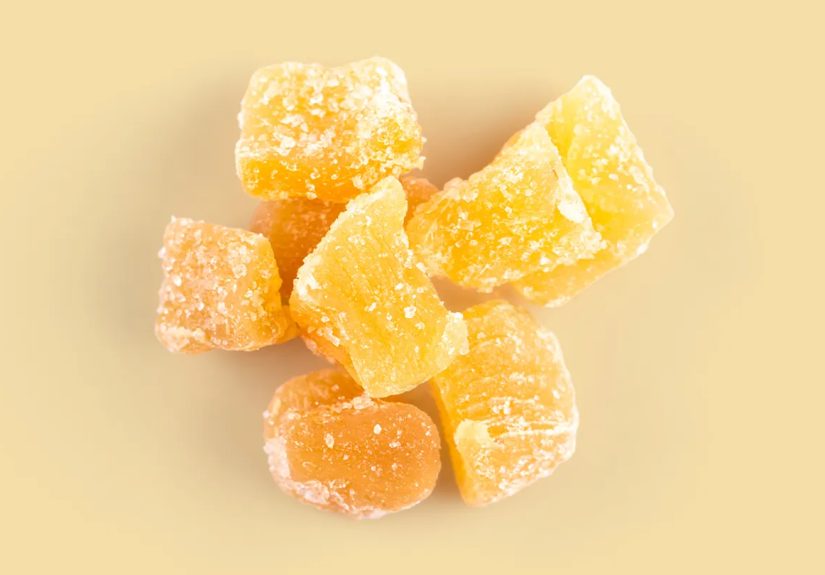
Ginger chews are soft, chewy candies typically made with ginger, sugar, and a binding ingredient such as tapioca starch or syrup. Some brands include lemon, mango, peanut, turmeric, or other flavor additions. They are popular with travelers, pregnant people dealing with mild nausea, people prone to motion sickness, and anyone who enjoys the bold heat of ginger without brewing tea or peeling fresh root.
The strength of ginger chews varies widely. Some taste gently warm, while others feel like your tongue just joined a tiny martial arts class. The ingredient list matters. A chew made with real ginger near the top of the list is more likely to deliver ginger’s active compounds than a candy that relies mostly on flavoring and sugar.
Why Ginger Has a Healthy Reputation
Ginger comes from the root-like rhizome of the plant Zingiber officinale. Its signature bite comes from natural compounds such as gingerols and shogaols. These compounds are often discussed for their antioxidant, anti-inflammatory, and digestive-supporting properties. While ginger is not a cure-all, it has earned more scientific attention than many trendy pantry “superfoods.”
Research has looked at ginger for nausea related to pregnancy, chemotherapy, surgery, indigestion, and other situations. Results vary depending on the form and dose of ginger used, but the strongest practical takeaway is that ginger may help some people feel less nauseated and more comfortable after meals. That is why ginger tea, ginger capsules, ginger ale, and ginger chews all show up in the “my stomach feels weird” survival kit.
Potential Benefits of Ginger Chews
1. They May Help Ease Mild Nausea
One of the biggest reasons people reach for ginger chews is nausea. Ginger has been studied for nausea during pregnancy, after surgery, during chemotherapy, and in digestive upset. Ginger chews may be convenient because they are portable, do not require water, and are easy to take during a car ride, flight, or busy workday.
That said, ginger chews are not the same as standardized ginger capsules used in many studies. The amount of ginger per chew can vary, and some labels do not clearly state the dose. If your nausea is severe, persistent, linked with dehydration, or happening during pregnancy, it is best to speak with a healthcare professional rather than relying only on candy-shaped solutions.
2. They Can Support Digestion After Meals
Ginger may help food move through the stomach more comfortably, which is one reason it is associated with easing bloating, gas, and that heavy “I ate too fast and now regret my personality” feeling. A ginger chew after a rich meal may feel soothing for some people, especially when compared with a heavy dessert.
For example, someone who feels slightly queasy after a greasy lunch might find that one ginger chew offers a warming, stomach-settling effect. It is not guaranteed, but it is a reasonable low-effort option for mild discomfort. Pairing it with water and a slower pace of eating next time is even better.
3. They May Offer Anti-Inflammatory Compounds
Ginger naturally contains compounds that have been studied for anti-inflammatory effects. This does not mean ginger chews will erase joint pain, cure chronic inflammation, or replace a balanced diet. However, choosing ginger as part of a varied eating pattern can be a flavorful way to include plant-based compounds that support overall wellness.
The catch is that ginger chews are not usually a concentrated health food. Because they are sweetened, they should be treated differently from fresh ginger, powdered ginger, or unsweetened ginger tea. You get some ginger, but you also get sugar. The health halo should not be bigger than the Nutrition Facts label.
4. They Can Be a Better Candy Choice for Some People
If you are choosing between a ginger chew and a candy that is mostly artificial flavor and color, the ginger chew may feel more satisfying because it has a stronger flavor and a more intense finish. Many people find that one or two pieces are enough because ginger has a natural heat that slows you down.
This can be helpful for portion control. A mild chocolate candy may disappear in five seconds. A strong ginger chew asks for attention. It makes your mouth say, “We are having an experience.” That can make it easier to enjoy a small amount and move on.
The Downsides: When Ginger Chews Are Not So Innocent
1. They Can Be High in Added Sugar
The biggest drawback of ginger chews is added sugar. Many ginger chews are candy, and candy is still candy even when it has a passport stamp from the wellness aisle. The U.S. Daily Value for added sugars is 50 grams per day based on a 2,000-calorie diet. Depending on the brand, a few ginger chews can contribute a noticeable amount toward that limit.
This does not make ginger chews “bad.” It means portion size matters. If you eat one or two occasionally, they can fit into a balanced diet. If you snack on them all day, the added sugar can add up quickly, especially if your diet already includes sweet drinks, desserts, sweetened coffee, flavored yogurt, granola bars, and other hidden sugar sources.
2. Sticky Texture May Not Be Great for Teeth
Ginger chews are often sticky. Sticky sweets can cling to teeth, giving mouth bacteria more time to interact with sugar. Over time, frequent exposure to sugary sticky foods may increase the risk of cavities, especially if oral hygiene is inconsistent.
You do not have to brush dramatically after every chew like you are preparing for a toothpaste commercial. But it is smart to rinse with water, avoid grazing on sweets all day, and keep up with regular brushing and flossing. Eating sweets with meals rather than constantly throughout the day may also reduce repeated sugar exposure.
3. Ginger Can Cause Heartburn or Stomach Upset in Some People
Ginger helps many stomachs, but not all stomachs are on Team Ginger. Some people may experience heartburn, reflux, gas, or stomach irritation, especially with stronger ginger products or large amounts. If ginger chews make your throat burn in a reflux-like way, that is your body giving a very unsubtle review.
Start small. Try one chew and see how you feel. More is not always better. In the world of ginger, “bold and warming” can become “why is my esophagus filing a complaint?” surprisingly fast.
4. Ginger May Interact With Some Medications
Ginger may affect blood clotting, blood sugar, and blood pressure in certain situations, especially at higher supplemental doses. People taking blood thinners, diabetes medications, blood pressure medications, or preparing for surgery should ask a healthcare professional before using large amounts of ginger or ginger supplements.
Most people eating an occasional ginger chew are not consuming a massive dose. Still, if you rely on ginger chews daily for symptoms or take medication, it is worth checking with a doctor or pharmacist. Natural products can still have real effects. Poison ivy is natural too, and nobody invites it to brunch.
Are Ginger Chews Good for Nausea?
Ginger chews may help mild nausea for some people, especially when the nausea is related to travel, a heavy meal, or general queasiness. Their convenience is a major advantage. You can keep them in a purse, backpack, desk drawer, glove compartment, or travel kit.
However, not every ginger chew contains enough ginger to have the same effect as the doses used in research. If nausea happens often, becomes intense, includes vomiting, causes dehydration, or comes with symptoms such as severe pain, fever, chest discomfort, or unexplained weight loss, do not try to “chew your way through it.” Get medical advice.
Are Ginger Chews Good for Weight Loss?
Ginger chews are not a weight-loss food. Ginger may play a small role in digestion and metabolic health, but sweetened chews contain calories and sugar. If they help you replace a larger dessert or prevent overeating because their strong flavor satisfies you, they may indirectly support better habits. But eating ginger chews on top of an already high-calorie diet will not create a secret fat-burning shortcut.
A practical approach is to use ginger chews as a small treat or digestive helper, not as a diet strategy. For weight management, the basics still matter most: balanced meals, enough protein and fiber, regular movement, sleep, stress management, and realistic portions. Ginger can join the team, but it is not the team captain.
Are Ginger Chews Good for Sore Throat?
Some people enjoy ginger chews when their throat feels scratchy because ginger is warming and may encourage saliva production. The soothing effect can feel pleasant, similar to a lozenge. But ginger chews are not a treatment for infections, and spicy ginger may irritate some sore throats.
If your throat is mildly dry, one chew may feel comforting. If your throat is very inflamed, raw, or painful, ginger’s heat may be too much. In that case, warm fluids, rest, and medical guidance when symptoms are serious or persistent are better choices.
How Many Ginger Chews Should You Eat?
There is no universal serving size because brands vary. The best answer is to read the package. Check serving size, calories, total sugar, added sugar, and ingredients. Many people do well with one or two pieces at a time. If you are using them for occasional nausea or after-meal comfort, start with the smallest amount that helps.
A useful rule: treat ginger chews like functional candy. Enjoy them intentionally, not automatically. If the bag is open on your desk all afternoon, your hand may develop a mysterious “wellness reflex” and keep reaching in. Portion a few pieces into a small container instead.
How to Choose Healthier Ginger Chews
Read the Ingredient List
Look for products that list real ginger or ginger extract clearly. If ginger appears after several types of sugar or vague flavorings, the chew may be more candy than ginger-forward snack. Shorter ingredient lists are often easier to evaluate.
Check Added Sugar
Compare brands. Some ginger chews are sweeter than others. If the added sugar is high, keep portions small. People managing diabetes, insulin resistance, or blood sugar swings should be especially mindful and may prefer unsweetened ginger tea or fresh ginger in food.
Watch for Allergens and Extras
Some ginger chews contain peanuts, coconut, soy, or other ingredients. Others may include turmeric, caffeine-containing ingredients, or fruit concentrates. Always check labels if you have allergies or dietary restrictions.
Consider Your Goal
If you want a sweet treat with a spicy kick, ginger chews are great. If you want a more therapeutic ginger option, ginger tea, capsules, or fresh ginger may be more appropriate depending on your needs and medical situation. For ongoing symptoms, professional guidance is the safer route.
Ginger Chews vs. Ginger Tea vs. Ginger Capsules
Ginger chews win for convenience and taste. They are easy to carry, easy to share, and more fun than swallowing a capsule. They also give you a little sweetness, which can be pleasant when your stomach feels unsettled.
Ginger tea is often a better choice if you want hydration and less sugar. You can make it with fresh ginger slices, hot water, lemon, and a small amount of honey if desired. It is gentle, customizable, and cozy enough to make your kitchen feel like it has emotional intelligence.
Ginger capsules may offer more consistent dosing, but they should be used carefully, especially if you take medications or are pregnant. Supplements can be more concentrated than foods, so it is smart to ask a healthcare professional before using them regularly.
Who Should Be Careful With Ginger Chews?
Most healthy adults can enjoy ginger chews occasionally. But certain people should be more cautious: those taking blood-thinning medication, people with bleeding disorders, individuals on diabetes or blood pressure medications, people with frequent reflux, and anyone scheduled for surgery. Pregnant people should ask their clinician about appropriate ginger use, especially if nausea is severe or persistent.
Children can enjoy ginger-flavored foods in reasonable amounts, but ginger chews may be sticky, spicy, and sugary. For younger kids, choking risk and dental health also matter. Always choose age-appropriate foods and portions.
Practical Ways to Enjoy Ginger Chews
Ginger chews work best when used thoughtfully. Keep a few in your travel bag for flights or long car rides. Try one after a heavy meal instead of a larger dessert. Pair one with unsweetened tea when you want something sweet but not a full snack. Use them as a palate cleanser after lunch if you like bold flavors.
You can also chop a ginger chew into tiny pieces and sprinkle it into oatmeal, trail mix, or baked apples. This gives you ginger flavor without eating several pieces at once. A little goes a long way, especially if the chew is strong enough to make your eyebrows stand at attention.
So, Are Ginger Chews Actually Good for You?
Ginger chews can be good for you when they are used in moderation and chosen carefully. They may help with mild nausea, support digestion, and offer a satisfying alternative to ordinary candy. They are especially useful for travel, occasional queasiness, or after-meal comfort.
But they are not automatically healthy just because they contain ginger. Most are sweetened, sticky, and easy to overeat. They should not replace medical care, balanced meals, or lower-sugar ginger options if you need them regularly. The best ginger chew habit is simple: enjoy a small amount, pay attention to your body, and read the label like it owes you money.
Real-Life Experiences With Ginger Chews
Many people discover ginger chews during travel. There is something wonderfully practical about having a small, individually wrapped chew in your bag when a bus ride gets bumpy, a plane meal sits heavily, or a road trip takes one too many mountain curves. The ritual itself can be comforting: unwrap, chew slowly, breathe, sip water, and wait for your stomach to stop acting like it has joined a drama club.
One common experience is using ginger chews after a rich meal. Imagine finishing a big dinner with fried food, creamy sauce, and dessert because apparently your appetite was making executive decisions without consulting your digestive system. A ginger chew afterward may provide a warm, spicy finish that feels cleaner than another sweet dessert. It can help some people feel less heavy, though it works best alongside common-sense habits like walking for a few minutes and not lying down immediately.
Another experience is keeping ginger chews at a desk. They can be useful when afternoon snack cravings hit, especially for people who want something sweet but not a giant cookie. Because ginger has a strong flavor, one piece may feel more satisfying than several pieces of milder candy. The trick is not turning the desk drawer into a ginger chew vending machine. Portion control matters. Put two in a small dish and keep the bag elsewhere, preferably somewhere that requires standing up and making a conscious decision.
Some people use ginger chews during stressful days when their stomach feels tight or unsettled. Stress and digestion often have a complicated friendship, the kind where one sends chaotic text messages at 2 a.m. A ginger chew will not solve stress, deadlines, or emotional overload, but it can be a small grounding routine. The spicy flavor draws attention to the present moment, while slow chewing and steady breathing may help you feel a little more settled.
People who dislike ginger tea may find chews easier. Tea can feel too watery, capsules can feel too clinical, and fresh ginger can be too much effort when you are tired. Ginger chews are simple. They do not require a mug, knife, kettle, or the motivation to wash dishes. That convenience is part of their appeal, and convenience matters in real life. A wellness habit you actually use is often more helpful than a perfect habit you abandon after three heroic days.
Still, personal experience varies. Some people feel better with ginger chews; others feel heartburn, mouth heat, or no noticeable effect. Some love the spicy-sweet taste; others react like they accidentally chewed a scented candle with ambition. The best approach is to test gently. Try one chew, not six. Notice whether your nausea, bloating, or craving improves. Notice whether your stomach or teeth feel bothered. Your own response is important data.
In everyday life, ginger chews are best treated as a smart little tool, not a miracle. They belong in the same category as peppermint tea, crackers for mild nausea, a walk after dinner, or keeping water nearby: helpful for some situations, limited in others, and most effective when used with common sense. If they make your day easier, great. If they become your main food group, it may be time to renegotiate the relationship.
Conclusion
Ginger chews can absolutely have a place in a healthy lifestyle, especially if you enjoy their bold flavor and use them for occasional nausea, digestion support, or a small sweet treat. Their main benefit comes from real ginger, which has credible evidence behind its role in easing nausea and supporting digestive comfort. Their main drawback is added sugar, along with the sticky texture that can affect dental health when eaten frequently.
The smartest way to enjoy ginger chews is with moderation and label awareness. Choose products with real ginger, keep an eye on added sugar, and avoid using them as a cure for ongoing symptoms. For frequent nausea, medication concerns, pregnancy-related symptoms, diabetes, blood pressure issues, or blood-thinner use, ask a qualified healthcare professional for personalized advice.
Bottom line: ginger chews are not a miracle snack, but they are not just ordinary candy either. They are a spicy, practical, sometimes soothing treat that can be genuinely useful when used wisely. In other words, keep a few in your bag, not a mountain in your mouth.