Table of Contents >> Show >> Hide
- What Is Gluten?
- Is Gluten Bad for Everyone?
- Celiac Disease: When Gluten Triggers the Immune System
- What Is Non-Celiac Gluten Sensitivity?
- Gluten Intolerance vs. Gluten Sensitivity: Are They the Same?
- Wheat Allergy Is Different From Gluten Sensitivity
- What Is a Gluten-Free Diet?
- How to Build a Healthy Gluten-Free Plate
- Possible Risks of Going Gluten-Free Without a Medical Need
- How Gluten Issues Are Diagnosed
- Practical Tips for Living Gluten-Free
- Experience-Based Section: What Going Gluten-Free Can Feel Like in Real Life
- Conclusion
Gluten has become one of the most talked-about words in modern food culture. It sits on bakery shelves, hides in restaurant menus, appears on snack labels, and somehow manages to start passionate dinner-table debates between people holding pizza slices. But what exactly is gluten? Is it dangerous? Should everyone avoid it? And what is the real difference between celiac disease, gluten intolerance, gluten sensitivity, and wheat allergy?
The simple answer is this: gluten is a natural group of proteins found mainly in wheat, barley, rye, and triticale. For many people, gluten is harmless and even part of a balanced diet when it comes from whole-grain foods. For others, however, gluten can trigger uncomfortable symptoms or serious immune reactions. Understanding the difference matters because “going gluten-free” is not just swapping regular bread for expensive bread that looks slightly nervous. It can affect nutrition, diagnosis, health, and everyday life.
This in-depth guide explains what gluten is, who may need a gluten-free diet, how gluten intolerance and sensitivity differ from celiac disease, what symptoms to watch for, and how to eat well without accidentally turning your grocery cart into a sad pile of rice cakes.
What Is Gluten?
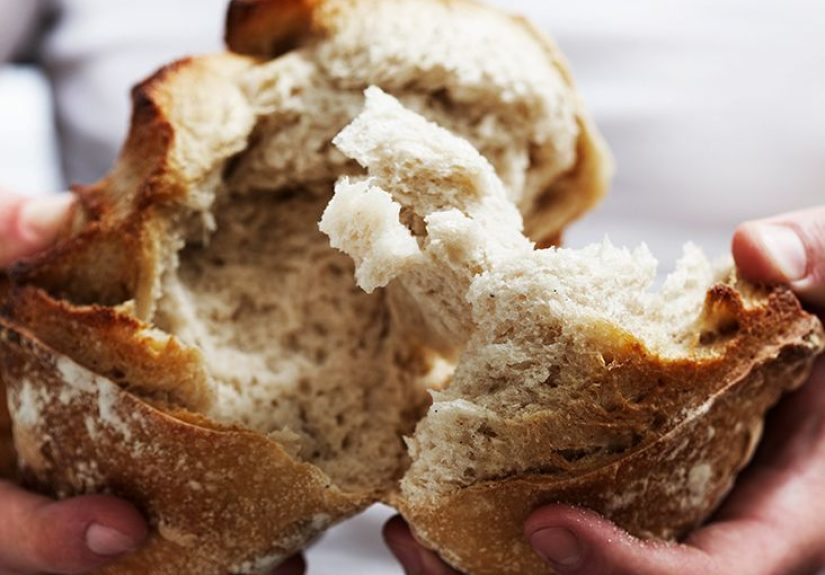
Gluten is a family of storage proteins found in certain grains, especially wheat, barley, rye, and hybrids such as triticale. In wheat, the main gluten proteins are gliadin and glutenin. These proteins help dough stretch, rise, and hold its shape. That chewy bagel, fluffy sandwich bread, springy pizza crust, and glossy cinnamon roll all owe part of their personality to gluten.
Think of gluten as the “elastic net” in dough. When flour mixes with water and is kneaded, gluten proteins link together and create structure. That structure traps gas from yeast or leavening agents, allowing baked goods to rise. Without gluten, bread often needs help from ingredients like xanthan gum, psyllium husk, eggs, starches, or clever recipe engineering to avoid becoming a brick with crumbs.
Common Foods That Contain Gluten
Gluten is found in obvious foods such as bread, pasta, crackers, cakes, cookies, pastries, cereals, pizza crust, and many baked goods made with wheat flour. It can also appear in less obvious places, including sauces, gravies, soy sauce, seasoned chips, salad dressings, soups, imitation meats, beer, malt vinegar, and processed foods that use wheat-based thickeners or flavorings.
Wheat may appear on labels under names such as durum, semolina, farina, spelt, einkorn, emmer, graham flour, wheat berries, wheat starch, and wheat bran. Barley may show up as malt, malt extract, malt syrup, or malt flavoring. Rye is less sneaky but still appears in rye bread, some crispbreads, and certain cereals.
Is Gluten Bad for Everyone?
No. Gluten is not automatically bad for everyone. For most people, gluten-containing whole grains can be part of a healthy diet. Whole wheat, barley, and rye may provide fiber, B vitamins, iron, magnesium, and other nutrients. The problem is not gluten itself for the general population; the problem is gluten for people whose bodies react poorly to it.
The main groups who may need to avoid or limit gluten include people with celiac disease, non-celiac gluten sensitivity, wheat allergy, and certain medically guided situations. The key phrase is “medically guided.” Cutting out gluten without understanding why can make diagnosis harder and may lead to a diet that is lower in fiber, iron, folate, and other nutrients if it is not planned carefully.
Celiac Disease: When Gluten Triggers the Immune System
Celiac disease is a genetic autoimmune condition. In people with celiac disease, eating gluten causes the immune system to attack the small intestine. Over time, this reaction can damage the villi, which are tiny fingerlike structures that help absorb nutrients. When villi are damaged, the body may struggle to absorb vitamins, minerals, and calories properly.
Celiac disease is not a food preference, a fad, or a dramatic dislike of muffins. It is a real medical condition that requires lifelong gluten avoidance. Even small amounts of gluten can trigger symptoms and intestinal damage in people with celiac disease.
Common Symptoms of Celiac Disease
Celiac disease symptoms vary widely. Some people have digestive symptoms, while others have symptoms that seem unrelated to the gut. Common signs may include:
- Chronic diarrhea or constipation
- Bloating, gas, or abdominal pain
- Nausea or vomiting
- Unexplained weight loss or poor weight gain
- Fatigue or weakness
- Iron-deficiency anemia
- Bone or joint pain
- Mouth ulcers
- Headaches or brain fog
- Itchy blistering rash known as dermatitis herpetiformis
- Delayed growth or puberty in children
Because symptoms can be broad, celiac disease is sometimes mistaken for irritable bowel syndrome, stress, lactose intolerance, or “just having a sensitive stomach.” That is why testing matters.
Do Not Go Gluten-Free Before Testing
If you suspect celiac disease, talk with a healthcare provider before starting a gluten-free diet. Celiac blood tests and intestinal biopsy results are most accurate when a person is still eating gluten. If gluten is removed too early, test results may appear normal even when celiac disease is present. That can create a frustrating medical mystery, and nobody needs their sandwich to become a detective novel.
What Is Non-Celiac Gluten Sensitivity?
Non-celiac gluten sensitivity, also called gluten sensitivity or non-celiac wheat sensitivity, describes symptoms that occur after eating gluten-containing foods in people who do not have celiac disease or wheat allergy. The symptoms can feel very real, but the condition does not cause the same autoimmune intestinal damage seen in celiac disease.
People with gluten sensitivity may report bloating, abdominal pain, diarrhea, constipation, fatigue, headache, brain fog, joint discomfort, or mood changes after eating foods that contain wheat, barley, or rye. Symptoms often improve when those foods are removed and return when they are reintroduced.
However, researchers are still studying what causes these symptoms. In some people, gluten may be the trigger. In others, symptoms may be related to fructans, which are fermentable carbohydrates found in wheat, onions, garlic, and other foods. Some people may also react to other wheat proteins or food additives. In practical terms, this means a person may say “gluten bothers me,” while the digestive system may be pointing at a more complicated suspect lineup.
Gluten Intolerance vs. Gluten Sensitivity: Are They the Same?
In everyday language, “gluten intolerance” and “gluten sensitivity” are often used to mean the same thing. Many healthcare sources use the more specific term “non-celiac gluten sensitivity.” Unlike celiac disease, gluten intolerance or sensitivity does not involve the same autoimmune damage to the small intestine. Unlike wheat allergy, it is not typically an immediate allergic reaction involving hives, swelling, wheezing, or anaphylaxis.
The challenge is that there is no single standard blood test for non-celiac gluten sensitivity. Diagnosis usually involves ruling out celiac disease and wheat allergy first, then using a supervised elimination and reintroduction process to see whether symptoms clearly improve and return.
Wheat Allergy Is Different From Gluten Sensitivity
Wheat allergy is an immune reaction to proteins in wheat. It is not the same as celiac disease and not the same as non-celiac gluten sensitivity. A wheat allergy can cause symptoms such as hives, itching, swelling, nasal congestion, stomach symptoms, breathing trouble, or in severe cases, anaphylaxis. People with wheat allergy need individualized medical advice and may need to avoid wheat, but they may not necessarily need to avoid barley or rye unless advised by a clinician.
This distinction matters because the right diagnosis leads to the right plan. Celiac disease requires strict lifelong gluten avoidance. Wheat allergy requires allergy management. Gluten sensitivity may require a customized diet that reduces symptoms without creating unnecessary restrictions.
What Is a Gluten-Free Diet?
A gluten-free diet removes foods and drinks that contain wheat, barley, rye, triticale, and ingredients derived from those grains. For people with celiac disease, the gluten-free diet is not optional. It is the only established treatment and must be followed carefully for life. For people with gluten sensitivity, a gluten-free or reduced-gluten approach may help manage symptoms, but the level of strictness may vary depending on individual response and medical guidance.
Naturally Gluten-Free Foods
The best gluten-free diet is not built only on packaged gluten-free cookies, although cookies do have excellent public relations. Many naturally gluten-free foods are nutritious, satisfying, and easy to include:
- Fruits and vegetables
- Beans, lentils, peas, and soy foods
- Fresh meat, poultry, fish, and seafood
- Eggs
- Milk, plain yogurt, and many cheeses
- Nuts and seeds
- Rice, corn, quinoa, buckwheat, millet, sorghum, amaranth, teff, and certified gluten-free oats
- Potatoes and sweet potatoes
- Olive oil, avocado oil, and other plain oils
Oats are naturally gluten-free, but they are often contaminated with wheat, barley, or rye during growing, processing, or packaging. People with celiac disease should choose oats labeled certified gluten-free and discuss oat tolerance with a healthcare professional or registered dietitian.
Foods to Avoid on a Gluten-Free Diet
People avoiding gluten generally need to stay away from regular wheat bread, pasta, flour tortillas, couscous, many cereals, crackers, pastries, cakes, cookies, beer made from barley, malt flavoring, and many processed foods unless they are labeled gluten-free. Restaurant foods can also be tricky because of shared fryers, flour-dusted surfaces, sauces, and cross-contact.
In the United States, foods labeled “gluten-free” must meet the FDA standard of containing less than 20 parts per million of gluten. This labeling rule helps people with celiac disease and gluten-related disorders shop with more confidence, although label reading is still important.
How to Build a Healthy Gluten-Free Plate
A healthy gluten-free diet should still look like a balanced diet. Aim for colorful vegetables, fruit, lean proteins, healthy fats, legumes, and gluten-free whole grains. The goal is not simply to remove gluten; the goal is to replace gluten-containing foods with nourishing choices.
For breakfast, try Greek yogurt with berries and gluten-free granola, eggs with vegetables and potatoes, oatmeal made with certified gluten-free oats, or a smoothie with fruit, spinach, nut butter, and milk. For lunch, build a quinoa bowl with chicken, beans, roasted vegetables, and avocado. For dinner, try salmon with brown rice and asparagus, turkey chili with beans, or corn tortillas filled with grilled vegetables and protein.
When buying packaged gluten-free products, check fiber, sugar, sodium, and protein. Some gluten-free breads, crackers, and sweets are made mostly from refined rice flour, potato starch, or tapioca starch. They may be gluten-free, but that does not automatically make them nutritious. A gluten-free cupcake is still a cupcake. A charming cupcake, perhaps, but still a cupcake.
Possible Risks of Going Gluten-Free Without a Medical Need
A gluten-free diet can be healthy when planned well, but it is not automatically healthier. Some gluten-free diets are low in fiber because many people remove whole wheat without adding gluten-free whole grains, beans, fruits, and vegetables. Gluten-free packaged foods may also be lower in certain fortified nutrients such as folate and iron, depending on the product.
Another concern is diagnosis. If someone stops eating gluten before being tested for celiac disease, medical tests may become less reliable. That can delay proper care and leave the person unsure whether they need lifelong strict gluten avoidance or a more flexible approach.
Cost is another practical issue. Gluten-free specialty products often cost more than regular versions. If someone does not medically need them, the extra expense may not bring extra benefit. For people who do need them, learning to rely on naturally gluten-free foods can make the diet healthier and more affordable.
How Gluten Issues Are Diagnosed
The diagnostic path depends on symptoms, medical history, family history, and risk factors. A healthcare provider may order blood tests for celiac-related antibodies, check total IgA levels, recommend genetic testing in select cases, or refer for an upper endoscopy with small intestinal biopsy. For wheat allergy, allergy testing may be used. For non-celiac gluten sensitivity, there is no single definitive test, so diagnosis usually comes after celiac disease and wheat allergy are ruled out.
A food and symptom diary can be helpful. Write down what you eat, when symptoms appear, how long they last, and what else may be involved, such as stress, sleep, medication, menstrual cycle changes, or high-FODMAP foods. Digestive symptoms are not always caused by the last thing eaten. The gut loves drama, but it is not always a reliable witness.
Practical Tips for Living Gluten-Free
Read Labels Like a Calm Detective
Look for gluten-free labels, allergen statements, and ingredients such as wheat, barley, rye, malt, brewer’s yeast, and wheat starch. If a product is not labeled gluten-free and contains ambiguous ingredients, contact the manufacturer or choose a safer option.
Prevent Cross-Contact at Home
People with celiac disease should be careful about cross-contact. Use separate toasters, cutting boards, condiment jars, and utensils when needed. Crumbs may look tiny, but for someone with celiac disease, they are not harmless decoration.
Ask Smart Restaurant Questions
When dining out, ask whether gluten-free food is prepared on clean surfaces, whether fries share oil with breaded foods, and whether sauces or marinades contain wheat. Choose restaurants that understand gluten-free preparation, especially if you have celiac disease.
Work With a Registered Dietitian
A registered dietitian can help identify hidden gluten, improve nutrient intake, plan meals, and prevent unnecessary restriction. This is especially important for children, pregnant people, athletes, people with anemia, and anyone newly diagnosed with celiac disease.
Experience-Based Section: What Going Gluten-Free Can Feel Like in Real Life
Starting a gluten-free diet can feel like moving to a new city where every street sign is written in ingredient language. At first, even a simple grocery trip can take twice as long. You pick up a sauce bottle, scan the label, put it down, pick it up again, search online, question your life choices, and then realize dinner was supposed to happen twenty minutes ago. This learning curve is normal. Most people become faster and more confident after a few weeks of practice.
One common experience is surprise. Many people expect gluten only in bread and pasta, then discover it can hide in soy sauce, seasoning mixes, soups, imitation crab, flavored chips, and malt-containing candies. The first stage of gluten-free living is often the “Wait, that has gluten too?” stage. The second stage is usually the “I have found three safe meals and will eat them forever” stage. Thankfully, the third stage is better: confidence, variety, and a pantry that no longer looks like it was assembled during a power outage.
Another real-life challenge is social eating. Birthday parties, office lunches, weddings, school events, and family dinners can become awkward when gluten is involved. A person with celiac disease may need to ask detailed questions, bring safe food, or politely decline dishes that look delicious but are risky. This can feel uncomfortable at first. The key is to communicate clearly without apologizing for having a medical need. A simple phrase works well: “I have to avoid gluten for health reasons, so I need to check ingredients and preparation.” No speech, no guilt, no dramatic violin music required.
People with gluten sensitivity may have a different experience. They may notice symptoms improve after removing gluten-containing foods, but they may also discover that certain foods bother them more than others. For example, a large bowl of wheat pasta may cause bloating, while a small amount of soy sauce may not. Or the real trigger may be garlic, onion, beans, dairy, or high-FODMAP foods rather than gluten itself. This is where patience matters. A careful elimination and reintroduction plan, ideally guided by a professional, can prevent someone from banning half the grocery store unnecessarily.
Emotionally, gluten-free living can be both empowering and annoying. It is empowering when symptoms improve, energy returns, anemia gets treated, or stomach pain finally calms down. It is annoying when the only gluten-free airport option is a banana with ambition. Planning ahead helps. Keep safe snacks in your bag, learn a few reliable restaurant orders, and build a short list of favorite gluten-free products. Over time, gluten-free eating becomes less like a restriction and more like a routine.
The best experience many people report is learning to cook more intentionally. A gluten-free kitchen can be full of flavor: corn tortilla tacos, rice noodle stir-fries, lentil soups, roasted potatoes, quinoa salads, grilled fish, omelets, curries, chili, smoothie bowls, and flourless chocolate cake that makes nobody miss anything. Gluten-free does not have to mean joy-free. It simply means learning a new food mapand yes, occasionally paying too much for bread that has the structural confidence of a sponge.
Conclusion
Gluten is a natural protein found in wheat, barley, rye, and related grains. For most people, it is not harmful. But for people with celiac disease, gluten can trigger serious autoimmune damage and must be strictly avoided for life. For people with non-celiac gluten sensitivity or gluten intolerance, gluten-containing foods may cause digestive and body-wide symptoms without the intestinal damage seen in celiac disease. Wheat allergy is different again and requires allergy-specific care.
The smartest approach is not to fear gluten blindly, but to understand your body clearly. If you suspect a gluten-related disorder, speak with a healthcare provider before removing gluten, especially if celiac disease is possible. If you do need a gluten-free diet, focus on naturally gluten-free whole foods, read labels carefully, prevent cross-contact, and make nutrition a priority. Gluten-free living can be healthy, practical, and genuinely enjoyablewith the right knowledge, a little planning, and maybe a backup snack in your bag.
Note: This article is for informational and educational purposes only. It should not replace medical advice, diagnosis, or treatment from a qualified healthcare professional. Anyone with persistent digestive symptoms, unexplained fatigue, anemia, weight changes, or suspected gluten-related reactions should seek professional evaluation before starting a gluten-free diet.