Table of Contents >> Show >> Hide
- What Are Absence Seizures?
- Absence Seizure Symptoms: What They Usually Look Like
- Who Is Most at Risk?
- What Causes Absence Seizures?
- How Doctors Diagnose Absence Seizures
- Treatment Options and Outlook
- Why These Seizures Matter More Than They Seem
- When to See a Doctor
- Experiences Related to Absence Seizures: What Real Life Often Feels Like
- Conclusion
- SEO Tags
Absence seizures are the sneaky ninjas of the seizure world. They do not usually arrive with dramatic warnings, flying limbs, or movie-scene chaos. Instead, they often show up as a child staring off for a few seconds, pausing mid-sentence, or looking “checked out” just long enough for a teacher, parent, or coach to wonder, “Was that daydreaming, or did time briefly buffer?”
These brief episodes, often still called petit mal or petite mal seizures, are a type of generalized seizure that affects awareness for a short time. They are most common in children, though adults can have them too. Because they can look subtle and harmless, they are often overlooked at first. But subtle does not mean unimportant. Repeated absence seizures can interfere with learning, attention, safety, and quality of life.
This guide breaks down what absence seizures are, what symptoms to watch for, who is at risk, what may cause them, and how doctors diagnose and treat them. No fluff, no jargon parade, and no strange medical magic tricks. Just clear, useful information in plain English.
What Are Absence Seizures?
Absence seizures are brief lapses in awareness caused by abnormal electrical activity involving both sides of the brain. During an episode, a person may suddenly stop what they are doing, stare ahead, and seem unreachable for a few seconds. Then, just as suddenly, the episode ends. There is often no confusion afterward, which is one reason these seizures can be missed. The child may go right back to reading, talking, or chewing a sandwich as if nothing happened. The sandwich, however, may have questions.
These seizures are classified as generalized nonmotor seizures. “Generalized” means the seizure activity begins across both sides of the brain. “Nonmotor” means the main feature is not big body movement. That said, absence seizures can still include subtle movements such as eyelid fluttering, lip smacking, chewing motions, or small hand movements.
Typical absence seizures often last only a few seconds, usually under 15 seconds. They may happen many times a day, sometimes dozens or even more. That frequency matters. A single short staring spell may not seem like much, but repeated episodes can disrupt classroom learning, conversations, and daily routines.
Absence Seizure Symptoms: What They Usually Look Like
Common Symptoms
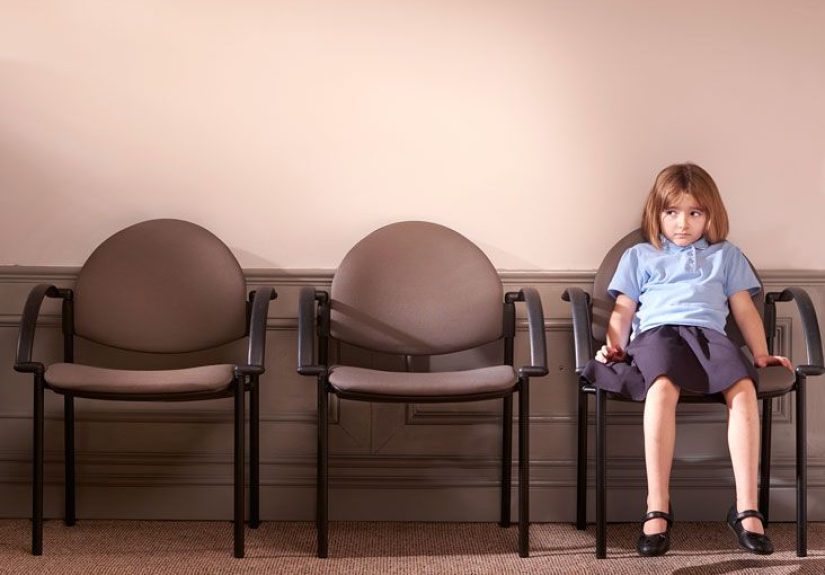
The classic symptom is a sudden blank stare. A child may stop walking, stop speaking in the middle of a sentence, or pause while eating or writing. They do not respond when someone calls their name or waves a hand in front of them. Then the episode ends abruptly, and they resume their activity without realizing anything happened.
Other possible symptoms include:
Rapid blinking or eyelid fluttering. Small chewing or lip-smacking motions. Finger rubbing or hand fumbling. A sudden halt in speech or movement. Brief upward eye movements. A short loss of awareness without falling over or losing posture.
One important clue is how fast the episode starts and stops. Absence seizures do not usually drift in like boredom during math class. They tend to switch on and off abruptly. Another clue is that they are hard to interrupt. A daydreaming child usually snaps back when you call their name. A child having an absence seizure often will not.
What Absence Seizures Usually Do Not Look Like
Absence seizures usually do not cause dramatic shaking, collapse, or a long recovery period. There is typically no post-seizure confusion. The person is usually alert again immediately after the episode. That quick recovery is one of the features that helps distinguish absence seizures from some focal impaired awareness seizures, which may leave a person confused, tired, or disoriented afterward.
Still, not every staring spell is an absence seizure. Children daydream. Adults zone out. Humans have been mentally leaving meetings since the dawn of meetings. But repeated, sudden, uninterruptible staring spells deserve medical attention, especially if they happen often.
Who Is Most at Risk?
Absence seizures are especially common in children. Typical absence seizures often begin between ages 4 and 14, with childhood absence epilepsy often starting in the earlier school years. Some forms begin later, including juvenile absence epilepsy, which can start in the preteen or teen years.
Risk appears to be higher in children with a family history of absence seizures or other generalized epilepsies. Genetics plays a meaningful role, even though many children do not have a single simple gene test result that explains everything. In other words, the family tree may whisper clues, but it does not always shout them.
Other risk-related patterns include:
Young age, especially school-age children. A family history of epilepsy or similar seizure types. Certain hereditary or genetic epilepsy syndromes. In some seizure syndromes, females may be affected slightly more often than males.
It is also worth noting that children with otherwise normal development can still have absence seizures. A child does not need to have obvious neurologic problems for these seizures to appear. That is one reason parents and teachers may be surprised when a diagnosis is made.
What Causes Absence Seizures?
The short answer is that absence seizures are caused by abnormal bursts of electrical activity in the brain. The longer, less annoying answer is that scientists know a lot about the mechanism, but not always the exact reason it happens in one child and not another.
Underlying Brain Activity
Absence seizures involve abnormal electrical signaling in brain networks that help regulate consciousness and attention. In many cases, the pattern is linked to generalized spike-and-wave discharges seen on EEG. These abnormal rhythms briefly interrupt normal awareness, which is why a child may suddenly “pause” even though they remain upright and may show only tiny movements.
Genetics and Inherited Tendency
For many children, genetics appears to be a major factor. That does not always mean the condition is inherited in a neat, predictable way, but it does mean a child may have a built-in tendency toward this kind of seizure. Some children have relatives with epilepsy, while others do not have any obvious family history.
Triggers vs. Causes
Causes and triggers are not the same thing. The cause is the underlying seizure tendency. A trigger is something that makes a seizure more likely to happen. Common triggers may include hyperventilation, lack of sleep, stress, and in some people bright flashing lights. Missed anti-seizure medication can also make seizures more likely in someone who has already been diagnosed.
Hyperventilation is such a well-known trigger for absence seizures that doctors sometimes use controlled rapid breathing during EEG testing to help bring out the seizure pattern. That may sound unfair, but diagnostically it is quite useful.
How Doctors Diagnose Absence Seizures
Diagnosis usually starts with a careful description of the episodes. Parents, teachers, caregivers, or the person having the seizures may describe frequent staring spells, sudden pauses, or episodes of unresponsiveness. Video clips, when available, can be incredibly helpful. Modern parenting occasionally feels like unpaid documentary filmmaking, but this is one time the phone camera may genuinely help.
Medical History and Symptom Review
A clinician will ask when the episodes started, how long they last, how often they happen, whether the person responds during them, and whether there is confusion afterward. They may also ask about family history, school performance, sleep habits, and any other seizure-like symptoms.
EEG Testing
The most important test is usually an electroencephalogram, or EEG. This test records the brain’s electrical activity and can reveal patterns that strongly support the diagnosis. In typical childhood absence epilepsy, EEG often shows a generalized spike-and-wave pattern, commonly around 3 Hz.
During the EEG, the child may be asked to breathe deeply and rapidly for a short period. This controlled hyperventilation can sometimes trigger an absence seizure and make the EEG pattern easier to detect. Photic stimulation, which uses flashing lights, may also be part of testing.
Do MRI or CT Scans Always Matter?
Not always. In a very typical case of childhood absence epilepsy, brain imaging may be normal and is not always needed right away. Imaging becomes more important when the story is unusual, the neurologic exam is abnormal, the seizure type is unclear, or doctors want to rule out another cause.
Treatment Options and Outlook
The good news is that absence seizures are often highly treatable. The goal is to stop the seizures, reduce side effects, support school and daily life, and monitor whether the seizure pattern changes over time.
Medications
For uncomplicated absence seizures, ethosuximide is often the first medication doctors consider. It is widely used because it works well for many children with typical absence seizures. Valproic acid may be considered when a child has other generalized seizure types in addition to absence seizures. Lamotrigine is another option, though some evidence suggests it may be less effective than ethosuximide or valproic acid for many cases of childhood absence epilepsy.
No anti-seizure medication is “casual.” These medicines require medical supervision, follow-up, and dose adjustments based on effectiveness and side effects. Treatment plans should always be individualized by a qualified clinician.
Daily Management
Medication is only one part of the picture. Families are usually advised to prioritize regular sleep, reduce missed doses, track seizure frequency, and work with schools so teachers understand what absence seizures look like. Because the episodes can interrupt concentration, a child may need classroom support even when the seizures seem brief.
Can Children Outgrow Absence Seizures?
Many children with typical absence seizures improve significantly and may outgrow them during the teen years. But not all do. Some children later develop other seizure types, such as generalized tonic-clonic or myoclonic seizures. That is why follow-up matters, even when things appear to be going well.
Why These Seizures Matter More Than They Seem
Because absence seizures are short and subtle, people sometimes underestimate them. But “brief” does not mean “trivial.” A child who has repeated seizures throughout the school day may miss bits of instruction over and over again. Those tiny missed moments can add up. A child may seem inattentive, distracted, or forgetful when the real problem is that their awareness keeps briefly cutting out.
That can affect reading, classroom participation, test performance, and confidence. In some children, attention issues continue even after seizures are controlled, which is another reason early diagnosis and good follow-up are so important.
When to See a Doctor
Anyone with repeated unexplained staring spells, sudden pauses in activity, or brief episodes of unresponsiveness should be evaluated by a healthcare professional. If a child is having frequent episodes at school or home, do not assume it is just daydreaming, boredom, or “not paying attention.”
Seek urgent care if a seizure lasts unusually long, involves injury, happens in water, causes breathing trouble, or is the first recognized seizure. A clinician can determine whether the episode is an absence seizure, another seizure type, or a different condition that only looks similar.
Experiences Related to Absence Seizures: What Real Life Often Feels Like
In real life, absence seizures are often described not as dramatic events, but as puzzling interruptions. A parent may notice their child freeze for five seconds at the breakfast table, spoon hovering in the air like a tiny statue with cereal ambitions. A teacher may see a student stop reading aloud mid-word, blink a few times, and then continue without realizing the class just watched a medical mystery in miniature.
Many families say the first challenge is not the seizure itself, but getting other people to understand that something medical is happening. Because the child usually stays seated, keeps posture, and recovers immediately, adults may assume inattention, defiance, or simple distraction. Some children are first evaluated for attention problems before anyone recognizes the staring spells as seizures. That can be frustrating for families who know something is off but cannot yet explain it.
Children themselves may have very different experiences. Some have no memory of the episodes at all. Others only know that people keep asking, “Hey, were you listening?” even though they truly do not know they missed part of the conversation. Older children sometimes describe school as oddly tiring before treatment, not because every lesson is impossible, but because their brains keep dropping tiny pieces of the day like loose change through a hole in a pocket.
Parents often talk about the emotional whiplash of diagnosis. On one hand, it is scary to hear the word “seizure.” On the other hand, getting an answer can be a relief. Suddenly the strange staring, the missed directions, and the odd pauses make sense. There is a name for it, a plan for it, and often a treatment that helps.
Teachers and caregivers also play a major role in the story. Once they understand what absence seizures look like, they can spot patterns more accurately, track how often episodes happen, and avoid labeling the child as careless or disengaged. That shift alone can improve a child’s school experience. Being seen correctly matters.
Adults with absence seizures or people who had them as children often describe a social side to the condition too. The seizures are brief, but misunderstanding can linger. Friends may joke that someone is “spacing out,” not realizing that the person did not choose to disappear for a moment. This is one reason education is so powerful. It replaces guesswork with understanding.
Families also learn practical habits over time. They notice that poor sleep can make rough days rougher. They get better at medication routines. They learn which teachers need a simple explanation and which ones need the deluxe version with bullet points, examples, and maybe a very firm follow-up email.
Perhaps the most common experience is this: once absence seizures are recognized and treated, many children do much better than the people around them first feared. The diagnosis is serious, but it is not always a life sentence to chaos. With the right care, good follow-up, and support at home and school, many children regain steadier attention, fewer interruptions, and a stronger sense that their brain is finally working with them instead of improvising without permission.
Conclusion
Absence seizures may be brief, but they deserve attention. They can look like harmless staring spells, yet they reflect real seizure activity in the brain and can affect learning, focus, and daily life. The main signs are sudden pauses, blank staring, lack of response, and a quick return to normal. Risk is highest in children, especially those with a family tendency toward generalized epilepsy. The cause often involves genetics and abnormal brain signaling, while triggers such as hyperventilation, poor sleep, stress, and flashing lights may make episodes more likely.
The encouraging part is that absence seizures are often treatable and manageable, especially when recognized early. A good history, an EEG, and appropriate follow-up can make a huge difference. So if someone seems to be “zoning out” over and over again, it may be more than wandering attention. Sometimes the brain is sending a short interruption notice. Thankfully, modern medicine is pretty good at reading those messages.