Table of Contents >> Show >> Hide
- What Is Abdominal Pain?
- Types of Abdominal Pain
- Common Causes of Abdominal Pain
- When Abdominal Pain Is an Emergency
- How Doctors Diagnose Abdominal Pain
- Treatment for Abdominal Pain
- Home Remedies for Mild Abdominal Pain
- Prevention Tips for a Happier Belly
- Experience-Based Guide: What Abdominal Pain Feels Like in Real Life
- Conclusion
- SEO Tags
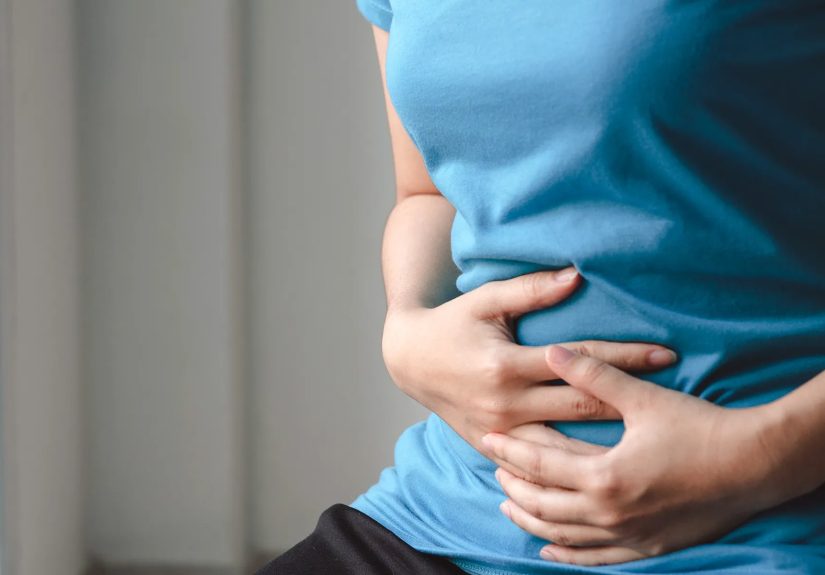
Abdominal pain is one of those symptoms that can be annoyingly vague. One minute it feels like harmless gas after a heroic plate of nachos; the next, you are wondering whether your appendix has decided to resign without notice. The abdomen is a busy neighborhood packed with organs, muscles, nerves, blood vessels, and digestive plumbing, so pain in this area can come from many different places.
The good news: many cases of stomach pain are mild and improve with rest, fluids, gentle foods, and time. The important news: some abdominal pain needs urgent medical care, especially when it is severe, persistent, sudden, or paired with symptoms such as fever, vomiting, blood in stool, chest pain, fainting, or a hard, swollen belly.
This guide explains the major types of abdominal pain, common causes, treatment options, safe home remedies, and practical “real-life” experience tips for recognizing what your belly may be trying to say.
What Is Abdominal Pain?
Abdominal pain refers to discomfort anywhere between the lower chest and the groin. People often call it “stomach pain,” but the stomach is only one organ in the abdomen. Pain may also come from the intestines, appendix, gallbladder, liver, pancreas, kidneys, bladder, reproductive organs, abdominal wall muscles, or even nerves.
That is why two people can both say, “My stomach hurts,” while one has indigestion and the other has appendicitis. Same sentence, very different plot twist.
Types of Abdominal Pain
1. Acute Abdominal Pain
Acute abdominal pain starts suddenly and may last hours to several days. It can be caused by gas, food poisoning, stomach flu, kidney stones, gallstones, appendicitis, pancreatitis, bowel obstruction, or other conditions. Sudden, intense, or worsening pain deserves medical attention.
2. Chronic Abdominal Pain
Chronic abdominal pain lasts for weeks or months or keeps coming back. It may be related to irritable bowel syndrome, inflammatory bowel disease, chronic constipation, food intolerance, ulcers, endometriosis, functional abdominal pain, or stress-related gut sensitivity.
3. Crampy Pain
Crampy abdominal pain often comes in waves. It may be linked to gas, diarrhea, constipation, menstrual cramps, stomach flu, or food poisoning. Cramps that improve after passing gas or having a bowel movement are often less concerning, though not always.
4. Burning Pain
Burning pain in the upper abdomen may suggest acid reflux, gastritis, dyspepsia, or peptic ulcer disease. It may worsen after meals, when lying down, or when the stomach is empty.
5. Sharp or Localized Pain
Sharp pain in one specific area can be more concerning, especially if it is severe or worsening. Right lower abdominal pain may point toward appendicitis. Right upper pain may involve the gallbladder or liver. Left lower pain may occur with diverticulitis. Pain in the side or back may be related to kidney stones or urinary problems.
6. Generalized Pain
Generalized pain affects much of the abdomen. It can happen with gas, indigestion, viral gastroenteritis, food poisoning, or bowel conditions. If the entire abdomen becomes tender, swollen, rigid, or extremely painful, seek urgent care.
Common Causes of Abdominal Pain
Gas and Indigestion
Gas and indigestion are among the most common causes of abdominal discomfort. They may cause bloating, pressure, burping, mild cramps, or a full feeling after eating. Common triggers include eating too quickly, carbonated drinks, fatty meals, beans, onions, dairy intolerance, and stress. In other words, your gut may not be angry at youit may simply be reviewing your dinner choices.
Constipation
Constipation can cause lower abdominal pain, bloating, straining, and a feeling of incomplete bowel movements. It may result from low fiber intake, dehydration, inactivity, certain medications, travel, or changes in routine. Increasing fluids, fiber, and movement often helps, but severe constipation with vomiting, swelling, or inability to pass gas needs prompt care.
Stomach Flu and Food Poisoning
Viral gastroenteritis and foodborne illness can cause abdominal cramps, nausea, vomiting, diarrhea, fever, and fatigue. Symptoms may start within hours or days after exposure. Most mild cases improve with hydration and rest, but bloody diarrhea, fever above 102°F, signs of dehydration, or diarrhea lasting more than three days should be evaluated by a healthcare professional.
Irritable Bowel Syndrome
Irritable bowel syndrome, or IBS, often causes recurrent abdominal pain related to bowel movements. It may come with diarrhea, constipation, or both. Bloating and mucus in stool can also occur. IBS is real, common, and treatable, even though routine tests may not show visible damage.
Acid Reflux and Dyspepsia
Upper abdominal burning, fullness during meals, early fullness, nausea, burping, and chest burning may suggest reflux or dyspepsia. Some people feel worse after spicy foods, coffee, alcohol, large meals, or lying down soon after eating. Persistent symptoms should be checked, especially with weight loss, trouble swallowing, vomiting, black stools, or anemia.
Peptic Ulcers
Peptic ulcers are sores in the stomach lining or upper small intestine. They may cause dull, burning, or gnawing pain in the upper abdomen. Pain may appear when the stomach is empty, at night, or after eating. Causes may include Helicobacter pylori infection and frequent use of nonsteroidal anti-inflammatory drugs such as ibuprofen or naproxen.
Appendicitis
Appendicitis is inflammation of the appendix. Pain often starts near the belly button and then moves to the lower right abdomen. It may be accompanied by nausea, vomiting, fever, loss of appetite, or worsening pain with movement. Appendicitis can become dangerous if the appendix bursts, so suspected appendicitis requires urgent medical care.
Gallstones and Gallbladder Problems
Gallstones may cause upper right abdominal pain, especially after fatty meals. Pain can radiate to the back or right shoulder and may come with nausea or vomiting. If a stone blocks a duct, it can lead to infection or pancreatitis. Severe upper abdominal pain with fever, yellowing skin, or persistent vomiting is a red flag.
Pancreatitis
Pancreatitis is inflammation of the pancreas. It often causes severe upper abdominal pain that may radiate to the back. Nausea, vomiting, fever, and tenderness may occur. Gallstones and heavy alcohol use are common causes. Pancreatitis needs medical evaluation and may require hospital care.
Diverticulitis
Diverticulitis happens when small pouches in the colon become inflamed or infected. It often causes lower left abdominal pain, fever, nausea, and changes in bowel habits. Mild cases may be treated with rest, diet changes, and sometimes medication, while severe cases may need hospital care.
Urinary and Kidney Problems
Urinary tract infections can cause lower abdominal pain, burning with urination, frequent urination, cloudy urine, or fever. Kidney stones may cause severe side or back pain that comes in waves and may move toward the groin. Blood in urine or severe pain should be evaluated quickly.
Gynecologic Causes
In people with ovaries and a uterus, abdominal or pelvic pain may be related to menstrual cramps, ovulation, ovarian cysts, endometriosis, pelvic inflammatory disease, miscarriage, or ectopic pregnancy. Sudden severe pelvic pain, fainting, shoulder pain, heavy bleeding, or possible pregnancy with pain needs emergency care.
When Abdominal Pain Is an Emergency
Do not try to “tough it out” if abdominal pain feels severe, unusual, or frightening. Seek emergency care if pain is associated with chest pressure, trauma, fainting, confusion, trouble breathing, a rigid abdomen, persistent vomiting, vomiting blood, black or bloody stool, severe dehydration, yellowing of the skin or eyes, or pain during pregnancy.
You should also contact a healthcare professional if mild pain lasts a week or more, keeps returning, disrupts sleep, causes unexplained weight loss, or appears with fever, persistent diarrhea, urinary symptoms, or worsening tenderness.
How Doctors Diagnose Abdominal Pain
Diagnosis begins with the story. A clinician will ask where the pain is, when it started, what it feels like, what makes it better or worse, and whether there are symptoms such as fever, vomiting, diarrhea, constipation, urinary changes, appetite loss, or blood in stool.
Depending on the situation, tests may include blood work, urine tests, stool tests, pregnancy testing, ultrasound, CT scan, endoscopy, colonoscopy, or other imaging. The goal is not to order every test in the universe; it is to match testing to the most likely and most dangerous possibilities.
Treatment for Abdominal Pain
Treatment Depends on the Cause
There is no single treatment for abdominal pain because abdominal pain is a symptom, not a diagnosis. Gas may improve with walking and dietary changes. Constipation may require fiber, fluids, stool softeners, or laxatives. Acid-related pain may need antacids or acid-reducing medication. Infections may require hydration and sometimes prescriptions. Appendicitis, bowel obstruction, or severe gallbladder disease may require surgery.
Medication Options
For mild pain, acetaminophen may be safer for many people than NSAIDs, especially if ulcers, kidney disease, blood thinners, or stomach bleeding are concerns. However, anyone with liver disease or heavy alcohol use should ask a clinician before using acetaminophen. Avoid taking repeated doses of pain medicine to hide severe or worsening abdominal pain; pain is information, not just an inconvenience.
Diet and Lifestyle Treatment
For recurring digestive discomfort, lifestyle changes may help. These include eating slowly, choosing smaller meals, limiting trigger foods, drinking enough water, getting regular movement, improving sleep, and managing stress. For constipation, fiber can help, but it should be increased gradually unless a doctor advises otherwise. For reflux, avoid lying down right after meals and consider reducing large evening meals.
Home Remedies for Mild Abdominal Pain
Home remedies are best for mild discomfort that clearly resembles gas, indigestion, constipation, or a short-lived stomach upset. They are not a substitute for medical care when pain is severe, persistent, or paired with warning signs.
1. Sip Fluids
Hydration is especially important when abdominal pain comes with diarrhea or vomiting. Small sips of water, oral rehydration solution, broth, or electrolyte drinks may be easier to tolerate than large gulps. If you cannot keep fluids down, seek care.
2. Try Gentle Foods
Bland foods such as bananas, rice, applesauce, toast, crackers, broth, and plain potatoes may be easier on an upset stomach. Avoid greasy, spicy, and very sweet foods until symptoms calm down. Your stomach does not need a five-course tasting menu while it is filing a complaint.
3. Use Heat
A warm compress, heating pad, or warm bath can relax abdominal muscles and ease cramps. Keep heat warm, not scorching, and avoid falling asleep with a heating pad on.
4. Walk Gently
Light walking may help gas move through the intestines and may reduce bloating. Skip intense workouts if you feel weak, feverish, nauseated, or sharply tender.
5. Consider Ginger or Peppermint
Ginger tea may help nausea and indigestion for some people. Peppermint tea may ease gas or cramping, though peppermint can worsen reflux in certain people. If a remedy makes symptoms worse, your belly has voted: stop.
6. Rest Your Digestive System
Short-term bowel rest may help mild stomach upset. This can mean eating smaller portions, choosing liquids or soft foods briefly, and avoiding alcohol, caffeine, greasy foods, and heavy meals until symptoms improve.
7. Keep a Symptom Diary
If abdominal pain keeps returning, write down meals, stress levels, medications, bowel habits, menstrual cycle timing, and symptoms. Patterns can reveal triggers such as lactose intolerance, high-FODMAP foods, reflux triggers, constipation, or stress-related flare-ups.
Prevention Tips for a Happier Belly
You cannot prevent every stomachache, but you can lower the odds. Wash hands before eating and after using the bathroom. Cook foods to safe temperatures. Refrigerate leftovers promptly. Eat fiber-rich foods such as fruits, vegetables, beans, and whole grains if your body tolerates them. Drink water, move regularly, and avoid using NSAIDs too often unless your healthcare provider says they are safe for you.
For people with known digestive conditions, prevention may involve more specific steps: reflux-friendly eating, a constipation plan, IBS trigger management, gallbladder evaluation, or regular follow-up for inflammatory bowel disease. The best plan is the one matched to the actual cause.
Experience-Based Guide: What Abdominal Pain Feels Like in Real Life
Abdominal pain is not always dramatic. Sometimes it arrives quietly, like a small cramp after lunch. Other times it kicks the door open at 2 a.m. and makes you question every snack decision since 2017. Real-world experience matters because people rarely describe pain in textbook language. They say things like, “It feels like a knot,” “It burns,” “It moves around,” or “I feel bloated enough to float away.” Those descriptions are useful.
One common experience is the classic gas-and-bloat episode. The abdomen feels tight, pressure builds, and the pain may shift from one side to another. Passing gas or having a bowel movement often brings relief. This type of pain is usually mild to moderate and may follow beans, dairy, carbonated drinks, fast eating, or a large meal. A short walk, warm tea, and looser clothing can make a surprising difference. Yes, elastic waistbands deserve more respect.
Another familiar pattern is indigestion after a heavy meal. The discomfort sits high in the abdomen, sometimes with burping, nausea, or a sour taste. It may show up after fried foods, spicy foods, coffee, alcohol, or eating too close to bedtime. People often feel better by sitting upright, sipping water, and avoiding another round of “just one more bite.” If this happens often, it is worth discussing reflux, gastritis, or dyspepsia with a healthcare professional.
Constipation pain has its own personality. It may feel like dull pressure in the lower abdomen, bloating, or cramps that come and go. Many people notice they feel heavy, sluggish, and uncomfortable. The pain may improve after a bowel movement but return if the pattern continues. In daily life, constipation often follows travel, low water intake, low fiber, stress, new medications, or sitting for long stretches. Gradual fiber, hydration, walking, and routine bathroom time can help, but severe pain, vomiting, or inability to pass gas is not normal.
Food poisoning or stomach flu feels more like a full-body event. Abdominal cramps may come with nausea, vomiting, diarrhea, fever, chills, and fatigue. The main job is preventing dehydration. Small sips matter. Rest matters. Bland food can wait until vomiting settles. People should be careful with antidiarrheal medicine if fever or bloody stool is present, because some infections need medical guidance rather than a cork-in-the-bottle strategy.
Then there is pain that feels different from the usual. It may be sharp, one-sided, worsening, or paired with fever, faintness, vomiting, blood, or a rigid abdomen. This is the moment to stop Googling at top speed and get medical help. Appendicitis, gallbladder attacks, pancreatitis, kidney stones, ectopic pregnancy, bowel obstruction, and severe infections can all begin as abdominal pain. The safest rule is simple: if the pain is severe, new, worsening, or scary, do not negotiate with it.
A practical personal-care habit is to rate pain from 1 to 10 and note whether it changes with movement, food, bowel movements, urination, or position. Pain that steadily worsens, wakes you from sleep, or prevents normal movement deserves attention. Also notice hydration: dark urine, dizziness, dry mouth, and weakness can mean fluid loss is becoming a problem.
Finally, remember that stress can affect the gut. The brain and digestive system communicate constantly. Anxiety, poor sleep, grief, deadlines, and chronic tension can worsen IBS, indigestion, nausea, and abdominal tightness. That does not mean the pain is “imaginary.” It means the gut is sensitive to the nervous system. Breathing exercises, movement, regular meals, therapy, and better sleep can be part of real digestive care.
Conclusion
Abdominal pain can be simple, serious, or somewhere in the confusing middle. The key is to pay attention to the pattern: where the pain is, how it feels, how long it lasts, what comes with it, and whether it is getting better or worse. Mild gas, indigestion, or constipation may respond to fluids, gentle foods, heat, rest, and light movement. But severe, persistent, sudden, or unusual pain should be evaluated quickly.
Your abdomen is not just “a stomach.” It is a crowded control room of digestion, immunity, hormones, muscles, and nerves. When it sends a message, listen carefully. Sometimes it wants tea and toast. Sometimes it wants a doctor. Wisdom is knowing the difference.