Table of Contents >> Show >> Hide
- Why Some Foods Fail in an Air Fryer
- 1) Wet-Battered Foods
- 2) Loose Leafy Greens (Especially Light Ones)
- 3) Brothy Soups, Stews, and Other Thin Liquids
- 4) Raw Grains and Dry Pasta
- 5) Popcorn Kernels
- 6) Large Bone-In Cuts and Whole Roasts
- 7) Delicate Baked Goods (Muffins, Cakes, and Similar Treats)
- 8) Loose Cheese or Uncontained Cheesy Items
- 9) Sugary Foods and Sticky Glazes (Too Early in the Cook)
- Air Fryer Safety Tips You Shouldn’t Skip
- What to Cook in an Air Fryer Instead
- Conclusion
- Experience-Based Notes: Common Air Fryer Fails (and What Home Cooks Learn)
If your air fryer has earned permanent counter space, congratulationsyou’re living in the future (or at least in a kitchen that makes crispy potatoes very quickly). But even the mighty air fryer has limits. It’s basically a compact convection oven with a strong fan, and that “hot air tornado” effect is exactly why some foods turn out amazingand others turn into smoky, soggy, burnt, or weirdly half-raw disasters.
So if you’ve ever wondered what not to cook in an air fryer, this guide is for you. Below are 9 foods you should never cook in an air fryer (or should only attempt with major caveats), plus smarter alternatives and practical tips to avoid common air fryer mistakes. We’ll also cover a few air fryer safety reminders so your dinner stays delicious and your smoke alarm stays emotionally stable.
Why Some Foods Fail in an Air Fryer
Air fryers work best when hot air can circulate around food and evaporate surface moisture quickly. That’s why they excel at frozen fries, wings, roasted veggies, and breaded items. But foods that are too wet, too light, too large, or too delicate can cause problems like:
- Dripping and splatter (messy basket, smoky heating element)
- Uneven cooking (burned outside, undercooked center)
- Poor texture (rubbery, dry, or soggy)
- Safety risks (food not reaching safe internal temperature, or loose pieces contacting heating elements)
The goal isn’t to “ban” these foods foreverit’s to match the cooking method to the food. Your air fryer is a star, but it doesn’t need to play every role in the kitchen.
1) Wet-Battered Foods
Why they don’t work
Wet batter and air fryers are a chaotic combination. Think tempura, beer-battered fish, or homemade onion rings dipped in a loose batter. In deep frying, hot oil instantly sets the batter into a crisp shell. In an air fryer, that batter usually drips through the basket before it can set, creating a sticky mess and uneven coating.
What happens instead
You get patchy browning, a glued-on basket situation, and a cleaning session that makes you question your life choices.
Try this instead
Use a breaded coating (flour, egg, breadcrumbs or panko) rather than a wet batter. Air fryers are much better at crisping breaded foods than truly battered foods.
2) Loose Leafy Greens (Especially Light Ones)
Why they don’t work
Lightweight greens like spinach, loose kale pieces, arugula, and single herb leaves can get tossed around by the fan. When food moves too much, it cooks unevenly and may end up over-dried or scorched in spots.
The exception
Some air fryers can handle heartier greens if they’re lightly oiled and weighed down by other ingredients. But if you toss in dry, loose leaves and hope for magic, the result is often “leaf confetti.”
Try this instead
Roast greens in the oven, sauté them, or combine them with heavier vegetables. If making kale chips, oil and season thoroughly, and use a lower temperature with careful monitoring.
3) Brothy Soups, Stews, and Other Thin Liquids
Why they don’t work
An air fryer basket is not a pot. Thin liquids can splatter under strong hot-air circulation, make a mess, and create excess steam where the appliance isn’t designed to boil or simmer like a stovetop pan.
What counts as “too liquid”
- Soup
- Stew
- Chili with lots of liquid
- Braising liquids
- Poaching setups
Try this instead
Use your stovetop, slow cooker, or Dutch oven for the liquid portion. You can still use the air fryer for componentslike crisping croutons, roasting vegetables, or finishing a topping.
4) Raw Grains and Dry Pasta
Why they don’t work
Rice, quinoa, barley, and dry pasta generally need water absorption to cook properly. Air fryers are designed for circulating hot air, not boiling water. Without enough moisture, grains stay hard and pasta stays crunchy in all the wrong ways.
Common mistake
People assume “hot appliance = cooks everything.” Unfortunately, raw rice in an air fryer often becomes a crunchy art project rather than dinner.
Try this instead
Cook grains and pasta on the stovetop, in a rice cooker, or in the microwave (depending on the recipe). Then use the air fryer to crisp leftovers, make fried rice-style dishes in a pan insert, or reheat pasta bakes.
5) Popcorn Kernels
Why they don’t work
Popcorn is one of the most commonly mentioned foods you should never put in an air fryer. Many air fryers don’t reach the ideal popping environment consistently, and loose kernels can blow around inside the machine.
Why it can be risky
If kernels or popped pieces move into the wrong area (especially near heating elements in certain designs), you can end up with smoke, burning, or a safety hazard.
Try this instead
Use a stovetop popcorn pot, microwave popcorn bowl, or dedicated popcorn maker. Your movie night deserves better than three popped kernels and a panic clean-up.
6) Large Bone-In Cuts and Whole Roasts
Why they don’t work well in many basket air fryers
Large cutslike a whole chicken, a thick bone-in roast, or oversized pork cutscan cook unevenly in a compact air fryer basket. The outside may brown too fast while the interior lags behind, especially around the bone.
Texture problem + safety problem
Uneven cooking doesn’t just affect taste. It can also create food safety concerns if the center doesn’t reach a safe temperature. A browned exterior does not guarantee a safe interior.
Try this instead
Use the oven for whole roasts and large bone-in proteins, especially if your air fryer is small. If you do use an air fryer oven model for bigger cuts, use a thermometer and cook by internal temperaturenot vibes.
7) Delicate Baked Goods (Muffins, Cakes, and Similar Treats)
Why they’re tricky
Air fryers can bake some things, but delicate baked goods often come out with an odd texture: too dark outside, underdone middle, or dry edges. The fast-moving hot air can be too aggressive for recipes designed for gentler oven baking.
What usually goes wrong
- Muffins dry out
- Cakes dome unevenly or crack
- Small portions overcook before centers set
Try this instead
Use a conventional oven or toaster oven for most cakes and muffins. If you really want to experiment, use an air-fryer-safe pan, reduce temperature slightly, and check doneness early.
8) Loose Cheese or Uncontained Cheesy Items
Why they don’t work
Cheese melts fast. In an air fryer basket, loose shredded cheese or uncontained cheesy items can melt through the grates, pool below, smoke, and burn before the rest of the food cooks properly.
Important nuance
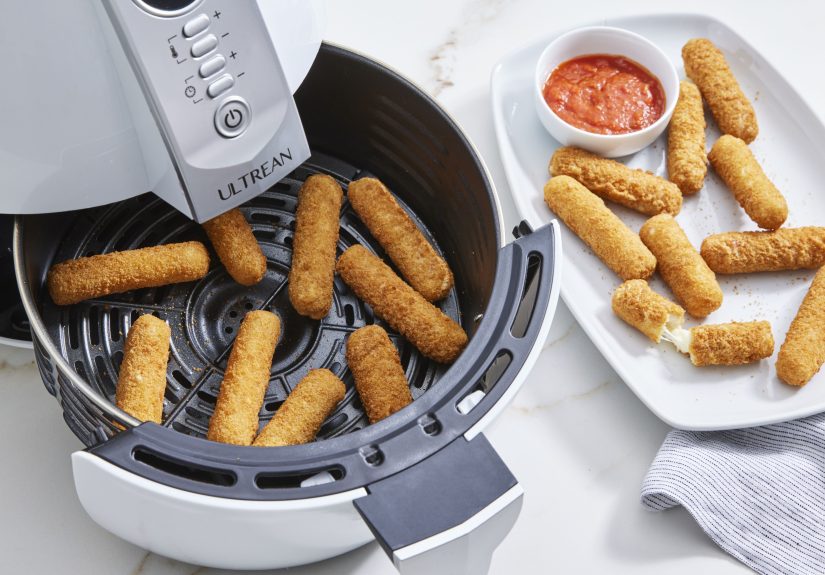
This doesn’t mean all cheese is banned. Breaded frozen mozzarella sticks? Usually fine. Cheese on top of something in a pan insert? Also workable. The problem is uncontained cheese exposed directly to the basket and intense airflow.
Try this instead
Use a ramekin, foil pan, or air-fryer-safe baking dish when melting cheese. Or add cheese near the end of cooking so it melts without staging a dramatic escape through the basket.
9) Sugary Foods and Sticky Glazes (Too Early in the Cook)
Why they burn fast
Sugary marinades and glazes (think honey-heavy sauces, sweet barbecue glazes, or sticky teriyaki) can caramelize quicklyand then burnunder intense circulating heat. That can leave you with a blackened exterior and an undercooked interior.
This one is a timing issue
The air fryer isn’t always the problem; the order is. If you coat food in a sugary glaze from the very beginning, you’re increasing the odds of scorching.
Try this instead
Cook the protein first, then brush on the sugary glaze during the last few minutes. You’ll get better flavor, better color, and fewer “why does my chicken taste like campfire candy?” moments.
Air Fryer Safety Tips You Shouldn’t Skip
Even when you’re cooking air-fryer-friendly foods, safety matters. Here are the basics:
Use a food thermometer
Don’t rely on color alone. For example, common safe minimum internal temperatures include:
- Poultry: 165°F
- Ground meats: 160°F
- Steaks/roasts (whole cuts): 145°F + rest time
Avoid overcrowding the basket
Overcrowding blocks airflow, which leads to uneven cooking and soggy spots. If your air fryer food isn’t crisping, this is often the culprit.
Watch for smoke when cooking fatty foods
Some fatty foods can cause smoking as rendered fat heats up. Cooking in batches, cleaning between runs, and following your manufacturer’s instructions can help.
Know your model’s limits
Basket-style air fryers and air fryer ovens behave differently. Capacity, airflow strength, and heating element placement all affect results.
Bonus safety note
Some packaged foods have specific instructions that may say not to use an air fryer. Always read the label. If a product has a safety-specific warning, follow it exactly.
What to Cook in an Air Fryer Instead
Now that we’ve covered what not to cook, here’s the good news: the air fryer is still fantastic for all kinds of foods. It shines with:
- Frozen fries and tater tots
- Chicken wings and nuggets
- Breaded vegetables
- Roasted potatoes
- Brussels sprouts, cauliflower, and carrots
- Reheating crispy leftovers
Think of your air fryer as a crisping specialist, not a universal replacement for your oven, stovetop, and saucepan.
Conclusion
The air fryer is one of the best kitchen shortcuts aroundbut only when you use it for the right jobs. If you avoid wet batter, loose leafy greens, thin liquids, raw grains, popcorn, large roasts, delicate baked goods, uncontained cheese, and sugary glazes too early, you’ll dodge most of the classic air fryer fails.
In other words: let the air fryer do what it does bestcrisp, roast, and reheatwhile your oven and stovetop handle the rest. Your meals will taste better, your appliance will stay cleaner, and your smoke alarm can finally take the night off.
Experience-Based Notes: Common Air Fryer Fails (and What Home Cooks Learn)
One of the most common experiences people have with air fryers is overconfidence after the first successful batch of fries. The logic goes something like this: “These fries were perfect, so surely I can make soup, cake, tempura, and a full roast dinner in this little basket.” That confidence is understandableand honestly kind of charmingbut it’s also how many air fryer horror stories begin.
A classic example is the wet-batter experiment. A home cook dips fish in a gorgeous seasoned batter, places it in the basket, and waits for crispy pub-style perfection. A few minutes later, the batter has slid off, dripped through the grate, and turned into a sticky layer glued to the bottom. The fish is half-coated, the kitchen smells scorched, and cleanup takes longer than oven-baking would have. The takeaway? If it drips before cooking, it’s probably not ideal for the air fryer.
Another frequent experience is the “kale chip confetti” incident. Someone tosses in light greens with minimal oil, starts the machine, and hears a mysterious rattling sound. When they open the drawer, some leaves are burnt, some are pale, and a few have clearly traveled to places food should not travel. This usually teaches an important lesson about airflow strength: air fryers don’t just heat foodthey move it.
Then there’s the cheese situation. People often assume a little shredded cheese on top of something will be harmless, but if the cheese isn’t contained, it can melt and drip before the rest of the dish is ready. The result is a smoky smell and a crunchy cheese puddle in the drawer. After this happens once, many cooks become loyal fans of ramekins, foil pans, or “add cheese at the end” timing.
Large proteins create another learning curve. A whole chicken may look beautifully browned on the outside, but many cooks discover that the center and areas near the bone need more time than expected. This is where the food thermometer becomes the hero of the story. People who start cooking by internal temperature instead of appearance usually get better results fastnot just in the air fryer, but in every appliance.
Popcorn attempts also deserve a moment of silence. It sounds brilliant in theory: quick hot air plus kernels equals snack time. In practice, many users report inconsistent popping, flying pieces, and a lot of disappointment. Most people try it once, say “never again,” and go back to the stovetop or microwave with renewed respect.
These experiences don’t mean the air fryer is overhyped. They actually prove the opposite: once people learn its strengths and limits, they tend to love it even more. The best air fryer users aren’t the ones who cook everything in itthey’re the ones who know exactly when not to.