Table of Contents >> Show >> Hide
- Cracks in the Foundation: America’s Aging Infrastructure
- Health Gaps from Coast to Coast
- Classrooms in Crisis: Teacher Shortages and Unequal Schools
- Housing: When Home Is Financially Hazardous
- Climate Stress and Communities on the Front Lines
- 50 Fixes, Not Just 50 Complaints
- Walking the Fault Lines: Experiences from a Fraying America
- Conclusion: From Falling Apart to Fixing What Matters
Take a cross-country road trip in 2025 and you’ll see a lot of America at its best:
glittering skylines, wide-open landscapes, jaw-dropping national parks. You’ll also
see a lot of America held together with duct tape, prayer, and “we’ll fix it next
year” budgets.
From crumbling bridges and underfunded schools to rent that eats half a paycheck,
every state has its own weak spots. The good news? The problems are big, but the
solutions aren’t magic. They’re practical, unglamorous fixes that states are already
experimenting with right now.
This guide takes a big-picture look at where the United States is struggling and
offers 50 concrete ideas one for every state, if you like to start turning the
story around. Think of it as a punch list for a country-wide renovation.
Cracks in the Foundation: America’s Aging Infrastructure
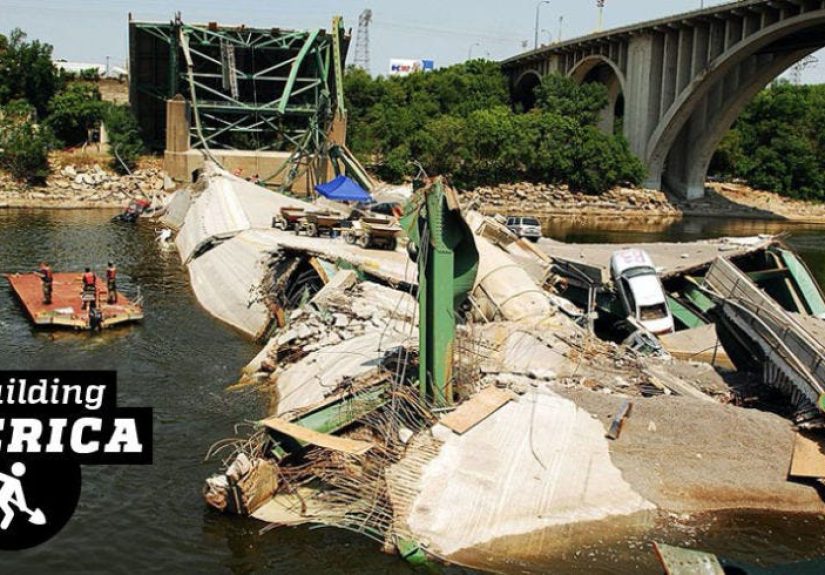
Let’s start with the stuff literally holding everything up: roads, bridges, pipes,
and power lines. The American Society of Civil Engineers (ASCE) gives the nation’s
infrastructure an overall grade of C-, with many categories like roads, transit,
stormwater, and dams stuck in the D range. That’s barely “passed the class, but
please don’t celebrate.”
Roads, Bridges, and the Commute from Nowhere
If your commute feels like an off-road rally, you’re not imagining things. Billions
of dollars in maintenance have been deferred for decades. Federal bridge data show
that while there’s been slow progress, roughly 6–7% of U.S. bridges are still rated
in poor condition, and more than a third need major repair or replacement. The price
tag to catch up just on bridges runs into the hundreds of billions of dollars.
States like Pennsylvania, Louisiana, Florida, West Virginia, and California have
made progress reducing the number of structurally deficient bridges, but many of
those structures were built in the mid-20th century. They weren’t designed for
today’s levels of traffic, heavier trucks, or the climate extremes we’re now
seeing.
Water, Power, and the Stuff You Only Notice When It Fails
Much of America’s water and power infrastructure is underground or behind walls, so
it’s easy to ignore until a pipe bursts, a boil-water advisory hits your phone, or
the grid buckles under a heat wave or cold snap.
Drinking water and wastewater systems in many states need massive reinvestment. Aging
pipes leak treated water before it ever reaches a faucet. Stormwater systems, which
earned some of the lowest grades in the ASCE report card, struggle when “once in a
century” storms arrive every few years. Coastal and wildfire-prone states face a
double challenge: upgrading infrastructure while also making it more resilient.
California’s specific infrastructure report card, for example, landed at a C-. Roads,
dams, and stormwater systems all hovered in the D range, reflecting overworked,
underfunded systems stressed further by droughts, floods, and fires. That story
echoes in state-level assessments across the country.
Health Gaps from Coast to Coast
On paper, U.S. life expectancy ticked back up to around 78.4 years in 2023 after the
pandemic slump. That sounds encouraging until you zoom in and compare states and
then compare the country to other wealthy nations.
States like Hawaii, Massachusetts, and Connecticut sit near the top with life
expectancies close to 80 years. Others, especially in parts of the South and
Appalachia, lag significantly behind. Add in the fact that the U.S. still trails many
peer countries by several years of life expectancy, and you get a clear picture:
where you live in America has a lot to do with how long and how well you live.
Rural Hospitals on Life Support
In many rural areas, the nearest hospital isn’t “down the road”; it’s “hope the car
makes it for an hour.” Dozens of rural hospitals have closed or are at risk of
closing, especially in states with high uninsured rates or thin margins. That means
longer drives for emergency care, fewer maternity wards, and fragile local economies
that depended on healthcare jobs.
This isn’t just a “country problem.” When a rural ER closes, urban hospitals often
get slammed with patients who delayed care until problems became crises. The result?
Overcrowded emergency rooms, burnt-out staff, and higher costs for everyone.
Mental Health Deserts
Another invisible fault line: access to mental health care. Many states face severe
shortages of psychiatrists, therapists, and substance use treatment programs,
especially for children and teens. Long waitlists and patchy insurance coverage mean
that problems often go untreated until they explode into school crises, workplace
burnout, or interactions with the criminal justice system.
The mental health “system” in many states is really a patchwork of emergency rooms,
overworked school counselors, and community nonprofits trying to fill gaps with
grant dollars. That’s not a system; it’s a survival strategy.
Classrooms in Crisis: Teacher Shortages and Unequal Schools
Ask almost any principal what keeps them up at night, and you’ll hear the same
thing: they can’t hire and keep enough teachers. The federal teacher shortage data
show that every state reports shortages in multiple subject areas from special
education and math to career and technical courses.
In some states, thousands of teaching positions are either vacant or filled by
people who aren’t fully certified. That means larger class sizes, endless
substitutes, and students who cycle through several teachers in a single year.
States like Arizona and Kansas have reported especially high vacancy rates and heavy
reliance on emergency or uncertified teachers. But no state is immune. Even
wealthier districts struggle to fill high-demand roles, while rural and low-income
districts compete for a shrinking pool of educators.
Buildings, Broadband, and the Basics
On top of staffing, many school buildings are aging out of their useful life. Think
leaky roofs, outdated HVAC systems, and classrooms not designed for modern tech. In
colder states, students still wear jackets to class because windows draft like
camping tents.
The pandemic highlighted another inequity: broadband access. While federal programs
helped expand coverage, there are still rural pockets and low-income neighborhoods
where fast, reliable internet is not a given. That makes “online learning” in those
places more slogan than reality.
Housing: When Home Is Financially Hazardous
If there’s one topic uniting renters from Florida to Oregon, it’s this: housing is
eating their paychecks alive. Recent data show that nearly half of renter
households around 22 million households are considered cost-burdened, paying 30%
or more of their income on housing and utilities.
A quarter of renters are severely cost-burdened, shelling out more than 50% of their
income just to keep a roof overhead. In the most rent-burdened states, like Florida,
Nevada, and California, around 3 in 10 renters fall into that “over half your income
on rent” category.
That leaves very little for basics like food, transportation, healthcare, and
savings. In the lowest-income households, some families are left with only a few
hundred dollars a month after rent to cover everything else. That’s not a lifestyle
choice it’s a structural problem.
Homelessness and the Missing Middle
High rents, limited supply, and stagnant wages feed into rising homelessness in many
states. Even people working full-time, including teachers, nurses, and service
workers, struggle to find reasonably priced housing near their jobs.
Many regions lack “missing middle” housing duplexes, fourplexes, and small
apartment buildings that used to provide relatively affordable options. Zoning laws,
neighborhood opposition, and construction costs often make these homes hard to build
even where demand is screaming for them.
Climate Stress and Communities on the Front Lines
Layer climate change on top of everything else, and the map gets even more unequal.
Gulf Coast and Atlantic states face hurricanes and rising seas; Western states deal
with wildfires, droughts, and extreme heat; Midwestern and Northeastern states see
heavier rain and flooding.
States are investing in levees, fire breaks, cooling centers, and updated building
codes, but many vulnerable communities especially low-income neighborhoods and
tribal lands don’t have the resources to adapt quickly. When disaster hits,
households already on the edge often never fully recover.
50 Fixes, Not Just 50 Complaints
Enough doom. Let’s talk solutions. Below is a rapid-fire list of 50 practical
“fixes” that states are either already trying or could implement. Not every idea
fits every state, but every state could pick a handful and start changing the
trajectory.
- Adopt multi-year infrastructure plans that prioritize maintenance, not just new ribbon-cuttings.
- Use modern asset management tools so states know exactly which bridges, pipes, and roads are closest to failure.
- Invest in “fix it first” road policies that repair existing pavement before expanding highways.
- Bundle small bridge projects into statewide contracts to lower costs and speed repairs.
- Expand state infrastructure banks to finance water, sewer, and stormwater projects in smaller communities.
- Create resilience standards so new infrastructure can handle 21st-century heat, floods, and storms.
- Modernize building codes in wildfire and hurricane zones, paired with funding to help lower-income homeowners comply.
- Support public power and microgrids in vulnerable areas to keep essential services running during outages.
- Upgrade state-level emergency alert systems so residents get faster, clearer warnings during disasters.
- Support local “green infrastructure” rain gardens, permeable streets, urban trees to handle storms and heat.
- Protect and expand Medicaid and marketplace coverage so fewer people fall through the health insurance cracks.
- Offer targeted loan repayment and bonuses to attract doctors, nurses, and mental health professionals to rural areas.
- Support telehealth with better reimbursement and rural broadband so distance isn’t a barrier to care.
- Invest in mobile clinics that bring preventive care, vaccines, and screenings to small towns and city neighborhoods.
- Create statewide mental health crisis lines and mobile response teams to reduce reliance on police and ERs.
- Fund school-based mental health staff so students can get help where they already are.
- Expand harm reduction and addiction treatment programs instead of relying on jails to manage substance use.
- Track health outcomes by ZIP code to target resources at neighborhoods with the worst life expectancy and chronic disease.
- Support community health workers who can bridge gaps between medical systems and residents.
- Invest in healthy food access through incentives for grocery stores, farmers’ markets, and urban agriculture.
- Raise teacher pay to be competitive with other professions requiring similar education and skills.
- Offer housing stipends or affordable housing options for educators in high-cost regions.
- Fund paid student-teaching residencies so new educators aren’t working for free while training.
- Streamline but don’t water down certification pathways for mid-career professionals moving into teaching.
- Invest in strong mentoring and induction programs so new teachers get support instead of burnout.
- Target bonuses and support to shortage areas like special education, STEM, and rural schools.
- Modernize school buildings with safe HVAC, natural light, and flexible learning spaces.
- Guarantee high-speed internet in every school and library, with after-hours access for students.
- Use state data systems to track vacancies, turnover, and working conditions and actually act on the results.
- Elevate paraprofessionals into teaching roles with paid pathways and tuition assistance.
- Allow more mixed-use, multi-family, and “missing middle” housing in areas currently zoned only for large single-family lots.
- Offer tax credits or low-cost loans for converting vacant commercial buildings into apartments.
- Encourage accessory dwelling units (ADUs) backyard cottages, in-law suites with simple, statewide approval rules.
- Track and discourage predatory home-buying schemes that strip equity from lower-income homeowners.
- Expand state housing trust funds that support affordable developments and rehab aging properties.
- Provide legal assistance and mediation for tenants facing eviction to reduce homelessness.
- Support “housing first” strategies that prioritize stable shelter before anything else.
- Coordinate housing policy with transit, so new developments aren’t stranded from jobs and services.
- Offer targeted property tax relief for low- and fixed-income homeowners in rapidly appreciating areas.
- Update building codes to encourage energy-efficient, lower-utility-cost homes and apartments.
- Develop state climate adaptation plans with real deadlines and funding, not just glossy PDFs.
- Build and maintain evacuation routes in coastal, flood-prone, and wildfire areas.
- Support community-led buyout programs where repeated-flood homeowners want to relocate.
- Protect and restore wetlands, forests, and dunes that act as natural buffers during storms.
- Invest in cooling centers, urban tree canopy, and heat action plans in cities facing extreme temperatures.
- Partner with tribal nations on climate and infrastructure planning that respects sovereignty and local knowledge.
- Help small towns hire planners and grant writers so they can actually access federal and state money.
- Standardize climate risk disclosure in state-run pension and investment funds.
- Support workforce training programs for clean energy, grid modernization, and resilience construction jobs.
- Measure progress publicly and regularly dashboards, report cards, and open data so residents can see what’s changing.
None of these fixes are as exciting as announcing a futuristic mega-project or
cutting a ribbon on a stadium, but they’re the kind of moves that quietly lengthen
life expectancy, lower commute times, keep classrooms staffed, and prevent families
from falling into homelessness. They are, in other words, the boring decisions that
make a country function.
Walking the Fault Lines: Experiences from a Fraying America
Statistics tell one story about where America is falling apart; lived experience
tells another. Talk to people in every state and you start to hear the same themes
with different accents.
In a Midwestern town, a school bus driver explains that her route takes longer every
year because she has to dodge new potholes that never quite make the repair list.
The kids joke about which bumps will launch them off their seats, but the parents
aren’t laughing they know car repairs eat into grocery budgets, and they worry
about what happens if a suspension fails at highway speeds.
In a Southern city, a nurse working the night shift describes the revolving door at
her emergency room. Patients come in with complications from chronic conditions that
never got the right preventive care. They leave, stabilized but still fragile,
heading back to neighborhoods without reliable transportation, healthy food
options, or nearby clinics. The ER becomes the default primary care provider, and
burnout spreads through the staff like a second pandemic.
Head west, and a teacher in a rapidly growing Sun Belt suburb might tell you that
half her colleagues are in their first or second year. She loves the energy they
bring, but she sees how quickly the workload burns them out: oversized classes,
constant testing demands, side gigs to pay the rent. Every September they’re handed
a fresh crop of new hires; every June, a handful quietly decide this will be their
last year in the classroom.
On the coasts, young professionals talk about rent the way previous generations
talked about mortgages. In some cities, even a decent salary barely covers a small
apartment with a roommate or two. People delay having kids, put off starting
businesses, and keep one eye on their inbox for alerts about rent hikes. The classic
“American dream” of saving up for a starter home feels less like a plan and more
like a plot twist.
Drive through small towns in the Mountain West or the Great Plains and you’ll hear
another version of the story. Residents remember when the local hospital had a
maternity ward, when the main street was busy on Saturday, when trains still hauled
goods through town. Now, closures and consolidations mean more empty storefronts and
longer drives for basic services. People aren’t angry so much as tired tired of
being told that help is coming, tired of seeing their kids move away because they
don’t see a future at home.
Yet in those same conversations, you also hear something else: creativity. A small
town uses federal grants and local volunteers to renovate an old school into a
community hub with shared workspaces, a daycare, and a health clinic. A city
launches a “housing first” program that pairs permanent apartments with on-site
support services and starts to see chronic homelessness fall. A state passes
bipartisan legislation to boost teacher pay, and for the first time in years, its
teacher prep programs have waitlists.
The common thread in these experiences isn’t despair; it’s a stubborn refusal to
accept decline as inevitable. People know exactly where things are falling apart:
the failing bridge they drive over, the hospital that closed, the rent bill that
swallowed their raise, the teacher their kid lost mid-year. They also have sharp,
practical ideas about what would help from better bus routes and mental health
clinics to zoning reforms and apprenticeship programs.
If there’s a hopeful lesson in the “50 states and 50 fixes” mindset, it’s this:
America’s problems are everywhere, but so are its solutions. They’re in small-town
council meetings and big-city ballot measures, in tribal governments and state
capitols, in neighborhood associations and scrappy nonprofits. The trick is less
about inventing new ideas and more about copying the ones that already work and
scaling them with seriousness and urgency.
The country doesn’t need a miracle cure. It needs a nationwide renovation slow,
noisy, occasionally inconvenient, but ultimately worth it. And like any good
renovation, it starts with a brutally honest inspection, a realistic budget, and a
clear list of fixes. The inspection is done. The list is here. The question now is
whether each state will pick up its tools.
Conclusion: From Falling Apart to Fixing What Matters
America’s weak points show up in different ways in every state a cracked bridge
here, a teacher shortage there, a rent crisis elsewhere but the pattern is the
same. For decades, the country has underinvested in the basics that quietly make
life safer, healthier, and more affordable.
The 50 fixes outlined here aren’t exhaustive, and they won’t all make headlines. But
they offer a blueprint: maintain what we already have, invest in people who hold the
system together, and design policies that recognize how housing, health, education,
and infrastructure all intersect.
The map of America’s problems can feel overwhelming. The map of solutions is already
taking shape one state law, city pilot, county budget, and community project at a
time. The next step is simple, if not easy: copy what works, fund it like it
matters, and stay with it long enough to see the cracks start to close.