Table of Contents >> Show >> Hide
- Before You Start: How to Set Up a Better Back Massage
- Way #1: Use Long Gliding Strokes to Warm Up the Back
- Way #2: Knead the Shoulder Muscles and Upper Back
- Way #3: Make Small Circles Around Tight Spots
- Way #4: Use Gentle Compression and Rocking
- A Simple 10-Minute Back Massage Routine
- What to Avoid During a Back Massage
- How to Tell If the Massage Is Helping
- Everyday Experiences With Back Massage: What People Often Notice
- Conclusion
- SEO Tags
If you have ever looked at someone rubbing their shoulders like they were trying to start a lawn mower, you already know one thing: back tension is wildly common. The good news is that you do not need a spa soundtrack, a heated table, or a mysterious jar labeled “muscle miracle cream” to give a helpful back massage. With a little care, a few basic techniques, and the wisdom to avoid mashing the spine like pizza dough, you can help someone relax and ease ordinary muscle tension.
This guide breaks down four easy ways to massage someone’s back in a simple, beginner-friendly format. You will learn how to set up the space, how much pressure to use, where your hands should go, and what to avoid. The goal is not to play doctor or pretend you are opening a luxury wellness retreat in the living room. The goal is to offer a safe, soothing back massage that feels good and respects the body.
Before you begin, remember the golden rule: comfort beats intensity. A good massage should feel relieving, warm, and relaxing, not like an argument between your thumbs and someone else’s rib cage.
Before You Start: How to Set Up a Better Back Massage
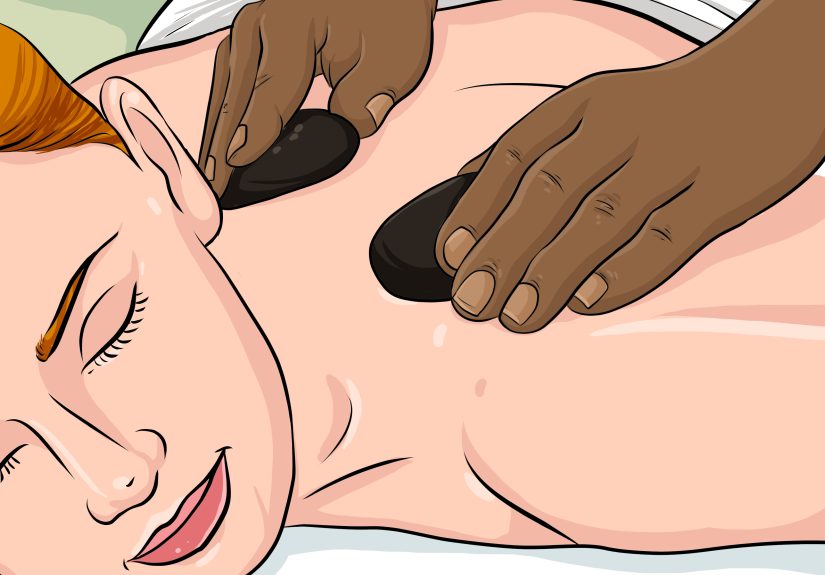
A few small adjustments can turn an awkward shoulder rub into something that actually helps. First, ask the person where they feel tightness. Some people carry stress in the shoulders and upper back. Others feel it around the shoulder blades or the low back. Ask whether they want light, medium, or firm pressure. An easy trick is to use a scale from 1 to 10 and stay around a comfortable 4 to 6 unless they clearly want less.
Next, position matters. If they are lying face down, place a small pillow or folded towel under the ankles and, if needed, under the chest for comfort. If they are sitting in a chair, have them lean slightly forward onto a table or pillow. The more supported they are, the less their muscles have to “work,” and the easier it is for the back to relax.
Warm hands help. Cold hands on bare skin can ruin the mood faster than a ringing phone. Rub your hands together first, then use a small amount of lotion or oil so your hands glide instead of dragging. Not too much, though. You are giving a massage, not buttering a dinner roll.
One more important point: do not massage directly over the spine, open wounds, bruises, skin infections, burns, or areas that are sharply painful. Stop immediately if the person feels numbness, tingling, dizziness, shooting pain, or anything that feels “wrong” rather than merely tender.
Way #1: Use Long Gliding Strokes to Warm Up the Back
Why it works
Long gliding strokes are one of the easiest and safest massage techniques for beginners. They help spread lotion, warm the muscles, and tell the nervous system, “Relax, we are doing something nice now.” This style is often associated with Swedish massage and is a great first step because it feels smooth and calming without requiring complicated hand skills.
How to do it
Stand beside the person and place both hands flat on either side of the upper back. Glide your hands slowly down along the muscles beside the spine, out over the mid-back, and then sweep back up toward the shoulders in a broad oval pattern. Keep the pressure even and smooth. Your hands should move like they are ironing wrinkles out of a shirt, not searching for buried treasure.
Repeat this for 1 to 3 minutes. Start light and gradually build to moderate pressure if the person likes it. You can use the whole palm of your hand rather than just your fingers. That spreads pressure more comfortably and saves your hands from feeling like overworked office interns.
Best areas for this technique
- Upper back and shoulders
- Mid-back muscles on both sides of the spine
- Broad, tense areas that feel generally tight
This warm-up technique is ideal for anyone who says, “My whole back feels stiff,” which is a sentence roughly half of adults have said by Tuesday.
Way #2: Knead the Shoulder Muscles and Upper Back
Why it works
Kneading is useful when the muscles feel tight, ropey, or bunched up around the shoulders. Many people hold tension in the trapezius muscles, which run from the neck across the shoulders and upper back. Gentle kneading can make these areas feel looser and more alive, especially after long hours at a desk, in a car, or hunched over a phone like a thoughtful gargoyle.
How to do it
Use your fingers and thumbs to gently lift and squeeze the soft muscle of the shoulders and upper back. Think of it as slowly kneading bread dough, except the dough has opinions and will tell you if you are overdoing it. Work one side at a time. Squeeze, release, move a little, and repeat.
Focus on the fleshy parts of the shoulder, the tops of the shoulders, and the muscles between the shoulder blade and spine. Use moderate pressure, but do not pinch the skin. If the person tenses up, holds their breath, or says “Wow” in a voice that does not sound cheerful, back off.
Tips for better kneading
- Use slow, steady squeezes instead of quick pinches
- Alternate hands to create a rhythm
- Ask often: “Is this pressure okay?”
- Spend extra time on one especially tight spot, but only 20 to 30 seconds at a time
This technique works especially well for muscle tension relief after stressful days, long computer sessions, or travel. It can also be a nice follow-up after gliding strokes because the muscles are already warmed up and less guarded.
Way #3: Make Small Circles Around Tight Spots
Why it works
Sometimes the back does not feel tight everywhere. Sometimes there is one stubborn area near the shoulder blade or upper back that feels like it signed a long-term lease. Small circular motions can help bring focused attention to these tense spots without requiring aggressive deep pressure.
How to do it
Use your fingertips, thumbs, or the heel of your hand to make slow circles over a tight area. The circles should be small and controlled. Stay on the muscle, not on the bones. Good places include the muscles along the inner border of the shoulder blade and the thick muscles beside the spine. Avoid pressing directly on the spine itself.
Do 5 to 10 circles in one area, then glide away and come back later if needed. That little break matters. Constant pressure can make a sensitive spot feel irritated instead of relieved. You want to invite the muscle to calm down, not challenge it to a duel.
How much pressure should you use?
Less than you probably think. Many beginners assume a helpful massage has to be strong enough to “break up knots.” In real life, too much pressure often makes muscles tighten defensively. Use enough pressure to feel the tissue move, but not enough to cause sharp pain. Comfortable, steady pressure usually wins.
This method is one of the best answers to the question how to massage someone’s back when the issue is localized tension rather than whole-back soreness.
Way #4: Use Gentle Compression and Rocking
Why it works
If gliding strokes are the welcome mat and kneading is the friendly chat, compression and rocking are the soothing finale. These techniques can calm the body, reduce the “guarding” that tight muscles often do, and help the person feel grounded. They are especially useful for people who do not like slippery oil-based massage or who prefer a quieter, less fussy style.
How to do it
Place one or both hands flat on a broad area of the back and lean in gently using your body weight, then release. Hold each compression for 2 to 4 seconds. Move across the upper back, middle back, and shoulders. Think “firm hug from the floor,” not “wrestling move from the county fair.”
For rocking, place your hands on the upper back or shoulders and gently move the person’s body in a subtle side-to-side rhythm. Keep it small. The motion should feel calming, not like you are trying to wake up a ketchup bottle.
When compression is especially helpful
- When the person feels generally tight but does not want deep work
- When your hands are tired and need a technique that relies more on body weight
- At the end of a massage, to help the body settle
This is one of the easiest back massage tips to learn because it does not require complicated finger strength. It also encourages slower pacing, which often makes the massage feel more professional and more relaxing.
A Simple 10-Minute Back Massage Routine
If you want a practical routine, here is an easy flow:
- 2 minutes: Long gliding strokes over the whole back
- 3 minutes: Kneading the shoulders and upper back
- 3 minutes: Small circles on the tightest areas
- 2 minutes: Gentle compression and rocking to finish
End with a few slow gliding strokes so the massage does not stop abruptly. A calm ending feels better than suddenly announcing, “Okay, done,” like a mechanic closing the hood.
What to Avoid During a Back Massage
A helpful massage is about judgment as much as technique. Avoid pressing hard on the spine, shoulder blades, kidneys, or ribs. Do not dig elbows into someone because you saw it online and briefly believed you were a licensed wizard. More pressure is not always more effective.
You should also skip massage, or at least ask a healthcare professional first, if the person has a fever, skin infection, open wound, unexplained swelling, blood clot concerns, a recent fracture, severe osteoporosis, recent surgery, active cancer care restrictions, or sudden severe back pain with numbness or weakness. Pregnancy can also change what is appropriate, especially with positioning and pressure, so extra care is wise.
And please, for the love of lower backs everywhere, do not keep going over an area just because it feels “knotty.” Muscles are not hostile little marbles that need to be punished into submission.
How to Tell If the Massage Is Helping
The best signs are simple. The person breathes more slowly. Their shoulders drop. Their face stops doing that tiny stress squint. The skin may feel warmer, and the muscles may feel softer under your hands. They may say the area feels looser, lighter, or less stiff.
Massage is not a magical cure for every kind of back pain, and it should not replace medical care when symptoms are serious. But for everyday tension, stress-related tightness, and mild soreness, a thoughtful massage can absolutely make someone feel better in the moment. Sometimes that is exactly what people need: not a miracle, just relief.
Everyday Experiences With Back Massage: What People Often Notice
One of the most interesting things about a relaxing back massage is how differently people respond to the same basic techniques. For one person, the shoulders are the whole story. They sit at a laptop all day, answer emails with the urgency of a newsroom editor, and by evening their upper back feels like it has been assembled from cardboard and worry. In that case, a few minutes of gliding strokes and kneading around the shoulders can create a very obvious shift. They often start out talking quickly, maybe even apologizing for “all the knots,” and by the end they are quieter, breathing deeper, and wondering why their neck suddenly feels two inches longer.
Another common experience is the “I did not realize how tense I was until you started” reaction. This happens a lot with people who carry stress in the mid-back or around the shoulder blades. They may not complain of sharp pain, but once massage begins, they become aware of how much subtle tension they were holding. Small circles in those areas can feel surprisingly effective, especially when paired with regular check-ins about pressure. The trick is that relief usually comes from steady, tolerable contact, not heroic force.
Some people also notice that the most helpful part of the massage is not the strongest stroke. It is the rhythm. A predictable pace can make the whole body feel safer and calmer. That matters because stress and muscle tension love each other a little too much. When the massage slows the body down, the back often follows. This is why compression and rocking can feel so good even though they look simple. The body tends to respond well when it is not being surprised every five seconds.
There are also practical, real-world moments where back massage helps more than people expect. A partner rubs someone’s shoulders after a long drive. A parent gently massages a teenager’s upper back after an intense sports practice. A friend offers a short chair massage during a study break. In each case, the setting is ordinary, but the effect can still be meaningful. People often describe feeling warmer, lighter, or less “stuck” afterward. Sometimes the benefit is physical. Sometimes it is emotional. Often it is both.
Of course, experience also teaches humility. Not every sore back wants the same thing. Some areas respond beautifully to kneading, while others prefer only light gliding. Some people love focused attention on a tight spot; others would rather keep the whole massage broad and gentle. The best givers of massage usually are not the ones with the strongest thumbs. They are the ones who pay attention, communicate, and adjust. In other words, they do not try to win the massage. They listen to it.
That may be the most useful lesson of all. Giving a back massage is less about memorizing fancy terms and more about combining basic techniques with observation. If the shoulders soften, if the breathing slows, if the person says, “That actually feels amazing,” you are probably doing something right. And if nothing else, offering a kind, careful massage is one of the rare modern skills that is both practical and deeply human. Not bad for two hands and ten minutes.
Conclusion
Learning 4 easy ways to massage someone’s back does not require years of training or a suitcase full of spa supplies. Start with long gliding strokes, add kneading for the shoulders, use small circles on stubborn tight spots, and finish with gentle compression or rocking. Keep the pressure comfortable, avoid the spine and injured areas, and communicate often. That simple formula can turn an average back rub into a thoughtful, effective act of care.
In a world where many people spend their days hunched, rushed, and mildly fused to their chairs, a good back massage is not just nice. It is a tiny rebellion against tension.