Table of Contents >> Show >> Hide
- Why governments stockpile odd things in the first place
- 1) Cheese (Yes, actual “government cheese”)
- 2) Raisins (America’s “you must surrender part of your raisins” era)
- 3) Maple syrup (Canada’s “sticky strategic reserve”)
- 4) Helium (the “party balloon” gas that’s actually life-and-industry critical)
- 5) Frozen pork (China’s “meat thermostat” reserve)
- 6) Seeds (the “backup hard drive” for civilization)
- 7) Medical countermeasures (tiny vials with enormous “please never need this” energy)
- 8) Critical minerals (the national-security version of keeping spare phone chargers)
- 9) Coffee beans (Switzerland’s emergency “do not talk to me until I’ve had my ration” plan)
- 10) Seized ivory (a grim stockpile created by enforcement)
- Conclusion: weird stockpiles are just preparedness wearing a funny hat
- Real-world experiences: what it feels like when a “weird stockpile” becomes suddenly relevant
If you ever want proof that adulthood is just “panic-buying, but with committees,” meet the world of
government stockpiles. Some reserves make obvious sense (fuel, medicines, grain). Others?
They sound like the shopping list of a doomsday-themed cooking show: cheese, coffee beans, and enough maple syrup
to make your pancakes legally binding.
Still, these “weird” strategic reserves aren’t random. Governments stockpile unusual items to
stabilize markets, protect public health, preserve biodiversity, and keep critical industries from face-planting
when supply chains get spicy. Below are ten real examples of the strangest items governments are stockpiling
plus why they do it, how it works, and what can go hilariously (or seriously) wrong.
Why governments stockpile odd things in the first place
Stockpiling is basically “insurance,” except instead of paperwork you get warehouses. A strategic stockpile
can serve a few big goals:
- Market stabilization: smooth out wild price swings for staple goods.
- Emergency readiness: respond fast to disasters, outbreaks, or terrorism.
- National security: secure materials needed for defense and critical infrastructure.
- Long-term resilience: preserve resources that could be irreplaceable later (like seeds).
In other words: sometimes “strange” is just “important, but not dinner-table conversation.”
1) Cheese (Yes, actual “government cheese”)
What’s being stockpiled?
Large volumes of cheese, historically held through federal commodity programs and surplus management.
The phrase “government cheese” became famous in the 1980s, when stored inventories were distributed to states
and organizations serving people in need.
Why stockpile cheese?
Dairy price supports and surplus purchases can create more milk than the market wants at that moment.
Turning excess dairy into cheese extends shelf life and helps stabilize farm income. Cheese is basically
milk’s “I’ll keep” option.
Why it’s weird (and kind of genius)
It’s not the weirdest food in the worlduntil you picture it: warehouse-scale cheese, sitting patiently
like a dairy dragon’s treasure hoard. Also, it’s a reminder that “food policy” is sometimes “how do we not
drown in cheddar.”
2) Raisins (America’s “you must surrender part of your raisins” era)
What’s being stockpiled?
For decades, a federal marketing order for California raisins included a “reserve” conceptdiverting a portion
of the crop away from the open market to manage supply and support prices.
Why stockpile raisins?
The logic was classic market stabilization: reduce oversupply, prevent price crashes, and give growers a more
predictable income. In theory, everyone winsexcept the part where the raisins are treated like they’re joining
a tiny, wrinkly draft.
The plot twist
The raisin reserve approach became legally controversial and reached the U.S. Supreme Court (because America can
turn anything into constitutional law, including dried fruit). The takeaway: even “strategic reserves” can bump
into property-rights reality.
3) Maple syrup (Canada’s “sticky strategic reserve”)
What’s being stockpiled?
Québec maintains a large maple syrup reserve (often described as the world’s only “maple syrup reserve”)
to buffer bad harvest years and stabilize supply.
Why stockpile syrup?
Maple syrup production depends heavily on weather conditionstemperature swings can make a season amazing or
disappointing. A reserve helps keep prices from whiplashing and ensures steady availability for consumers and
businesses.
Why it’s famous
Because it’s both adorable and intensely practicallike a sweater that’s also a fire extinguisher. Also, the reserve
gained pop-culture notoriety after a major maple syrup theft years ago, proving that even breakfast can inspire
heist energy.
4) Helium (the “party balloon” gas that’s actually life-and-industry critical)
What’s being stockpiled?
The U.S. maintained a federal helium reserve stored underground in Texas for decades. Helium is used in medical imaging,
semiconductor manufacturing, scientific research, and other specialized applications.
Why stockpile helium?
Helium isn’t easily “made” on demand. It’s typically captured as a byproduct of natural gas extraction, and once released,
it can escape into the atmosphere and be gone for good. That makes supply security a real issue.
What changed?
In recent years the federal system moved toward sell-down/transfer, reflecting policy shifts about how strategic
reserves should be managed. The headline remains: the same element that makes your voice squeak can also help keep
hospitals and high-tech manufacturing running.
5) Frozen pork (China’s “meat thermostat” reserve)
What’s being stockpiled?
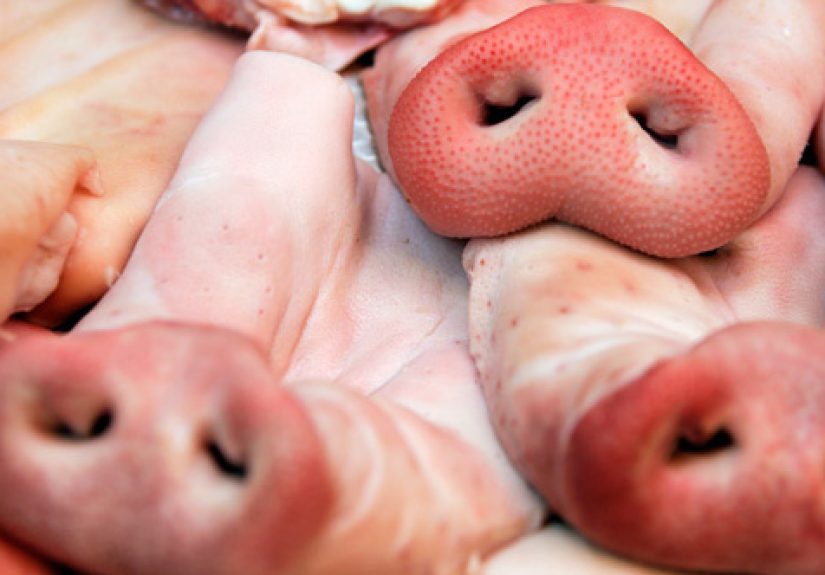
China has used state pork reservesbuying and storing pork when prices drop and releasing it when prices spiketo help
stabilize a staple food market.
Why stockpile pork?
Pork is central to diets and food inflation dynamics. Disease outbreaks (like African swine fever), feed costs, and supply
shocks can swing prices hard. A reserve lets the government act like a shock absorber.
Why it’s “strange” to outsiders
Many countries have grain reserves; fewer people imagine a nation managing inflation with a freezer full of pork.
But as an economic tool, it’s straightforward: control supply timing, reduce panic, and calm the market.
6) Seeds (the “backup hard drive” for civilization)
What’s being stockpiled?
The Svalbard Global Seed Vault in Norway stores duplicates of seed samples from around the worldessentially a
long-term insurance policy for crop diversity.
Why stockpile seeds?
War, natural disasters, funding cuts, or accidents can wipe out local seed banks. A secure backup helps preserve the
genetic resources needed to grow food in future conditionsespecially as climate patterns shift.
Why it’s one of the strangest (and smartest)
It feels like science fiction: a mountain vault in the Arctic quietly guarding the ingredients of humanity’s lunch.
But it has already supported real-world recovery efforts when seed collections were threatened or damaged.
7) Medical countermeasures (tiny vials with enormous “please never need this” energy)
What’s being stockpiled?
The U.S. Strategic National Stockpile holds medicines and medical supplies for emergencies, including
countermeasures for rare but high-impact threats (think: specific vaccines, antitoxins, and specialized response kits).
Why stockpile these?
Many of these products aren’t used daily, are expensive to maintain, and would be difficult to manufacture quickly at scale.
Stockpiling is how you avoid a “wish we’d planned this yesterday” moment during an outbreak or attack.
Where it gets weird
The weirdness isn’t the items themselvesit’s the mismatch between everyday life and the scenarios they’re designed for.
Most people don’t think about botulism antitoxin or rare vaccines until they learn a warehouse somewhere absolutely does.
That warehouse is basically a national “break glass in case of nightmare” cabinet.
8) Critical minerals (the national-security version of keeping spare phone chargers)
What’s being stockpiled?
The U.S. maintains a National Defense Stockpile of certain strategic and critical materials (metals and minerals used in
defense systems and advanced manufacturing). Recent attention has focused on materials like cobalt and scandium.
Why stockpile minerals?
Supply chains for critical minerals can be vulnerable to geopolitical friction, export restrictions, or limited global production.
Stockpiles reduce the risk that shortages stall defense readiness or key industries.
Why it’s secretly “strange”
You can’t eat scandium. You can’t build a cozy cabin out of cobalt. But modern lifeand modern defense systemsrun on
obscure ingredients most people never see. A strategic reserve of “invisible building blocks” is weird until you remember
your smartphone is basically a mineral museum with better Wi-Fi.
9) Coffee beans (Switzerland’s emergency “do not talk to me until I’ve had my ration” plan)
What’s being stockpiled?
Switzerland has maintained emergency stockpiles of staples, and coffee beans became famous when officials debated whether
coffee should count as “essential” enough to keep stockpiling under national rules.
Why stockpile coffee?
Coffee is imported, supply routes can be disrupted, and demand is… let’s call it “emotionally non-negotiable.”
Even if coffee isn’t necessary for survival in the strictest sense, governments sometimes plan for social stability,
continuity, and public moralebecause cranky populations are not known for their calm policy discussions.
Why it’s peak human
Somewhere in a serious meeting, someone had to say out loud: “We might run out of coffee.”
And everyone in the room immediately understood the stakes.
10) Seized ivory (a grim stockpile created by enforcement)
What’s being stockpiled?
Governments around the world have accumulated ivory stockpiles through seizures and enforcement actions against illegal trade.
Some countries store it for evidence, policy decisions, or eventual destruction events intended to deter trafficking.
Why stockpile something you don’t want?
Because enforcement creates inventory. Once seized, ivory has to go somewhere secure. Decisions about what to do nextdestroy,
store, or (controversially) sellcan have major implications for conservation, markets, and crime incentives.
Why it belongs on this list
It’s “strange” in the saddest way: a reserve made of what society is trying to eliminate. It’s not stockpiled for use,
but because governments are stuck managing the physical reality of illegal trade.
Conclusion: weird stockpiles are just preparedness wearing a funny hat
The world runs on two forces: logistics and surprises. Strategic reserves exist because “global supply chains” are great
right up until they’re not. Whether it’s cheese from commodity programs, seeds guarding future harvests, or critical minerals
keeping high-tech systems alive, government stockpiles are society’s way of admitting, “We’d like to not
reinvent civilization during every crisis.”
And yes, some of these reserves sound odd. But when you zoom out, the logic is simple:
stockpile the stuff that becomes painfully important when timing, politics, weather, or biology refuses to cooperate.
If that includes maple syrup and coffee, honestly… humanity checks out.
Real-world experiences: what it feels like when a “weird stockpile” becomes suddenly relevant
If you’ve never interacted with a government stockpile, congratulationsyou’ve been living in the boring (and therefore
ideal) timeline. Most stockpiles are designed to be invisible. The best-case scenario is that they sit quietly, rotated and
audited, while everyone else forgets they exist. The second-best scenario is that they’re deployed smoothly, and the public
says, “Wow, that was fast,” before returning to arguing about sports and sandwich rankings.
But sometimes stockpiles break through into everyday life in ways that feel almost comicaluntil you realize the stakes.
Take the legendary “government cheese” moment: people didn’t experience it as a policy mechanism. They experienced it as a
literal block of cheese showing up where it was needed, turning abstract economics into something you could slice.
For many communities and organizations, the practical experience wasn’t about ideology; it was about calories, nutrition,
and the odd relief of knowing that somewhere, someone planned for shortageseven if the plan arrived wrapped in plain packaging
and roughly the size of a textbook.
Maple syrup is another great example of “serious planning with a funny vibe.” To producers and buyers, the reserve is a
stabilizersomething that helps prevent chaotic boom-and-bust seasons. But to everyone else, the experience is mostly emotional:
maple syrup is comfort food, tradition, and small luxuries. When you hear that there’s a reserve big enough to smooth supply
for years, it feels like the universe quietly whispering, “Pancakes will be okay.” And then you learn about the infamous syrup
theft from years past, and the experience shifts again: even a sweet commodity can become a target when it’s valuable, stored in
bulk, and tied to global demand.
Helium has a different kind of “experience” attachedless meme-worthy, more quietly alarming. People notice helium shortages
not when balloons disappear from birthday parties (though that happens), but when hospitals, labs, and manufacturers feel price
spikes and supply constraints. That’s when the public learns that a strategic reserve wasn’t just a quirky Cold War relic; it was
a buffer for specialized uses that can’t simply swap in a different gas because the vibes changed.
Medical countermeasures are the most intense version of this phenomenon. If the stockpile does its job, you may only notice a
headline about supplies being deployed, and then it fades. But for responders, public health teams, and clinicians, the experience
can be visceral: having the right medicine or equipment available quickly can change an entire response curve. The “weirdness”
of storing rare vaccines, antitoxins, or specialized kits disappears the moment an emergency becomes real. In that moment, the
stockpile stops being a warehouse and becomes timeextra time to diagnose, distribute, and treat.
Even the coffee stockpile debate has a human lesson: preparedness isn’t only about survival math; it’s also about social function.
Coffee is routine, workplace rhythm, and (for many people) the difference between “Good morning” and “Do not perceive me.” When a
government argues about whether coffee is “essential,” it’s really arguing about how a society stays steady under stress.
The bottom line from all these experiences is simple: stockpiles are less about hoarding and more about continuity. When they work,
you experience them as normal life continuingfood still arriving, prices not spiking as wildly, hospitals not improvising, and
supply chains not turning into a daily suspense novel. Strange items, serious purpose.