Table of Contents >> Show >> Hide
- Why Pelvic Floor Strength Matters
- Way #1: Learn Proper Kegel Exercises and Do Them Correctly
- Way #2: Strengthen the Pelvic Floor Through Breathing, Core, and Hip Work
- Way #3: Use Pelvic Floor Physical Therapy if You Are Unsure, Symptomatic, or Stuck
- Common Mistakes That Can Slow Progress
- How Long Does It Take to See Results?
- What People Commonly Experience When They Start Pelvic Floor Training
- Final Thoughts
- SEO Tags
Let’s clear up one very common phrase before we begin: when people talk about “strengthening vaginal muscles,” they usually mean strengthening the pelvic floor muscles that support the vagina, bladder, bowel, and uterus. That may sound a little clinical, but the goal is wonderfully practical. A stronger, better-coordinated pelvic floor can help with bladder control, support after pregnancy, everyday comfort, and confidence when your body decides to sneeze at the least convenient moment possible.
The good news is that this is not a mysterious, influencer-only wellness trick wrapped in pastel packaging. Pelvic floor training is a real, evidence-based approach used by gynecologists, urologists, physical therapists, and major medical centers. The even better news? You do not need a boutique gym, a celebrity trainer, or a motivational playlist featuring dramatic violin music. You mainly need the right technique, consistency, and the wisdom not to turn every bathroom trip into an unofficial workout.
If you have symptoms such as leaking urine when you cough or laugh, a feeling of heaviness in the pelvis, trouble fully relaxing the area, or discomfort during exercise, it may be time to give your pelvic floor some attention. Here are three practical ways to strengthen vaginal muscles safely and effectively, plus what real people often notice when they stick with the process.
Why Pelvic Floor Strength Matters
Your pelvic floor is a group of muscles and connective tissues that forms a supportive sling at the base of your pelvis. These muscles help support your pelvic organs and play a role in bladder and bowel control. When they become weak, poorly coordinated, or overly tense, you may notice leaks, pressure, discomfort, or the frustrating sense that your core has quietly resigned from its job without giving notice.
Weakness can happen for many reasons, including pregnancy, childbirth, aging, menopause, chronic straining, heavy lifting, certain surgeries, weight gain, or repeated high-impact activity. But weakness is not the whole story. Some people do not actually need “more squeezing.” They need better coordination, better breathing, and sometimes help learning how to relax muscles that are too tight. That is why smart pelvic floor training is usually better than random pelvic floor squeezing.
Way #1: Learn Proper Kegel Exercises and Do Them Correctly
Kegel exercises are the most famous pelvic floor move for a reason: they can work. When done correctly, they help strengthen the muscles around the urethra, vagina, and rectum. The catch is that many people either contract the wrong muscles, push down instead of lifting up, hold their breath, or rush through the reps like they are trying to beat a timer. Pelvic floor training is less about speed and more about precision.
How to find the right muscles
One common cue is to imagine that you are trying to stop passing gas and gently stop urine flow at the same time. That feeling of lifting and closing is the direction you want. Your belly, buttocks, and inner thighs should stay as relaxed as possible. You should also be able to breathe normally. If your entire body looks like it is negotiating with a stubborn jar lid, you are probably overdoing it.
You can test your awareness once in a while, but do not make a habit of doing Kegels while urinating. Regularly stopping your urine stream as an exercise can interfere with complete bladder emptying and may raise the risk of urinary problems.
A beginner Kegel routine
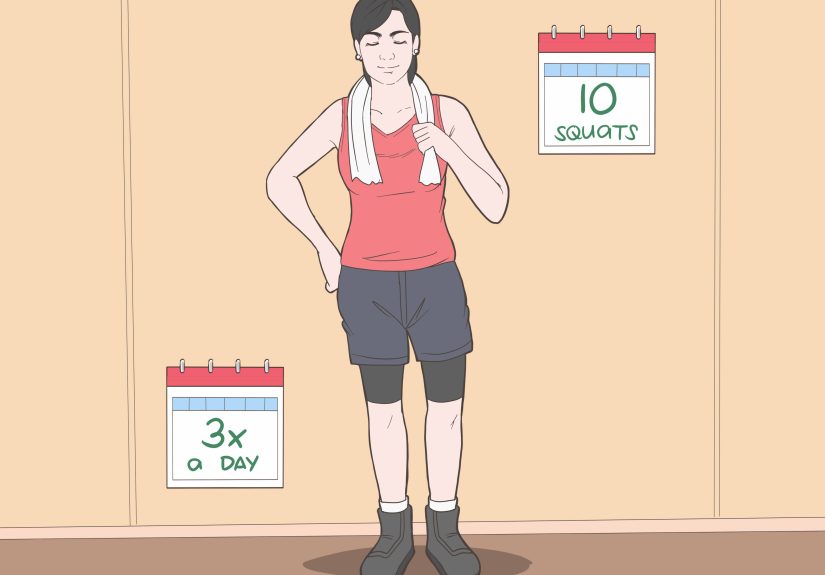
Start in a comfortable position, such as lying on your back with knees bent. Gently squeeze and lift the pelvic floor muscles for about 3 to 5 seconds, then fully relax for 3 to 5 seconds. Repeat this cycle 10 times. As you improve, work up to 5- to 10-second holds with full relaxation between each repetition.
A simple plan is to do one set in the morning, one in the afternoon, and one in the evening. Over time, practice in different positions: lying down, sitting, and standing. That matters because your pelvic floor has to work in real life, not just while you are horizontally reflecting on your goals.
Add both endurance and quick control
Strong pelvic floor muscles need both staying power and quick reflexes. Slow holds build endurance. Quick contractions, sometimes called “quick flicks,” help the muscles react during a cough, sneeze, laugh, or jump. You can add 5 to 10 quick squeezes after your slower set, making sure each contraction is followed by a full release.
The keyword here is release. Muscles do not get healthier by living in a permanent state of panic. If you never relax between reps, you are not training well. You are just teaching your body to stay tense.
Way #2: Strengthen the Pelvic Floor Through Breathing, Core, and Hip Work
Kegels are useful, but they are not the only tool in the toolbox. Your pelvic floor works as part of a team that includes your diaphragm, deep abdominal muscles, back muscles, glutes, and hips. If those muscles are weak or poorly coordinated, your pelvic floor often has to work overtime. And just like the most responsible person in a group project, it eventually gets tired and annoyed.
That is why pelvic floor specialists often combine Kegels with breathing drills and simple strength exercises. When you inhale, your diaphragm and pelvic floor naturally respond. When you exhale, you can gently engage your lower core and pelvic floor together. This creates better coordination and makes your strengthening work more functional.
1. Diaphragmatic breathing
Lie on your back or sit comfortably. Inhale slowly so your ribs and belly expand. As you exhale, gently lift the pelvic floor and lightly engage your lower abdominals. Do not bear down. Do not suck in your stomach like you are bracing for an awkward photo. Think “lift and support,” not “crush and conquer.”
2. Bridges
Lie on your back with knees bent and feet flat on the floor. Inhale to prepare. As you exhale, gently lift your pelvic floor, engage your glutes, and raise your hips into a bridge. Lower back down with control. Bridges help connect the pelvic floor with the glutes and core, which can improve overall pelvic stability.
3. Supported squats or sit-to-stands
Using a chair for support if needed, sit down and stand up slowly while exhaling during the effort phase. Think about staying tall through your spine and gently engaging the pelvic floor instead of clenching everything from eyebrows to ankles. This pattern helps train your body to manage pressure during daily movement.
4. Pelvic tilts and gentle core control
Pelvic tilts can improve awareness of the lower core and pelvis. They are especially helpful for people who feel disconnected from their midsection after pregnancy or long periods of inactivity. The goal is smooth, coordinated movement, not dramatic acrobatics.
If you are postpartum, in menopause, or returning to exercise after symptoms like leakage or pelvic heaviness, this full-body approach can be more useful than doing endless Kegels in isolation. A stronger pelvic floor usually functions best when the rest of the support system shows up for work too.
Way #3: Use Pelvic Floor Physical Therapy if You Are Unsure, Symptomatic, or Stuck
This may be the most underrated method of all. If you are not sure whether you are doing Kegels correctly, have persistent symptoms, or feel worse instead of better, a pelvic floor physical therapist can be a game changer. These clinicians do much more than say, “Try squeezing harder.” In fact, sometimes the answer is the opposite.
Pelvic floor physical therapy can help identify whether your muscles are weak, tense, poorly coordinated, or all three. Treatment may include exercise, breathing work, posture changes, behavioral strategies, and sometimes biofeedback. Biofeedback uses sensors or monitoring tools to help you learn how to contract and relax the correct muscles more effectively. In plain English, it helps take the guesswork out of a body part that many people have never been taught how to use on purpose.
When professional help makes sense
You should consider seeing a clinician if you have:
- Urine leakage when coughing, laughing, running, or lifting
- A feeling of pelvic pressure or heaviness
- Difficulty emptying your bladder or bowels
- Pelvic pain or pain with exercise
- Symptoms after childbirth, surgery, or menopause
- No improvement after several weeks of consistent training
This point matters: not every pelvic floor needs more strengthening. Some pelvic floor muscles are already too tight. If you have pain, spasms, trouble relaxing, or symptoms that worsen with repeated squeezing, blindly doing more Kegels may not help. A tailored plan is often better than enthusiasm without strategy.
Common Mistakes That Can Slow Progress
Pelvic floor training is simple, but it is not foolproof. A few common mistakes can get in the way:
Holding your breath
Breath-holding increases pressure and can interfere with good muscle coordination. Keep breathing normally.
Clenching the wrong muscles
If your butt, thighs, or abs are doing all the work, your pelvic floor may just be watching from the sidelines.
Pushing down instead of lifting up
This can be especially unhelpful for people with prolapse symptoms. The sensation should be gentle closure and lift, not downward pressure.
Skipping the relaxation phase
Contraction matters, but full release matters too. Muscles need both strength and flexibility.
Expecting overnight results
Pelvic floor training usually takes several weeks of regular practice. This is not instant coffee. It is more like planting herbs on a windowsill: small effort, repeated often, and eventually something useful happens.
How Long Does It Take to See Results?
Some people notice better awareness in a couple of weeks, but meaningful improvement often takes several weeks to a few months of steady practice. That timeline depends on your starting point, your technique, and whether your issue is weakness, tightness, or a mix of both.
Consistency beats intensity. A few thoughtful minutes most days will usually do more than occasional heroic efforts followed by forgetting the exercises for two weeks. Try pairing your routine with existing habits such as brushing your teeth, making coffee, or waiting for your laptop to update itself for the fifth time this week.
What People Commonly Experience When They Start Pelvic Floor Training
One of the most common early experiences is simple surprise. Many people assume they are doing a Kegel correctly until they slow down and realize they have been squeezing their glutes, holding their breath, or tensing their whole torso. Once they learn the proper lift-and-release pattern, the exercise suddenly feels smaller, more precise, and much less dramatic. That is usually a good sign. Pelvic floor work is often subtle when it is done well.
Another common experience is improved body awareness before obvious strength changes show up. In the first couple of weeks, people may not notice major symptom relief yet, but they often become more aware of when they tighten unnecessarily, when they bear down during movement, or when they forget to breathe. This awareness matters because it changes how they move throughout the day. Someone who used to brace hard while lifting groceries may learn to exhale and support their core instead. Someone who leaked a little when sneezing may begin to anticipate the moment and respond with a quick, coordinated contraction.
Postpartum individuals often describe pelvic floor training as a confidence rebuild. After pregnancy and childbirth, the pelvis can feel unfamiliar, weaker, or less responsive. Many say that combining Kegels with breathing, bridges, and gentle core work helps them feel more connected to their body again. The change is not always instant, but it can be deeply reassuring. Small wins matter here: fewer leaks on a walk, less heaviness by the end of the day, or the ability to exercise without feeling like the entire lower half of the body is sending complaint letters.
People in midlife and after menopause often report a different pattern. Their symptoms may have built up gradually, so the improvement can feel less dramatic at first. But over time, they may notice better bladder control, less urgency, and more comfort during daily movement. Many also discover that they had been trying too hard. Once they stop over-clenching and focus on rhythm, breathing, and full relaxation, their progress becomes steadier.
There is also the group that benefits most from getting professional help. These are the people who did every online tip, every squeeze count, every “just do more Kegels” plan and still felt stuck. For them, pelvic floor physical therapy often provides the missing piece. Sometimes the problem turns out to be tension rather than weakness. Sometimes it is coordination. Sometimes it is technique. Their experience is a good reminder that no one should feel embarrassed for needing guidance. We do not expect people to rehab a shoulder or knee with pure guesswork, and the pelvic floor deserves the same respect.
In other words, the experience of strengthening vaginal muscles is rarely about one magical exercise. It is usually about learning how your body works, practicing consistently, and adjusting the plan when needed. Progress may look like fewer leaks, less pressure, better support, improved comfort, and a growing sense that your body is working with you again instead of freelancing.
Final Thoughts
If you want to strengthen vaginal muscles, the smartest approach is to think bigger than the vagina alone. Focus on the pelvic floor as a coordinated support system. Start with well-performed Kegels, add breathing and functional strength work, and bring in a pelvic floor physical therapist if symptoms persist or technique feels confusing.
The best routine is the one you can actually stick with. A few minutes a day, done correctly, can go a long way. Your pelvic floor does not need panic, punishment, or a thousand random squeezes. It needs consistency, coordination, and the occasional reminder that this is the only workout most people can do while sitting in traffic and still feel productive.