Table of Contents >> Show >> Hide
- What “Vitamin P” Means (and What It Doesn’t)
- Why Pleasure Actually Supports Health
- Pleasure vs. Diet Culture: Spot the Difference
- How to Add Vitamin P Without Turning Dinner Into a Theme Park
- Specific Examples: Vitamin P in Real Meals
- When Pleasure Gets Complicated
- A Quick Vitamin P Checklist (No Clipboard Required)
- Vitamin P Experiences: What Pleasure Looks Like in Real Life (and Why It Works)
- Conclusion: Pleasure Isn’t a DetourIt’s Part of the Road
If nutrition were a movie, vitamins and minerals would be the hardworking crewessential, reliable, and not nearly appreciated enough.
Pleasure, meanwhile, would be the lead actor who makes you actually want to show up for the sequel.
Because here’s the truth most “perfect diet” plans conveniently forget: you don’t eat nutrientsyou eat food.
And food is supposed to taste good. That’s not a character flaw. That’s biology… and common sense wearing a chef’s hat.
Enter the idea of Vitamin P, where the “P” stands for pleasure.
It’s not a real vitamin (no, your multivitamin doesn’t come in “chocolate lava cake” flavor yet),
but it is a real missing ingredient in a lot of “healthy eating” advice.
Pleasure doesn’t replace nutritionit supports it. It helps healthy eating feel less like a punishment
and more like something you can do for the rest of your life without needing a motivational speech every Tuesday.
What “Vitamin P” Means (and What It Doesn’t)
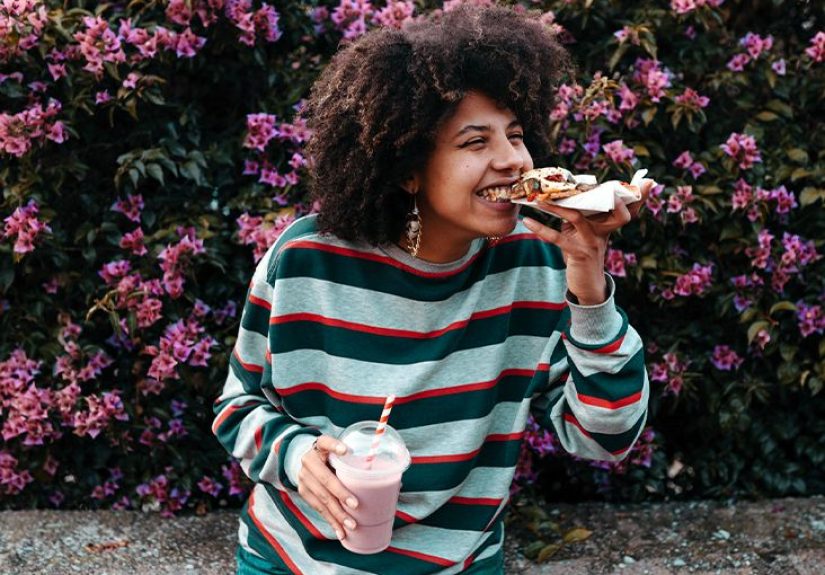
Vitamin P is the practice of letting enjoyment belong on the plate.
It means flavor, satisfaction, comfort, and yessometimes dessertcan coexist with balanced nutrition.
It’s the difference between “I guess I’ll eat this because it’s good for me” and “I like this, and it also helps me feel good.”
What Vitamin P doesn’t mean:
- It’s not an excuse to ignore your body (like eating past the point of discomfort “because pleasure”).
- It’s not a rule (because turning pleasure into homework defeats the purpose).
- It’s not “anything goes forever” (because your body does, in fact, request nutrients, not just vibes).
Think of Vitamin P as a skill: learning how to eat in a way that’s both nourishing and satisfying.
It’s less “diet plan” and more “relationship upgrade.”
Why Pleasure Actually Supports Health
A lot of people try to build “healthy habits” using willpower, restriction, and a faint sense of moral superiority over kale.
The problem? Willpower is a limited resource. Pleasure is renewable.
Pleasure increases satisfaction, and satisfaction reduces the “snack spiral”
Many non-diet approaches talk about the satisfaction factorthe idea that when you eat what you genuinely enjoy,
you’re more likely to feel mentally and physically content. When meals feel bland, rushed, or “not what I wanted,”
it’s easy to keep searching the kitchen like it owes you something.
Satisfaction isn’t just about “treat foods.” It can be as simple as:
choosing the bread you actually like, adding a sauce that makes vegetables taste amazing,
or eating a warm meal instead of a sad desk salad that’s mostly regret.
Mindful enjoyment helps you notice hunger and fullness cues
Mindful eating is often described as paying attention to your eating experienceflavor, texture, smell, and how your body feels
without judgment. When you slow down enough to taste food, you also slow down enough to notice,
“Am I still hungry?” and “Am I comfortably full?”
That matters because fullness cues aren’t always instant messages. Sometimes they’re more like emails:
they arrive a little later, and if you don’t check your inbox, you’ll keep going.
Pleasure makes healthy patterns sustainable
Nutrition advice that doesn’t account for joy is like a workout plan that bans music: technically possible, emotionally suspicious.
Enjoyment is one reason people stick with Mediterranean-style eating patterns, home cooking, and balanced meals over time.
Not because they’re forced tobecause they like how it feels and tastes.
When you include pleasure, “healthy eating” becomes a lifestyle you can repeat, not a temporary project with an end date and a rebound.
Pleasure vs. Diet Culture: Spot the Difference
Diet culture tends to treat food like a courtroom drama:
some foods are “good,” some are “bad,” and you are always one bite away from being “guilty.”
That mindset can create a weird cycle: restriction → intense craving → overeating → guilt → more restriction.
Vitamin P flips the script. It suggests:
food can be enjoyable without being “earned,”
and you can make choices based on nourishment, satisfaction, and how you want to feelwithout labeling yourself as a “good” or “bad” eater.
This is especially important if “clean eating” starts turning into obsession or anxiety.
A rigid focus on purity can backfire by increasing stress around food and shrinking your life.
Healthy eating should support your lifenot take it hostage.
How to Add Vitamin P Without Turning Dinner Into a Theme Park
The goal isn’t to chase constant novelty or make every meal a five-star event.
The goal is to make your food pleasant enough that you don’t feel deprived,
and balanced enough that your body gets what it needs.
Try the “Add, Don’t Subtract” method
Instead of starting with what you “shouldn’t” eat, try building meals by asking:
What can I add to make this more satisfying and more nourishing?
- Add crunch: nuts, seeds, toasted breadcrumbs, crispy chickpeas.
- Add flavor: herbs, citrus, salsa, spices, garlic, a dressing you actually like.
- Add staying power: protein (eggs, yogurt, beans, chicken, tofu) and fiber (fruit, veggies, whole grains).
- Add comfort: warm foods, a familiar side, or a dessert that ends the meal on a good note.
Make the environment do some of the work
You don’t need candlelight and violin music (unless you want it; no judgment).
But small changes can help:
- Give yourself a meal window (even 15–20 minutes) instead of inhaling food between tasks.
- Reduce distractions sometimesnot as a rule, but as a tool for noticing satisfaction.
- Plate your food when you can. Your brain likes “beginning, middle, end.”
Build “Pleasure Literacy” (yes, that’s a thing now)
Pleasure isn’t only “sugar and salt.” It can be:
freshness, spice, creaminess, brightness, char, warmth, nostalgia, or the simple relief of eating something that feels like a real meal.
Ask yourself a few low-drama questions:
- What flavors make me feel satisfiedsavory, sweet, spicy, tangy?
- What textures do I lovecrispy, creamy, chewy, crunchy?
- Do I want comfort food, or do I want something light and refreshing?
- What would make this meal feel “complete”?
Specific Examples: Vitamin P in Real Meals
Pleasure-friendly healthy eating isn’t about perfectionit’s about smart pairing.
Here are a few ways it can look in everyday life.
Breakfast: stop starting your day with disappointment
- Oatmeal that tastes like something:
oats + milk (or fortified soy) + peanut butter + banana + cinnamon + a sprinkle of brown sugar.
Balanced, cozy, and not emotionally beige. - Greek yogurt “dessert bowl”:
yogurt + berries + granola + drizzle of honey. Add nuts for crunch and staying power. - Eggs with personality:
scrambled eggs + hot sauce or pesto + toast you like + fruit on the side.
Lunch: the salad glow-up
If your salad feels like a punishment, your brain will file it under “unpaid internship” and quit.
Try:
- Greens + protein (chicken, beans, tofu, tuna) + crunchy element (croutons, nuts) + creamy element (avocado, cheese)
+ dressing that tastes good to you. - Add something sweet (berries, apple slices, dried cranberries) if it boosts enjoyment.
Dinner: comfort + balance is a power couple
- Taco night, but grown-up: tortillas + seasoned beans or meat + sautéed peppers/onions + salsa + lettuce + cheese.
Pleasure stays. Nutrients show up. Everyone wins. - Pasta that doesn’t feel like a “cheat”:
pasta + a protein (chicken, shrimp, lentils) + veggies (spinach, mushrooms, tomatoes) + olive oil + parmesan.
It’s not a moral event. It’s dinner. - Sheet-pan meal:
salmon or tofu + roasted veggies + potatoes + a sauce (lemon-dill yogurt, chimichurri, tahini).
Sauce is not the villain. Sauce is the reason vegetables keep getting invited back.
Snacks and desserts: pleasure with intention
Vitamin P doesn’t demand that desserts become “healthified.” It asks you to notice satisfaction.
If you want a cookie, eating a cookie you enjoyslowly, without shameoften beats eating three “almost cookies” that don’t hit the spot.
Pairing can help, too:
chocolate + nuts, fruit + cheese, crackers + hummus, popcorn + a fun seasoning.
When Pleasure Gets Complicated
Not everyone’s relationship with food is neutral, and that’s real life.
Stress, finances, time, culture, medical needs, digestion, and mental health all shape eating.
Vitamin P can still fitbut it may look different.
- If you have medical dietary restrictions:
pleasure can come from texture, temperature, spices, and cooking methods within your needs.
(Example: roasted veggies may taste more satisfying than steamed, even when the ingredients are the same.) - If you notice anxiety or guilt around food:
shifting away from “good/bad” language can help.
A registered dietitian or therapist can support a healthier relationship with eating. - If you suspect disordered eating patterns:
pleasure-focused eating can be part of healing, but it’s best done with professional guidance.
A Quick Vitamin P Checklist (No Clipboard Required)
Next time you eat, try a gentle check-in:
- Hunger: Am I hungry, or am I stressed/tired/bored?
- Preference: What do I actually wantsomething warm, crunchy, fresh, sweet, savory?
- Balance: What would help me feel steady afterwardprotein, fiber, healthy fats, hydration?
- Satisfaction: Did this hit the spot? If not, what was missing?
- Comfortable fullness: How does my body feel now?
This isn’t about becoming a food detective. It’s about becoming a better listenerespecially to yourself.
Vitamin P Experiences: What Pleasure Looks Like in Real Life (and Why It Works)
“Pleasure is part of healthy eating” can sound like a nice quoteuntil you try to live it on a Tuesday
when your inbox is on fire and dinner is whatever you can assemble without using a microscope to read the label.
So here are relatable, real-world “Vitamin P” experiences people commonly run intoand what they teach.
1) The “I ate a perfect lunch and still want snacks” moment
Picture a technically balanced lunch: a salad with chicken, a pile of vegetables, water on the side.
Two hours later… you’re prowling for chips, sweets, or “something.”
Sometimes the body needs more foodsure. But sometimes the missing piece is satisfaction.
Adding a pleasure element (a dressing you love, a crunchy topping, a slice of bread you enjoy, or even a small dessert)
can make the meal feel complete. The lesson: nutrition without satisfaction often turns into grazing.
2) The “office birthday cake dilemma”
Someone brings cake. You didn’t plan for cake. Now your brain has two tabs open:
“I shouldn’t” and “But I want it.”
Vitamin P doesn’t say you must eat cake, or you must refuse cake. It says: decide with kindness.
If you want it, have a portion you’ll enjoy, eat it without speed-running it, and move on.
If you don’t want it, skip it because you’re neutralnot because you’re punishing yourself.
The lesson: flexibility beats food rules, especially in social life.
3) The “healthy dinner that tastes like cardboard” regret
Many people have tried the joyless version of healthy: plain protein, plain vegetables, plain sadness.
Then the evening ends with rummaging for “real food” (aka something flavorful).
When you add Vitamin Pspices, garlic, sauces, roasted textures, a side you lovehealthy dinner becomes dinner.
The lesson: flavor is not optional if you want consistency.
4) The “I finally ate slowly and it felt weirdly… calming?” surprise
Eating quickly can be a habit, a time issue, or a stress response.
When someone tries slowing downchewing more, putting the fork down, actually tastingmany notice
they feel more satisfied with the same meal. Not because they ate less “correctly,” but because they experienced it.
The lesson: pleasure often increases when attention increases.
5) The “I used to fear certain foods, and now they’re just… food” breakthrough
When people stop labeling foods as forbidden, those foods often lose their magic spell.
The “forbidden” item becomes a normal option, not a binge trigger.
That doesn’t happen overnight, and it’s not always simple, but it’s a common pattern in non-diet approaches.
The lesson: permission can reduce obsession.
In all these experiences, Vitamin P isn’t about chasing constant indulgence.
It’s about creating a steady, respectful relationship with foodone that includes joy,
supports nourishment, and doesn’t require you to be a robot with a spreadsheet.
Healthy eating works best when it’s human.
Conclusion: Pleasure Isn’t a DetourIt’s Part of the Road
Vitamin P is the reminder that food enjoyment is not the enemy of health.
Pleasure helps you feel satisfied, notice your body’s cues, and stick with nourishing habits long-term.
You don’t need to “earn” enjoyment. You need to include itwisely, kindly, consistently.
Because the healthiest way to eat is the one you can live with… and actually look forward to.