Table of Contents >> Show >> Hide
- Why Most Hamsters Should Not Take Regular Water Baths
- Way #1: Offer a Proper Sand Bath
- Way #2: Spot-Clean Messy Fur With a Damp Cloth
- Way #3: Give Your Hamster a “Bath” by Cleaning the Habitat
- When a Dirty Hamster Is Really a Health Problem
- Common Hamster Bathing Mistakes to Avoid
- Extra : Common Owner Experiences With “Bathing” a Hamster
- Conclusion
If you came here imagining a tiny rubber duck, a pea-sized bathrobe, and a hamster living its best spa life, I regret to inform you that your hamster did not sign up for that experience. In fact, most hamsters are impressively good at staying clean on their own. They groom themselves often, dislike unnecessary handling when they are stressed, and usually do much better with a dry cleaning routine than with a traditional water bath.
That is why the smartest way to talk about how to bathe a hamster is to redefine the word bath. For hamsters, a “bath” usually means one of three things: a proper sand bath, a careful spot-clean when there is actual mess stuck to the fur, or a clean habitat that lets your pet stay fresh without help from a sink, cup, or shampoo bottle. Think less luxury spa, more tiny survival expert with excellent grooming instincts.
This guide covers the three safest methods, when to use them, what to avoid, and when dirty fur is a sign that your hamster may need a veterinarian instead of a cleaning session. So let’s talk about hamster hygiene without accidentally turning bath time into a full-blown crisis.
Why Most Hamsters Should Not Take Regular Water Baths
Before we get into the three best methods, it helps to understand why a classic water bath is usually the wrong move. Hamsters are not like dogs that occasionally come home smelling like a wet hiking boot. They are small prey animals, and that matters a lot. Anything cold, overwhelming, or hard to escape can stress them quickly.
A water bath can also strip away natural oils from the coat, leave the fur damp for too long, and make a tiny body lose heat fast. That combination is a bad bargain. You may end up with a frightened hamster that is cleaner for about four seconds and miserable for the rest of the day. In other words, the hamster equivalent of being thrown into a surprise polar plunge while wearing a fur coat.
So if your hamster looks a little dusty, slightly oily, or mildly disheveled, that is not automatically a problem. A healthy hamster with a proper setup usually handles that business alone.
Way #1: Offer a Proper Sand Bath
The closest thing to a true hamster bath is a sand bath. This is the most natural and useful option for many hamsters, especially dwarf species, though plenty of Syrians enjoy it too. Instead of getting wet, your hamster rolls, digs, wiggles, and tosses sand through the coat to help absorb oils and loosen dirt. It is both cleaning and entertainment, which is a pretty efficient use of hamster time.
How to Set Up a Sand Bath
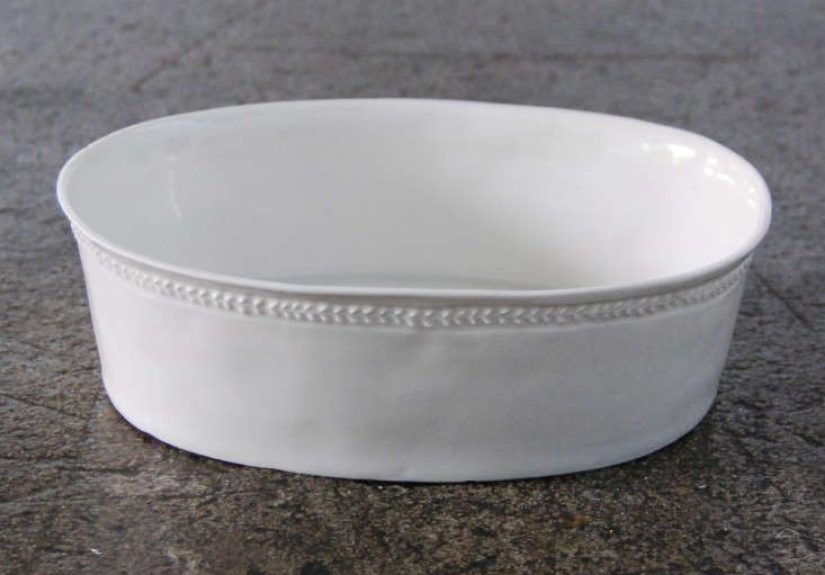
- Choose a shallow, stable container your hamster can climb into easily.
- Fill it with a small-pet-safe bathing sand or clean reptile sand.
- Place it in the enclosure where your hamster can access it safely.
- Let your hamster investigate on its own. No forcing, no dramatic bath reveal, no pushing its little backside into the sand like you are teaching a toddler to swim.
The goal is simple: give your hamster a place to roll around and self-clean. Most take to it quickly. Some will treat it like a spa. Others will treat it like a construction site. A few will decide it is also a bathroom because hamsters love chaos in small, furry form.
What Kind of Sand Is Best?
Use hamster-safe sand or a suitable reptile sand with no added dyes, perfumes, calcium, or weird extras. Avoid very dusty products. Fine dust can irritate the eyes and respiratory system, which is the exact opposite of helpful. “Bathing sand” is what you want; a cloud of mystery powder is not.
Also skip any product that contains fragrance. Your hamster does not want to smell like tropical vanilla coconut sunrise. Your hamster wants to smell like a hamster who pays rent in sunflower seed shells.
How Often Should You Offer It?
Many owners offer a sand bath a few times a week, while others keep one available and clean it regularly if the hamster uses it well. The key is not the exact calendar schedule. The key is cleanliness. If the sand gets soiled with urine, droppings, or old food, replace it. A dirty sand bath is not a bath. It is a tiny, grainy regret.
Sand baths are especially useful when your hamster’s coat looks a little oily, when the weather is humid, or when your pet simply enjoys the activity as enrichment. For long-haired hamsters, it can also help keep the coat from looking scruffy between light grooming sessions.
Way #2: Spot-Clean Messy Fur With a Damp Cloth
Sometimes life happens. Maybe your hamster sat in something sticky. Maybe there is dried urine on the fur. Maybe a bit of fresh food turned into a hair-gel experiment near the rear end. When the mess is localized, a spot-clean is the safer solution.
This method is not a full-body bath. It is a quick, targeted clean for the dirty area only.
When Spot-Cleaning Makes Sense
Use this method if your hamster has:
- a small patch of dirty fur,
- something sticky caught in the coat,
- a slightly soiled rear end, or
- debris tangled in long hair.
If your hamster is dirty all over, smells strongly, or keeps getting a wet bottom, do not keep wiping and hoping for the best. That can signal diarrhea, urinary issues, parasites, skin disease, or another health problem that needs veterinary care.
How to Spot-Clean Safely
- Use a soft cloth or cotton pad dampened with lukewarm water.
- Hold your hamster gently and securely, or let it rest on a towel if that is less stressful.
- Wipe only the affected area.
- Do not soak the coat.
- Dry the area thoroughly with a soft towel right away.
- Return your hamster to a warm, draft-free enclosure with clean bedding.
You want “lightly cleaned,” not “recently emerged from a shipwreck.” Keep the session brief and calm. If your hamster becomes very stressed, stop and reassess.
What Not to Use
Do not use human shampoo, dish soap, scented wipes, essential oils, or random grooming products made for other pets. Hamsters are tiny, sensitive, and very good at licking whatever ends up on their fur. If you would not want a spoonful of it yourself, do not put it on your hamster.
Long-haired hamsters may also benefit from gentle brushing with a soft small-pet brush after the dirty patch is gone. That can help remove loose debris without turning routine grooming into a full production.
Way #3: Give Your Hamster a “Bath” by Cleaning the Habitat
This is the most overlooked method, and honestly, it solves more hygiene problems than people realize. In many cases, when owners think the hamster needs a bath, what really needs cleaning is the cage, the sand area, the wheel, or the sleeping corner.
A hamster that lives in a clean enclosure is much more likely to stay clean naturally. That means fewer emergency wipe-downs, less oil buildup, and less mystery grime stuck to the fur.
What Good Habitat Hygiene Looks Like
- Remove wet or soiled bedding daily.
- Clear out stale food and droppings regularly.
- Wash the water bottle or water bowl every day.
- Keep the sand bath clean and replace dirty sand.
- Wipe down the wheel, hideouts, and any favorite potty corners as needed.
This kind of routine matters because hamsters tend to pick bathroom spots. If your pet keeps sitting in the same soiled corner, the fur can become dirty even though the hamster itself is not doing anything “wrong.” It is just being a hamster with opinions.
Do Not Over-Clean the Entire Cage
There is a twist here. While you should remove dirty bedding and mess often, you should not strip the entire enclosure bare every other day. A complete deep-clean too often can be stressful because it removes familiar scents. Hamsters rely heavily on smell to feel secure. If you erase every trace of “home” constantly, your pet may respond by stress-scenting, overmarking, or acting unsettled.
So the sweet spot is this: keep the habitat clean, but do not turn it into a sterile real estate flip every weekend.
When a Dirty Hamster Is Really a Health Problem
If your hamster suddenly looks greasy, matted, smelly, or stained around the rear end, do not assume this is only a grooming issue. Hamsters that stop grooming normally may be dealing with stress, pain, obesity, dental trouble, parasites, skin disease, diarrhea, or age-related problems.
Call a veterinarian if you notice:
- wet or fecal-stained fur around the rear end,
- hair loss or scabs,
- red or irritated skin,
- a strong odor,
- persistent dampness in the coat,
- lethargy, weight loss, or poor appetite,
- sneezing or breathing issues.
This is especially important if you suspect wet tail, mites, or another illness. A hamster with medical issues does not need a home spa day. It needs a proper diagnosis.
Common Hamster Bathing Mistakes to Avoid
Even loving owners make mistakes when they are trying to help. Here are the big ones to avoid:
1. Using Water as the First Option
A full water bath should not be your default. If you start there, you are skipping the safest and most natural methods.
2. Buying Dust Instead of Safe Sand
Some products are too fine and can irritate the lungs and eyes. Read labels carefully and choose appropriately.
3. Leaving Dirty Sand in the Bath Container
Once the bath becomes a toilet, a snack pantry, and a lounge all at once, it stops being helpful. Clean it or replace it.
4. Overhandling a Nervous Hamster
If your hamster is not tame, bath-related handling can be stressful. Move slowly, stay calm, and do only what is necessary.
5. Ignoring the Real Cause of the Mess
If your hamster gets dirty repeatedly, the answer may be cage setup, health trouble, or mobility issues. Repeated mess is information, not just inconvenience.
Extra : Common Owner Experiences With “Bathing” a Hamster
One of the most common hamster-owner experiences starts with panic. You notice your hamster’s back end looks a little messy, and suddenly you are mentally preparing for an emergency bubble bath with the seriousness of a trauma surgeon. Then you learn that the wiser move is usually much smaller: clean the habitat, check the hamster’s stool, do a quick spot-clean if necessary, and watch for signs of illness. That shift in mindset tends to be a game changer for new owners.
Another common experience is discovering that a sand bath is not always used in the elegant way you imagined. Many people expect the hamster to stroll in, do one graceful roll, and emerge looking like a polished show animal. Reality is funnier. Some hamsters dive face-first into the sand like tiny treasure hunters. Some kick it everywhere. Some sleep in it. Some decide it is the world’s fanciest bathroom. This does not mean the sand bath was a bad idea. It means your hamster has a personality and perhaps a future in interior demolition.
Owners of long-haired Syrian hamsters often describe a different kind of challenge. Their hamster may stay clean overall but collect bedding, crumbs, or dried food in the back fur like a walking lint roller with opinions. In these cases, the “bath” experience is less about sand and more about patient grooming. A soft brush, a careful trim of badly soiled hair by a professional if needed, and a cleaner habitat usually work better than anything involving water. It is a very small problem that can feel enormous until you realize it is manageable.
There is also the classic first-time mistake: assuming a hamster smells bad because the hamster is dirty. In many homes, the real culprit is the enclosure. Soiled bedding, hidden food stashes, a dirty wheel, or a neglected potty corner can create odor fast. Owners are often relieved to learn that the smell is not a sign the hamster needs a bath but a sign the setup needs maintenance. Once the habitat is refreshed, the hamster often looks and smells noticeably better without ever touching water.
Some of the most important experiences are the ones that teach owners when not to solve the problem at home. A hamster with a wet rear end, strong odor, weight loss, or crusty skin may seem like it just needs cleaning, but experienced owners and veterinarians know that appearance can be misleading. In those moments, trying to keep washing the hamster can delay real treatment. Many people later say the best decision they made was realizing, “This is not dirt. This is a vet problem.”
In the end, hamster bathing is one of those topics where the best experience usually comes from doing less, not more. A proper sand bath, a calm spot-clean, and a tidy habitat solve most problems. The hamster stays safer, the owner stays saner, and nobody has to explain why there was a tiny rodent wrapped like a burrito in a hand towel at midnight.
Conclusion
If you want to give your hamster a bath, the safest answer is usually not a bath in the human sense at all. A sand bath is the best routine option, a spot-clean is useful for small messes, and a clean habitat does more for hamster hygiene than most people expect. That combination keeps your pet comfortable, supports natural grooming behavior, and avoids the stress and risk that come with water bathing.
So yes, your hamster can absolutely have a “bath.” It just prefers one with no bubbles, no shampoo, no sink, and no soundtrack from your bathroom spa playlist. Frankly, that seems reasonable.