Table of Contents >> Show >> Hide
- What Is Hyperesthesia Syndrome in Cats?
- Common Symptoms of Feline Hyperesthesia Syndrome
- What Causes Hyperesthesia Syndrome in Cats?
- How Veterinarians Diagnose Feline Hyperesthesia Syndrome
- Conditions That Can Look Like Hyperesthesia Syndrome
- How to Treat Hyperesthesia Syndrome in Cats
- What to Do During an Episode
- When to Call the Veterinarian
- Long-Term Outlook for Cats With Hyperesthesia Syndrome
- Practical Home Care Tips
- Experience Notes: What Living With a Hyperesthetic Cat Can Teach You
- Conclusion
One minute your cat is peacefully loafing on the couch like a furry baguette. The next, their back skin ripples, their pupils widen, their tail becomes Public Enemy No. 1, and they sprint down the hallway as if chased by a ghost only they can see. If this sounds familiar, your cat may be showing signs of feline hyperesthesia syndrome.
Feline hyperesthesia syndrome, often called FHS, twitchy cat syndrome, rolling skin syndrome, or rippling skin disorder, is a confusing condition because it can look like several different problems at once. It may seem neurological, behavioral, dermatological, painful, or stress-related. That is exactly why diagnosis should not be a guessing game played between a worried pet parent and a search engine at 2 a.m.
The good news is that many cats with hyperesthesia syndrome can live happy, comfortable lives when the condition is properly investigated and managed. The not-so-good news is that there is no single magic test for FHS. Veterinarians usually diagnose it by ruling out other causes of similar symptoms, then building a treatment plan based on the individual cat.
This guide explains how to recognize possible symptoms, what your veterinarian may check, how treatment works, and what you can do at home to help your cat feel less like their own skin is plotting against them.
What Is Hyperesthesia Syndrome in Cats?
Feline hyperesthesia syndrome is a condition marked by episodes of extreme sensitivity, usually around the lower back, spine, hips, or base of the tail. The word “hyperesthesia” means increased sensitivity to touch or sensation. In cats, that sensitivity may appear as skin twitching, sudden discomfort, frantic grooming, tail chasing, vocalizing, or bursts of running.
FHS is considered a syndrome, not a single clearly defined disease. That means it is a collection of signs that may have more than one underlying cause. Some cats may have nerve-related pain. Some may have seizure-like activity. Others may be reacting to stress, compulsive behavior, allergies, parasites, orthopedic discomfort, or a combination of factors.
Because cats are famously mysterious creaturesthe same species that can ignore a luxury cat bed and sleep in a shipping boxFHS can be tricky to pin down. A cat may act completely normal between episodes, which makes it harder for veterinarians to observe the behavior in real time. Videos from home can be extremely helpful.
Common Symptoms of Feline Hyperesthesia Syndrome
Symptoms can vary from mild and occasional to intense and distressing. Episodes are often brief, but they may repeat throughout the day or flare during stressful periods.
Skin and Body Signs
The most recognizable sign is rippling, rolling, or twitching skin along the back, especially near the lower spine and tail base. Some cats also show muscle spasms, sudden tail flicking, sensitivity when touched, or a dramatic reaction to petting. A gentle stroke near the back may trigger a response that seems wildly out of proportion, as if your hand became a tiny thunderstorm.
Behavioral Signs
Cats with possible FHS may suddenly jump, run, meow loudly, growl, hiss, chase their tail, bite at their back, or seem startled by something invisible. Some cats appear anxious or agitated during an episode. Others may groom intensely, especially around the tail, flank, or back legs.
Severe Signs
In more serious cases, cats may chew or bite themselves enough to cause wounds, bleeding, hair loss, or infection. A small number of cats may show seizure-like signs. Any cat that has open sores, repeated self-injury, collapse, loss of awareness, or uncontrolled movements needs prompt veterinary care.
What Causes Hyperesthesia Syndrome in Cats?
The exact cause of feline hyperesthesia syndrome is not fully understood. Most experts treat it as a multifactorial condition, meaning several possible influences may overlap.
Skin Problems and Allergies
Flea allergy dermatitis, food allergies, environmental allergies, mites, ringworm, bacterial infections, and other skin conditions can make cats itchy, uncomfortable, and reactive. A cat with itchy skin may twitch, overgroom, bite, or run suddenly, which can look very similar to FHS.
Pain or Nerve Sensitivity
Pain in the back, hips, tail, joints, or muscles may cause a cat to react strongly when touched. Nerve-related discomfort may also contribute. This is one reason a full physical exam matters. A cat who “hates being touched” may not be dramatic; they may be hurting.
Neurologic Factors
Some veterinarians consider seizure-like activity or abnormal nerve signaling as possible contributors in certain cats. This does not mean every cat with rippling skin has epilepsy. It means neurological causes should be considered when episodes are intense, repetitive, or include unusual awareness changes.
Stress and Compulsive Behavior
Stress can make feline hyperesthesia worse. Cats are creatures of routine. Rearranged furniture, a new pet, neighborhood cats outside the window, loud noises, boring indoor life, conflict with another cat, or inconsistent feeding times can all increase arousal. For sensitive cats, that stress may spill over into grooming, tail chasing, twitching, or frantic episodes.
How Veterinarians Diagnose Feline Hyperesthesia Syndrome
There is no single blood test, swab, or scan that says, “Congratulations, your cat has FHS.” Diagnosis is usually made by excluding other conditions that can cause the same signs.
Step 1: A Detailed History
Your veterinarian will likely ask when episodes started, how often they happen, how long they last, what body parts are involved, whether touch triggers the reaction, and whether your cat injures themselves. They may also ask about diet, flea prevention, indoor or outdoor access, other pets, recent changes, litter box habits, and medications.
Bring videos if possible. A clear 20-second clip of your cat’s episode can be more useful than a dramatic verbal reenactment in the exam room, although your impression of the tail chase may deserve artistic credit.
Step 2: Physical and Skin Examination
The vet will check the coat, skin, ears, tail base, paws, spine, hips, and abdomen. They may look for fleas, flea dirt, scabs, hair loss, wounds, swelling, dandruff, infection, or pain. Because flea allergy can cause intense reactions even when fleas are hard to find, consistent parasite prevention is often part of the diagnostic process.
Step 3: Laboratory Testing
Blood work, urinalysis, fecal testing, skin cytology, fungal testing, or skin scrapings may be recommended depending on the cat’s signs. These tests help rule out infections, metabolic disease, parasites, inflammation, and other medical issues.
Step 4: Pain and Neurologic Evaluation
If symptoms suggest pain, your veterinarian may examine your cat’s spine, joints, muscles, and nerve responses. X-rays or advanced imaging may be considered in complicated cases. If seizure-like episodes are suspected, your vet may discuss referral to a veterinary neurologist.
Step 5: Behavioral Assessment
If medical causes are not found or if stress seems to play a major role, the next step may include evaluating your cat’s environment, routine, social conflicts, play schedule, and handling triggers. Some cats benefit from a veterinary behaviorist, especially when anxiety, compulsive grooming, aggression, or multi-cat household stress is involved.
Conditions That Can Look Like Hyperesthesia Syndrome
Before settling on FHS, veterinarians often consider other possibilities. These may include flea allergy dermatitis, food allergy, atopic dermatitis, mites, ringworm, bacterial skin infection, anal gland discomfort, arthritis, back pain, tail injury, urinary discomfort, gastrointestinal pain, toxin exposure, neurologic disease, and compulsive disorders.
This is why home diagnosis is risky. A cat that attacks its tail may have FHS, but it may also have fleas, pain, a wound, or another treatable condition. Treating the wrong problem wastes time and may let the real issue get worse.
How to Treat Hyperesthesia Syndrome in Cats
Treatment depends on what the veterinarian finds. The best plans are usually multimodal, meaning they combine medical care, environmental changes, trigger management, and long-term monitoring.
1. Treat Skin Disease and Parasites First
If fleas, mites, allergies, or skin infections are suspected, your veterinarian may recommend parasite control, anti-inflammatory treatment, allergy management, medicated products, diet trials, or infection treatment. Even indoor cats need flea prevention in many regions because fleas have an annoying talent for appearing where they were absolutely not invited.
2. Manage Pain and Nerve Sensitivity
If pain or nerve discomfort appears to contribute, your vet may prescribe medication to reduce discomfort. Never give human pain relievers to cats unless a veterinarian specifically instructs you to do so. Many common human medications are dangerous for cats.
3. Use Vet-Prescribed Medication When Needed
Moderate to severe cases may require prescription medication. Depending on the cat, veterinarians may consider anti-seizure medication, nerve-pain medication, anti-anxiety medication, antidepressant-type medication, or anti-inflammatory medication. These should only be used under veterinary supervision because cats vary widely in how they respond.
Medication is not a failure. It is not “drugging the cat into being normal.” When used correctly, medication can reduce distress, protect the cat from self-injury, and give behavior changes a fair chance to work.
4. Reduce Stress Triggers
Stress reduction is a major part of feline hyperesthesia treatment. Create predictable routines for meals, play, and quiet time. Avoid sudden rough petting, especially along the lower back if that area triggers episodes. Give your cat hiding places, elevated perches, scratching posts, and safe spaces away from dogs, children, visitors, or bossy housemate cats.
5. Improve Environmental Enrichment
Cats need more than food, water, and a windowsill where they can judge the neighbors. A healthy feline environment includes safe resting spots, separated food and water stations, clean litter boxes, scratching surfaces, climbing opportunities, and daily play that mimics hunting. Wand toys, puzzle feeders, treat hunts, and short play sessions can help reduce built-up tension.
6. Avoid Punishment
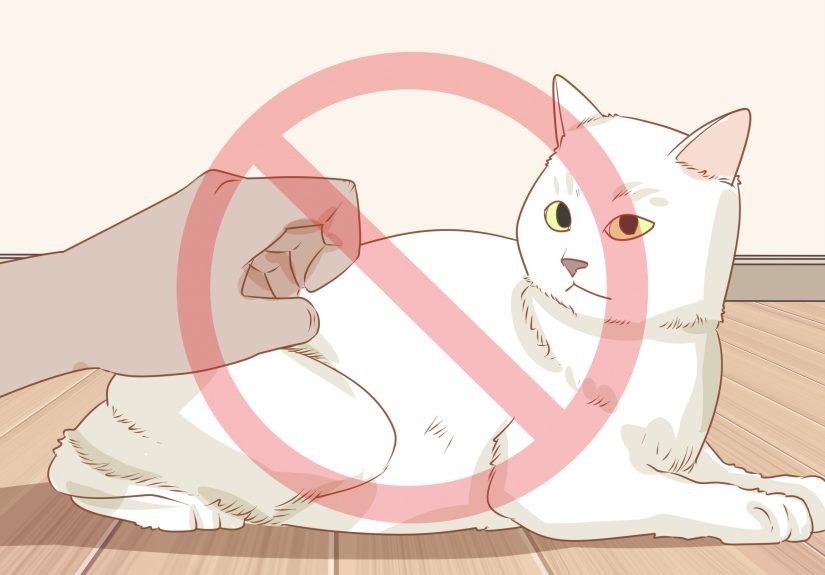
Do not yell, spray water, chase, or punish a cat during an episode. Punishment increases stress and may make the cycle worse. Instead, stay calm, reduce stimulation, and allow your cat to settle. If they are injuring themselves, contact your veterinarian promptly.
What to Do During an Episode
During a mild episode, give your cat space. Stop petting. Lower noise and movement. Avoid grabbing the cat unless they are in immediate danger. Some cats calm faster in a quiet room with dim lighting and familiar bedding.
If your cat is biting their tail or back, try to redirect from a safe distance with a soft sound, a tossed toy, or a treat scatter only if doing so does not increase excitement. Do not put your hands near the mouth of an agitated cat. Even the sweetest cat can bite when overwhelmed.
After the episode, write down what happened. Note the time, duration, trigger, body area involved, and recovery. This log can help your veterinarian identify patterns.
When to Call the Veterinarian
Contact a veterinarian if your cat has repeated skin twitching, sudden sensitivity to touch, overgrooming, tail chasing, unexplained vocalizing, or episodes of agitation. Seek urgent care if your cat causes wounds, bleeds, seems disoriented, has seizure-like activity, cannot urinate, stops eating, hides continuously, or shows signs of severe pain.
FHS is often manageable, but it should not be ignored. The earlier you investigate, the easier it may be to prevent self-injury and chronic stress.
Long-Term Outlook for Cats With Hyperesthesia Syndrome
Many cats improve with consistent management. Some need only parasite control, environmental enrichment, and handling changes. Others need long-term medication and periodic rechecks. Flare-ups may happen during stressful events, such as moving, boarding, new pets, home renovations, or changes in routine.
The goal is not necessarily to erase every twitch forever. The goal is to reduce frequency, intensity, and distress so your cat can eat, sleep, play, groom normally, and enjoy life without repeatedly battling their own tail like it owes them money.
Practical Home Care Tips
Keep a Symptom Diary
Record episodes for two to four weeks. Include date, time, duration, possible trigger, food, medication, stress events, grooming behavior, and whether your cat recovered normally. Patterns may appear. Maybe episodes happen after rough back petting, before dinner, near the window where outdoor cats pass, or after loud household activity.
Make Petting Predictable
Some cats with FHS dislike long strokes down the back. Try shorter petting sessions around the head, cheeks, or shoulders if your cat enjoys them. Stop before your cat becomes tense. Tail flicking, skin twitching, ear rotation, freezing, or sudden head turns are signs to pause.
Upgrade the Cat Environment
Add vertical space, hiding spots, scratching posts, and separate resources in multi-cat homes. A second feeding station or extra litter box can reduce conflict. In cat politics, location is everything.
Schedule Daily Play
Two or three short play sessions can help reduce arousal. Use wand toys, let your cat stalk and pounce, then end with a small treat or meal. This completes the hunt-catch-eat pattern and may help anxious cats settle.
Experience Notes: What Living With a Hyperesthetic Cat Can Teach You
Many cat owners describe the first suspected hyperesthesia episode as confusing, alarming, and slightly unreal. A cat may be relaxing normally, then suddenly turn toward their back as if something touched them. The skin ripples, the tail lashes, and the cat bolts across the room. At first, it is easy to dismiss this as “zoomies with extra drama.” Cats, after all, are professional weirdos. But when the behavior repeats, especially with biting, overgrooming, or distress, it becomes clear that something more serious may be happening.
One useful lesson from real-life experience is that video matters. Many cats behave perfectly at the clinic, wearing their innocent face as if they did not just perform a hallway thunder sprint at home. A phone video allows the veterinarian to see the episode rather than relying only on description. Owners often find that recording also helps them notice triggers. The episode may follow back petting, a loud sound, a visiting dog, or another cat sitting near a favorite window.
Another common experience is learning to change how you touch your cat. Some cats who once tolerated full-body petting may become sensitive around the lower back. Owners often have better results by focusing on cheek rubs, chin scratches, and short interactions. The trick is to stop while the cat is still comfortable, not three seconds after the tail starts spelling out “absolutely not.” Respecting early body language can reduce episodes and preserve trust.
Environmental changes can feel surprisingly powerful. A cat with frequent episodes may improve when the household becomes more predictable. Feeding at regular times, adding a high perch, separating litter boxes, blocking the view of outdoor cats, or creating a quiet retreat can lower background stress. These changes are not glamorous, but they are often more helpful than buying another novelty cat bed shaped like a banana. Though, to be fair, the banana bed may still be emotionally important to the human.
Medication, when prescribed, can also be a turning point. Some owners feel nervous about starting long-term treatment, but many report relief when their cat becomes calmer, stops injuring themselves, or has fewer intense episodes. The best results usually come from patience. Treatment may require follow-up visits, dosage adjustments by the veterinarian, and careful observation. It is rarely a one-and-done situation.
The biggest experience-based takeaway is this: do not blame the cat. Hyperesthesia is not bad behavior, stubbornness, or spite. A cat who bites at their tail or races away after touch is likely reacting to discomfort, overstimulation, anxiety, or abnormal sensation. When owners shift from “How do I stop this behavior?” to “What is my cat experiencing, and how can we reduce it?” the care plan becomes much more effective.
Living with a cat who has feline hyperesthesia syndrome may require detective work, but it can also deepen the bond between cat and owner. You become better at reading tiny signals: the tail flick, the skin ripple, the sudden stillness, the look that says, “Please stop touching my back, beloved servant.” With veterinary support, a calmer environment, and thoughtful handling, many cats return to a comfortable routine. They may still be quirky, because cats come pre-installed with quirks, but they can be safe, loved, and much less distressed.
Conclusion
Feline hyperesthesia syndrome in cats can be unsettling, but it is not hopeless. Because FHS can mimic skin disease, pain, allergies, parasites, neurologic problems, and compulsive behavior, the smartest first step is a veterinary exam. Diagnosis usually means ruling out other causes, reviewing videos and history, and building a treatment plan that fits the cat.
Effective treatment may include parasite control, allergy care, pain management, prescription medication, stress reduction, environmental enrichment, and gentler handling. The best approach is patient, consistent, and realistic. Your cat does not need a perfect life with a private butler and a salmon fountain. They need safety, predictability, medical support, and humans who understand that a twitching back is not just “cat drama.”
With the right care, many cats with hyperesthesia syndrome can live comfortable, playful, affectionate lives. And yes, they may still sprint through the house at midnight. That part may simply be standard cat software.