Table of Contents >> Show >> Hide
- Why Toothpaste Works as a Household Cleaner
- 20 Surprising Items You Can Clean with Toothpaste
- 1. White Sneaker Soles
- 2. Chrome Faucets
- 3. Bathroom Sink Stains
- 4. Shower Door Water Spots
- 5. Small Scratches on Glass
- 6. Foggy Bathroom Mirrors
- 7. Tile Grout
- 8. Iron Soleplates
- 9. Hair Styling Tools
- 10. Silver-Colored Costume Jewelry
- 11. Stainless Steel Sink Fixtures
- 12. Plastic Food Containers
- 13. Crayon Marks on Painted Walls
- 14. Scuffed Baseboards
- 15. Acrylic Desk Accessories
- 16. Piano Keys
- 17. Outdoor Furniture Scuffs
- 18. Car Headlight Haze
- 19. Coffee Mug Stains
- 20. Cutting Board Odors
- How to Clean with Toothpaste the Right Way
- What Not to Clean with Toothpaste
- Real-Life Experiences: What Actually Happens When You Clean with Toothpaste
- Conclusion
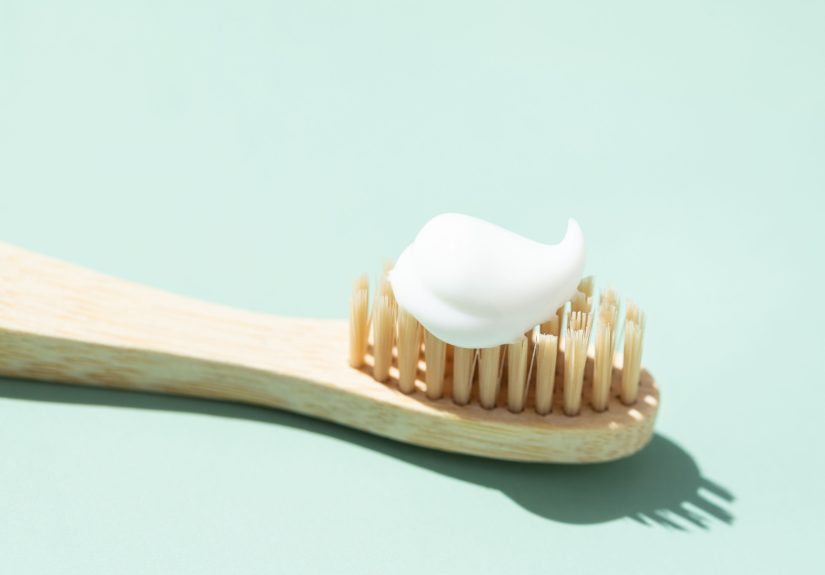
Toothpaste has one official job: keeping your teeth clean, fresh, and ready for close-up conversations. But hiding inside that little tube is a surprisingly useful household helper. Thanks to its mild abrasives, gentle polishing power, and thick paste texture, plain white toothpaste can lift scuffs, brighten dull surfaces, and tackle tiny messes when your regular cleaner is nowhere to be found.
Before you start squeezing minty paste onto everything in sight, here is the golden rule: use plain white, non-gel toothpaste. Avoid colored gels, charcoal formulas, whitening toothpastes, and anything with glittery kid-approved colors unless you want your cleaning experiment to turn into modern art. Always test a small hidden area first, use a soft cloth or old toothbrush, and rinse well afterward.
Ready to discover what toothpaste can do beyond your bathroom sink? Here are 20 surprising items you can clean with toothpaste, plus practical tips, warnings, and real-life examples to help you get the best results without turning your home into a peppermint-scented science fair.
Why Toothpaste Works as a Household Cleaner
Most toothpaste contains gentle abrasive ingredients designed to remove surface stains from teeth. That same mild scrubbing action can help polish chrome, clean rubber soles, reduce small marks, and lift grime from hard surfaces. Toothpaste also has a creamy consistency that stays where you put it, which is helpful when cleaning vertical surfaces like faucets, tiles, or appliance handles.
However, “mild abrasive” still means abrasive. Toothpaste is not safe for every material. Skip it on pearls, opals, gold, soft gemstones, delicate antiques, natural stone countertops, painted high-gloss finishes, and electronic screens unless a manufacturer specifically says it is safe. Think of toothpaste as a quick-fix polishing helper, not a universal miracle goo.
20 Surprising Items You Can Clean with Toothpaste
1. White Sneaker Soles
White sneaker soles attract dirt like they signed a long-term lease with the sidewalk. Toothpaste can help remove scuffs from rubber midsoles and toe caps. Apply a small amount of plain white toothpaste to an old toothbrush, scrub in circles, let it sit for a few minutes, then wipe clean with a damp cloth.
This trick works best on rubber and synthetic areas, not delicate suede or untreated leather. If your sneakers are expensive enough to require emotional support before cleaning, test first.
2. Chrome Faucets
Chrome faucets can quickly look cloudy from water spots, soap residue, and fingerprints. A pea-sized dab of toothpaste on a soft cloth can polish chrome and bring back shine. Rub gently, rinse with a damp cloth, and dry with microfiber to prevent streaks.
This is especially useful before guests arrive, because shiny faucets create the illusion that your entire bathroom has its life together.
3. Bathroom Sink Stains
Toothpaste splatters, makeup residue, and hard water marks can make a bathroom sink look tired. Ironically, toothpaste can help clean some of those stains. Apply a small amount to the stained area, scrub lightly with a soft sponge, rinse thoroughly, and dry.
Avoid using toothpaste on natural stone sinks or specialty finishes. For regular porcelain or ceramic sinks, it can be a handy spot-cleaning option.
4. Shower Door Water Spots
Hard water spots on glass shower doors can be stubborn. Toothpaste may help loosen mineral buildup when used gently. Rub a thin layer onto the spotted area with a damp microfiber cloth, work in small circles, rinse well, and buff dry.
Do not use heavy pressure. Glass can scratch, especially if dirt or grit is trapped on the surface. Clean loose debris first, then polish carefully.
5. Small Scratches on Glass
For very fine surface scratches on glass, toothpaste may reduce the appearance of marks. Use a non-gel toothpaste and a soft cloth, rubbing gently in circular motions for a minute or two. Wipe clean and inspect the result.
This will not fix deep scratches, cracked glass, or anything that looks like it lost a fight with a toolbox. But for light surface marks, it can make the damage less noticeable.
6. Foggy Bathroom Mirrors
A tiny amount of toothpaste can help clean stubborn smudges from mirrors. Spread a very thin layer, wipe with a damp cloth, then buff dry with microfiber. The key phrase here is “tiny amount.” Too much toothpaste creates a cloudy mess and makes you question your life choices.
For regular mirror cleaning, glass cleaner is easier. Toothpaste is better reserved for spots, splatters, and emergency shine-ups.
7. Tile Grout
Grout lines love collecting dirt, soap scum, and mystery discoloration. Toothpaste can help brighten small grout areas. Use an old toothbrush, apply toothpaste directly to the grout, scrub gently, let it sit briefly, then rinse thoroughly.
This method is best for touch-ups, not full-room deep cleaning. Cleaning an entire shower wall with toothpaste is technically possible, but so is writing a novel with a crayon.
8. Iron Soleplates
If the bottom of your clothing iron has sticky residue or light scorch marks, toothpaste may help clean it. Make sure the iron is unplugged and completely cool. Rub toothpaste onto the soleplate with a soft cloth, wipe away residue with a damp cloth, and clean steam holes carefully with a cotton swab.
Never apply toothpaste to a hot iron. That is not cleaning; that is mint-scented chaos.
9. Hair Styling Tools
Curling irons and flat irons can collect product buildup from hairspray, heat protectant, and styling creams. When the tool is unplugged and cool, use a small amount of toothpaste on a damp cloth to loosen buildup. Wipe carefully and dry completely before using again.
Keep toothpaste away from electrical openings and buttons. The goal is cleaner styling plates, not a dramatic appliance retirement.
10. Silver-Colored Costume Jewelry
Toothpaste can sometimes brighten inexpensive silver-colored costume jewelry, but use caution. Apply a tiny amount with a soft cloth, rub lightly, rinse quickly, and dry well. This is not recommended for real silver, gold, pearls, opals, diamonds, or soft gemstones because toothpaste can scratch or dull delicate materials.
When in doubt, use proper jewelry cleaner. Your grandmother’s heirloom ring deserves more than a bathroom-counter experiment.
11. Stainless Steel Sink Fixtures
Stainless steel handles, sink rims, and small fixtures can benefit from a light toothpaste polish. Rub gently with a soft cloth, rinse thoroughly, and dry in the direction of the grain when possible.
Do not use toothpaste on brushed stainless steel appliances without testing first. Some finishes show micro-scratches easily, and nobody wants a refrigerator that looks like it was cleaned by a raccoon with ambition.
12. Plastic Food Containers
Plastic containers can hold onto food odors, especially after tomato sauce, garlic, or last week’s “experimental” leftovers. Toothpaste can help deodorize and scrub light stains. Rub a little paste inside the container, wash with warm soapy water, rinse thoroughly, and air dry.
This trick works best for odor and mild discoloration. Deep red sauce stains may need baking soda, sunlight, or acceptance.
13. Crayon Marks on Painted Walls
If a young artist has mistaken your wall for a gallery, toothpaste may help remove crayon marks. Apply a small amount to a damp cloth and rub gently. Wipe with a clean damp cloth afterward.
Always test in a hidden area first, especially on matte or flat paint. Toothpaste can remove more than crayon if you scrub too aggressively, including your patience and possibly the paint finish.
14. Scuffed Baseboards
White baseboards collect shoe scuffs, dust, and dark marks. Toothpaste can help lift small scuffs from painted or vinyl baseboards. Use a soft cloth or old toothbrush, scrub lightly, then wipe clean.
This is a great quick fix before a party, open house, or visit from someone who notices baseboards. There is always one person.
15. Acrylic Desk Accessories
Acrylic organizers, trays, and small desktop accessories can develop cloudy marks or tiny scratches. Toothpaste may help reduce the appearance of light scratches. Apply a small amount with a soft cloth and buff gently, then wipe clean.
Avoid using toothpaste on coated, colored, or high-end acrylic pieces without testing. The wrong amount of pressure can turn “polished” into “why is this foggy?”
16. Piano Keys
Modern plastic piano keys can sometimes be cleaned with a tiny amount of toothpaste on a damp cloth. Rub gently, wipe with a clean damp cloth, and dry immediately. Work one key at a time to avoid moisture slipping between keys.
Do not use toothpaste on antique ivory keys or vintage instruments. Those need specialized care, not a dental hygiene crossover episode.
17. Outdoor Furniture Scuffs
Plastic patio chairs and tables often develop scuffs from shoes, planters, and weather exposure. Toothpaste can help remove surface marks. Scrub lightly with a damp cloth or brush, rinse with a hose or clean cloth, and dry.
This is especially helpful for white or light-colored plastic furniture that looks older than it really is. Toothpaste will not reverse sun damage, but it can freshen up small problem areas.
18. Car Headlight Haze
Toothpaste is a popular DIY option for temporarily improving cloudy headlights. Clean the headlight first, apply toothpaste with a damp cloth, scrub in circles, rinse, and dry. It may make light haze look clearer for a short time.
For long-lasting results, use a proper headlight restoration kit with a UV sealant. Toothpaste can polish, but it does not provide durable protection from sunlight and oxidation.
19. Coffee Mug Stains
Coffee and tea stains can cling to ceramic mugs like they are paying rent. Toothpaste can help remove brown rings and stains. Rub a small amount inside the mug with a sponge, wash with dish soap, rinse well, and dry.
This is a handy trick when your favorite mug looks permanently caffeinated. Avoid using it on handmade ceramics with delicate glazes unless you test first.
20. Cutting Board Odors
Plastic cutting boards can hold onto onion, garlic, or fish odors. Toothpaste can help deodorize small areas because it is designed to fight mouth odors and cling to surfaces. Scrub the board with toothpaste, wash thoroughly with hot soapy water, rinse, and dry completely.
For food safety, toothpaste is not a replacement for proper washing or sanitizing. Use it as an odor helper, then clean the board the normal way.
How to Clean with Toothpaste the Right Way
The best toothpaste cleaning method is simple: use less than you think. Start with a pea-sized amount, add more only if needed, and keep the surface slightly damp. A soft microfiber cloth works for polishing, while an old toothbrush is useful for grooves, grout, rubber soles, and tight corners.
After scrubbing, always rinse or wipe away the residue. Dried toothpaste can leave a chalky film, especially on dark surfaces. Finish with a clean dry cloth for shine. If the surface feels gritty while you are cleaning, stop and rinse first. Grit plus toothpaste can create scratches.
What Not to Clean with Toothpaste
Toothpaste is useful, but it is not harmless. Avoid using it on gold jewelry, real silver, pearls, opals, emeralds, soft gemstones, delicate watch faces, natural stone counters, unsealed wood, suede, silk, high-gloss painted furniture, and electronics with specialty coatings.
Also avoid whitening toothpaste for household cleaning. Whitening formulas may contain stronger polishing agents or bleaching ingredients that can discolor fabric, painted surfaces, or plastics. Charcoal toothpaste is another risky choice because it can stain porous surfaces. In other words, keep the fancy dental formulas in the dental lane.
Real-Life Experiences: What Actually Happens When You Clean with Toothpaste
The first time I tried cleaning with toothpaste, I was not expecting much. It was one of those “this cannot possibly work, but I already own it” moments. The victim was a pair of white sneakers that had survived rain, sidewalks, and one suspiciously muddy parking lot. I used a plain white toothpaste, an old toothbrush, and a little water. Within a few minutes, the rubber soles looked noticeably brighter. Not brand-new, not “fresh out of the box,” but definitely less “I hike through puddles professionally.”
That experience taught me the most important lesson about toothpaste cleaning: it works best on small, surface-level problems. It is excellent for scuffs, dull spots, light buildup, and stains that need a little gentle abrasion. It is not magic. It will not rebuild damaged surfaces, erase deep scratches, or make a neglected shower door sparkle like a hotel commercial in five seconds. But for quick fixes, it can be surprisingly satisfying.
Chrome faucets are another area where toothpaste shinesliterally. A tiny dab on a cloth can remove water spots and leave the faucet looking polished. The trick is to rinse well and dry immediately. If you leave residue behind, the faucet may look cloudy, and then you will have to clean your cleaning product. That feels like being assigned homework by your own bathroom.
I have also found toothpaste useful for coffee mugs. A stained mug can look permanently haunted by espresso, especially if it is white inside. A quick scrub with toothpaste followed by a normal dishwashing can brighten the ceramic noticeably. This works best when stains are recent or moderate. If the mug has been brown since the Obama administration, you may need backup.
One mistake people often make is using too much toothpaste. More paste does not mean more power. It usually means more rinsing, more residue, and more time wondering why your sink smells like wintergreen. A pea-sized amount is usually enough for small jobs. For larger areas, add gradually and keep wiping away excess as you work.
Another lesson: toothpaste should never be your first choice for precious items. Do not use it on real gold, pearls, opals, antique silver, or valuable jewelry. The internet is full of cleaning hacks, but some hacks are just bad decisions wearing confidence. Toothpaste can scratch soft materials and dull delicate finishes. If an item is expensive, sentimental, or difficult to replace, use the proper cleaner.
For busy households, toothpaste is most helpful as an emergency cleaner. Maybe you notice scuffed sneakers before leaving the house. Maybe guests are coming and the bathroom faucet looks spotty. Maybe your child has introduced crayon to the wall with the confidence of a gallery artist. In these moments, toothpaste can save time because it is already there, sitting by the sink, waiting for its side quest.
The best approach is practical and cautious. Use plain white toothpaste. Test first. Scrub gently. Rinse completely. Dry the surface. Celebrate modest improvements. Toothpaste is not a replacement for a complete cleaning kit, but it is a clever little helper when used on the right surfaces.
Conclusion
Toothpaste is one of those household products that quietly does more than expected. With its mild abrasive texture and polishing ability, it can clean white sneaker soles, chrome faucets, sink stains, mug rings, grout, baseboard scuffs, and more. The secret is knowing where it worksand where it absolutely does not belong.
For everyday cleaning, stick with proper cleaners whenever possible. But when you need a fast spot treatment, plain white toothpaste can step in like a tiny tube of cleaning backup. Use it wisely, rinse it well, and remember: if the item is delicate, expensive, or emotionally important, step away from the toothpaste and choose a safer method.