Table of Contents >> Show >> Hide
- What Is Mild Rosacea?
- Common Signs of Mild Rosacea
- What Causes Mild Rosacea?
- Common Rosacea Triggers
- How Mild Rosacea Is Diagnosed
- Treatments for Mild Rosacea
- A Daily Skin Care Routine for Mild Rosacea
- When to See a Dermatologist
- Mild Rosacea vs. Acne, Sensitive Skin, and Other Look-Alikes
- Experiences With Mild Rosacea in Everyday Life
- Conclusion
Some skin issues whisper. Mild rosacea prefers to blush dramatically, show up uninvited, and then pretend it did nothing wrong. If your cheeks, nose, or chin seem to flush faster than your phone battery drains on a road trip, rosacea may be part of the story.
Mild rosacea is a common inflammatory skin condition that usually affects the central face. It often starts subtly: a little flushing here, a little redness there, maybe a few acne-like bumps that appear right when you thought your skin was finally behaving. The good news is that mild rosacea is often manageable with the right skin care habits, trigger control, and medical treatment when needed.
This guide breaks down the signs of mild rosacea, what may cause it, how doctors diagnose it, and the treatments that can help calm your skin without turning your routine into a chemistry experiment.
What Is Mild Rosacea?
Mild rosacea is the earlier or less severe end of rosacea symptoms. It may involve occasional flushing, light but persistent redness, a few visible tiny blood vessels, mild burning or stinging, or small acne-like bumps. Symptoms can flare for weeks or months, then settle down for a while, which is one reason people often brush it off as “sensitive skin,” “adult acne,” or “my face being dramatic again.”
Unlike acne, rosacea usually centers on the cheeks, nose, chin, and forehead, and it does not typically come with blackheads. It may also affect the eyes in some people, causing dryness, burning, or a gritty feeling. Even when symptoms are mild, early attention matters, because untreated rosacea can become more noticeable over time.
Common Signs of Mild Rosacea
1. Frequent flushing
One of the earliest signs is flushing that comes and goes. Your face may get red quickly after a hot shower, spicy food, exercise, stress, or sun exposure. At first, the redness fades. Later, it may hang around longer than an awkward group chat.
2. Persistent facial redness
Mild rosacea often causes a background redness across the cheeks and nose. Some people describe it as looking sunburned even when they have not been anywhere near a beach, pool, or rooftop brunch.
3. Small visible blood vessels
Tiny surface blood vessels, sometimes called spider veins, can become easier to see on the cheeks or around the nose. They may be faint in mild cases, but they are a classic clue.
4. Acne-like bumps
Some people with mild rosacea get small red bumps or pus-filled bumps that resemble acne. The difference is that rosacea bumps usually appear with redness and sensitivity, not oily blackheads and clogged pores.
5. Burning, stinging, or sensitivity
Rosacea-prone skin often reacts badly to harsh cleansers, fragranced products, exfoliating acids, or weather changes. Skin may feel warm, sting when products are applied, or seem unusually dry and reactive.
6. Eye irritation
Even mild rosacea can involve the eyes. They may look watery or bloodshot, feel dry, itchy, or gritty, or develop irritated eyelids. Because eye symptoms are easy to dismiss, they are often the sneaky side character in the rosacea story.
What Causes Mild Rosacea?
There is no single known cause of rosacea. Instead, experts believe it develops from a mix of factors, including genetics, an overactive immune response, abnormal facial blood vessel reactivity, environmental triggers, and inflammation. In plain English: your skin may be more likely to overreact, especially when heat, sunlight, stress, or irritating products enter the chat.
Rosacea also tends to run in families. If close relatives have a history of persistent facial redness or were told they have rosacea, your odds may be higher. It is also more commonly diagnosed in adults over 30, though younger people can develop it too.
Researchers continue to study the condition, including the role of microorganisms naturally present on skin and how the skin barrier behaves in people with rosacea. But for everyday management, knowing your personal triggers is often more useful than winning a trivia contest about inflammation pathways.
Common Rosacea Triggers
Triggers do not cause rosacea by themselves, but they can make symptoms flare. These vary from person to person, so what sends one face into a rosy panic may do nothing to another.
- Sun exposure
- Hot weather or cold wind
- Stress and anxiety
- Spicy foods
- Alcohol
- Hot drinks
- Hard exercise or overheating
- Hot showers, saunas, and steam rooms
- Harsh skin care products
- Fragrance, alcohol-based toners, and abrasive scrubs
A simple trigger diary can help. Write down what you ate, what the weather was like, what products you used, and when symptoms flared. It sounds a little detective-like, because it is. Rosacea often responds well when you stop giving it its favorite opportunities.
How Mild Rosacea Is Diagnosed
There is no single lab test for rosacea. A dermatologist usually diagnoses it by looking at your skin, reviewing your symptoms, asking about triggers, and ruling out other conditions that can look similar. These may include acne, seborrheic dermatitis, contact dermatitis, lupus, or perioral dermatitis.
If your eyes are involved, you may also need evaluation by an eye doctor. That is especially important if you have light sensitivity, blurred vision, painful eyes, or ongoing eyelid irritation.
Treatments for Mild Rosacea
Mild rosacea treatment usually starts with a combination of gentle skin care, daily sun protection, trigger avoidance, and medication when symptoms are persistent or bothersome. The best plan depends on which symptoms you have most: redness, bumps, visible blood vessels, eye irritation, or all of the above just to keep life interesting.
Gentle skin care
A basic skin routine matters more than many people expect. Dermatologists often recommend a gentle cleanser, a fragrance-free moisturizer, and a broad-spectrum sunscreen with SPF 30 or higher every day. Mineral sunscreens with zinc oxide or titanium dioxide are often better tolerated by sensitive skin.
The goal is to protect the skin barrier. A damaged barrier can make burning, dryness, and redness worse. Overwashing, scrubbing, or layering too many active ingredients may leave your skin feeling as if it is filing a formal complaint.
Topical prescription treatments
If you have mild inflammatory rosacea with bumps and redness, a doctor may prescribe topical medication. Common options include azelaic acid, metronidazole, and ivermectin. These can help reduce inflammation and improve the acne-like component of rosacea.
If your main issue is persistent redness rather than bumps, topical vasoconstrictor medications such as brimonidine or oxymetazoline may be recommended. These work by narrowing surface blood vessels temporarily, which can reduce visible redness for part of the day.
Some patients with mild to moderate papules and pustules may also be prescribed newer options such as microencapsulated benzoyl peroxide or topical minocycline, depending on the clinical picture and skin sensitivity.
Oral medications
Oral treatment is not always needed for mild rosacea, but doctors may use low-dose doxycycline or another anti-inflammatory antibiotic when redness and bumps are more persistent. In rosacea, these medicines are often used for their anti-inflammatory effect rather than as a standard acne treatment.
Laser and light-based treatments
For visible blood vessels and stubborn redness, laser or light-based procedures can be effective. These treatments do not cure rosacea, but they can make redness less noticeable. They are usually considered when topical treatment and trigger management are not doing enough, or when blood vessels are a major concern.
Eye care for ocular rosacea
If rosacea affects the eyes, treatment may include warm compresses, eyelid hygiene, lubricating drops, and prescription medication. Because eye symptoms can become serious if ignored, ongoing irritation should not be treated like a minor inconvenience.
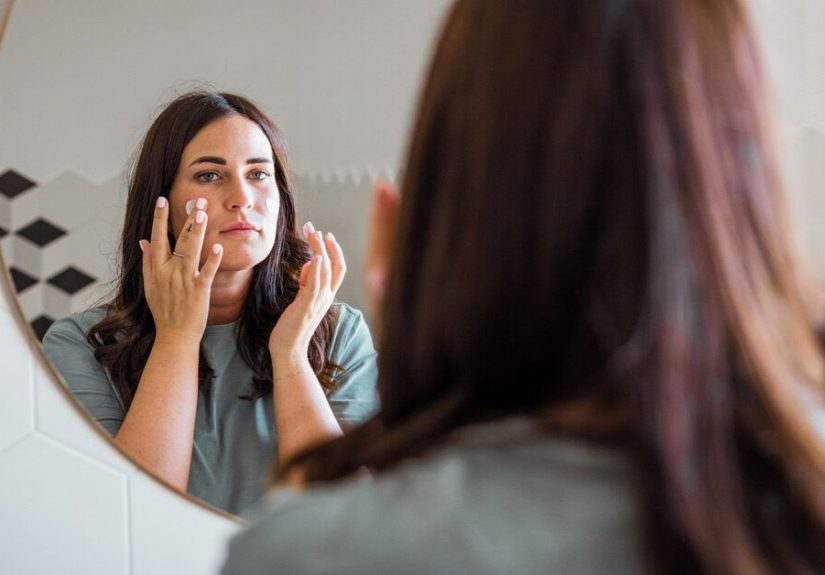
A Daily Skin Care Routine for Mild Rosacea
Here is what a sensible rosacea-friendly routine often looks like:
Morning
- Wash with a gentle, non-abrasive cleanser
- Apply prescription medication if prescribed
- Use a fragrance-free moisturizer
- Finish with broad-spectrum SPF 30 or higher
Evening
- Cleanse gently
- Apply treatment medication if directed
- Moisturize to support the skin barrier
Skip harsh exfoliants, rough washcloths, strongly fragranced products, and random internet “miracle cures.” Rosacea loves consistency. It does not love experiments.
When to See a Dermatologist
You should make an appointment if facial redness keeps coming back, if you have burning or stinging skin that never seems happy, if over-the-counter acne products make things worse, or if your eyes are red, dry, painful, or sensitive to light. You should also seek medical care if redness becomes persistent, visible blood vessels increase, or bumps continue despite gentle skin care.
Early treatment can help control symptoms and may reduce progression. In other words, the sooner you stop guessing, the sooner your skin may stop acting like every latte is a personal attack.
Mild Rosacea vs. Acne, Sensitive Skin, and Other Look-Alikes
Mild rosacea is often confused with adult acne because both can cause bumps. But rosacea usually comes with background redness, flushing, stinging, and sensitivity. Acne tends to involve blackheads, whiteheads, and oilier skin.
It can also be mistaken for “just sensitive skin.” The difference is that rosacea often follows a recognizable pattern of triggers and central facial redness. Some people are also told they have dry skin, sun damage, or irritation from products when rosacea is the real culprit.
This is why self-diagnosis gets tricky. When your face is sending mixed messages, a dermatologist can sort out whether the issue is rosacea, acne, dermatitis, or a frustrating combination of more than one condition.
Experiences With Mild Rosacea in Everyday Life
For many people, mild rosacea is less about dramatic symptoms and more about the steady annoyance of unpredictability. One week your skin looks mostly normal, and the next week your cheeks decide to audition for the role of “permanent blush.” That uncertainty can be surprisingly stressful, especially because facial redness is visible in a way that is hard to hide, even when symptoms are technically mild.
A common experience is noticing that your skin has “personality.” Coffee seems fine on Monday, but by Thursday, the second cup makes your face feel warm. A brisk walk in cool weather leaves your cheeks red for an hour. A stressful meeting, a spicy dinner, or a hot shower creates that familiar flush that makes you check the mirror and mutter, “Really? Again?” People often describe mild rosacea as a condition that teaches them pattern recognition whether they asked for that life skill or not.
Another frequent experience is the long road to figuring out that it is not acne. Many adults try acne washes, scrubs, strong acids, and drying spot treatments before realizing those products are making everything worse. The skin becomes tighter, redder, and more reactive. Once people switch to a gentle cleanser, moisturizer, sunscreen, and a treatment made for rosacea, they often say their skin finally stops feeling angry all the time.
There is also the emotional piece. Even mild rosacea can affect confidence. Some people worry that others think they are sunburned, embarrassed, overheated, or drinking alcohol when none of those things are true. Video calls, bright office lighting, photos, and social events can feel more stressful when you are aware of your face flushing in real time. It may sound small, but visible skin conditions have a real impact on how people feel during ordinary daily interactions.
The encouraging part is that many people with mild rosacea do find a manageable rhythm. They learn their biggest triggers. They keep skin care boring in the best possible way. They wear sunscreen consistently, cool down after workouts, avoid the products that set off stinging, and get medical treatment before symptoms spiral. Their rosacea may not disappear forever, but it often becomes much less disruptive.
In real life, improvement usually does not come from one magical product. It comes from stacking small helpful habits: washing gently, moisturizing daily, protecting from the sun, using prescription treatment correctly, and not changing your whole routine every time the internet gets excited about a new serum. For mild rosacea, boring can be beautiful. Calm skin loves a low-drama lifestyle.
Conclusion
Mild rosacea may start quietly, but it is worth taking seriously. Early signs like flushing, persistent redness, sensitivity, and small bumps are easier to manage when you identify triggers, protect your skin barrier, and get the right treatment plan. For some people, a simple routine and better trigger control make a big difference. For others, prescription medication or laser treatment helps bring symptoms under control.
The key is not to assume your skin is just being “weird.” Mild rosacea is common, real, and treatable. With smart daily care and help from a dermatologist when needed, your face does not have to keep reacting like every warm beverage is an extreme sport.