Table of Contents >> Show >> Hide
- How to Make an Inexpensive Backsplash Look High-End
- 17 Cheap Backsplash Ideas That Only Look Expensive
- 1. Classic White Subway Tile
- 2. Peel-and-Stick Faux Subway Tile
- 3. Faux Marble Peel-and-Stick Panels
- 4. Beadboard Backsplash
- 5. Painted Existing Tile
- 6. Tile Decals for a Patterned Look
- 7. Vinyl Wallpaper That Looks Like Tile
- 8. Faux Brick Panels or Brick Veneer
- 9. Painted Shiplap or Wood Planks
- 10. Pole Wrap or Fluted Wood Panels
- 11. Laminate Sheets With Stone or Metal Looks
- 12. Metal Laminate or Tin-Style Panels
- 13. Penny Tile Sheets
- 14. Hexagon Mosaic Sheets
- 15. Vertical-Stack Tile Layout
- 16. Half Backsplash for a More Custom Look
- 17. One Statement Zone Behind the Range
- Design Tricks That Make Cheap Backsplash Ideas Look Expensive
- Common Budget Backsplash Mistakes to Avoid
- Real-World Experience: What Budget Backsplashes Teach You
- Final Thoughts
If your kitchen feels a little tired, a backsplash can wake it up faster than a double espresso. The good news: you do not need a luxury renovation budget to get that polished, designer-approved look. In fact, some of the smartest backsplash ideas are the affordable ones, because they rely on clever materials, strong color choices, and simple installation tricks instead of dramatic invoices.
A budget backsplash works best when it does two jobs at once: it protects the wall from splashes and steam, and it makes the whole kitchen look more intentional. That is the secret. Expensive-looking kitchens are not always built with expensive materials. Often, they are built with restraint, contrast, clean lines, and a little confidence. In other words, the backsplash is doing a lot of heavy lifting while quietly pretending it is effortless.
Below are 17 cheap backsplash ideas that only look expensive, plus practical advice on how to make even low-cost materials look custom. Because there is a big difference between “budget-friendly” and “looks like it came from a clearance bin next to the seasonal plastic flamingos.” Let us aim higher.
How to Make an Inexpensive Backsplash Look High-End
Before jumping into the list, remember this rule: the material matters, but the finish matters more. A cheap backsplash looks expensive when it is installed neatly, paired with the right grout, and styled with some discipline. Straight lines, clean edges, thoughtful color repetition, and a restrained pattern can turn a modest material into something that feels custom.
Another trick is to avoid forcing one trendy idea across every inch of your kitchen. Sometimes a half backsplash, a vertical stack pattern, or a narrow statement area behind the range creates a better result for less money. Translation: you do not always need more material. You just need better decisions.
17 Cheap Backsplash Ideas That Only Look Expensive
1. Classic White Subway Tile
White subway tile is the little black dress of kitchen design: affordable, reliable, and somehow always invited back. The tile itself is often inexpensive, but it looks elevated when you use darker grout, a stacked layout, or a full-height installation to the underside of the hood or upper cabinets. If you want a timeless backsplash idea on a budget, this is the safest bet on the board.
2. Peel-and-Stick Faux Subway Tile
If traditional tile is not in the budget, peel-and-stick backsplash panels can mimic the look surprisingly well. The key is choosing styles with realistic surface texture and muted colors rather than shiny fake finishes that scream, “I was installed in one weekend and I know it.” This is especially good for renters, quick refreshes, and anyone whose relationship with grout is best described as “complicated.”
3. Faux Marble Peel-and-Stick Panels
Real marble is gorgeous. Real marble is also excellent at reminding you that beauty can be high-maintenance. Faux marble peel-and-stick panels give you a soft veined look without the sealing, staining, or fragile ego. Use them in a simple white kitchen or with warm wood cabinets to create a backsplash that feels refined without the luxury-material panic.
4. Beadboard Backsplash
Beadboard is one of the most affordable backsplash ideas for cottage, farmhouse, and transitional kitchens. Painted in crisp white, warm greige, or a moody blue-green, it adds texture without overwhelming the space. The trick is to caulk the seams cleanly and use a moisture-resistant paint finish. Done right, beadboard looks charming and intentional, not like your kitchen accidentally wandered into a beach rental listing.
5. Painted Existing Tile
If you already have an old tile backsplash that is structurally sound but visually tragic, paint can save the day. Specialized tile paint can cover dated beige, fruit motifs, or whatever happened in the early 2000s. Stick with a solid color rather than trying to fake hand-painted European artistry at midnight on a Tuesday. Clean, simple color is what makes this look fresh.
6. Tile Decals for a Patterned Look
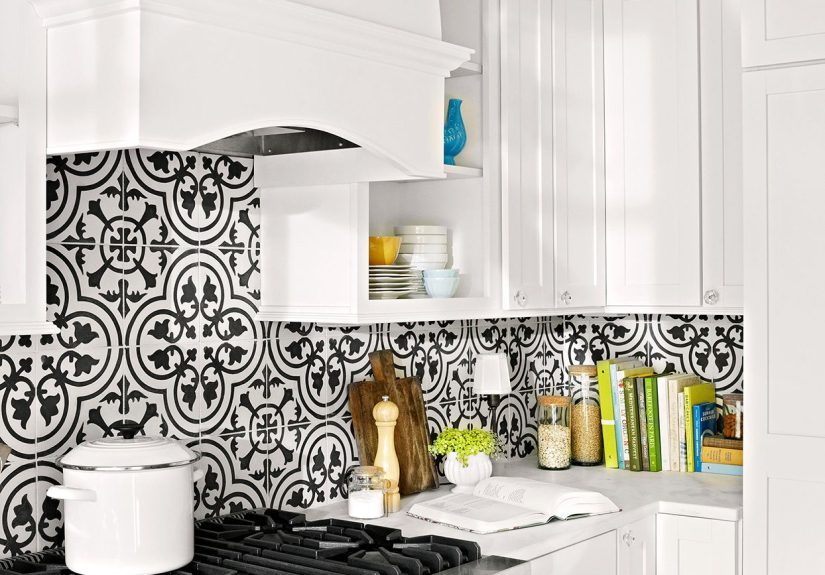
Tile decals are a smart option if your backsplash is boring but still in decent shape. They add pattern without demolition and work especially well in small kitchens, rental units, or breakfast nooks. A black-and-white geometric design can look chic, while a muted Mediterranean-inspired pattern can warm up plain cabinetry. Just keep the surrounding palette calm so the backsplash reads as “design choice,” not “visual argument.”
7. Vinyl Wallpaper That Looks Like Tile
Modern vinyl wallcoverings can imitate tile, stone, or even limewash finishes for a fraction of the cost. This works best away from direct flame and heavy heat, such as on lower-splash zones, coffee bars, or apartment kitchens where a removable solution makes sense. Choose subtle stone-look or grid patterns for a more upscale finish. Loud novelty prints can be fun, but they are usually one banana-themed decision away from regret.
8. Faux Brick Panels or Brick Veneer
A brick-look backsplash adds warmth and character, especially in industrial, farmhouse, and eclectic kitchens. Faux brick panels are cheaper and easier to install than real masonry, and brick veneer can still be budget-friendly when used in a small section. Whitewashed brick feels airy, while a warm clay tone creates a richer, more grounded kitchen. The expensive look comes from texture and tone, not from trying to make the wall look perfectly polished.
9. Painted Shiplap or Wood Planks
Wood planks can work beautifully as a backsplash in lower-splash areas or lightly used kitchens. The best version is usually painted or sealed, with tight installation and minimal gaps. Vertical planks can make the kitchen feel taller, while horizontal planks stretch the space visually. This is a great choice if you want texture without the cost of specialty tile.
10. Pole Wrap or Fluted Wood Panels
Fluted wood details have become a favorite in high-end design, but you can get a similar effect on a budget with pole wrap or wood-slat panels. Behind open shelving or in a dry zone like a beverage station, this material adds instant warmth and a custom feel. Stain it in a medium oak tone or paint it the cabinet color for a seamless, upscale look.
11. Laminate Sheets With Stone or Metal Looks
Laminate is not the glamorous guest at the design party, but it has become much more convincing. Stone-look or metal-look laminate sheets can create a sleek backsplash for very little money, especially in contemporary kitchens. If you keep the edges neat and avoid obvious faux patterns, the result can feel crisp and modern rather than budget-driven.
12. Metal Laminate or Tin-Style Panels
If you like a little shine, tin-style panels or metal laminate can create a bold backsplash without requiring luxury spending. These materials are especially effective in vintage-inspired, industrial, or eclectic kitchens. Go for brushed or antiqued finishes instead of ultra-reflective surfaces. A little character reads far more expensive than a backsplash that looks like it is trying to signal aircraft overhead.
13. Penny Tile Sheets
Penny tile often looks custom because the small scale adds texture and pattern even when the color is simple. The budget advantage is that many penny tiles come in mesh-backed sheets, which can make installation easier. White, soft gray, and muted green penny tile look especially elegant. Use a grout color that complements the tile instead of creating a harsh contrast unless you want the pattern to shout.
14. Hexagon Mosaic Sheets
Hex tile gives a kitchen a tailored look that feels more expensive than standard square tile, but sheet-mounted versions are often reasonably priced. Small hex mosaics in white, warm greige, or soft charcoal can create subtle movement without overwhelming the room. This is a great backsplash idea if you want something timeless with a little more personality than basic subway tile.
15. Vertical-Stack Tile Layout
Sometimes the affordable idea is not the material but the pattern. A cheap rectangular tile can look dramatically more current when stacked vertically rather than installed in the classic running-bond layout. The vertical lines feel fresh, tailored, and a little more architectural. That means you can use a lower-cost tile and still end up with a backsplash that feels straight out of a design magazine.
16. Half Backsplash for a More Custom Look
A half backsplash can save money and make the kitchen look more designed. Rather than covering the entire wall, you stop the backsplash at a lower height and finish it neatly. This works especially well in kitchens without upper cabinets or in spaces where too much material would feel heavy. It is one of those rare design moves that cuts cost and boosts style at the same time, which frankly deserves applause.
17. One Statement Zone Behind the Range
If your budget is small but your taste is not, create one standout backsplash area behind the stove or range hood and keep the rest simple. You might use a patterned tile, faux marble panel, or textured mosaic in that zone, then pair it with painted wall or basic tile elsewhere. This approach draws attention exactly where you want it and keeps costs from wandering off unsupervised.
Design Tricks That Make Cheap Backsplash Ideas Look Expensive
Use Better Grout Colors
Bright white grout can discolor quickly in busy kitchens, and overly dark grout can make inexpensive tile look harsher. A soft warm gray, light taupe, or matched grout color often gives the cleanest result. It is a small decision with a surprisingly big visual payoff.
Take the Backsplash Higher
When possible, extend the backsplash to the bottom of upper cabinets, shelves, or even the ceiling in one focused area. Full-height installation can make even budget materials look custom because it feels deliberate and architectural.
Repeat One Finish Elsewhere
If your backsplash has warm tones, repeat that warmth in wood cutting boards, cabinet hardware, or bar stools. If it leans cool, let that color echo in paint, countertop veining, or accessories. Cohesion is what sells the expensive look.
Do Not Choose the Noisiest Pattern in the Store
Inexpensive materials usually look better when the pattern is subtle. Busy faux stone, high-gloss plastic finishes, and overcomplicated prints tend to reveal their budget roots quickly. Quiet materials almost always age better.
Common Budget Backsplash Mistakes to Avoid
The biggest mistake is picking a material that does not fit how the kitchen is actually used. If you cook heavily, you want something easy to wipe down. If the wall sits near strong heat, skip delicate peel-and-stick wallpaper. Another mistake is using a trendy material that is difficult to clean, install, or repair. Practicality is not boring. Practicality is what keeps your “cheap backsplash idea” from becoming your “why did I do this to myself” story.
Also, do not underestimate prep work. Even a modest backsplash can look premium when the wall is smooth, the lines are level, and the finish is clean. Most backsplash disasters are not caused by the material. They are caused by rushing, crooked cuts, messy edges, and overconfidence. A dangerous combination, especially when paired with online tutorials and caffeine.
Real-World Experience: What Budget Backsplashes Teach You
One thing people learn quickly when updating a kitchen on a budget is that backsplash projects are surprisingly emotional. It sounds dramatic, but stay with me. You start out thinking, “I just want something affordable and cute,” and suddenly you are comparing grout tones like they are life philosophies. Warm gray? Cool gray? Greige? Why are there this many versions of almost the same color? A budget backsplash project has a funny way of turning ordinary homeowners into highly specific design critics.
In real homes, the best cheap backsplash ideas tend to be the ones that solve a practical problem while quietly improving everything around them. A peel-and-stick faux tile can make old laminate counters look more deliberate. A coat of paint on an outdated tile backsplash can make cabinets appear newer than they are. A simple beadboard wall can give a kitchen more character than a far more expensive material used without a plan. The lesson is simple: design impact is not always tied to cost. It is tied to contrast, proportion, cleanliness, and confidence.
Another common experience is realizing that texture matters more than people think. Even when the material is inexpensive, a backsplash with depth, grooves, grout lines, or subtle pattern catches light in a way that makes the whole kitchen feel layered. That is why penny tile, fluted wood, faux brick, and beadboard often outperform their price tags. They give the eye something interesting to do. Flat, shiny, obviously synthetic surfaces, on the other hand, tend to expose the budget immediately.
Homeowners also learn that installation style can completely change the final result. The same affordable tile can look builder-basic in one layout and designer-approved in another. Vertical stacking, full-height application, clean trim, and careful spacing all create that expensive look people want. In many cases, spending a little more time on planning saves a lot more money than upgrading to a premium material. That is not glamorous advice, but it is wildly useful.
There is also the reality of maintenance. Some people fall in love with a look online, install it, and then discover it is a magnet for grease, fingerprints, or grout discoloration. The more successful budget backsplash projects usually come from choosing something that works with real life: easy to wipe down, forgiving of splashes, and not so precious that making pasta feels like a legal risk. A backsplash that looks luxe but behaves reasonably is the sweet spot.
Perhaps the biggest experience-related takeaway is this: small upgrades can change how a kitchen feels far more than people expect. You may not have new cabinets. You may not have stone counters. You may still have that one drawer that only opens if you sweet-talk it first. But a fresh backsplash can make the whole room feel more polished, more current, and more enjoyable to use. And that is the magic of a smart, inexpensive design move. It does not just change the wall. It changes the mood.
Final Thoughts
The best cheap backsplash ideas are not about pretending to be something they are not. They are about choosing affordable materials that play to their strengths: easy installation, low maintenance, visual texture, and flexible style. Whether you go with classic subway tile, faux marble peel-and-stick panels, painted beadboard, or a single statement zone behind the range, the goal is the same. You want a backsplash that looks intentional, polished, and far more expensive than it really was.
That is the dream, after all: a kitchen upgrade with designer energy and checkout-line behavior.