Table of Contents >> Show >> Hide
- Why the Adjustable Upper Rack Is the Dishwasher Feature Worth Caring About
- What Is an Adjustable Upper Rack?
- How This Feature Makes Organizing Loads Easier
- Adjustable Upper Rack vs. Third Rack: Which Matters More?
- How to Use an Adjustable Dishwasher Rack the Right Way
- Smart Loading Tips That Work With This Feature
- Best Examples: When to Raise or Lower the Upper Rack
- What to Look for When Buying a Dishwasher With Flexible Racks
- Common Mistakes to Avoid
- Why Better Organization Can Improve Cleaning Results
- Experience Section: Real-Life Lessons From Using the Adjustable Rack
- Conclusion
If your dishwasher loading routine currently looks like a competitive game of ceramic Tetris, there is one feature that can make the whole process less chaotic: the adjustable upper rack. Not the fancy Wi-Fi app. Not the mysterious “extra dry” button that feels like it was named by a committee. Not even the third rack, useful as that can be. The humble adjustable dishwasher rack is the quiet kitchen hero that helps plates, bowls, wine glasses, mugs, cutting boards, and awkward leftovers from last night’s casserole all find their place without turning your sink into a waiting room.
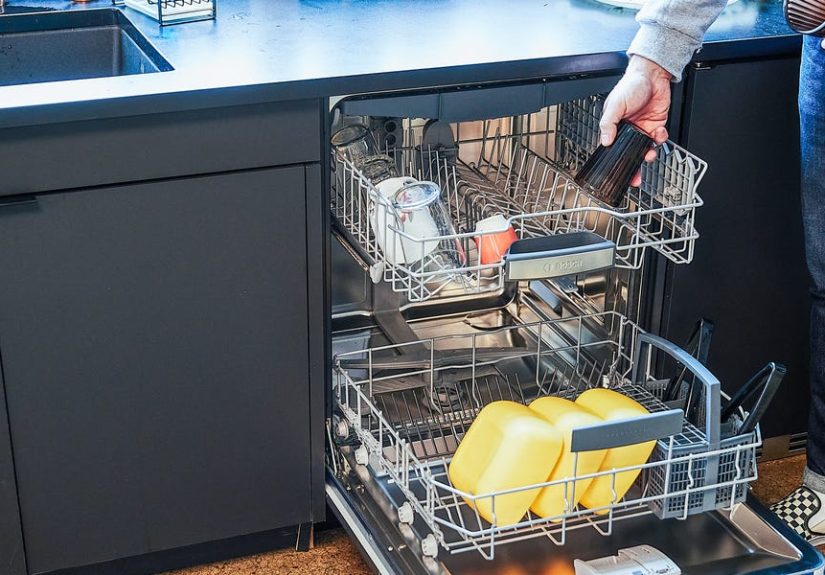
The best part? Many people already have this feature and do not realize it. On many modern dishwashers, the top rack can move up or down to create more vertical space where you need it most. Raise it, and the bottom rack suddenly has room for tall dinner plates, stockpots, mixing bowls, or bulky serving pieces. Lower it, and the upper rack becomes friendlier to stemware, tall glasses, travel mugs, and small bowls. It is a small mechanical adjustment, but it can completely change how efficiently you organize a dishwasher load.
For anyone who has ever stared at a dishwasher full of “almost fitting” items, the adjustable upper rack is the difference between running one smart load and doing a second sad little load for three glasses and one suspiciously large spatula. Let’s break down why this dishwasher feature matters, how to use it correctly, and how it can make everyday kitchen cleanup faster, cleaner, and less annoying.
Why the Adjustable Upper Rack Is the Dishwasher Feature Worth Caring About
Dishwashers work best when water, detergent, and heat can reach dirty surfaces freely. That sounds obvious, but most loading mistakes happen because we focus only on fitting everything inside, not on whether everything can actually get clean. When dishes overlap, block spray arms, or sit at awkward angles, water cannot circulate properly. The result is familiar: cloudy glasses, bowls with oatmeal fossils, spoons still wearing peanut butter like a bad sweater, and that one plate you swear was cleaner before it went in.
An adjustable upper rack gives you more control over spacing. Instead of forcing every load into the same fixed layout, you can adapt the dishwasher to the dishes you actually used that day. After taco night, you might need more lower-rack clearance for dinner plates and mixing bowls. After a brunch gathering, you may need extra top-rack height for juice glasses, mugs, and delicate items. After a baking session, you may want to raise the top rack so sheet-pan accessories, large bowls, and measuring pitchers can sit below without bumping into the spray arm.
That flexibility is what makes the feature so valuable. It does not simply add space; it makes the existing space more usable. In a dishwasher, usable space matters more than raw capacity. A machine may look roomy, but if the racks do not adjust, you may still struggle with tall or odd-shaped items. The adjustable upper rack solves that problem by letting you decide where the vertical space belongs.
What Is an Adjustable Upper Rack?
An adjustable upper rack is a dishwasher rack that can be raised or lowered to create more room in either the top or bottom section of the dishwasher. Depending on the model, the adjustment may happen with side levers, buttons, clips, or a track system with multiple wheel positions. Some dishwashers allow quick one-touch adjustments, while others require you to partially remove the rack and reposition it on a different set of wheels.
The idea is simple: the top rack does not have to stay in one place forever. When it sits higher, the lower rack gains room for taller dishes, pans, platters, or cutting boards. When it sits lower, the upper rack gains room for taller glasses, mugs, small pitchers, and bowls. On some premium models, racks may also include fold-down tines, stemware holders, sliding shelves, or a third rack, but the height-adjustable upper rack remains one of the most practical everyday features.
Common Items That Benefit From Rack Adjustment
Raising or lowering the rack can help with items that never seem to fit neatly. These include tall dinner plates, pasta bowls, mixing bowls, casserole dishes, water bottles, travel mugs, wine glasses, ladles, spatulas, measuring cups, small food storage containers, and dishwasher-safe cutting boards. The adjustable rack is especially helpful in households where the dishes are not all from one matching set. Real kitchens are full of random mugs from school events, oversized bowls bought during a “new year, new me” meal-prep phase, and at least one novelty cup that refuses to fit anywhere.
How This Feature Makes Organizing Loads Easier
The biggest advantage of an adjustable upper rack is that it reduces the number of awkward decisions you have to make before starting a cycle. Instead of asking, “Can I cram this in?” you can ask, “Where should I create more space?” That shift makes loading more logical and less frustrating.
1. It Helps You Separate Items by Size
Dishwashers are generally designed with zones. The lower rack is best for plates, larger bowls, cookware, and heavier items. The upper rack is better for glasses, mugs, small bowls, and heat-sensitive plastics labeled dishwasher-safe. The problem is that not every item fits neatly into these categories. A tall glass may need more headroom on the top rack. A large dinner plate may stand too high in the bottom rack and hit the spray arm. The adjustable rack lets you restore order by giving each zone the right amount of clearance.
2. It Reduces Overcrowding
Overcrowding is one of the most common reasons dishes come out dirty. When items are packed too closely, water and detergent cannot reach every surface. An adjustable rack gives you another way to create breathing room. Instead of stacking bowls too tightly or wedging glasses at strange angles, you can change the rack height and load items more naturally.
3. It Protects Delicate Items
Many people avoid putting tall glasses or stemware in the dishwasher because they fear tipping, rattling, or breakage. Lowering the upper rack can make these items more stable, especially when the rack also has stemware supports or angled rows. Fragile items should still be loaded carefully, and anything antique, hand-painted, wooden, or not labeled dishwasher-safe should be washed by hand. But for everyday glasses and sturdy stemware, an adjustable rack can make the top section much easier to use.
4. It Frees the Bottom Rack for Bigger Jobs
The bottom rack is valuable real estate. It is where dinner plates, serving bowls, pots, pans, and larger items usually belong. When the upper rack is fixed too low, tall items below may block the spray arm or prevent the rack from sliding in properly. Raising the upper rack can instantly make the bottom section more useful. Suddenly, that oversized pasta bowl is no longer a dishwasher villain. It has a home.
Adjustable Upper Rack vs. Third Rack: Which Matters More?
Third racks have become popular in newer dishwashers, and they are genuinely helpful. A third rack can hold flatware, spatulas, lids, measuring spoons, and other shallow items. Some deeper third racks can even fit mugs or small bowls. This can free up space in the lower basket and make unloading silverware easier.
However, if the question is which single feature makes organizing loads easier for the widest range of everyday dishes, the adjustable upper rack has a strong case. A third rack adds another layer of storage, but an adjustable upper rack changes the entire interior layout. It helps with the awkward vertical-space problem that affects plates, glasses, bowls, and cookware. Ideally, a dishwasher has both. But if you are choosing one feature to prioritize, adjustable rack height is the everyday workhorse.
How to Use an Adjustable Dishwasher Rack the Right Way
Before adjusting the rack, check your dishwasher manual or look closely at the sides of the upper rack. Many models have levers or buttons near the rack rails. Some have rack adjusters on both sides that must be pressed at the same time. Others use wheels that sit in different tracks. Always adjust gently, and avoid forcing the rack because damaged rails can make loading much more annoying than it needs to be.
Step 1: Empty the Rack First
Most manufacturers recommend adjusting the upper rack when it is empty. A loaded rack can be heavy, uneven, and harder to control. It can also cause glasses or bowls to shift suddenly. Emptying first may feel like an extra step, but it is safer and helps protect both your dishes and the rack mechanism.
Step 2: Raise the Rack for Tall Bottom-Rack Items
Raise the upper rack when the lower rack needs more height. This is useful for dinner plates, serving platters, stockpots, deep bowls, baking dishes, and tall cutting boards. After raising the rack, slide the bottom rack in slowly and make sure no item blocks the spray arm. A quick spin of the spray arm before starting the cycle can save you from a load full of “why is this still dirty?” disappointment.
Step 3: Lower the Rack for Tall Top-Rack Items
Lower the upper rack when you need room for tall glasses, coffee tumblers, mugs, small pitchers, or dishwasher-safe water bottles. Place items between the tines, not over them, so water can flow around each piece. Angle cups and mugs downward so water drains instead of pooling in the base.
Step 4: Check for Clearance
After adjusting, make sure the upper rack does not interfere with the third rack, if your dishwasher has one. Also check that tall items in the bottom rack do not hit the middle spray arm. Items sticking through the rack can block moving parts, create noise, or reduce cleaning performance.
Smart Loading Tips That Work With This Feature
An adjustable rack helps, but it works best when paired with good dishwasher habits. The goal is not to create the most impressive pile of dishes. The goal is to create a load that allows water and detergent to do their job.
Scrape, But Do Not Over-Rinse
Modern dishwashers and detergents are designed to handle normal food residue. Scrape off large food pieces, bones, seeds, and sticky chunks, but you usually do not need to fully rinse every plate before loading. Over-rinsing wastes water and may reduce detergent effectiveness in some cases because detergent needs soil to work against. Think of it as giving your dishwasher a reasonable challenge, not sending it into battle against an entire lasagna.
Face Dirty Surfaces Toward the Spray
Plates and bowls should generally face toward the center or downward toward the spray source. Large items should not block smaller items. Bowls should be angled so water can reach inside and drain out. Cups and glasses belong upside down or angled downward on the upper rack.
Keep Plastics on the Upper Rack
Dishwasher-safe plastics are usually best placed on the top rack, away from the strongest heat source. Secure lightweight plastic containers so they do not flip over, fill with water, or land on the heating element. If your adjustable rack is lowered for tall glasses, make sure plastic lids still sit securely and do not block water flow.
Do Not Block the Spray Arms
This is the golden rule of dishwasher loading. Before running the machine, spin the spray arms by hand to confirm they move freely. If a spatula, cutting board, or dinner plate blocks the arm, the whole load may suffer. A dishwasher cannot clean what it cannot spray.
Best Examples: When to Raise or Lower the Upper Rack
Picture a weeknight dinner load: large dinner plates, cereal bowls, water glasses, forks, a saucepan, and a cutting board. In this case, raising the upper rack may be the best move because it gives the bottom rack more room for plates and the saucepan. The top rack can still hold standard glasses and small bowls.
Now picture a weekend brunch load: coffee mugs, juice glasses, small plates, ramekins, fruit bowls, and a few tall tumblers. Lowering the upper rack may make more sense because the top rack needs the extra height. The bottom rack can handle plates and heavier serving pieces.
For holiday meals, the adjustable upper rack becomes even more useful. Large platters, serving bowls, casserole dishes, gravy boats, and tall glasses all compete for space. Adjusting the rack between loads can help you organize by category: one load for plates and cookware, another for glasses and serving pieces. It is not glamorous, but neither is hand-washing a mountain of dishes while everyone else is discussing dessert.
What to Look for When Buying a Dishwasher With Flexible Racks
If you are shopping for a new dishwasher, do not look only at decibel ratings, finish, or smart features. Rack design matters because it affects how the dishwasher works every single day. A quiet dishwasher is nice, but a quiet dishwasher with frustrating racks is just silently judging you.
Look for an adjustable upper rack that feels sturdy and easy to move. Side levers are convenient, especially if they allow smooth height changes. Fold-down tines are also useful because they let you fit bowls, pots, and larger pieces more easily. A third rack can be a bonus if you use many utensils, small lids, or measuring tools. Also consider whether your everyday dishes fit the rack layout. If you use oversized plates or tall glasses, bring measurements when shopping or check the model specifications carefully.
Interior design should match your real habits. A household that cooks often may need flexible space for mixing bowls, pans, and utensils. A household that eats mostly simple meals may care more about glasses, plates, and snack bowls. Families with kids may need top-rack space for dishwasher-safe plastic cups and containers. The best dishwasher is not just the one with the most features; it is the one whose racks match your kitchen life.
Common Mistakes to Avoid
One mistake is forgetting the rack moves at all. Many people use the same rack position for years and assume tall items simply do not fit. Another mistake is adjusting only one side of the rack, leaving it uneven. This can cause sliding problems and poor loading stability. Always make sure both sides are locked at the same height.
Another common error is lowering the upper rack for tall glasses and then overloading it with bowls that overlap. Lowering the rack gives you height, not permission to build a porcelain traffic jam. Water still needs space to move. Finally, avoid placing items where they interfere with detergent dispensers, spray arms, or rack movement. If the dishwasher door cannot close comfortably, the load needs rearranging, not encouragement.
Why Better Organization Can Improve Cleaning Results
A dishwasher is not magic, even though it does turn crusty dinner plates into clean ones while you do literally anything else. It depends on water pressure, spray patterns, detergent distribution, drainage, and heat. Organized loading improves each of those factors. When items are spaced well, water reaches more surfaces. When bowls are angled correctly, dirty water drains away. When spray arms are clear, the cycle works as designed.
The adjustable upper rack supports better organization because it helps you avoid compromise loading. You do not have to lay a tall glass sideways. You do not have to squeeze a plate under the spray arm and hope for the best. You do not have to leave a mixing bowl in the sink because it is “too annoying right now.” Small changes in rack height can lead to cleaner dishes, fewer rewashes, and less time spent playing dishwasher detective.
Experience Section: Real-Life Lessons From Using the Adjustable Rack
The real value of the adjustable upper rack becomes obvious after a few ordinary, messy, very human kitchen moments. Imagine cooking pasta on a Tuesday night. Nothing fancy: spaghetti, salad, garlic bread, and a sauce pot that somehow looks like it hosted a tomato crime scene. Without adjusting the rack, the large plates barely fit below, the saucepan tilts awkwardly, and the cutting board blocks the spray arm. Raise the upper rack one level, and suddenly the bottom rack opens up. Plates stand properly, the saucepan faces downward, and the cutting board slides along the side without causing a mechanical scandal.
Another example: after a family breakfast, the dishwasher fills with mugs, cereal bowls, juice glasses, and small plates. This is where lowering the upper rack feels like discovering a secret room in your own house. Tall glasses fit more securely. Mugs sit at a better angle. Small bowls do not need to be forced into spaces where they overlap. The load looks calmer, which sounds silly until you realize that a calm dishwasher load usually means fewer dirty surprises later.
One useful habit is to decide rack height before loading, not halfway through. Look at the sink first. Are the biggest items plates and pans? Raise the upper rack. Are the awkward items tall glasses and mugs? Lower it. This five-second decision prevents the classic dishwasher loading spiral: load, unload, rearrange, sigh dramatically, repeat. It also helps other people in the household follow the same system. When the rack position matches the load, everyone has fewer excuses to leave dishes in the sink “because the dishwasher is full.” Spoiler: it is often not full; it is just badly organized.
The adjustable rack also helps when hosting guests. After a small dinner party, dishes rarely arrive in neat categories. Someone has used a large serving bowl for chips. Someone else has produced six extra glasses. A casserole dish appears, even if you do not remember using one. Being able to shift the rack up or down helps you build smarter loads quickly. You can run one load for plates, utensils, and cookware, then adjust the rack for glasses and smaller items in the next round.
For small kitchens, this feature matters even more. When counter space is limited, every dish left out feels like clutter. The adjustable upper rack helps more items go directly into the dishwasher instead of waiting beside the sink. That can make the whole kitchen feel cleaner before the cycle even starts. It is not just about dishwashing; it is about visual peace. And in a busy kitchen, visual peace deserves applause.
One final lesson: the feature works best when you do not treat it like a one-time setting. Many people raise the rack once and leave it there forever. But the point is flexibility. Move it based on the load. Use it when you have tall plates. Use it when you have tall glasses. Use it when a mixing bowl refuses to cooperate. The adjustable upper rack is not flashy, but it solves the exact problem most people face every day: making random dishes fit in a way that still lets them get clean.
Conclusion
The single dishwasher feature that makes organizing loads easier is the adjustable upper rack. It is simple, practical, and surprisingly powerful. By raising or lowering the top rack, you can create space where you need it, reduce overcrowding, protect delicate items, and improve the chances that every dish comes out clean the first time.
While third racks, smart cycles, quiet motors, and premium finishes all have their appeal, flexible rack height solves one of the most common dishwasher problems: awkward loads. It helps your dishwasher adapt to real life, where dishes are mismatched, mugs multiply overnight, and one large bowl can ruin an otherwise perfect loading plan.
So before you blame your dishwasher, your detergent, or the laws of physics, check whether your upper rack adjusts. That tiny lever on the side might be the kitchen upgrade you already own.
Note: This article is written for web publishing and synthesizes practical guidance from appliance manufacturers, consumer-testing resources, energy-efficiency information, and home-care experts without inserting external source links into the body content.