Table of Contents >> Show >> Hide
- Quick Answer: Which Car Code Readers Stand Out Most?
- Best overall for most DIY owners: Ancel BD310
- Best Bluetooth code reader: BlueDriver Pro
- Best advanced scanner for serious DIY work: Innova 5610
- Best wireless pick for enthusiasts: OBDLink MX+
- Best value handheld scanner: Bosch OBD 1200 or MotoPower MP69033
- Best traditional wired reader with a dedicated screen: Foxwell NT301
- What a Car Code Reader Actually Does
- How to Choose the Best Car Code Reader
- The Best Car Code Readers in Detail
- Who Should Buy What?
- Common Mistakes People Make With Car Code Readers
- Real-World Experiences With Car Code Readers
- Final Verdict
If your check engine light has ever popped on five minutes before work, on a rainy night, or right when your bank account was hoping for a quiet week, welcome to the club. That tiny amber light has a special talent for showing up at the worst possible moment. The good news is that the best car code readers can turn that dashboard drama into something much more manageable: actual information.
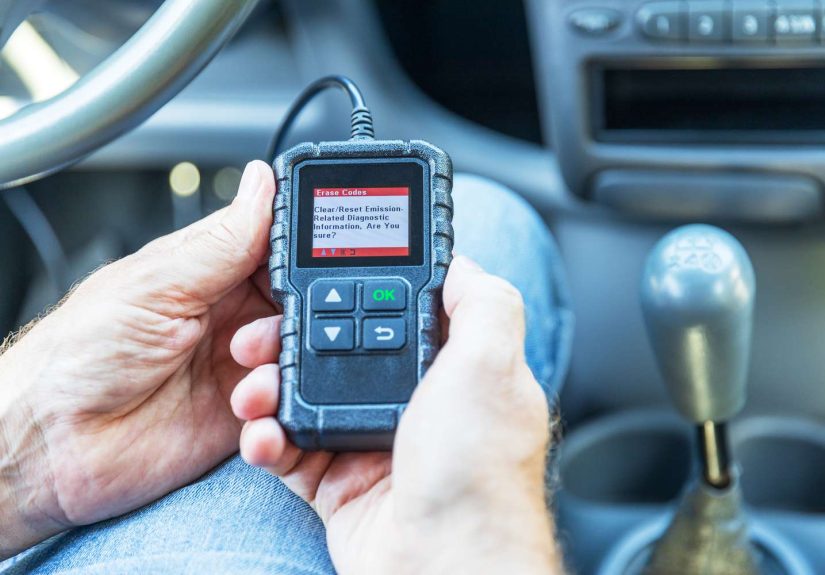
A modern car code reader plugs into your vehicle’s OBD-II port and pulls diagnostic trouble codes stored by the car’s computer. In plain English, it helps you figure out whether your car is mad about a loose gas cap, an oxygen sensor, a misfire, or something that deserves immediate attention. It will not magically repair your vehicle, settle your mechanic bill, or restore your faith in used cars. But it can absolutely help you understand what’s going on before you start guessing, Googling, or throwing money at the problem.
For most drivers, the best car code reader is not necessarily the most expensive one. The sweet spot depends on how you use your vehicle, how much DIY work you do, and whether you want a simple handheld tool or a Bluetooth adapter that turns your phone into a miniature service bay. That is why the smartest way to shop is by use case, not by marketing hype.
Quick Answer: Which Car Code Readers Stand Out Most?
If you want the short list before we pop the hood on the details, these are the categories that make the most sense for real-world drivers:
Best overall for most DIY owners: Ancel BD310
The Ancel BD310 stands out because it blends two personalities into one device. It works as a wired scanner with its own display, but it also supports Bluetooth app-based use. That makes it unusually flexible for people who want simple plug-and-play diagnostics today and richer app-driven data tomorrow. It hits a rare balance of convenience, capability, and price.
Best Bluetooth code reader: BlueDriver Pro
If you like the idea of using your phone as the command center, BlueDriver Pro is one of the strongest picks. Its app experience is polished, the data is easy to navigate, and it offers deeper information than many cheap Bluetooth dongles that look impressive online and then behave like moody little paperweights in real life.
Best advanced scanner for serious DIY work: Innova 5610
This is the pick for the person who does more than clear a code and call it a day. The Innova 5610 is for owners who want bidirectional functions, service features, and broader system access. If your weekends involve brake bleeding, battery service procedures, or helping every relative with their car problems, this one starts to make financial sense.
Best wireless pick for enthusiasts: OBDLink MX+
The OBDLink MX+ is a favorite among drivers who want strong compatibility and a versatile Bluetooth setup. It works especially well for enthusiasts who like third-party app support, live data, and broader vehicle coverage without carrying around a bulky handheld scanner.
Best value handheld scanner: Bosch OBD 1200 or MotoPower MP69033
If your goal is simple and nobleread the code, clear the light when appropriate, and move on with your lifean affordable handheld unit makes perfect sense. These kinds of scanners are great for basic check engine light triage and emissions-readiness checks.
Best traditional wired reader with a dedicated screen: Foxwell NT301
Some drivers do not want apps, pairing, permissions, firmware prompts, or Bluetooth drama. They want a cord, a screen, and answers. The Foxwell NT301 fits that old-school preference well, especially if you value a clearer interface and direct button-based navigation.
What a Car Code Reader Actually Does
Every passenger vehicle sold in the United States since the 1996 model year uses OBD-II, which standardizes the diagnostic connection and makes code retrieval much more universal. That means a code reader can plug into the car’s diagnostic portusually under the steering column or near the driver’s footwelland pull the stored trouble codes that triggered the check engine light.
That sounds wonderfully decisive, but there is one important catch: the code points you toward a problem area. It does not always tell you the exact failed part. A code may suggest a misfire in cylinder one, but the root cause could be a spark plug, ignition coil, fuel injector, vacuum leak, or something farther upstream. Think of a code reader as a map, not a miracle.
This is also where many buyers get confused by the difference between a code reader and a scan tool. A basic code reader is focused on reading and clearing engine-related trouble codes. A fuller scan tool may provide live data, freeze-frame data, readiness monitors, battery tests, ABS and SRS access, service resets, and even bidirectional control. The more you want the tool to do, the more you should expect to pay.
How to Choose the Best Car Code Reader
1. Decide how deep you want to go
If you only want to identify why the check engine light came on, a budget handheld reader is enough. If you want to diagnose drivability issues, compare sensor readings, or work on multiple vehicles, go beyond the bargain bin.
2. Handheld vs. Bluetooth is a real lifestyle choice
A handheld reader is quick, self-contained, and reliable. A Bluetooth scanner is more compact and often gives you better graphs, cleaner menus, and easier updates through your phone. The tradeoff is that app quality matters a lot. A great app feels like a professional assistant. A bad one feels like downloading a headache.
3. Make sure it supports the systems you care about
Many low-cost readers only handle powertrain codes. That may be fine for beginners, but it is limiting if you want ABS, airbag, transmission, hybrid battery, or service-function access. Read the compatibility details carefully before buying.
4. Live data matters more than flashy marketing
A scanner that shows live sensor data can be far more useful than one that merely spits out a generic code. Live data helps you spot patterns, compare readings, and decide whether a fault is active, intermittent, or maybe just your car being dramatically unhelpful.
5. Updates are not optional anymore
Cars keep getting more complex, and software support matters. Bluetooth readers and better handheld units often get updates that improve compatibility and diagnostic depth. A scanner that stays current tends to age better than a cheap one that shows up, does the bare minimum, and then emotionally checks out.
The Best Car Code Readers in Detail
Ancel BD310: Best overall for most people
If one tool best captures what most drivers actually need, it is the Ancel BD310. Its wired-and-wireless flexibility is the headline feature, but the bigger reason it wins is balance. It can serve a beginner who just wants a simple screen and a cable, yet it still gives more curious owners access to richer data through the app.
This kind of hybrid design is surprisingly practical. Some days you want to plug in and scan quickly without opening your phone. Other days you want more detail, better menus, or live performance data. The BD310 lets you do both, which makes it easy to recommend as a first serious scanner.
BlueDriver Pro: Best for app-based diagnostics
BlueDriver Pro is the scanner for people who want a smarter, more polished user experience. The hardware itself is tiny, but the app is the real product. It is clean, intuitive, and better organized than the bargain Bluetooth adapters flooding online marketplaces with suspiciously enthusiastic reviews and names that sound like rejected superhero sidekicks.
BlueDriver is especially attractive if you want more than a code number. It is good at turning vehicle data into something understandable, which is exactly what average drivers need. It is also a great travel companion because it takes almost no space in the glove box.
Innova 5610: Best for serious DIY mechanics
The Innova 5610 is what happens when a code reader goes to trade school, buys better tools, and starts speaking with confidence. It is significantly more capable than an entry-level reader and is aimed at people who maintain vehicles regularly. This is the model you buy when you are no longer impressed by basic code pulls and want actual diagnostic depth.
Its stronger system access and service functions help justify the higher cost. It is probably overkill for the driver who only wants peace of mind after a check engine light appears twice a year. But if you maintain multiple vehicles or do your own repairs often, the 5610 can save both time and frustration.
OBDLink MX+: Best for enthusiasts and multi-app users
The OBDLink MX+ has built a strong reputation because it works well with multiple platforms and fits neatly into a more enthusiast-friendly workflow. It is a great choice for drivers who enjoy using different apps, monitoring live data while driving, or digging deeper than the average “read-and-delete” routine.
This is not the best pick for someone who wants a built-in screen and zero setup. But if you like flexibility and broad compatibility, it is one of the more appealing wireless options in the category.
Bosch OBD 1200 and MotoPower MP69033: Best for value seekers
There will always be a place for a basic handheld code reader. Not everyone needs a feature-packed diagnostic platform. Sometimes you just want to know why the light is on, whether the system is emissions-ready, and whether you can drive to work tomorrow without narrating your engine’s emotional decline.
That is where value-focused handhelds shine. Models in this class are affordable, easy to learn, and ideal for occasional use. They are especially good for younger drivers, first-time car owners, or families who want one no-fuss diagnostic tool in the garage.
Foxwell NT301: Best for screen-first buyers
The Foxwell NT301 deserves a look if you prefer a dedicated wired scanner with a more polished display. Some buyers simply do not enjoy app-based tools, and that is completely fair. A reader with a crisp screen and straightforward buttons can be easier to use when you are leaning under the dash in poor lighting and trying not to invent new curse words.
Its value depends on pricing compared with rivals, but in the right range it remains an appealing middle-ground handheld option for people who want something more refined than the cheapest units.
Who Should Buy What?
Buy a basic code reader if…
You want affordable insurance against surprise check engine lights, own one car, and mainly want to know whether the problem looks minor or urgent.
Buy a Bluetooth reader if…
You like using your phone, want live data and better visuals, and do not mind a setup process.
Buy an advanced scan tool if…
You work on cars regularly, care about system-level access, or need more than simple engine-code reading.
Common Mistakes People Make With Car Code Readers
Clearing codes before understanding them
This is the classic move. The light goes off, you feel victorious, and then it comes back like a sequel nobody asked for. Always read and record the codes first, then clear them only when it makes sense.
Assuming the code names the exact broken part
A code is a clue, not a courtroom verdict. Use it to narrow the search, not to buy parts blindly.
Buying more scanner than you will ever use
A professional-grade tool sounds exciting until it is sitting in your garage like a very expensive brick with menus you never touch. Match the tool to your real habits.
Buying too little scanner for modern needs
On the other hand, some readers are so basic that they become frustrating fast. If you care about ABS, airbag systems, hybrid battery data, or service resets, do not pretend a bare-bones reader will grow extra features out of gratitude.
Real-World Experiences With Car Code Readers
One of the most relatable experiences with a car code reader is the “panic, scan, laugh, then tighten the gas cap” moment. Plenty of drivers buy one because they expect catastrophic news, only to discover the car is complaining about something small and fixable. That is a huge part of the value. A good code reader does not just provide diagnostics; it lowers stress. It turns the unknown into a to-do list.
Another common experience happens with intermittent problems. The car runs fine most of the time, but every few days it stumbles at idle, hesitates on acceleration, or flashes the light briefly before acting innocent again. In those cases, even a modest scanner with pending-code and freeze-frame support can be incredibly helpful. Instead of telling a mechanic, “It made a weird noise once, kind of near the middle of the car, maybe on Tuesday,” you can arrive with stored codes and actual data. That changes the conversation fast.
Used-car shoppers also get real value from code readers. No, a handheld scanner will not replace a full pre-purchase inspection, and anyone who tells you otherwise is selling confidence by the gallon. But plugging in a reader before you buy can still reveal stored or pending issues, emissions readiness status, or signs that someone cleared codes shortly before the sale. That is not a complete verdict, but it is a very useful warning system.
Then there is the family-and-friends effect. Once you own a decent code reader, people start treating you like the unofficial neighborhood service writer. Your cousin’s sedan lights up. Your friend’s crossover feels sluggish. Your neighbor’s truck suddenly sounds “different,” which is not a diagnosis so much as a cry for help. A good scanner quickly pays for itself when it becomes the first step in figuring out whether a vehicle needs immediate repair, routine maintenance, or just a calmer owner.
Drivers who use Bluetooth scanners often talk about the difference the app makes. A weak app can turn a promising tool into a drawer resident. A strong app can make the whole process feel surprisingly modern. Live graphs, clearer code descriptions, vehicle reports, and guided information can help non-experts feel less intimidated. That matters more than spec sheets sometimes admit. The best tool is often the one you will actually use instead of postponing until the warning light becomes part of the dashboard decor.
More advanced DIY owners usually describe a different kind of satisfaction. For them, a scanner is not just about reading a fault. It is about confirming a repair, checking readiness monitors before inspection, comparing sensor behavior, or accessing systems that cheap readers cannot touch. That is where tools like the Innova 5610 or enthusiast-friendly adapters like the OBDLink MX+ start to feel worth the extra money. They save repeat trips, improve decision-making, and keep guesswork from becoming a very expensive hobby.
The most honest experience of all, though, is this: a code reader does not make car trouble fun, but it makes it less mysterious. And when you own a machine that communicates mostly through warning lights and passive aggression, less mystery is a beautiful thing.
Final Verdict
The best car code readers are the ones that match your skill level and your expectations. For most drivers, the Ancel BD310 is the sweet-spot choice because it blends easy wired use with more advanced Bluetooth flexibility. If you want a phone-first experience, BlueDriver Pro is a smart pick. If you do serious DIY work and want deeper capability, the Innova 5610 earns its place. If you like app flexibility and enthusiast-level compatibility, the OBDLink MX+ remains a standout. And if your needs are simple, a basic handheld reader can still be one of the smartest low-cost tools you keep in your car-care kit.
In other words, the best scanner is not always the fanciest one. It is the one that helps you make better decisions, ask better questions, and avoid the wildly expensive tradition of replacing parts because the internet said “maybe.”