Table of Contents >> Show >> Hide
- What Sudden Knee Pain Means
- Common Causes of Sudden Knee Pain
- Symptoms That Help Identify the Cause
- When to Seek Medical Care Right Away
- How Sudden Knee Pain Is Diagnosed
- Treatment for Sudden Knee Pain
- How to Prevent Sudden Knee Pain
- Practical Examples: What Different Knee Pain Patterns May Suggest
- Mistakes That Can Make Sudden Knee Pain Worse
- 500-Word Experience Section: What Sudden Knee Pain Feels Like in Real Life
- Conclusion
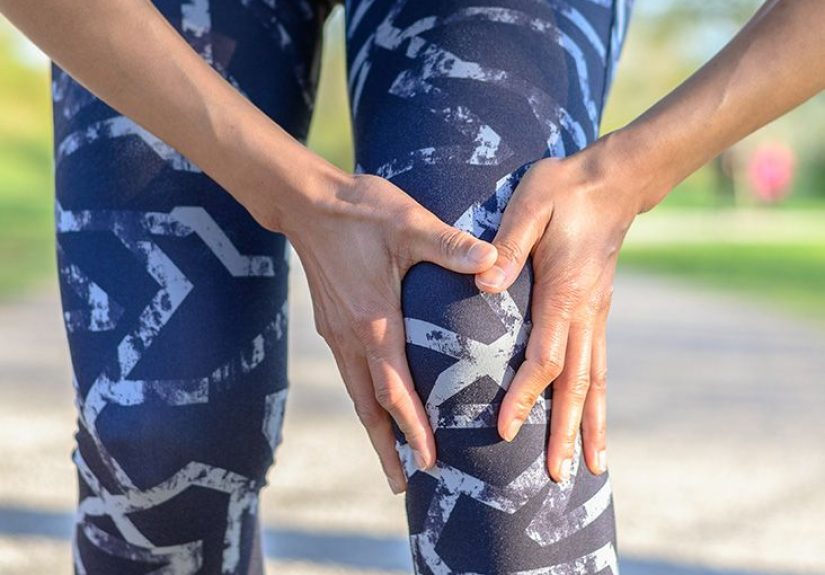
Sudden knee pain has a dramatic way of entering your life. One minute you are walking across the kitchen like a normal person, and the next minute your knee has filed a formal complaint with upper management. Maybe it happened after a workout, a twist on the stairs, a long day of standing, or absolutely nothing you can remember. That mystery is frustrating, but it is also common: knee pain can come from injuries, overuse, inflammation, arthritis, tendon irritation, bursitis, gout, infection, or pain referred from nearby joints.
The knee is one of the hardest-working joints in the body. It bends, straightens, rotates slightly, carries your weight, absorbs impact, and somehow gets blamed for everything from weekend basketball to carrying groceries in one heroic trip. Because it contains bones, cartilage, ligaments, tendons, bursae, muscles, nerves, and fluid-filled spaces, sudden knee pain can have many possible causes. The key is not to panic, but to pay attention to where the pain is, how it started, whether there is swelling, and whether you can safely bear weight.
This guide explains the most common causes of sudden knee pain, how treatment usually works, when to seek medical care, and how to reduce the chance of future flare-ups. It is educational, not a personal diagnosis, but it can help you understand what your knee may be trying to saybesides “I have concerns.”
What Sudden Knee Pain Means
Sudden knee pain means pain that appears quickly rather than building slowly over months or years. It may begin after a clear event, such as a fall, awkward twist, sports injury, or direct blow. It may also appear after repetitive stress, such as kneeling, running, squatting, climbing stairs, or increasing activity too quickly. Sometimes knee pain seems to come out of nowhere because the underlying issue was quietly developing until one movement finally triggered symptoms.
Sudden pain can feel sharp, stabbing, dull, burning, throbbing, tight, or pressure-like. It may happen in the front of the knee, behind the kneecap, along the inside or outside of the joint, behind the knee, or all over. The location matters because different structures tend to hurt in different places. For example, kneecap tracking issues often hurt in the front, meniscus problems may cause pain along the joint line, and bursitis may create tenderness in a specific swollen area.
Common Causes of Sudden Knee Pain
1. Ligament Sprains and Tears
Ligaments are strong bands of tissue that stabilize the knee. The major knee ligaments include the anterior cruciate ligament, posterior cruciate ligament, medial collateral ligament, and lateral collateral ligament. A sudden twist, pivot, direct hit, awkward landing, or forced bend can stretch or tear one of these ligaments.
A ligament injury may cause immediate pain, swelling, bruising, instability, or the feeling that the knee might “give way.” Some people hear or feel a pop at the time of injury. Not every pop means disaster, but pain with swelling and instability deserves medical evaluation. A mild sprain may improve with rest, bracing, and physical therapy. A complete tear, especially in active people, may require more advanced treatment.
2. Meniscus Tear
The meniscus is a C-shaped piece of cartilage that acts like a shock absorber between the thighbone and shinbone. Meniscus tears often happen when the knee twists while the foot is planted. Athletes can tear a meniscus during sports, but adults can also tear one while squatting, turning quickly, stepping awkwardly, or rising from a low chair.
Symptoms may include pain along the joint line, swelling, stiffness, clicking, catching, locking, or difficulty fully straightening the knee. Some tears improve with conservative care, including activity modification and rehabilitation. Others, especially tears that cause true locking or ongoing mechanical symptoms, may need orthopedic evaluation.
3. Patellar Tendon or Quadriceps Tendon Irritation
Tendons connect muscles to bones. The patellar tendon helps connect the kneecap to the shinbone, while the quadriceps tendon connects the thigh muscles to the kneecap. Sudden pain in the front of the knee may come from tendon strain or tendinitis, especially after jumping, running, climbing stairs, heavy lifting, or a sharp increase in activity.
Patellar tendon pain is sometimes called “jumper’s knee.” It can feel like tenderness below the kneecap and may worsen with squats, stairs, or jumping. Tendon pain often improves with rest from aggravating activities, gradual strengthening, mobility work, and careful return to exercise. Severe pain after a forceful movement, especially with inability to straighten the knee, needs urgent medical attention.
4. Bursitis
Bursae are small fluid-filled sacs that reduce friction around joints. Knee bursitis happens when one of these sacs becomes inflamed. This may occur from kneeling, direct pressure, trauma, infection, or repetitive friction. A person who spends time gardening, cleaning floors, installing tile, or doing work on their knees may be more likely to develop it.
Bursitis can cause localized swelling, warmth, tenderness, and pain with movement or pressure. The front of the knee may look puffy, almost as if the knee has grown its own tiny pillow. Many cases improve with rest, ice, avoiding kneeling, and short-term anti-inflammatory measures when appropriate. If the area is very red, hot, extremely painful, or accompanied by fever, infection must be ruled out.
5. Knee Osteoarthritis Flare-Up
Osteoarthritis is a common joint condition in which cartilage gradually wears down and the joint becomes irritated. Although osteoarthritis is often considered a slow-developing condition, symptoms can flare suddenly. A long walk, a weekend of yard work, cold weather, climbing many stairs, or even a small twist can trigger abrupt pain in a knee that already has underlying joint changes.
Osteoarthritis pain may come with stiffness, swelling, grinding sensations, reduced range of motion, or pain that worsens after activity. Treatment often focuses on exercise therapy, strengthening, weight management when relevant, supportive footwear, pain control, and sometimes injections or surgical options for advanced disease. The good news: movement is usually part of the solution, not the villain, as long as it is chosen and progressed wisely.
6. Gout or Pseudogout
Gout and pseudogout are crystal-related forms of arthritis that can cause sudden, intense joint pain. While gout is famous for attacking the big toe, it can also affect the knee. A gout flare may cause rapid swelling, warmth, redness, and severe tenderness. Pseudogout, caused by a different type of crystal, commonly affects larger joints such as the knee.
These conditions can look similar to infection, so sudden swelling with heat and severe pain should be checked by a medical professional. Treatment may include medications to reduce inflammation and, in recurrent gout, long-term strategies to lower uric acid levels.
7. Infection in or Around the Knee
Although less common than sprains or overuse injuries, infection is one of the most important causes of sudden knee pain to recognize. A joint infection can cause severe pain, swelling, warmth, redness, fever, chills, and difficulty moving the knee. Infection can also occur in a bursa or surrounding skin.
This is not the time for heroic internet detective work. A hot, swollen, painful knee with fever or rapidly worsening symptoms needs urgent medical care. Prompt treatment matters because joint infections can damage tissue quickly.
8. Fracture or Dislocation
A fracture can happen after a fall, car accident, sports collision, or direct blow to the knee. Older adults and people with weaker bones may fracture a bone from a lower-impact fall. A kneecap dislocation, where the patella shifts out of place, can cause sudden intense pain, visible deformity, swelling, and difficulty walking.
Severe pain after trauma, inability to bear weight, visible deformity, numbness, or a knee that looks “not quite where it belongs” should be evaluated urgently. In other words, if your knee looks like it is trying abstract art, get help.
9. Iliotibial Band Syndrome
Iliotibial band syndrome often causes pain on the outside of the knee. It is common in runners, cyclists, hikers, and people who increase training too quickly. The iliotibial band is a thick band of tissue that runs along the outside of the thigh. When irritated, it can create sharp outer knee pain, especially during repetitive bending and straightening.
Treatment usually involves reducing the irritating activity for a while, improving hip and thigh strength, addressing training errors, checking footwear, and gradually returning to activity. Stretching alone rarely fixes the whole problem; strength and mechanics matter too.
10. Pain Referred From the Hip, Back, or Foot
Sometimes the knee is not the original troublemaker. Pain from the hip, lower back, or foot mechanics can show up around the knee. For example, hip weakness can change how the knee tracks during walking or squatting. Flat feet, poor footwear, or ankle stiffness can also increase stress on the knee.
This is why a good clinical evaluation often looks beyond the knee itself. The body is not a collection of separate apps; it is one operating system, and sometimes the “knee error message” starts elsewhere.
Symptoms That Help Identify the Cause
Sudden knee pain is easier to understand when you observe the pattern. Sharp pain after twisting may suggest a meniscus or ligament injury. Pain and swelling after a direct fall may raise concern for fracture or bruising. Front knee pain with stairs or squats may point toward kneecap tracking or tendon irritation. Outer knee pain during running may suggest iliotibial band irritation. A hot, swollen knee with fever may suggest infection or crystal arthritis.
Swelling is also a useful clue. Rapid swelling within a few hours after injury can signal internal joint bleeding from a significant ligament injury or fracture. Swelling that appears gradually over a day or two may occur with meniscus injury, irritation, or arthritis flare. Localized swelling over the kneecap may suggest bursitis.
When to Seek Medical Care Right Away
Some knee pain can be managed at home for a short period, but certain symptoms should not be ignored. Seek urgent medical care if you cannot bear weight, cannot straighten or bend the knee, have major swelling, notice a visible deformity, feel the knee repeatedly giving way, have severe pain after injury, develop fever with a hot swollen knee, or have redness spreading around the joint.
You should also contact a healthcare professional if pain does not improve after several days of self-care, keeps returning, wakes you at night, or interferes with normal activities. Persistent knee pain is not a personality trait; it is information worth investigating.
How Sudden Knee Pain Is Diagnosed
Diagnosis usually starts with a history and physical exam. A clinician may ask when the pain began, what you were doing, whether you heard a pop, where the pain is located, whether swelling appeared quickly, and whether the knee locks, catches, or gives way. They may check your range of motion, stability, tenderness, gait, hip strength, and ability to bear weight.
Imaging may be used depending on the situation. X-rays can help detect fractures, arthritis, alignment problems, and some bone changes. MRI may be considered when soft tissue injuries such as ligament tears, meniscus tears, or cartilage damage are suspected. Blood tests or joint fluid analysis may be used when gout, pseudogout, inflammatory arthritis, or infection is possible.
Treatment for Sudden Knee Pain
Start With Protection and Smart Rest
The first step is to stop the activity that triggered the pain. That does not always mean total bed rest. In many cases, “relative rest” works better: avoid movements that worsen pain while continuing safe, gentle activity. For example, you might pause running but continue short flat walks if they do not increase symptoms.
If walking is painful, a brace, compression wrap, or crutches may help temporarily. The goal is to protect the knee while avoiding unnecessary stiffness. If you cannot bear weight, get medical care rather than testing your pain tolerance like it is a game show.
Use Ice, Compression, and Elevation
For a new injury or swollen knee, ice can help reduce pain and swelling. Wrap ice or a cold pack in a towel and apply it for short sessions, often 15 to 20 minutes at a time. Compression with an elastic wrap may help control swelling, as long as it is not too tight. Elevating the leg can also reduce fluid buildup.
Heat may feel better for stiffness or chronic arthritis discomfort, but it is usually not the first choice for a freshly swollen, hot, or inflamed knee. Think of ice as the calm-down button after a new irritation and heat as the loosen-up tool for stiffness.
Consider Over-the-Counter Pain Relief Carefully
Over-the-counter medications such as acetaminophen or nonsteroidal anti-inflammatory drugs may help some people manage knee pain. However, these medicines are not right for everyone. People with stomach ulcers, kidney disease, blood thinner use, certain heart conditions, liver disease, medication interactions, pregnancy, or other health concerns should ask a clinician or pharmacist before using them.
Pain relief should not be used to bulldoze through a serious injury. If medication makes the knee feel better but the joint still buckles, locks, or swells dramatically, that is not permission to sprint majestically into regret.
Physical Therapy and Strengthening
Physical therapy is one of the most useful treatments for many causes of knee pain. A good program may include range-of-motion exercises, quadriceps and hamstring strengthening, hip and glute strengthening, balance training, gait work, and gradual return-to-activity planning. The goal is to reduce stress on the irritated tissue while improving the support system around the knee.
For many people, the knee improves when the hips and thighs get stronger. Strong muscles act like shock absorbers and steering assistants for the joint. This is especially important for osteoarthritis, patellofemoral pain, tendon irritation, and recovery after mild sprains.
Bracing, Taping, and Footwear
A knee brace may help with stability, compression, or comfort depending on the diagnosis. Taping may help some people with kneecap tracking pain. Supportive shoes can reduce unnecessary stress, especially during walking, standing, or exercise. In some cases, shoe inserts may be recommended if foot mechanics contribute to knee symptoms.
Braces and shoes are tools, not magic spells. They work best when paired with proper diagnosis, strength, mobility, and activity changes.
Injections and Medical Procedures
Some knee problems may be treated with injections, depending on the cause. Corticosteroid injections may reduce inflammation in certain arthritis or bursitis cases. Other injection options may be discussed for osteoarthritis, though recommendations vary based on the patient and condition. If fluid buildup is significant, a clinician may remove fluid for comfort or testing.
Surgery is not the first step for most sudden knee pain, but it may be needed for certain fractures, complete ligament tears, severe meniscus tears with locking, advanced arthritis, or injuries that do not improve with conservative care.
How to Prevent Sudden Knee Pain
Build Strength Gradually
Strong thighs, hips, glutes, and calves help protect the knee. Exercises such as sit-to-stands, step-ups, bridges, wall sits, controlled squats, leg raises, and hamstring curls may be helpful when appropriate. The key word is “gradual.” Going from couch mode to heroic warrior training overnight is a classic recipe for knee drama.
Warm Up Before Activity
A warm-up increases blood flow, improves mobility, and prepares muscles and joints for movement. Before running, sports, lifting, or hiking, use five to ten minutes of easy movement followed by dynamic drills. Cold muscles are like cold rubber bands: technically functional, but not thrilled about sudden demands.
Increase Training Slowly
Many knee problems appear after a sudden jump in distance, speed, intensity, hills, squats, or jumping. Increase activity gradually and allow recovery days. If pain appears during a new routine, reduce the load rather than abandoning movement entirely. The best fitness plan is one your joints do not try to sue you over.
Choose Joint-Friendly Exercise
Low-impact activities such as walking, cycling, swimming, water exercise, tai chi, and elliptical training can support knee health while reducing impact. People with arthritis or recurring knee pain often do better when they stay active with exercises that feel manageable and enjoyable.
Maintain a Healthy Body Weight Without Extreme Dieting
Body weight affects the load placed on the knees during walking, stairs, and standing. For people who are above a healthy weight range, gradual, medically appropriate weight management may reduce knee stress and improve function. This does not mean chasing unrealistic body ideals or crash diets. The practical goal is joint comfort, strength, energy, and long-term health.
Use Good Technique
Whether lifting weights, climbing stairs, running, or playing sports, technique matters. Knees that collapse inward during squats or landings may experience extra stress. A coach, trainer, or physical therapist can help correct movement patterns. Your knees do not need perfection; they just appreciate not being treated like folding chairs.
Respect Recovery
Sleep, rest days, hydration, nutrition, and recovery time all influence tissue repair. Tendons, cartilage, muscles, and ligaments adapt more slowly than motivation does. If you are returning after a break, injury, illness, or busy season, start easier than your ego prefers.
Practical Examples: What Different Knee Pain Patterns May Suggest
Pain After Twisting While Playing Sports
A person plants a foot, turns quickly, and feels sharp pain with swelling. This pattern may suggest a meniscus or ligament injury. The best first step is to stop playing, ice and elevate the knee, avoid forcing movement, and seek evaluation if swelling, instability, locking, or difficulty walking appears.
Pain Below the Kneecap After Jumping Workouts
Pain below the kneecap after repeated jumping, squats, or sprint drills may point toward patellar tendon irritation. Reducing jumping volume, improving hip and thigh strength, and returning gradually often helps. If pain is severe or there is weakness with straightening the leg, medical care is important.
Hot, Swollen Knee Without Injury
Sudden swelling, warmth, redness, and severe pain without a clear injury may suggest gout, pseudogout, infection, or inflammatory arthritis. Because infection can be serious, this pattern should be checked promptly, especially if fever or chills are present.
Stiff, Achy Knee After Yard Work
A knee that becomes stiff, swollen, and achy after kneeling, squatting, or climbing may be reacting to overuse, bursitis, or arthritis. Rest from the aggravating activity, ice, gentle motion, and supportive footwear may help. Repeated flares should be evaluated to identify the underlying cause.
Mistakes That Can Make Sudden Knee Pain Worse
One common mistake is pushing through sharp pain. Discomfort from exercise can be normal, but sharp, worsening, unstable, or swelling-related pain is a warning sign. Another mistake is resting completely for too long. Too much rest can lead to stiffness and weakness, making recovery slower.
People also sometimes stretch aggressively when the knee is already irritated. Gentle mobility may help, but forcing deep bends, hard foam rolling, or intense stretches can aggravate symptoms. Finally, ignoring repeated episodes is risky. If your knee keeps staging surprise protests, it deserves a proper investigation.
500-Word Experience Section: What Sudden Knee Pain Feels Like in Real Life
Sudden knee pain often feels less like a medical condition and more like an interruption to ordinary life. It usually does not arrive at a convenient time. It appears while stepping off a curb, carrying laundry, chasing a bus, finishing a workout, or simply standing up from the couch with the confidence of someone who forgot they have joints. The experience can be surprisingly emotional because the knee is involved in nearly everything: walking to the bathroom, getting into a car, climbing stairs, cooking dinner, going to school or work, and sleeping comfortably.
Many people describe the first few minutes as confusing. They wonder, “Did I twist it? Did I hit something? Did my knee just invent a problem?” If there is swelling, the worry grows quickly. A swollen knee can make the joint feel tight, heavy, and unreliable. Even small tasks become strategic missions. Stairs turn into a negotiation. Getting out of a chair requires planning. The refrigerator suddenly looks much farther away than it did yesterday.
A common experience is the temptation to test the knee repeatedly. People bend it, straighten it, walk a few steps, squat slightly, press around the sore area, and then repeat the whole inspection like a detective with no medical degree but plenty of determination. While it is normal to be curious, too much testing can make the joint more irritated. A better approach is to notice the main clues: where the pain is, whether swelling is present, whether the knee feels unstable, whether it locks, and whether weight-bearing is possible.
Another real-life challenge is deciding whether to rest or move. Many people fear that movement will worsen the injury, while others fear that resting will make them stiff. The balanced answer is usually controlled activity. If walking gently does not increase pain, it may be fine. If every step feels sharp or unstable, the knee needs protection and medical guidance. Recovery is not about proving toughness. It is about giving the knee the right amount of stress at the right time.
People recovering from sudden knee pain often learn that prevention is less glamorous than treatment but much more useful. Strength exercises, warm-ups, supportive shoes, gradual training increases, and rest days are not exciting. They do not make dramatic movie scenes. Nobody plays inspiring music while you do slow step-ups in the living room. But these habits work quietly in the background, helping the knee tolerate daily life and activity.
The biggest lesson is that sudden knee pain should be respected, not feared. Many cases improve with simple care, time, and smart movement. Others need professional treatment. Either way, the knee is sending information. Listening early can prevent a small problem from becoming a long-running series with too many seasons.
Conclusion
Sudden knee pain can come from many causes, including ligament injuries, meniscus tears, tendon irritation, bursitis, arthritis flares, crystal arthritis, infection, fractures, or movement problems linked to the hip, foot, or back. The right response depends on the symptoms. Mild pain after overuse may improve with rest, ice, compression, elevation, and gradual return to movement. Severe pain, major swelling, instability, locking, fever, visible deformity, or inability to bear weight should be evaluated promptly.
Prevention is not about keeping your knees wrapped in bubble wrap forever. It is about building strength, increasing activity gradually, warming up, choosing joint-friendly movement, wearing supportive shoes, and respecting recovery. Your knees are built to move. Treat them well, and they are more likely to keep showing up for stairs, walks, workouts, errands, and all the tiny daily adventures that require bending without betrayal.
Note: This article is for general educational purposes and is not a substitute for professional medical advice, diagnosis, or treatment. Seek medical care for severe pain, major swelling, fever, redness, visible deformity, inability to bear weight, or symptoms that do not improve.