Table of Contents >> Show >> Hide
- What Are Stainless Steel Draining Shelves, Exactly?
- Why Stainless Steel Wins So Many Kitchen Arguments
- What to Look for in the Best Stainless Steel Draining Shelf
- Benefits for Different Types of Homes
- How to Clean Stainless Steel Draining Shelves Without Ruining Them
- Common Mistakes People Make
- Are Stainless Steel Draining Shelves Worth It?
- Real-Life Experiences With Stainless Steel Draining Shelves
- Final Thoughts
There are two kinds of kitchens in this world: the ones that look calm, clean, and vaguely like a home magazine spread, and the ones where wet plates are balanced on a towel like they are auditioning for a circus act. Somewhere between those two extremes lives the humble hero of modern kitchen organization: the stainless steel draining shelf.
Call it a dish-drying rack, a draining shelf, a countertop drainer, or the thing that keeps your coffee mugs from colonizing the sink. Whatever name you use, a good stainless steel draining shelf does more than hold dishes. It improves kitchen workflow, protects countertops, encourages air drying, and helps small spaces behave like bigger ones. In a busy household, that is not a minor miracle. That is domestic engineering with a shine.
If you are shopping for one, upgrading an old plastic rack, or wondering whether stainless steel is really worth the hype, the answer is simple: often, yes. But not all draining shelves are created equal. Some are sleek and sturdy. Others wobble like they have trust issues. The difference comes down to design, material quality, drainage, and how well the shelf fits the way you actually use your kitchen.
What Are Stainless Steel Draining Shelves, Exactly?
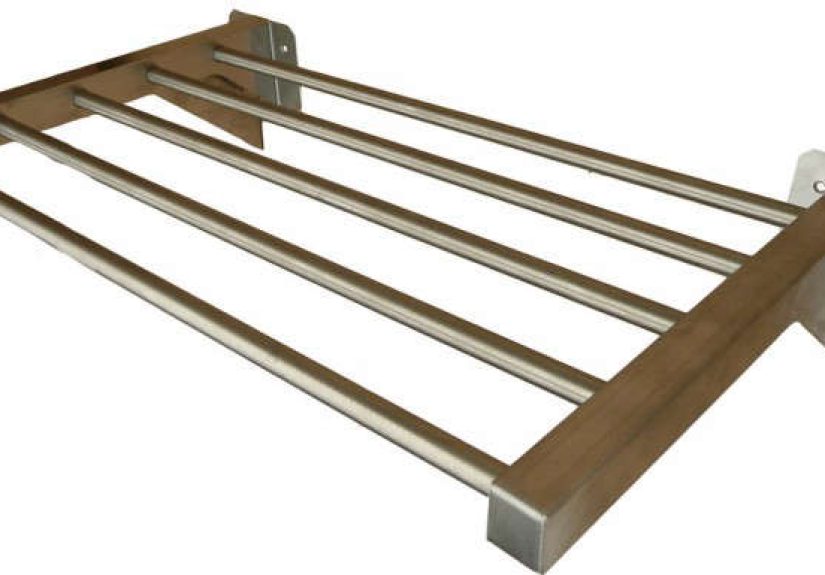
Stainless steel draining shelves are open, rack-style kitchen organizers designed to hold wet dishes, glasses, utensils, and cookware after washing. Their main job is to let water drain away while air circulates around the items. This helps dishes dry faster and keeps your sink area from turning into a tiny swamp.
Most people picture a traditional dish rack beside the sink, but the category is broader than that. Stainless steel draining shelves now come in several formats:
- Countertop draining shelves for everyday dish drying
- Over-the-sink models that use vertical space
- Expandable racks for kitchens that need flexibility
- Two-tier shelves for households with more dishes than patience
- Compact draining shelves for apartments, dorm-style setups, and smaller kitchens
The appeal of stainless steel is obvious. It looks clean, feels solid, fits into modern and classic kitchens, and usually outlasts cheap plastic alternatives. It also pairs nicely with stainless steel sinks and appliances, which means your kitchen can look coordinated instead of like three different eras had an argument on your countertop.
Why Stainless Steel Wins So Many Kitchen Arguments
1. Durability That Actually Matters
A draining shelf deals with constant moisture, repeated loading, and the occasional act of aggression from a heavy skillet. Stainless steel handles that abuse better than many other materials. It is strong enough to support plates, bowls, mugs, and even pots without sagging like a folding card table at a family reunion.
Higher-quality options often advertise rust-resistant construction, and many emphasize 304 stainless steel. That matters because better-grade steel tends to perform more reliably in a damp kitchen environment. Even so, “stainless” does not mean “invincible.” Leave standing water on any metal long enough, and it will eventually start complaining.
2. A Cleaner, More Hygienic Setup
Air drying dishes is convenient, but the drying zone itself needs regular cleaning. A stainless steel draining shelf has an advantage here because smooth metal surfaces are easier to wipe down than fabric mats or cheaper racks with awkward seams. Less trapped residue means easier maintenance and a tidier sink area.
This matters more than people think. Your draining shelf lives where water, soap, food residue, and dishes all hang out together. If you never clean it, it can collect mineral buildup, grease, and general kitchen gunk. In other words, it can go from “useful organizer” to “shiny swamp bridge” faster than you would like.
3. Better Kitchen Organization
A well-designed draining shelf creates zones. Plates stand upright. Cups sit at an angle. Utensils gather in their own holder instead of free-range roaming across the sink. Some models include separate compartments for cutting boards, knives, lids, or cleaning brushes. That kind of organization is not just aesthetically pleasing; it also speeds up unloading and keeps breakable items from knocking into one another.
In small kitchens, this is especially valuable. Over-the-sink stainless steel draining shelves can turn vertical space into working storage, freeing up precious countertop real estate for chopping, meal prep, or dramatic sighing while you decide what to cook.
What to Look for in the Best Stainless Steel Draining Shelf
Material Quality
The words “stainless steel” on a product listing are a good start, not the finish line. Look for solid construction, welded joints that feel secure, and a finish that resists spotting and corrosion. Premium models often mention 304 stainless steel, which is a promising sign if you want something durable and rust-resistant for long-term use.
Smart Drainage Design
A draining shelf should actually drain. That sounds obvious, yet here we are. The best designs include a sloped drainboard, removable tray, swivel spout, or direct path toward the sink. Without that feature, water pools under the rack, and your countertop starts hosting a puddle-based lifestyle.
If you have stone counters, laminate, or wood surfaces near the sink, drainage matters even more. A rack that directs water efficiently will save you cleanup time and reduce wear on the surrounding area.
Right-Size Capacity
Choose based on your real dish volume, not your fantasy kitchen behavior. If you cook daily and wash by hand often, a tiny shelf will annoy you. If you live alone and mostly rinse mugs, a giant two-tier structure may be overkill. Think about the number of plates, the height of glasses, and whether your cookware regularly joins the drying party.
Useful Accessories
Some accessories are genuinely helpful. A removable utensil caddy, cup holders, cutting-board slot, and anti-slip feet can make a draining shelf feel thoughtful rather than generic. The best add-ons solve everyday problems instead of just making the product page look busy.
Countertop vs. Over-the-Sink
This is the big choice. A countertop stainless steel draining shelf is simple, easy to move, and works in most kitchens. An over-the-sink draining shelf is ideal for limited space and can hold more without eating up prep area. However, it needs the right sink width and enough visual tolerance, because some models look minimalist and others look like a kitchen scaffolding project.
Benefits for Different Types of Homes
Small Apartments
In a compact kitchen, every inch matters. Stainless steel draining shelves help create order without permanent installation. A slim rack or over-the-sink design can make a small sink zone feel more efficient and less crowded.
Family Kitchens
Families need capacity. Two-tier draining shelves or wide countertop racks can handle the morning mug avalanche, lunchbox containers, and dinner cleanup without requiring three separate drying stations and a pep talk.
Minimalist Kitchens
If you care about aesthetics, stainless steel usually looks more polished than bulky plastic. It blends with appliances, reads as intentional, and gives the sink area a cleaner visual line. It says, “I am organized,” even if your junk drawer remains a legal mystery.
How to Clean Stainless Steel Draining Shelves Without Ruining Them
This is where people get overly confident. Stainless steel is tough, but it still deserves decent treatment.
Daily Care
After heavy use, empty the tray or wipe away pooled water. Give the frame a quick pass with a soft cloth. This prevents mineral deposits, soap residue, and dull spots from building up. It also helps preserve the shiny finish that convinced you to buy stainless steel in the first place.
Weekly Cleaning
Disassemble removable parts and wash them with warm water, dish soap, and a nonabrasive sponge. Dry thoroughly before reassembling. If your rack has a drip tray, clean that too. A dirty tray can smell funky and defeat the whole point of your sparkling metal setup.
For Water Spots or Light Rust
A gentle paste of baking soda and water or a vinegar-based wipe can help remove spots on many stainless steel surfaces. Always use a soft cloth or microfiber towel and wipe with the grain when visible. Avoid steel wool, aggressive scrubbers, or harsh chemicals that can scratch or dull the finish. The shelf should hold your dishes, not absorb your cleaning rage.
Common Mistakes People Make
- Buying too small: A rack that cannot handle daily volume becomes countertop clutter with ambitions.
- Ignoring drainage: If water has nowhere to go, it will create a tiny inland sea under the rack.
- Never cleaning the tray: Out of sight is not out of microbiology.
- Assuming all stainless steel is equal: Material quality and finish make a real difference.
- Forgetting fit: Over-the-sink racks need correct dimensions, or your “smart storage” plan becomes an expensive geometry lesson.
Are Stainless Steel Draining Shelves Worth It?
Yes, especially if you hand-wash dishes often, want a cleaner sink area, or care about long-term durability. A good stainless steel draining shelf is one of those rare kitchen tools that feels boring until you use a great one. Then suddenly your workflow improves, your counter stays drier, your dishes dry faster, and your kitchen looks more put together.
That does not mean every home needs the largest, fanciest model on the internet. The best choice is the one that matches your sink, your dish habits, and your space. A compact expandable rack might be perfect for one household, while a full over-the-sink stainless steel draining shelf makes more sense for another.
The point is not to buy a glamorous hunk of metal for the sake of it. The point is to make your kitchen easier to live in. And if that solution happens to be shiny, sturdy, and suspiciously satisfying to look at, even better.
Real-Life Experiences With Stainless Steel Draining Shelves
Living with a stainless steel draining shelf changes small kitchen routines in ways that are easy to underestimate. At first, it just feels like a practical purchase. You set it beside the sink, line up a few plates, hang a mug or two, and move on with your day. Then, after a week or two, you notice something interesting: the sink area feels calmer. Not glamorous, not magical, just noticeably less chaotic. The kind of calm that makes washing up after dinner feel like a manageable chore instead of an emotional side quest.
One of the most common experiences people have is realizing how much a good draining shelf improves rhythm. Wash, place, drip, dry, put away. That sequence becomes smoother when the rack is sturdy and well designed. Plates stop sliding. Cups no longer gather in a damp cluster on a towel. Utensils have a place to stand instead of doing that awkward flat-pile thing where forks somehow create a metal knot. The whole process becomes faster, and oddly enough, more satisfying.
People in smaller homes often notice the biggest improvement. In apartments, condos, and compact kitchens, a stainless steel draining shelf can do the work of both storage and organization. An over-the-sink model especially tends to feel like a cheat code. Suddenly the counter is not buried under bowls, the sponge has a dedicated spot, and your prep space comes back from the dead. It is not a renovation, but it can feel like one if you are used to fighting for every square inch.
Another common experience is the shift in appearance. Stainless steel tends to look more intentional than plastic, especially in kitchens with matching appliances or metal fixtures. Even when the rest of the kitchen is busy, a clean draining shelf can make the sink area feel polished. It gives off a quiet “I have my life together” vibe, which is nice, even if the cabinet under the sink tells a very different story.
Of course, real-life use also teaches a few lessons. People quickly discover that stainless steel still needs care. Ignore standing water long enough, and spots appear. Skip cleaning the drain tray, and things get grimy in a hurry. Buy a model that is too large, and it dominates the counter like it is paying rent. Buy one that is too small, and dishes stack up around it in protest. The best experiences usually come from choosing the right size and treating the rack like part of the kitchen, not an indestructible prop.
There is also something very practical about the confidence a sturdy rack provides. You stop hesitating before setting down a heavy mixing bowl. You trust the frame with your favorite plates. You stop arranging dishes like a nervous architect trying to balance a tower. A solid stainless steel draining shelf feels dependable, and in a busy kitchen, dependable is beautiful.
Over time, many people come to appreciate the little details most: the removable utensil cup, the drain spout that actually points toward the sink, the way glasses dry upside down without wobbling, the fact that cleanup takes a minute instead of a mini ceremony. Those details are what separate a decent kitchen tool from one you quietly recommend to friends.
So yes, the experience of owning a stainless steel draining shelf is partly about drying dishes. But it is also about reducing clutter, improving flow, and making a hardworking corner of the kitchen feel more efficient. It is one of those upgrades that does not scream for attention. It just keeps proving, day after day, that thoughtful design can make ordinary life easier. And honestly, in a room where dirty dishes appear with supernatural consistency, that is a pretty heroic achievement.
Final Thoughts
Stainless steel draining shelves are not flashy kitchen technology. They do not beep, connect to Wi-Fi, or pretend to know your lifestyle better than you do. What they do offer is something more valuable: durability, cleaner organization, smart use of space, and a more efficient dish-drying routine.
If you choose a well-made model with strong drainage, a practical layout, and the right size for your kitchen, it can become one of the most useful tools around your sink. That is the charm of a stainless steel draining shelf. It quietly solves a daily problem while making your kitchen look sharper in the process. Not bad for a rack that mostly just stands there and minds its business.