Table of Contents >> Show >> Hide
- Why Spring Flowers Feel Like a Big Deal
- The First Stars of the Season
- What Controls When Spring Flowers Bloom?
- How to Get More Spring Flowers in Your Yard
- Why Pollinators Love Spring Flowers
- Common Spring Flower Mistakes to Avoid
- Spring Flowers in Real Life: The Experience of Watching the Season Open
- Conclusion
- SEO Tags
There is a very specific kind of joy that arrives with spring flowers. It is not subtle. One day the yard looks like it is still waking up from a long winter nap, and the next day a crocus pops up like it has an appointment to keep. Then come the daffodils, the tulips, the magnolias, the cherries, and the wildflowers that seem to appear almost overnight. Spring does not knock politely. It opens the front door, tosses color across the room, and says, “We are doing this now.”
That burst of bloom is more than a pretty seasonal moment. Spring flowers signal changing temperatures, longer days, active pollinators, and the beginning of the real gardening season. They also deliver something modern life rarely gives away for free: hope with petals on it. Whether you are planting bulbs, admiring flowering trees, or watching native woodland blooms come and go in a blink, spring flowers turn ordinary spaces into something memorable.
This guide explains why spring flowers matter, which blooms usually arrive first, what affects bloom timing, how to get a longer-lasting show in your own yard, and why these flowers are not just eye candy for humans but an important early buffet for bees and other pollinators. In other words, yes, spring flowers are lovely. They are also busy.
Why Spring Flowers Feel Like a Big Deal
Spring flowers stand out because they arrive when the landscape still looks half asleep. Early bulbs and flowering trees create strong contrast: fresh petals against bare branches, bright yellow blooms against brown mulch, soft pink blossoms against gray skies. That contrast is part of the magic. After months of winter neutrals, a patch of daffodils can feel like nature turned the saturation all the way up.
But there is a practical side to all this beauty. Many spring flowers are adapted to bloom before taller plants leaf out and before summer heat arrives. Woodland ephemerals, for example, take advantage of sunlight reaching the forest floor before tree canopies fully close. Early bulbs use energy stored underground to push through chilly soil and bloom fast. Flowering trees and shrubs seize a narrow seasonal window that can be spectacular, brief, and occasionally dramatic if a late frost decides to behave like a villain.
From a garden design perspective, spring flowers also do something important: they start the visual story of the year. They create rhythm. A garden with good spring bloom does not look like it was waiting around for June to become interesting.
The First Stars of the Season
Early Bulbs: The Overachievers
If spring had an opening act, it would be the small bulbs. Snowdrops, crocuses, scilla, glory-of-the-snow, grape hyacinths, and other little spring bloomers often arrive before the larger stars are ready for their spotlight. They work because they bloom low, early, and in groups, creating drifts of color that feel cheerful instead of fussy.
Crocuses are often among the first to appear, followed closely by daffodils and hyacinths in many regions. Tulips usually take over later, depending on the variety. The clever move is to combine early, midseason, and late spring bloomers so your garden does not peak all at once and then look like the party ended at 2 p.m.
Small bulbs are especially useful along walkways, under deciduous trees, near front entries, and tucked between perennials that have not yet leafed out. They fill awkward gaps with color and make your yard look far more organized than it may actually be. That is a service.
Daffodils and Tulips: The Headliners
Daffodils are spring’s most reliable extroverts. They are bright, upbeat, and famously easy to recognize from the road, which is helpful if you enjoy pointing at flowers from the passenger seat like an excited Labrador. In many gardens, they return year after year and naturalize beautifully when planted in generous clusters.
Tulips, by contrast, bring drama. They offer a wider range of colors, shapes, and bloom times, from classic cup-shaped flowers to fringed, double, and parrot forms that look like they dressed up for the occasion. Tulips can create a high-impact spring display, especially when planted in large groups or layered with earlier bulbs. They are often treated more like seasonal performers than permanent residents in warmer climates, but their visual payoff is undeniable.
Flowering Trees and Shrubs: Spring at Eye Level
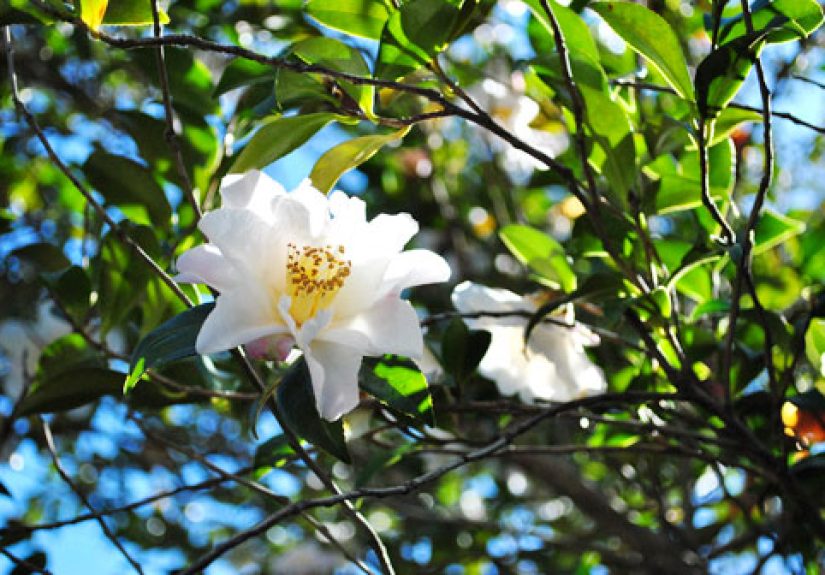
Once the bulbs get your attention near the ground, flowering trees and shrubs lift the whole season upward. Magnolias open on bare branches like giant porcelain teacups suspended in the air. Cherry blossoms create clouds of pink and white that make entire parks feel cinematic. Redbuds add vivid rosy color along streets, woodlands, and suburban edges, while flowering quince, crabapples, and early lilacs extend the show.
These blooms are part of why spring feels so public. Bulbs may belong to gardeners, but cherry blossoms belong to everybody with eyes. Timing varies by region and weather, which is why some years peak bloom feels perfectly scheduled and other years feels like the flowers were in a hurry.
Native Spring Wildflowers: The Quiet Masterpieces
Some of the most beautiful spring flowers are easy to miss if you only look for big, flashy displays. Native spring wildflowers in woodlands and natural areas often bloom early, bloom briefly, and disappear before many casual observers realize they were there. That short seasonal life is exactly what makes them special.
Bloodroot, toothwort, Virginia bluebells, wild geranium, Jacob’s ladder, celandine poppy, and red columbine all contribute to the layered beauty of spring in native habitats. These flowers are often called spring ephemerals because they use the bright early light beneath deciduous trees, bloom quickly, then go dormant as the canopy fills in. Their timing is not random. It is brilliant.
For gardeners interested in more ecological planting, native spring flowers offer beauty plus habitat value. They make the landscape feel less staged and more alive, which is often the nicest compliment a garden can receive.
What Controls When Spring Flowers Bloom?
Bloom time is shaped by a mix of temperature, sunlight, soil conditions, plant genetics, and plain old regional differences. A flower that blooms in March in one state may not bloom until April or even May somewhere colder. Mild winters can shift some blooms earlier. Cold snaps can slow things down. A warm stretch in late winter can tempt buds to advance, while a late frost can spoil the performance like an uninvited heckler.
That is why spring does not arrive on one universal schedule. Even famous bloom events, like cherry blossom season, vary from year to year depending on weather. In home gardens, microclimates matter too. Bulbs planted near a sunny foundation may emerge earlier than the same variety planted in a shadier part of the yard. Low spots may hold frost longer. Wind exposure, drainage, and mulch can all influence what happens next.
The takeaway is simple: spring flowers are predictable enough to plan around, but unpredictable enough to remain interesting. That balance is part of the fun. Gardening would be much less compelling if every tulip bloomed on the exact same Tuesday forever.
How to Get More Spring Flowers in Your Yard
Plant in Fall, Brag in Spring
Most classic spring-flowering bulbs are planted in the fall. They need time in cool soil to develop roots and, in many cases, a period of winter chill to support good flowering. This is one of gardening’s great lessons in delayed gratification. You bury what looks like a bag of onions in October and trust that your future self will be thrilled about it in April.
Choose bulbs that are firm, healthy, and free from mold or damage. Plant them in well-drained soil, because soggy conditions are one of the quickest ways to turn a bulb into a regret. Full sun in spring is ideal for many of these flowers, though some smaller bulbs and woodland species tolerate partial shade, especially under deciduous trees.
Depth, Spacing, and Grouping Matter
A useful rule of thumb is to plant bulbs at a depth around two to three times the bulb’s height or width, depending on the source and the species. What matters most is that they are not planted too shallowly. Shallow planting can lead to weak blooms, frost trouble, and bulbs that behave like they are annoyed with you.
Spacing matters too, but not in a stiff, military-row kind of way. Spring bulbs look best in irregular clumps and drifts rather than straight lines. A cluster of daffodils feels generous. A row of daffodils can look like they are waiting for attendance.
Do Not Cut the Leaves Too Soon
After the blooms fade, the foliage is still working. Those leaves are collecting energy through photosynthesis and sending it back to the bulb for next year’s flowers. Cutting them back too early is one of the most common spring bulb mistakes. Yes, the yellowing leaves are not glamorous. No, they should not be treated like a crime scene. Let them die back naturally.
If clumps become crowded and flowering declines, divide bulbs after the foliage has yellowed and withered. This is especially helpful for long-lived bulbs that multiply over time. Think of it as giving your flowers more elbow room.
Use Layers for a Longer Display
One of the smartest ways to extend the season is layering. Pair tiny early bulbs with larger midseason blooms. Plant early crocuses and scilla near daffodils. Mix daffodils with tulips that bloom later. Tuck bulbs among emerging perennials so new foliage helps hide fading bulb leaves. This creates a smoother handoff from one phase of spring to the next.
You can also mix flower types by height and form. Ground-hugging bulbs, upright daffodils, airy flowering trees, and native wildflowers all contribute different textures. A spring garden feels richer when it has levels, not just color.
Why Pollinators Love Spring Flowers
Early spring flowers are not just a gift to people who need cheering up after winter. They are essential food sources for pollinators emerging at a time when nectar and pollen can still be scarce. Bees need fuel. Flowers provide it. That means the first blooms of the season are doing ecological work while they brighten the yard.
If you want a garden that supports pollinators, think beyond a single burst of bloom. Aim for a sequence that starts in early spring and continues through the growing season. Native plants help, but even classic ornamentals can contribute when used thoughtfully. Diversity matters. So does restraint.
That restraint applies to spring cleanup too. Many beneficial insects use stems, leaf litter, and garden debris as overwintering habitat. Charging into the garden at the first warm weekend with pruners, leaf bags, and a heroic soundtrack may feel productive, but nature may prefer a little patience. Clean up gradually. Let the season settle in. Your pollinators will appreciate the soft opening.
Common Spring Flower Mistakes to Avoid
Planting in poorly drained soil: Spring flowers hate sitting in wet ground. Good drainage is not optional.
Ignoring bloom succession: If everything flowers at once, the display is impressive but brief. Mix early, middle, and late spring bloomers.
Planting too shallowly: Bulbs need proper depth for stability and good bloom performance.
Cutting foliage back early: Let leaves yellow naturally so bulbs can recharge.
Over-cleaning the garden too soon: Spring is busy for insects too. Slow down a little.
Planting too few bulbs: This is not minimalism. This is spring. Be generous.
Spring Flowers in Real Life: The Experience of Watching the Season Open
There is something almost theatrical about noticing the first spring flower of the year. It usually happens when you are not expecting much. Maybe the morning still has a bite to it. Maybe the grass is not green enough yet. Then there it is: one small bloom pushing through cold soil as if winter has officially lost the argument.
That first sighting changes the mood of a whole week. A single crocus by the walkway can make a person linger outside for no practical reason at all. Suddenly, errands take longer because you are scanning foundation beds for daffodil buds. Dog walks become flower patrol. Coffee tastes better on the porch. Even the light seems different, as if the entire neighborhood agreed to stop being beige.
As more flowers open, spring becomes a sequence of little reveals. Daffodils bring the easy confidence. Tulips add polish. Magnolia blooms feel almost too elegant for regular life, like someone hung silk lanterns in the trees overnight. Cherry blossoms create the kind of scene that makes perfectly reasonable adults stop, stare upward, and take eight nearly identical photos. No one is embarrassed. Spring has that effect on people.
In gardens, the experience is both visual and emotional. You notice the way color gathers in pockets. A drift of blue scilla under a tree looks cool and calm, while a bold patch of yellow daffodils looks like the garden learned how to laugh again. Hyacinths add fragrance, which changes everything. Smell reaches memory faster than logic ever could. One warm afternoon near blooming hyacinths can summon childhood, old neighborhoods, a grandparent’s yard, or the exact feeling of being young and slightly underdressed in spring weather.
There is also a pleasure in the timing itself. Spring flowers teach patience without being preachy about it. You wait through winter. You look for signs. You learn that one sunny day is not the whole story. You understand, eventually, that gardens move on their own schedule. Then, right when it seems like nothing much is happening, everything starts happening.
For people who garden, spring bloom carries a special satisfaction because it is the visible reward for earlier effort. The bulbs were planted months ago, often in chilly weather when the garden looked uninspiring and the future felt abstract. Spring turns that invisible work into color. It is a reminder that not all good outcomes are immediate, and honestly, flowers explain that lesson better than motivational posters ever could.
Even for people who do not garden, spring flowers create a sense of participation. You do not need to know cultivar names to enjoy a flowering tree on your street or a hillside full of daffodils at a park. The experience is democratic. Spring flowers belong to commuters, kids, retirees, delivery drivers, runners, and anyone who glances up at the right moment. They interrupt routine in the best possible way.
And maybe that is why spring flowers matter so much every year, even though they return every year. They feel familiar, but never stale. They are seasonal, but never ordinary. They show up after cold, darkness, and dormancy, and they do not whisper the message. They announce it clearly: growth is back, color is back, and the world is not done being beautiful.
Conclusion
Spring flowers are blooming, yes, but they are also signaling a much bigger seasonal shift. From tiny bulbs and bold daffodils to magnolias, cherries, and native woodland ephemerals, these blooms bring color, structure, habitat value, and emotional lift to gardens and landscapes across the United States. Their timing depends on weather, region, and plant type, but their impact is universal.
If you want a better spring display, plant thoughtfully in fall, choose a mix of bloom times, prioritize drainage and sunlight, leave bulb foliage alone after flowering, and make room for pollinators in the process. Do that, and next spring your yard will not just wake up. It will make an entrance.