Table of Contents >> Show >> Hide
- Why Gardeners Sprinkle Cayenne Pepper in the Yard in the First Place
- Which Yard Pests Are People Trying to Deter?
- Does Cayenne Pepper in the Yard Really Work?
- How People Use Cayenne Pepper in the Garden
- Important Safety Tips Before You Turn the Yard Into a Chili Bowl
- Why Gardeners Often Pair Cayenne With Other Deterrents
- So, Is Sprinkling Cayenne Pepper in the Yard a Good Idea?
- Common Gardener Experiences With Cayenne Pepper in the Yard
- Final Takeaway
- SEO Tags
If your neighborhood group chat has suddenly become a spicy place, you are not imagining things. More gardeners are sprinkling cayenne pepper in their yards, around flower beds, near bird feeders, and along vegetable patches in hopes of keeping hungry visitors from turning the landscape into an all-you-can-eat buffet. It sounds a little like a prank dreamed up by someone standing too close to the spice rack, but there is a real reason behind it.
The idea is simple: cayenne pepper contains capsaicin, the compound that gives hot peppers their fiery kick. For mammals, that “kick” can be irritating enough to make a snack spot feel less inviting. So when squirrels dig up bulbs, rabbits mow down lettuce, deer sample the hostas like unpaid restaurant critics, or raccoons turn the lawn into a late-night excavation site, gardeners often reach for cayenne as a cheap, easy, pantry-friendly garden pest deterrent.
But does cayenne pepper in the yard actually work? Sometimes, yes. Is it a miracle cure? Not even a little. The truth lives somewhere between “helpful backyard hack” and “nice try, but the deer are still judging you.” Here is what gardeners and garden experts mean when they recommend cayenne pepper, when it makes sense to try it, and when you are better off bringing in stronger backup.
Why Gardeners Sprinkle Cayenne Pepper in the Yard in the First Place
The biggest reason is convenience. You probably already have cayenne pepper in your kitchen, which means it feels like an instant, low-cost answer to garden damage. Compared with installing fencing, building cages, or testing several commercial repellents, a dusting of pepper looks like the fast lane.
Gardeners usually use cayenne pepper for one of four reasons:
- To deter rabbits from nibbling tender greens and flowers
- To discourage squirrels and chipmunks from digging in beds or stealing birdseed
- To make plants less appealing to deer and other browsing mammals
- To reduce localized digging from raccoons, skunks, or other critters sniffing around for grubs
Some people also try cayenne pepper as part of a homemade garden spray for certain insect issues. That said, the strongest real-world use for cayenne in the yard is as a mammal deterrent, not as a magic wand for every pest in existence. If your garden problem is a deer the size of a loveseat or a squirrel with Olympic confidence, you are in the right category. If you expect one shake of pepper to solve every bug, weed, and fungal issue from here to Labor Day, that is a much taller order.
What Capsaicin Actually Does
Capsaicin works by making an area, plant, or food source unpleasant to taste, smell, or touch. In plain English, it turns your garden into the culinary equivalent of an overly aggressive hot wing challenge. Mammals tend to react to that irritation and may choose to move on to an easier meal.
That is why cayenne pepper is often discussed as a natural animal repellent or capsaicin repellent. It is not usually killing the pest. It is trying to convince the pest that your yard is rude.
Birds, however, are a different story. They do not respond to capsaicin the way mammals do, which is why spicy birdseed products exist. In other words, a cardinal can snack in peace while a squirrel wonders why the buffet suddenly tastes like bad decisions.
Which Yard Pests Are People Trying to Deter?
When gardeners talk about using cayenne pepper in the garden, they are usually focused on furry troublemakers rather than tiny leaf-chewers. The most common targets include:
Rabbits
Rabbits love soft, tender growth. Lettuce, beans, pansies, petunias, and fresh spring shoots are basically rabbit room service. Cayenne pepper may help make those plants taste less appealing, especially when damage has just started and food alternatives are available elsewhere.
Squirrels and Chipmunks
These are the tiny excavation experts of the yard. Gardeners use cayenne around bulbs, freshly planted seeds, containers, and bird feeders because squirrels and chipmunks are notorious for digging, burying, sampling, and generally acting like they have a landscaping contract no one approved.
Deer
Deer are where the pepper trick starts to get humbling. A capsaicin-based repellent can reduce browsing in some situations, but deer are large, adaptable, and often willing to take one bite before deciding whether they approve. Unfortunately, that first bite still counts if it was your favorite rose.
Raccoons and Other Diggers
When raccoons, skunks, or similar wildlife are digging in search of grubs or other food, some gardeners sprinkle cayenne in localized spots as a temporary repellent. The keyword there is temporary. If the lawn keeps offering a midnight snack menu, the animals may keep coming back.
Does Cayenne Pepper in the Yard Really Work?
Yes, but with a giant asterisk and maybe a weather report attached.
Cayenne pepper can work as a short-term, low-cost way to discourage certain mammals. It is most useful when the problem is small, localized, and recent. Think: a few bulbs being dug up, one garden bed getting nibbled, or a bird feeder under steady squirrel attack.
Where people get disappointed is expecting cayenne to act like a permanent force field. It does not. Rain washes it away. Sprinklers weaken it. Wind scatters it. New plant growth appears without protection. Hungry animals may simply tolerate it or come back after a brief retreat. Some critters even seem to grow less bothered over time. Nature, as always, did not get the memo that your yard boundaries were non-negotiable.
When It Works Best
- When applied before damage becomes a daily habit
- When the target area is small and easy to re-treat
- When animals have other food options nearby
- When it is combined with barriers, cleanup, or other deterrents
- When you stay consistent after rain, irrigation, or new growth
When It Works Poorly
- During long rainy stretches
- In large open yards with heavy wildlife pressure
- When plants are extremely attractive and food is scarce
- When the pepper is applied once and then forgotten
- When the real issue is habitat, shelter, spilled seed, pet food, or grubs in the lawn
That last point matters. If animals are coming for a strong reason, cayenne pepper will only do so much. A raccoon after grubs, a squirrel after sunflower seed, or a deer in a neighborhood with limited browse is not easily talked out of dinner by a dusting of spice.
How People Use Cayenne Pepper in the Garden
Gardeners usually apply cayenne pepper in one of three ways:
1. Dry Sprinkle Method
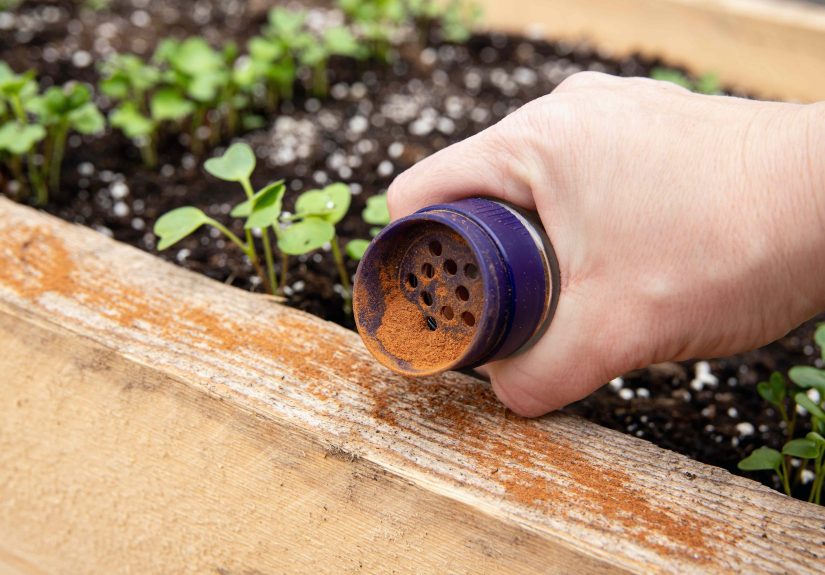
This is the classic version. People shake cayenne pepper directly around plants, along bed edges, near bulbs, or around digging spots. It is fast and simple, but it also disappears fast. Dry powder is the most vulnerable to wind and rain, and it can be irritating if it blows back into your face. Nobody wants to end a Saturday in the yard feeling like they lost a staring contest with a taco seasoning packet.
2. Homemade Spray
Some gardeners mix cayenne with water and a small amount of mild soap, then spray problem areas. The spray can cling better than loose powder and may cover stems and leaves more evenly. Still, homemade mixtures vary widely, and stronger is not always smarter. Overdo it and you risk irritating yourself, nearby pets, or even tender plant tissue.
3. Commercial Capsaicin Repellents
If you want a more reliable approach, a labeled repellent made for garden use is the better route. These products are standardized, come with directions, and are often formulated to stick better and last longer than a DIY pantry blend. This matters even more if you are using the product on or around edible plants. In that case, do not improvise. Use only products labeled for the crops in question and wash produce before eating.
Important Safety Tips Before You Turn the Yard Into a Chili Bowl
Because cayenne is “natural,” people sometimes assume it is automatically harmless. Not quite. Natural does not mean irritation-free.
- Wear gloves when handling large amounts of cayenne or hot-pepper spray.
- Avoid touching your eyes, nose, lips, or face.
- Do not apply on windy days unless you enjoy chaos.
- Be cautious around pets that sniff, lick, or roll in treated areas.
- Avoid overapplying near children’s play spaces.
- Do not dust blooms or pollinator-heavy areas where beneficial insects are active.
- Reapply carefully after rain instead of dumping on more and hoping for the best.
If you have dogs that patrol the yard, or cats that roam through planting beds, cayenne may create more drama than you bargained for. It may not be the most dangerous product in the shed, but it can still cause burning and irritation. That is a good reason to treat it as a targeted tool, not a yard-wide confetti cannon.
Why Gardeners Often Pair Cayenne With Other Deterrents
Experienced gardeners rarely rely on cayenne pepper alone. The smarter strategy is layered pest control. Think of cayenne as one supporting actor, not the whole movie.
Physical Barriers Usually Win
If you are protecting vegetables, bulbs, seedlings, or prized ornamentals, barriers are often more dependable than any repellent. Chicken wire, hardware cloth, cloches, row covers, deer fencing, bird netting, and bulb cages may not sound glamorous, but they are excellent at the one thing pepper cannot do: physically stopping the snack attack before it starts.
Remove the Attractions
If squirrels are all over the place, look for spilled seed, easy feeder access, or nearby nesting shelter. If raccoons are digging, the bigger issue may be grubs. If deer keep visiting, the planting palette may be too inviting. If neighborhood cats use the bed as a lounge, loose soil and cover may be the real draw. A repellent helps more when you reduce the reward.
Rotate Tactics
Animals can adapt. Gardeners often get better results when they rotate repellents, add motion-activated sprinklers, use scent deterrents, or combine pepper with fencing or protective structures. In other words, keep the local wildlife guessing. Once they figure out your trick, the game gets harder.
So, Is Sprinkling Cayenne Pepper in the Yard a Good Idea?
It can be a good idea if your expectations are realistic. Cayenne pepper is best viewed as a temporary, targeted garden pest control tactic. It may help buy time, protect vulnerable areas, or reduce light damage. It is especially appealing to gardeners who want a simple, accessible option before spending more money on commercial repellents or fencing.
But it is not a silver bullet. It is not a once-and-done treatment. And it is not the best answer for every yard, every pet owner, or every pest problem. If you are dealing with heavy deer pressure, ongoing raccoon digging, or a squirrel population that appears to be running a democracy, the long-term solution usually involves physical exclusion and better habitat management.
Common Gardener Experiences With Cayenne Pepper in the Yard
One reason this trick keeps circulating is that it often does work just enough to sound convincing. A gardener plants tulip bulbs, squirrels dig up the first few, cayenne gets sprinkled over the bed, and the next morning the soil is mostly intact. That is a real and common kind of success. The pepper does not solve squirrel behavior forever, but it can interrupt it long enough for the bulbs to settle in and become less interesting. From the gardener’s point of view, that feels like a win, and honestly, sometimes it is.
Another familiar experience happens in vegetable gardens. A rabbit starts clipping lettuce or bean seedlings. The gardener dusts the perimeter or applies a pepper spray to the most tempting plants. Browsing slows down for a few days, and the gardener starts telling everyone that cayenne pepper works like magic. Then it rains. Or the irrigation runs. Or new growth pops up. A few nights later, the rabbit is back for the salad course. The lesson many gardeners learn is not that cayenne pepper is useless, but that it is maintenance-heavy. Miss a reapplication window, and the wildlife notices before you do.
Bird feeder users often report the most mixed experiences of all. Some swear by spicy seed blends or pepper-treated seed because squirrels back off immediately while birds keep eating. Others say the squirrels pause, reconsider their life choices for about three minutes, and then return with renewed determination. In many yards, the pepper helps most when paired with a baffle, better feeder placement, or a switch in seed type. On its own, the spicy approach can be helpful, but not always heroic.
Gardeners dealing with deer tend to be the least sentimental about cayenne. They may try it because it is easy, especially on ornamentals or small beds near the house. Sometimes browsing decreases for a short period, particularly when the pepper is applied early and consistently. But many gardeners eventually discover that deer are not tiny rabbits with better legs. They are bigger, bolder, and more likely to test a plant first and regret it later. That means the plant still loses. People who have the best deer results typically use cayenne as a backup layer, not the whole plan. Fencing, resistant plants, and repellents used on schedule usually matter more.
There are also gardeners who use cayenne pepper in very specific, local spots rather than all over the yard. For example, if something is digging in one patch of mulch or one newly seeded area, a targeted application can be worth trying. This is especially true when the goal is to stop a short burst of damage rather than manage a full-season wildlife conflict. In that limited role, cayenne can be practical. It is cheap, fast, and easy to test. If it works, great. If not, you have not spent a fortune finding out.
The most experienced gardeners usually end up in the same place: cayenne pepper is a tool, not a strategy. They keep it around because it is useful, but they do not expect it to perform miracles. They know weather matters, pressure matters, timing matters, and the animal matters. A light rabbit problem in spring is very different from a summer squirrel circus or a winter deer buffet. The gardeners who sound the happiest are often the ones who use cayenne with a calm, practical attitude. They try it, monitor the results, reapply if needed, and move on to stronger measures when the spice trick stops pulling its weight.
Final Takeaway
People are sprinkling cayenne pepper in their yard because they want a simple, affordable way to keep mammals from chewing, digging, and browsing. And to be fair, the idea is not nonsense. Capsaicin-based deterrents can help make a yard less appealing to rabbits, squirrels, deer, and other frequent offenders.
Still, the best answer to the question is this: gardeners use cayenne pepper because it can work temporarily, especially in small areas, but it works best when paired with smarter, longer-lasting solutions. So yes, the spice cabinet may have a place in your garden plan. Just do not ask it to carry the whole season on its back.