Table of Contents >> Show >> Hide
- What Are Solid Brass Double Cap Rivets?
- Why Makers Love Solid Brass Double Cap Rivets
- Common Applications for Solid Brass Double Cap Rivets
- How to Choose the Right Size
- How to Match Hole Size to Rivet Size
- How to Install Solid Brass Double Cap Rivets
- Common Mistakes to Avoid
- Solid Brass vs. Plated Hardware
- Care and Maintenance
- Buying Tips for Better Results
- Final Thoughts
- Shop Notes and Real-World Experiences with Solid Brass Double Cap Rivets
Some hardware is all business. Some hardware is all style. And then there are solid brass double cap rivets, which somehow manage to be both. They hold layers of leather, canvas, straps, and bag panels together while also looking like they showed up dressed for the occasion. If you have ever admired a clean leather bag strap, a polished belt keeper, or a handcrafted dog collar with matching metal details, there is a very good chance double cap rivets were quietly doing their job in the background.
In the world of leathercraft and bag making, these rivets have earned a loyal following because they solve two problems at once: they fasten materials securely, and they leave a finished cap visible on both sides. That second part matters more than people think. No one spends hours on a handmade project only to flip it over and discover the back looks like it lost an argument with a toolbox.
This guide breaks down what solid brass double cap rivets are, why makers choose them, how to size them correctly, where they work best, and what common mistakes can turn a satisfying shop session into a dramatic retelling of “the rivet that bent at the last second.”
What Are Solid Brass Double Cap Rivets?
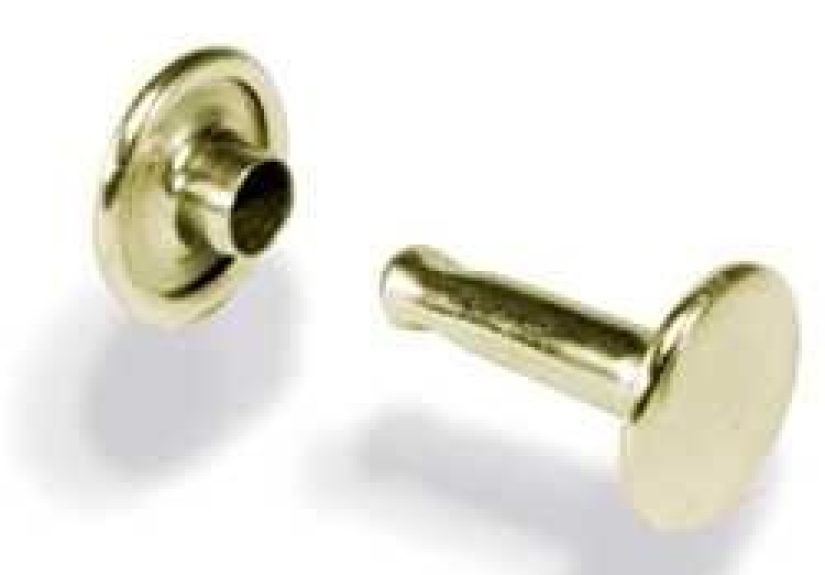
A double cap rivet is a two-piece fastener made of a post and a cap. The post passes through pre-punched holes in layered materials, and the second cap snaps or seats onto the post before the rivet is set with a tool. Once installed, both sides show a rounded or finished cap. That is the main visual advantage over single cap rivets, which typically leave a visible post side or less polished underside.
Why the “double cap” design matters
Double cap rivets are popular on projects where both the front and back are visible. Think belts, bag straps, journal covers, dog collars, leashes, aprons, small cases, and even some garment details. Because both ends look finished, the hardware feels intentional rather than purely functional.
What “solid brass” means
When a rivet is labeled solid brass, the base material is brass rather than steel or another cheaper metal under a plated surface. That matters for makers who care about long-term wear, corrosion resistance, consistent color, and the warm look brass develops as it ages. In plain English, solid brass is the hardware equivalent of buying the real thing instead of a costume version.
Why Makers Love Solid Brass Double Cap Rivets
1. They look better over time
Solid brass has a classic golden tone that works beautifully with natural veg-tan leather, dark brown bridle leather, black chrome-tan, waxed canvas, and heritage-style projects. Unlike some cheaper plated hardware that can chip or reveal a different base metal underneath, solid brass tends to age more gracefully. It may darken or develop patina, but many makers actually consider that part of the charm.
2. They resist corrosion well
Brass is widely appreciated for corrosion resistance, which makes it a practical choice for items exposed to handling, humidity, and regular outdoor use. That does not mean it stays frozen in showroom condition forever. It means it tends to hold up well while developing surface character rather than falling apart at the first sign of weather.
3. They balance strength and appearance
Double cap rivets are often chosen when a project needs a clean look and reliable holding power. They are excellent for many leather and strap applications, especially moderate stress points. That said, they are not always the best option for extreme structural loads. On heavily stressed tack, industrial gear, or hard-pulling applications, some makers step up to rivet-and-burr or other heavy-duty hardware instead.
4. They suit a wide range of projects
One of the biggest reasons solid brass double cap rivets remain popular is flexibility. They work on slim wallet tabs, medium bag straps, decorative accents, and multi-layer strap assemblies. Small rivets can disappear into a refined design. Larger caps can become a visible style element. Tiny hardware, big attitude.
Common Applications for Solid Brass Double Cap Rivets
These rivets show up across all kinds of handmade goods. Common examples include:
- Belts: attaching keepers, securing folded ends, or reinforcing layered sections
- Bags and totes: fastening straps, tabs, loops, and decorative panels
- Pet gear: collars, leashes, and harness details where style matters
- Wallets and small goods: accent tabs, closures, and layered corners
- Aprons and utility gear: securing pockets, strap anchors, and accessory loops
- Fashion and costume work: visible metal accents with a polished two-sided look
If you want hardware that feels intentional from every angle, this style is hard to beat.
How to Choose the Right Size
Choosing the correct rivet size is the difference between a clean, secure set and a frustrating mushroom-shaped failure that makes you question your life choices. The two dimensions that matter most are cap diameter and post length.
Cap diameter
The cap is the visible head of the rivet. Smaller caps create a discreet look. Larger caps are more noticeable and can spread pressure across a slightly wider area. The visual decision matters, but so does proportion. An oversized rivet on a slim wallet can look clunky. A tiny rivet on a wide bag strap can look underdressed.
Post length
Post length is where most beginners get into trouble. The post needs to be long enough to pass through all material layers, but not so long that it collapses awkwardly when set. A good rule is to choose a post that stands about 1/16 inch to 1/8 inch above the material stack before setting. Too short, and the rivet will not hold. Too long, and it may split, bend, or set crooked.
A practical sizing example
Let’s say you are joining two layers of 4 oz leather. Together, that stack is around 8 oz, or roughly 3.2 mm. A small or medium post length may work depending on the exact product line. Many makers test on scrap first because leather compresses, linings vary, and the phrase “close enough” has destroyed many perfectly innocent rivets.
Typical size ranges you will see
Manufacturers commonly sell double cap rivets in several familiar size groups, such as small 6 mm or 7 mm options, medium 9 mm options, and larger longer posts for thicker layered work. Some brands also offer wide-cap versions for a bolder appearance or additional surface coverage.
How to Match Hole Size to Rivet Size
The hole should be clean, centered, and only large enough for the post to pass through without slop. If the hole is too tight, you may distort the material while forcing the rivet through. If it is too loose, the rivet can wobble and set off-center.
Some suppliers recommend small punch sizes such as 5/64 inch, 3/32 inch, or 1/8 inch depending on cap and post size. The best approach is to follow the manufacturer’s chart for the specific rivet line you buy. Rivet families are like jeans sizes: they look straightforward until three brands disagree with each other.
How to Install Solid Brass Double Cap Rivets
Step 1: Mark and punch the hole
Measure carefully and punch a clean hole through all layers. Crooked holes produce crooked hardware. Rivets are many things, but forgiving is not one of them.
Step 2: Insert the post
Push the post through the material stack from the side you want as the back or underside. Make sure the visible cap placement matches your design plan.
Step 3: Check post height
Before attaching the second cap, confirm the post extends only slightly above the material. That small extra height is what allows the rivet to roll and set properly.
Step 4: Seat the top cap
Press the second cap onto the post so the parts hold together before setting. This helps keep alignment steady.
Step 5: Set with the correct tools
Use a matching setter and anvil or a hand press with the proper dies. Controlled, even force matters more than theatrical hammering. Light, accurate taps usually beat one giant “I have confidence issues” swing.
Step 6: Inspect the finished set
Once installed, both caps should look centered, smooth, and snug. The rivet should not spin freely or rattle. If it does, the post may have been too long, the hole too large, or the set incomplete.
Common Mistakes to Avoid
Using the wrong post length
This is the number one mistake. Too short means poor engagement. Too long means deformation. Buy multiple sizes if your projects vary.
Skipping the scrap test
Different leather temper, lining thickness, edge paint, and compression can affect fit. A test set on scrap can save your finished piece from becoming a practice project.
Using mismatched tools
Not every setter fits every rivet perfectly. Poor tool fit can flatten caps unevenly or mark the finish. That is a fast way to turn “premium hardware” into “interesting texture.”
Choosing double cap rivets for extremely high-stress points
Double cap rivets are versatile, but not universal. If the joint will face repeated hard pulling, heavy load, or critical safety use, compare stronger alternatives designed for maximum structural security.
Solid Brass vs. Plated Hardware
If you are deciding between solid brass double cap rivets and cheaper plated options, the biggest differences usually come down to longevity, wear pattern, and appearance. Plated rivets can look good initially, but heavy use may reveal the underlying metal if the finish wears. Solid brass keeps its brass character throughout the part.
That does not automatically make plated hardware “bad.” It simply means solid brass is often the better pick when you want premium feel, more consistent aging, and less worry about finish loss on high-contact items.
Care and Maintenance
Solid brass can darken or tarnish with handling and air exposure. That is normal. Some makers leave it alone for a richer aged look. Others polish it occasionally to restore brightness. The right choice depends on the style of the piece. A rustic field bag can look fantastic with mellow patina. A polished dress belt may look better with regular shine. Either way, brass usually ages with dignity, which is more than we can say for most cheap zipper pulls.
Buying Tips for Better Results
- Buy from suppliers that clearly list base material, cap diameter, and post length.
- Check whether the rivets require a specific setter, die, or press adapter.
- Keep at least two nearby post lengths in your shop for the same cap size.
- Match rivet scale to project scale so the hardware looks intentional.
- Use solid brass when long-term appearance matters more than shaving every penny from the build.
Final Thoughts
Solid brass double cap rivets sit in a sweet spot between utility and style. They are simple, attractive, reliable, and widely used because they make handmade goods look more professional without adding much complexity to the build. They are especially valuable when both sides of the work can be seen and you want the finished result to look deliberate, polished, and durable.
The key is sizing and installation. Choose the right post length, punch a clean hole, use the proper setter, and test on scrap. Get those fundamentals right and these small pieces of hardware can transform the feel of a project. Ignore them, and even a beautiful leather piece can end up with a wonky rivet that steals all the attention for the wrong reasons.
In other words, solid brass double cap rivets may be tiny, but they have main-character energy.
Shop Notes and Real-World Experiences with Solid Brass Double Cap Rivets
Anyone who has worked with solid brass double cap rivets for a while learns that the experience is part technical skill, part muscle memory, and part accepting that one rivet per batch may simply wake up and choose chaos. The first thing many makers notice is how much more “finished” a project feels once both sides show a neat cap. A basic strap tab suddenly looks intentional. A simple tote handle attachment starts to feel custom. Even small accents, like a folded keeper or closure tab, look more refined when the hardware is symmetrical.
Another common experience is discovering that size charts are helpful, but scrap leather is wiser. In theory, two stacks of leather can measure the same thickness. In practice, one compresses more, one has a softer temper, one includes lining, and one contains a seam that adds just enough bulk to make your planned rivet size slightly wrong. That is why experienced makers often keep several post lengths on hand and test one before committing. It is not paranoia. It is survival.
Many crafters also develop strong feelings about tools. A proper setter and anvil can make installation feel smooth and repeatable. A mismatched tool can leave marks, flatten caps awkwardly, or make the rivet lean like it is reconsidering its career path. Once people switch from improvised hammer-only methods to correctly sized setting tools or a hand press, they often describe the difference as immediate. The results look cleaner, the failure rate drops, and the process becomes much less dramatic.
There is also the visual experience of brass itself. Fresh solid brass has that warm golden tone that pairs beautifully with vegetable-tanned leather, especially when the leather begins to darken with use. Over time, the brass may mellow, deepen, or develop patina. For many makers, this is where the magic happens. The rivets stop looking brand new and start looking like they belong to the piece. A bag used daily, a dog collar worn on muddy walks, or a belt that picks up years of handling often ends up looking better because the hardware ages honestly instead of staying artificially bright.
One more real-world lesson is that double cap rivets are often best when used with intention. They excel at moderate stress points and visible details, but experienced builders do not ask them to do every job. On projects that will take serious load or repeated strain, many makers reinforce with stitching, use additional layers, or choose a heavier-duty hardware style. That balance between beauty and function is what separates a decent build from a truly dependable one.
In the end, working with solid brass double cap rivets becomes one of those small workshop pleasures. You line up the hole, seat the cap, give the setter a few confident taps, and there it is: a tiny polished detail that makes the whole project look smarter. Not bad for a piece of hardware smaller than a coin and more cooperative than most extension cords.