Table of Contents >> Show >> Hide
- What Is a Scalloped Tongue?
- Common Symptoms of Scalloped Tongue
- What Causes a Scalloped Tongue?
- How Is Scalloped Tongue Diagnosed?
- Scalloped Tongue Treatment: What Actually Helps?
- When Should You See a Doctor or Dentist?
- Can You Prevent a Scalloped Tongue?
- Real-Life Experiences: What Scalloped Tongue Can Feel Like
- Conclusion
A scalloped tongue sounds like something that belongs next to potatoes at a holiday dinner, but it is actually a common tongue change that many people notice in the mirror one random morning. Instead of smooth edges, the sides of the tongue look wavy, rippled, or pressed with tiny tooth-shaped indentations. Naturally, the brain reacts with calm, mature curiosity for about three seconds before asking, “Is my tongue trying to send a message?”
The good news: a scalloped tongue is usually not dangerous by itself. In many cases, it happens because the tongue presses against the teeth for long periods, or because the tongue is slightly swollen and has less room in the mouth. The not-so-good news: it can sometimes point to an underlying issue such as teeth grinding, sleep apnea, dehydration, vitamin deficiency, hypothyroidism, jaw tension, or an enlarged tongue. In other words, the tongue may not be the villain. It may just be the messenger wearing a very wavy little costume.
This guide explains what a scalloped tongue is, the most common causes, symptoms to watch for, treatment options, and when it is smart to see a dentist or healthcare provider.
What Is a Scalloped Tongue?
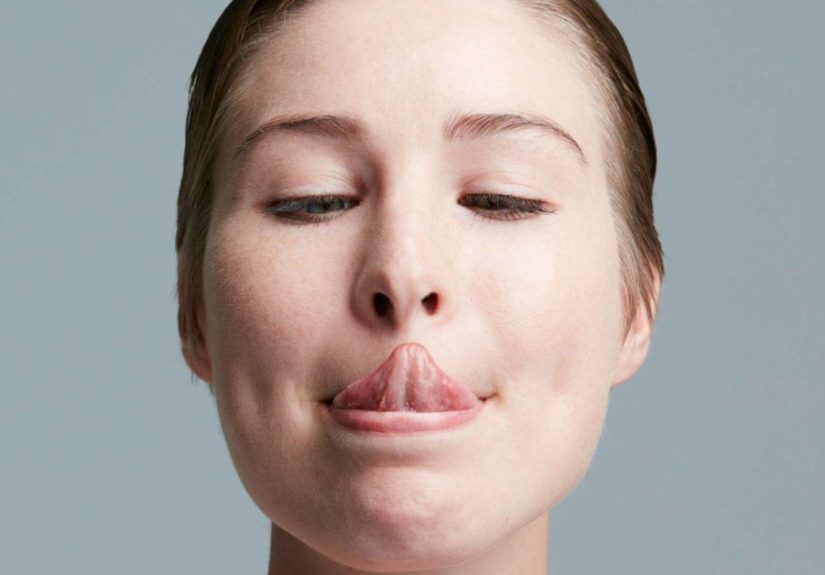
A scalloped tongue, also called a wavy tongue, crenated tongue, pie crust tongue, or tongue scalloping, describes a tongue with ridges or indentations along its sides. These marks usually match the shape of the teeth because the tongue has been pressing against them. The edges may look ruffled, notched, or slightly swollen.
Scalloping can appear on one side of the tongue or both sides. It may be mild and barely noticeable, or it may create deep-looking grooves that make you wonder whether your molars have been using your tongue as a stress ball. The condition is often painless, but some people also experience soreness, burning, dryness, jaw discomfort, bad breath, or a feeling that the tongue is too large for the mouth.
Importantly, scalloped tongue is not usually a disease on its own. It is more like a visible clue. The goal is not simply to “fix the ridges,” but to understand why the tongue is pressing against the teeth or becoming swollen in the first place.
Common Symptoms of Scalloped Tongue
The main sign of a scalloped tongue is a series of wavy, tooth-like marks along the outer edges of the tongue. However, depending on the cause, other symptoms may show up too.
Visible Tongue Changes
The tongue may look enlarged, puffy, red, pale, smooth, dry, or irritated. Some people notice the ridges most clearly in the morning, especially if they grind their teeth, clench their jaw, breathe through the mouth, or sleep with their tongue pressed against the teeth.
Mouth and Jaw Discomfort
If the cause is teeth grinding or jaw clenching, symptoms may include jaw tightness, morning headaches, facial soreness, worn teeth, tooth sensitivity, or clicking in the jaw joint. The tongue may feel tender because it spends hours being squeezed against the teeth like it accidentally joined a dental wrestling match.
Dryness, Burning, or Soreness
Dehydration, mouth breathing, allergies, certain medications, or nutritional deficiencies can make the mouth dry or sensitive. A scalloped tongue may feel sore, raw, or slightly swollen. If there are ulcers, bleeding, white patches, red patches, or persistent pain, the situation deserves professional evaluation.
Sleep-Related Clues
When tongue scalloping is connected to sleep apnea or airway problems, a person may also snore, wake up gasping, feel tired despite sleeping, have morning dry mouth, or struggle with daytime sleepiness. In these cases, the tongue marks are only one piece of a bigger sleep-health puzzle.
What Causes a Scalloped Tongue?
Several factors can lead to scalloped tongue. Some are simple and temporary. Others need medical or dental care. The most common causes include pressure from teeth, tongue swelling, poor oral habits, sleep breathing problems, and certain health conditions.
1. Teeth Grinding and Jaw Clenching
Bruxism, the medical term for grinding or clenching the teeth, is one of the most common reasons for scalloped tongue. Many people clench without realizing it, especially during sleep or stressful moments. The tongue may be pushed against the teeth repeatedly, leaving ridges along the sides.
Signs that bruxism may be involved include waking with jaw pain, headaches, tooth sensitivity, chipped teeth, facial soreness, or a partner reporting grinding noises at night. Stress can make bruxism worse, but so can sleep disorders, bite problems, caffeine, certain medications, and lifestyle habits. Treatment often starts with a dental exam and may include a custom night guard, stress management, jaw relaxation exercises, and addressing sleep issues.
2. Tongue Pressure and Poor Oral Habits
Some people unconsciously press their tongue against their teeth during the day. This can happen during concentration, anxiety, intense screen time, or while trying to “hold” the tongue in a tense position. Over time, the pressure creates a wavy outline.
This type of scalloping may improve when a person becomes aware of the habit. A simple check can help: several times a day, ask, “Where is my tongue?” Ideally, the tongue should rest gently against the roof of the mouth, not shove itself into the teeth like it is trying to escape.
3. Sleep Apnea and Airway Problems
Scalloped tongue can be linked to obstructive sleep apnea, a condition in which breathing repeatedly pauses or becomes shallow during sleep because the airway narrows or collapses. A large tongue, narrow jaw, or crowded airway can contribute to the problem. Some people press the tongue forward or downward at night as the body tries to keep the airway open.
Possible signs of sleep apnea include loud snoring, choking or gasping during sleep, morning headaches, dry mouth, restless sleep, trouble concentrating, and daytime fatigue. Sleep apnea is not something to casually ignore while telling yourself, “I am just dramatically tired.” Untreated sleep apnea can affect overall health, so evaluation by a healthcare provider or sleep specialist is important.
4. Dehydration and Dry Mouth
Dehydration can make oral tissues feel dry, irritated, and slightly swollen. When the tongue lacks enough moisture, it may press more noticeably against the teeth. Dry mouth can also happen from mouth breathing, certain medications, caffeine, alcohol, illness, or medical conditions that reduce saliva production.
Hydration is not a magical cure for every tongue issue, but it is a practical first step. Drinking enough water, limiting tobacco exposure, avoiding excessive alcohol, using a humidifier if needed, and improving nasal breathing may reduce dryness. If dry mouth is frequent or severe, a dentist or doctor should check for medication effects, salivary gland problems, or other causes.
5. Nutritional Deficiencies
Low levels of certain nutrients, especially vitamin B12, iron, folate, riboflavin, and niacin, may affect the tongue and oral tissues. Deficiencies can contribute to swelling, soreness, burning, redness, smooth patches, cracks, or changes in tongue texture. If the tongue is scalloped and also painful, unusually red, pale, or glossy, nutritional status may be part of the investigation.
Food matters, but guessing with supplements is not always the best move. Blood tests can help identify deficiencies. Treatment may include dietary changes or supplements recommended by a healthcare professional. The tongue may improve once the underlying deficiency is corrected.
6. Hypothyroidism
Hypothyroidism occurs when the thyroid gland does not produce enough thyroid hormone. In some people, it can contribute to fluid retention, tissue swelling, and an enlarged tongue. A swollen tongue may press against the teeth and create scalloped edges.
Other symptoms of hypothyroidism may include fatigue, weight gain, cold sensitivity, dry skin, constipation, hair thinning, slow heart rate, and low mood. These symptoms can overlap with many other conditions, so testing is needed. If hypothyroidism is the cause, treating the thyroid problem is the real solution; yelling at the tongue in the bathroom mirror is emotionally satisfying but medically inefficient.
7. Macroglossia, or Enlarged Tongue
Macroglossia means the tongue is larger than expected for the mouth. It may be present from birth or develop later due to medical conditions. Causes can include genetic syndromes, hypothyroidism, amyloidosis, allergic swelling, infections, tumors, or other tissue changes. When the tongue is too large for the available space, it can press into the teeth and create scalloping.
Macroglossia may also cause speech changes, chewing problems, drooling, snoring, mouth breathing, or difficulty swallowing. Sudden tongue swelling is different from long-term enlargement and can be urgent, especially if breathing or swallowing becomes difficult.
8. Dental Crowding, Bite Problems, or Missing Teeth
The tongue lives in a small neighborhood with teeth, gums, cheeks, and jaw structure. If the teeth are crowded, the bite is misaligned, or teeth are missing, the tongue may rest awkwardly and press against hard surfaces. Orthodontic issues, ill-fitting dentures, or sharp tooth edges can also irritate the tongue.
A dentist can check whether the scalloping is related to bite alignment, dental appliances, tooth wear, or oral habits. Sometimes smoothing a sharp edge, adjusting a denture, replacing a missing tooth, or using an appliance can reduce irritation.
How Is Scalloped Tongue Diagnosed?
Diagnosis usually starts with a simple exam. A dentist or healthcare provider will look at the tongue, teeth, bite, gums, jaw, and mouth tissues. They may ask when the ridges appeared, whether they are painful, whether the tongue feels swollen, and whether symptoms are worse in the morning.
Because scalloped tongue can have several causes, the provider may also ask about sleep habits, snoring, fatigue, stress, medications, allergies, diet, hydration, thyroid symptoms, and medical history. Depending on the situation, they may recommend dental X-rays, blood tests, thyroid testing, nutrient testing, allergy evaluation, or a sleep study.
The key is context. A painless wavy tongue in someone who clenches at night is different from sudden tongue swelling with trouble breathing. One is a dental conversation. The other is an emergency.
Scalloped Tongue Treatment: What Actually Helps?
Treatment depends on the cause. There is no single “scalloped tongue cream” that magically smooths the edges like photo editing software. The best approach is to identify the trigger and treat it directly.
Improve Oral Hygiene
Good oral hygiene supports healing and helps reduce irritation. Brush teeth twice daily with a soft-bristled toothbrush, clean between teeth daily, and gently brush or scrape the tongue if tolerated. Avoid scrubbing aggressively; the tongue is not a dirty kitchen pan. Regular dental checkups can catch tooth wear, gum problems, dental crowding, and appliance issues early.
Stay Hydrated and Manage Dry Mouth
If dryness is involved, drink water throughout the day, limit sugary drinks, reduce alcohol exposure, and consider sugar-free gum or lozenges to stimulate saliva. A humidifier may help people who wake with dry mouth. If medication is causing dry mouth, do not stop it suddenly; ask a healthcare provider about safer options.
Treat Teeth Grinding or Clenching
For bruxism, a dentist may recommend a custom night guard to protect the teeth and reduce pressure. Stress reduction can also help. Practical steps include setting jaw-relaxation reminders, keeping the lips closed and teeth slightly apart during the day, avoiding chewing on pens or ice, and practicing relaxation before bed.
Evaluate Sleep Apnea
If scalloped tongue appears with snoring, gasping, morning headaches, or daytime sleepiness, ask a healthcare provider about sleep apnea evaluation. Treatment may include CPAP therapy, oral appliance therapy, weight management when appropriate, positional therapy, or other medical options. Treating sleep apnea can improve sleep quality and may reduce nighttime tongue pressure.
Correct Nutritional Deficiencies
If blood tests show low vitamin B12, iron, folate, or other nutrients, treatment may include supplements and dietary changes. Foods such as lean meats, eggs, dairy, beans, leafy greens, fortified cereals, nuts, and seafood can support nutrient intake, depending on the deficiency and personal diet. A clinician can help choose the right dose and avoid unnecessary supplementation.
Treat Medical Conditions
If hypothyroidism, allergies, infection, macroglossia, or another condition is causing swelling, medical treatment should target that condition. Tongue changes often improve when the underlying issue is managed. In rare cases involving significant macroglossia or structural airway problems, specialists may discuss advanced treatments.
When Should You See a Doctor or Dentist?
Make an appointment if scalloped tongue lasts more than a couple of weeks, keeps returning, becomes painful, or appears with swelling, burning, mouth sores, bleeding, numbness, unusual patches, bad breath that does not improve, jaw pain, tooth damage, snoring, or daytime fatigue.
Seek urgent medical care if tongue swelling is sudden or severe, especially with trouble breathing, swallowing, speaking, dizziness, hives, or swelling of the lips or throat. That could indicate a serious allergic reaction or another urgent condition.
Also, any mouth sore, lump, red patch, white patch, or unexplained tongue change that does not heal should be checked. Most tongue changes are harmless, but persistent changes deserve attention.
Can You Prevent a Scalloped Tongue?
You cannot prevent every cause, but you can reduce the risk by caring for your mouth and paying attention to habits. Stay hydrated, keep up with dental visits, manage stress, avoid tobacco, protect your teeth if you grind, and treat nasal congestion or sleep problems instead of pretending snoring is just “nighttime personality.”
It also helps to build awareness of tongue posture. During the day, the tongue should rest gently, not push hard against the teeth. If you notice clenching while studying, working, gaming, driving, or doom-scrolling, relax the jaw and let the teeth separate slightly. Tiny habit changes, repeated often, can make a real difference.
Real-Life Experiences: What Scalloped Tongue Can Feel Like
One common experience goes like this: a person wakes up, brushes their teeth, sticks out their tongue, and notices the edges look like a tiny cartoon saw blade. There is no pain, no bleeding, and no dramatic music, but the sight is strange enough to launch a search for “why does my tongue have teeth marks?” In many cases, the answer turns out to be nighttime clenching. The person may also realize they have been waking with jaw tightness or mild headaches. A dental visit confirms tooth wear, and a custom night guard plus stress management gradually reduces the morning soreness.
Another experience involves dry mouth. Someone notices tongue ridges after a week of poor sleep, too much coffee, not enough water, and sleeping with the mouth open because of allergies. The tongue feels sticky and slightly swollen. After improving hydration, treating nasal congestion, and using a humidifier, the scalloping becomes less noticeable. The lesson is not that water fixes every medical issue, but that the mouth is very honest when daily habits get messy.
A third example is the tired snorer. This person has scalloped tongue, loud snoring, and a heroic ability to fall asleep during movies, meetings, or basically any chair with a back. They may think they are simply busy or “not a morning person,” but a partner mentions gasping at night. A healthcare provider recommends a sleep study, which shows sleep apnea. With treatment, energy improves, morning dry mouth decreases, and the tongue no longer looks as dramatically pressed against the teeth.
Some people experience scalloped tongue along with burning or soreness. They may also notice cracks at the corners of the mouth, pale skin, fatigue, or a smooth red tongue. In that situation, a clinician may check for iron, vitamin B12, or folate deficiency. Once the deficiency is identified and treated properly, oral symptoms may gradually improve. This is a reminder that the tongue is part of the body, not a separate little island with its own mysterious government.
There are also people who notice scalloping during stressful seasons. Exams, work deadlines, family pressure, and poor sleep can turn the jaw into a 24-hour tension machine. The person may clench while concentrating, press the tongue into the teeth, and only notice when the tongue feels tired. For them, the solution may include dental protection, posture awareness, breathing exercises, better sleep routines, and addressing stress in a realistic way.
The most useful takeaway from these experiences is simple: scalloped tongue is a clue, not a final diagnosis. It can be harmless and temporary, but it can also point to treatable issues. Instead of panicking, observe the pattern. Does it happen in the morning? Is there jaw pain? Are you snoring? Is your mouth dry? Are there signs of swelling, soreness, or nutritional problems? Those details help a professional find the cause faster.
Conclusion
A scalloped tongue is usually a visible sign that the tongue has been pressing against the teeth or has become slightly enlarged or swollen. Common causes include bruxism, jaw clenching, tongue pressure habits, dehydration, dry mouth, nutritional deficiencies, sleep apnea, hypothyroidism, macroglossia, and dental alignment issues.
Most cases are not dangerous, but persistent or painful scalloping should not be ignored. The best treatment is based on the cause: a night guard for grinding, hydration for dry mouth, nutrient correction for deficiencies, medical care for thyroid or swelling problems, and sleep evaluation when snoring or fatigue is present. Your tongue may be small, but it is surprisingly good at leaving clues. Listen to it before it starts writing notes on your teeth.