Table of Contents >> Show >> Hide
- What Is the Rule of 15 for Diabetes?
- Why the 15-15 Rule Works
- Signs You May Need the 15-15 Rule
- When to Use the 15-15 Rule for Hypoglycemia
- How to Do the 15-15 Rule Step by Step
- Best Foods for the Rule of 15
- Common Mistakes People Make With the 15-15 Rule
- How to Prevent Future Hypoglycemia
- When the Rule of 15 Is Not Enough
- Conclusion
- Practical Experiences Related to the Rule of 15 for Diabetes
Low blood sugar has a talent for terrible timing. It loves to show up in the grocery store checkout line, halfway through a workout, during a staff meeting, or at 2:13 a.m. when the rest of the world is asleep and your brain is busy forgetting basic math. That is exactly why the Rule of 15 for diabetes matters so much. It is simple, memorable, and practical when your hands are shaky and your thinking is not exactly Pulitzer-level.
The 15-15 rule for hypoglycemia is the standard first-aid strategy many people with diabetes use when blood sugar drops too low and they are still awake, alert, and able to swallow safely. The idea is straightforward: take 15 grams of fast-acting carbohydrate, wait 15 minutes, and check again. If your blood sugar is still low, repeat the process. No drama, no guessing, no random raid of the snack drawer that ends with a blood sugar rebound big enough to star in its own sequel.
This guide breaks down how the rule works, when to use it, what to eat, what not to eat, the mistakes people make, and how to prevent repeat lows. It also includes a longer real-life style section at the end, because hypoglycemia is not just a number on a meter. It is an experience, and the more prepared you are, the less power it has to wreck your day.
What Is the Rule of 15 for Diabetes?
The Rule of 15, often called the 15-15 rule for hypoglycemia, is a treatment method for mild to moderate low blood sugar. In most diabetes education, a low blood sugar alert begins at under 70 mg/dL. When that happens, the goal is to raise glucose quickly with a measured amount of sugar that your body can absorb fast.
The rule works like this:
- Take 15 grams of fast-acting carbohydrate.
- Wait 15 minutes.
- Recheck your blood sugar.
- If it is still low, repeat with another 15 grams.
That is it. It sounds almost suspiciously simple, but simple is the point. During hypoglycemia, your brain is not interested in solving a nutrition puzzle. It wants a rescue plan.
Why the 15-15 Rule Works
Glucose is the body’s fastest fuel, especially for the brain. When blood sugar drops, your body starts throwing warning signs: sweating, shakiness, hunger, irritability, dizziness, and that weird “something is not right” feeling that makes even opening a granola bar feel like a major project.
Fast-acting carbohydrates work because they move into the bloodstream quickly. The keyword here is fast. This is not the time for a high-fiber bran muffin, a peanut butter sandwich, or a noble square of dark chocolate. Those foods may be fine later, but during a low they are too slow because fat, fiber, and protein delay how quickly sugar gets absorbed.
The 15-minute pause matters too. If you keep eating before that window is up, you may overshoot and end up with high blood sugar later. Hypoglycemia treatment is one of those rare situations where a little precision saves a lot of regret.
Signs You May Need the 15-15 Rule
Not everyone experiences low blood sugar the same way. Some people feel it coming from a mile away. Others have hypoglycemia unawareness, meaning the symptoms are weak or easy to miss until the low becomes more serious.
Common Early Symptoms of Low Blood Sugar
- Shakiness
- Sweating
- Sudden hunger
- Fast heartbeat
- Dizziness
- Headache
- Irritability or anxiety
- Tingling around the mouth
- Trouble concentrating
More Serious Symptoms
- Confusion
- Slurred speech
- Blurry vision
- Lack of coordination
- Extreme weakness
- Behavior changes
If the person is unconscious, having a seizure, unable to swallow, or too confused to safely eat or drink, the 15-15 rule is no longer enough. That is an emergency. Use glucagon if available and call 911 right away. Do not try to pour juice into someone who cannot swallow safely. That turns a low blood sugar event into a choking emergency, which is not an upgrade.
When to Use the 15-15 Rule for Hypoglycemia
Use the rule when your blood sugar is low and you are awake, alert enough to cooperate, and able to swallow. In most cases, that means a reading below 70 mg/dL or symptoms that strongly suggest a low when you cannot test right away.
This approach is most commonly used by people who take insulin or certain diabetes medications that can cause hypoglycemia. It is especially helpful after exercise, after delayed meals, after extra insulin, or after drinking alcohol without enough food.
If you use a CGM, do not ignore symptoms just because you are waiting for the graph to look prettier. Treat the low promptly and confirm that the number is rising.
How to Do the 15-15 Rule Step by Step
Step 1: Check Your Blood Sugar
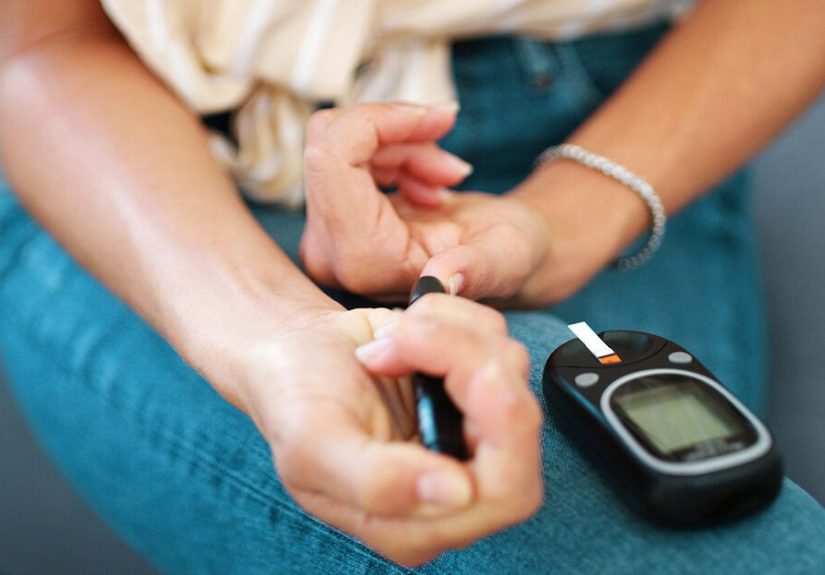
If possible, confirm the low with a glucose meter or CGM. A reading below 70 mg/dL usually signals it is time to treat. If symptoms are obvious and testing is delayed, treat first rather than trying to win an award for patience.
Step 2: Take 15 Grams of Fast-Acting Carbohydrate
Choose something that is mostly sugar and easy to absorb. Good options include:
- 3 to 4 glucose tablets
- One small tube of glucose gel
- 4 ounces of fruit juice
- 4 ounces of regular soda, not diet
- 1 tablespoon of sugar or honey
- Hard candy in a portion that adds up to about 15 grams of carbohydrate
This is the rare moment when regular soda gets to wear a superhero cape. Just keep the serving measured. “A little juice” is useful. “Half the refrigerator” is usually not.
Step 3: Wait 15 Minutes
This part is harder than it sounds. When you feel shaky, you may want to keep eating until the universe feels stable again. Resist the urge. Give the sugar time to work.
Step 4: Recheck Your Blood Sugar
If your reading is still below 70 mg/dL, or your symptoms are not improving, repeat with another 15 grams of fast-acting carbohydrate. Then wait another 15 minutes and check again.
Step 5: Eat a Snack or Meal If Needed
Once your blood sugar is back in range, think about what comes next. If your next full meal is more than an hour away, have a snack that includes carbohydrate plus protein. That might be crackers with cheese, half a sandwich, or yogurt. The goal now is staying steady, not bouncing from low to high and back again like a glucose trampoline.
Best Foods for the Rule of 15
The best low blood sugar treatments are portable, predictable, and easy to portion. Glucose tablets are the gold standard for many people because they are made for this exact job. Juice also works well, especially if chewing sounds exhausting in the middle of a low.
Fast-Acting Carbs That Usually Work Well
- Glucose tablets or glucose gel
- Fruit juice
- Regular soda
- Table sugar or honey
- Measured portions of hard candy
Foods That Are Not Great for an Active Low
- Chocolate bars
- Cookies
- Ice cream
- Peanut butter
- Chips
- Diet soda
Those foods are not banned from planet Earth. They are just poor emergency responders. High-fat foods digest more slowly, and diet drinks do not contain the sugar you need to raise blood glucose quickly.
Common Mistakes People Make With the 15-15 Rule
Even a good rule can go sideways when panic enters the chat. Here are the mistakes that trip people up most often.
Eating Too Much Too Fast
A low can create urgent hunger, and urgent hunger has terrible judgment. If you treat a low with juice, cookies, cereal, and the leftovers from lunch, your blood sugar may rebound hard. Stick with the measured treatment first. Then reassess.
Using the Wrong Food
Chocolate is delicious, but during hypoglycemia it is basically showing up late to the rescue with excellent intentions and terrible speed.
Not Rechecking
Symptoms alone are not always reliable. Some people start to feel better before their blood sugar is fully back in range. Others still feel off even after it rises. Rechecking helps you avoid both undertreating and overtreating.
Ignoring a Pattern of Frequent Lows
If you are using the 15-15 rule often, the issue is not just the low itself. The issue is your treatment plan, food timing, exercise routine, medication dose, or alcohol pattern. Frequent lows deserve a conversation with your diabetes care team.
How to Prevent Future Hypoglycemia
Knowing how to treat a low is important. Preventing the next one is even better.
- Do not skip or significantly delay meals.
- Match insulin and medication to food and activity as instructed.
- Check blood sugar before and after exercise when needed.
- Carry glucose tablets, juice boxes, or other quick carbs.
- Use CGM alerts if you have access to one.
- Be careful with alcohol, especially on an empty stomach.
- Teach family, friends, coworkers, and coaches what a low looks like.
- Keep glucagon available if your clinician recommends it.
Nighttime lows deserve special respect. If you often go low overnight, bring it up with your clinician. Recurrent nighttime hypoglycemia may mean your insulin dose, evening exercise routine, alcohol intake, or bedtime snack plan needs adjusting.
When the Rule of 15 Is Not Enough
The 15-15 rule is for mild to moderate hypoglycemia. It is not the right plan when the person cannot safely manage their own treatment.
Call 911 and Use Glucagon If:
- The person is unconscious
- The person is having a seizure
- The person cannot swallow
- The person is severely confused or combative
- The low is not responding and the person is getting worse
If glucagon is prescribed, people around you should know where it is and how to use it. Emergency planning is not pessimism. It is preparation. Seat belts are not rude to driving, and glucagon is not rude to diabetes.
Conclusion
The Rule of 15 for diabetes is one of the most useful skills a person with diabetes can learn. It is simple, effective, and designed for the exact moment when complicated thinking is in short supply. Treat with 15 grams of fast-acting carbohydrate, wait 15 minutes, recheck, and repeat if needed. Then follow with a balanced snack or meal if your next meal is not coming soon.
Most important, remember that the 15-15 rule for hypoglycemia is rescue, not a long-term strategy. If lows are happening often, the fix is not just more juice. The fix is finding out why they keep happening and adjusting your plan. Done right, this small rule can make a huge difference in daily confidence, safety, and peace of mind.
Practical Experiences Related to the Rule of 15 for Diabetes
Real life is where the rule either becomes second nature or gets forgotten until a low turns a normal day into a very strange one. Consider the person who goes for a longer-than-usual walk after dinner, feels virtuous for approximately 22 minutes, and then suddenly becomes sweaty, shaky, and irrationally annoyed by a traffic light. That is a classic lesson in how exercise can keep lowering blood sugar even after the activity is over. The people who do best in this situation are usually the ones who already have glucose tablets in a pocket or bag. They do not negotiate with the low. They treat it quickly, wait, recheck, and move on.
Another common experience happens at work. A person is in a meeting, lunch got delayed, and now their brain feels like it has been replaced with an unplugged toaster. They try to “push through” because they do not want to interrupt the moment. Bad idea. Hypoglycemia does not reward professionalism. In fact, low blood sugar is great at making simple decisions weirdly difficult. People often say they became quiet, confused, snappy, or unable to follow conversation. The practical lesson is simple: treating a low early is less disruptive than pretending it is not happening.
Then there is the overnight low, which many people describe as one of the most unsettling parts of diabetes. You wake up sweaty, your heart is pounding, and for a few seconds you are not entirely sure what planet you are on. In that moment, preparation matters. Keeping a meter, CGM receiver or phone, juice, or glucose tablets by the bed saves time and helps avoid stumbling to the kitchen half-asleep. Many people learn that what helps most is building a bedtime routine: check glucose, think about exercise, consider alcohol intake, and make sure rescue carbs are within arm’s reach.
People also learn, often the hard way, that “treating by appetite” is not the same as treating by plan. A low can make you feel like you need half a bakery immediately. But those who have lived through the rebound know the pattern: they overeat during the low, feel relief for about ten minutes, and then watch their blood sugar swing high later. Experience teaches restraint. The goal is not to celebrate surviving with six cookies and a bowl of cereal. The goal is precision.
Family and friends play a huge role too. Many people with diabetes can recall a moment when someone nearby noticed the low before they did: a spouse who recognized the glassy stare, a coworker who handed over juice, a coach who paused practice, or a roommate who knew where the glucagon was stored. Those stories drive home an important point. Managing hypoglycemia is personal, but it should not be secret. The people around you do not need a medical degree. They just need to know the signs, the basics of the 15-15 rule, and when to call for emergency help.
Over time, the best experience-based advice is usually the least glamorous: carry your fast carbs, measure them, recheck every time, and respect patterns. The Rule of 15 works best when it is not treated like trivia, but like everyday safety equipment.