Table of Contents >> Show >> Hide
- What Are Professional Code Words?
- Why Professional Code Words Become Public Knowledge
- Famous Professional Code Words Everyone Seems to Know Now
- 1. “10-4” Police and Radio Communication
- 2. “Code Blue” Hospital Emergency Language
- 3. “Code Red” Fire, Danger, and General Panic Mode
- 4. “Mayday” and “Pan-Pan” Aviation and Maritime Urgency
- 5. “Squawk 7700” The Aviation Code Behind the Drama
- 6. “86” Restaurant Slang That Escaped the Kitchen
- 7. “BOLO” and “APB” Law Enforcement Alerts
- 8. “Code Adam” Retail and Public-Space Safety
- 9. “Watch,” “Warning,” and “Advisory” Weather Terms With Real Differences
- 10. “Off the Record” Journalism’s Most Misused Phrase
- 11. “Triage” From Emergency Medicine to Email
- 12. “Red Team” Cybersecurity and Strategic Testing
- 13. “Easter Egg” Software, Gaming, and Hidden Surprises
- What Happens When Code Words Go Public?
- Why Plain Language Is Replacing Some Code Words
- How to Use Professional Code Words Without Sounding Ridiculous
- Experiences and Reflections: When Insider Language Becomes Everyday Speech
- Conclusion
Every profession has its secret handshake. Doctors have “code blue.” Police officers have “10-4.” Restaurant workers “86” the soup. Journalists whisper about “off the record.” Pilots squawk, meteorologists warn, cybersecurity teams go red, and lawyers say “see” when they mean something much more precise than “look over there.”
At first, these professional code words were built for speed, privacy, clarity, or tradition. They helped insiders communicate quickly without turning every workday into a five-paragraph memo. But then movies, social media, news coverage, workplace comedy, podcasts, and plain old curiosity dragged many of these terms into everyday conversation. Now people say “triage my inbox,” “red-team this idea,” or “10-4, got it” without wearing a badge, scrubs, headset, or emergency vest.
The funny part? Once professional jargon becomes public knowledge, it often changes. A phrase that once had a strict operational meaning becomes a metaphor. Sometimes that is useful. Sometimes it is confusing. And sometimes it makes a person sound like they spent one weekend watching procedural dramas and now believes they are qualified to run a command center from a swivel chair.
What Are Professional Code Words?
Professional code words are shorthand terms, numeric signals, phrases, labels, or internal expressions used by people in a specific field. They may describe an emergency, a status update, a risk level, a workflow step, or a social rule inside a profession. Some are formal and standardized. Others are informal slang that spread because they are memorable.
These terms usually serve one of five purposes: speed, discretion, accuracy, culture, or coordination. A pilot does not want to deliver a dramatic monologue during an emergency. A hospital team needs a fast way to call help. A restaurant kitchen needs to know the salmon is gone before another server promises it to Table 12. A reporter needs clear ground rules before using information from a source. In high-pressure settings, code words save time and reduce confusionat least when everyone agrees on what the words mean.
Why Professional Code Words Become Public Knowledge
Code words leave the workplace for several reasons. Television is a major gateway. Police dramas, hospital shows, aviation documentaries, legal thrillers, and newsroom movies turn trade language into entertainment. News coverage also pushes specialized terms into public life, especially during emergencies, elections, cybersecurity incidents, weather events, or major court cases.
Social media speeds up the process. A term can jump from insider slang to trending phrase overnight. People hear it, repeat it, meme it, misunderstand it, and then use it in a completely new context. That is how a serious phrase like “red team” can become a casual office request: “Can someone red-team my vacation plan before I book a nonrefundable hotel next to a nightclub?”
Famous Professional Code Words Everyone Seems to Know Now
1. “10-4” Police and Radio Communication
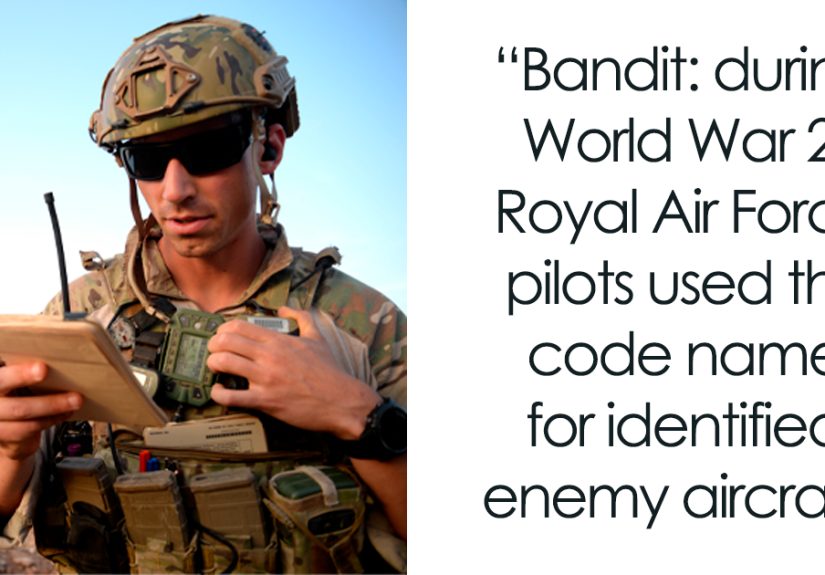
“10-4” is one of the most famous professional code words in American culture. Originally associated with radio communication and public safety, it generally means “message received” or “affirmative.” Thanks to police shows, trucker culture, CB radio, and action movies, “10-4” became a casual way to say “got it.”
The interesting twist is that many emergency-response organizations have moved away from heavy use of 10-codes during multi-agency incidents. Plain language is often preferred because different agencies may use different codes. In other words, “10-4” became public just as many professionals started saying, “Maybe let’s use actual words.” Classic language irony.
2. “Code Blue” Hospital Emergency Language
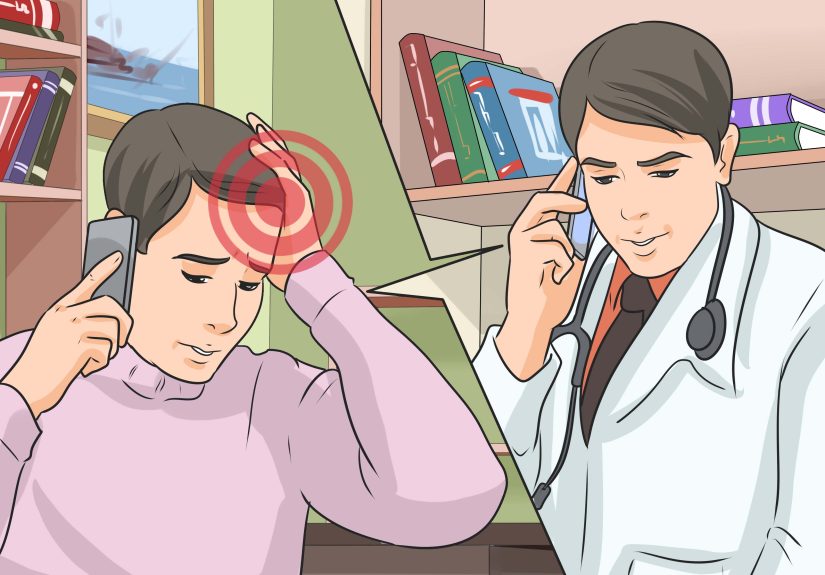
“Code blue” is widely recognized as a hospital emergency phrase, commonly associated with a patient needing immediate medical assistance. It became familiar through medical dramas, hospital documentaries, and public conversations about emergency care.
Hospital color codes are a great example of insider language that can be useful but also tricky. One facility’s code system may not perfectly match another’s. That is why many healthcare systems have supported plain-language alerts for emergencies. The goal is not to make things less professional. It is to make them more understandable when seconds matter.
3. “Code Red” Fire, Danger, and General Panic Mode
In many hospitals and institutions, “code red” is associated with fire or serious danger. Outside professional settings, it has become a flexible phrase for “major problem.” A parent might declare a “code red” when the toddler finds a permanent marker. An office manager might use it when the printer dies ten minutes before a board meeting.
The public meaning is broader than the professional meaning. That is common with code words. Once they escape into normal speech, they become less precise but more expressive.
4. “Mayday” and “Pan-Pan” Aviation and Maritime Urgency
“Mayday” is one of the clearest emergency words in global communication. In aviation, it signals distress. “Pan-Pan” signals urgency, which is serious but different from distress. Most people know “Mayday” from movies, flight recordings, and disaster documentaries, but fewer people understand the distinction between “Mayday” and “Pan-Pan.”
That distinction matters. Professional code words often have levels. In everyday life, people may use “mayday” jokingly when their laptop freezes. In aviation, it is not a cute way to say the Wi-Fi is acting spicy. It is a structured emergency signal with real operational meaning.
5. “Squawk 7700” The Aviation Code Behind the Drama
“Squawk” sounds like something a parrot does when it is personally offended. In aviation, however, it refers to a transponder code. “Squawk 7700” is associated with a general emergency. Aviation fans, flight trackers, and social media accounts have helped make this once-technical phrase more visible to the public.
Unlike “Mayday,” which people hear in films, “7700” became public partly because modern flight-tracking tools made aviation data easier for ordinary people to watch. That is a pattern across many industries: when data becomes visible, the language around it follows.
6. “86” Restaurant Slang That Escaped the Kitchen
In restaurants and bars, “86” traditionally means an item is unavailable, a customer should not be served, or something should be removed. If the kitchen says, “86 the clam chowder,” the server knows not to recommend it unless they enjoy disappointing strangers professionally.
The term has been around for decades and has several origin stories, including soda-counter slang from the 1930s. Today, people use “86” far beyond restaurants: “Let’s 86 that idea,” “They 86’d the meeting,” or “I 86’d my plan to start jogging at 5 a.m. because I remembered I enjoy happiness.”
7. “BOLO” and “APB” Law Enforcement Alerts
“BOLO” means “be on the lookout.” “APB” stands for “all-points bulletin.” These terms came from law enforcement and public-safety communication, but crime shows made them household expressions. People now use BOLO casually for missing keys, runaway pets, limited-edition sneakers, or the office coffee mug that somehow disappears every Monday.
Professionally, these terms are about attention and distribution: alert the right people to watch for a person, vehicle, object, or situation. Publicly, they have become a fun shorthand for “everybody keep your eyes open.”
8. “Code Adam” Retail and Public-Space Safety
Code Adam is a missing-child safety protocol used in many public places, including stores, parks, government buildings, and other facilities. Unlike some workplace slang, this phrase became public knowledge because awareness is part of the point. When employees and visitors understand that a location has a child-safety protocol, response can be faster and more organized.
This is one of the best examples of a code word designed not to be mysterious, but to mobilize people. It shows that professional codes are not always about secrecy. Sometimes they are about creating a simple, recognizable trigger for action.
9. “Watch,” “Warning,” and “Advisory” Weather Terms With Real Differences
Weather language is packed with professional terms that sound similar but mean different things. A watch generally means conditions are favorable for a hazardous event. A warning means the hazard is occurring, imminent, or strongly indicated. An advisory usually signals conditions that may cause inconvenience or risk but are generally less severe than warning-level events.
These terms have become public knowledge because weather affects everyone. The problem is that many people still treat them like interchangeable weather-flavored anxiety labels. They are not. Knowing the difference can change how quickly someone prepares, travels, shelters, or cancels that ambitious outdoor birthday party with 40 balloons and a rented chocolate fountain.
10. “Off the Record” Journalism’s Most Misused Phrase
“Off the record” is one of the most famous journalism phrasesand one of the most misunderstood. In professional reporting, it should be agreed upon before information is shared. It is not a magic spell a person can cast after saying something inconvenient. You cannot shout “off the record!” after accidentally confessing the company mascot costume smells like wet carpet and regret.
Journalists also use related terms such as “on background” and “deep background,” each with specific rules about whether information can be used and how a source may be identified. Public misuse of these terms shows what happens when professional language becomes cinematic. People remember the phrase, but not always the rulebook behind it.
11. “Triage” From Emergency Medicine to Email
“Triage” comes from medical and emergency settings, where it refers to sorting patients by urgency and need. The term is now everywhere. Teams triage support tickets. Managers triage budgets. Students triage homework. Parents triage weekend plans. Everyone, apparently, is running a tiny emergency department inside their calendar app.
This is a useful metaphor because modern life is full of competing demands. The key idea is prioritization. What needs attention first? What can wait? What looks urgent but is mostly loud? Used well, “triage” brings clarity. Used too casually, it can make ordinary scheduling sound like a disaster drill.
12. “Red Team” Cybersecurity and Strategic Testing
In cybersecurity, a red team is a group authorized to act like an adversary in order to test defenses. The term has spread into business, product development, policy, and even personal decision-making. To “red-team” an idea now means to challenge it, search for weaknesses, and think like someone trying to break it.
This is one of the most valuable professional terms to enter everyday language. It encourages healthy skepticism. A good red-team exercise is not negativity with a laptop. It is structured pressure-testing. The goal is not to embarrass the plan. The goal is to make the plan stronger before reality gets its hands on it.
13. “Easter Egg” Software, Gaming, and Hidden Surprises
In software, games, movies, and media, an “Easter egg” is a hidden feature, message, inside joke, or subtle callback placed for users or fans to discover. The phrase is now widely understood because digital culture trained people to search for secrets. Movie fans pause trailers frame by frame. Gamers inspect suspicious walls. App users tap logos just in case a dancing llama appears.
Unlike emergency code words, “Easter egg” is playful by design. It reveals how professional language can become public when it connects with curiosity and delight.
What Happens When Code Words Go Public?
When professional code words become public knowledge, three things usually happen. First, the words become more flexible. “Triage” no longer belongs only to emergency medicine. “Red team” no longer belongs only to security. “86” no longer belongs only to restaurants.
Second, the words become less precise. Public use often strips away the technical rules. People may know that “code blue” sounds serious without knowing how hospitals define it. They may say “off the record” without understanding that the agreement should happen before the conversation. They may use “warning” and “watch” as if both mean “weather is being dramatic again.”
Third, the words become cultural signals. Using professional jargon can make a person sound informed, efficient, or slightly theatrical. Sometimes that is useful. A team that says “Let’s red-team this launch plan” may save itself from a messy failure. But jargon can also create fake authority. Saying “copy that” into a smartphone does not turn a grocery pickup into a tactical mission, no matter how intense the parking lot feels.
Why Plain Language Is Replacing Some Code Words
One of the biggest trends in emergency management, healthcare, and public safety is the move toward plain language. The reason is simple: codes only work when everyone knows the same code. If different agencies, hospitals, or departments use the same phrase differently, confusion can spread faster than the emergency itself.
Plain language does not mean unprofessional language. It means clear language. “Fire in the east wing” may be more useful to a mixed audience than “code red.” “Missing child at the main entrance” may prompt faster action than a phrase only trained staff understand. In high-stakes situations, clarity is not boring. Clarity is the whole point.
How to Use Professional Code Words Without Sounding Ridiculous
Professional jargon can be useful, but it should earn its place. Use a code word when it communicates faster or more clearly than ordinary language. Avoid it when it creates confusion, drama, or fake expertise.
For example, “I need to triage my tasks” is useful if you are truly sorting priorities. “This spreadsheet is a code red” may be funny, but if your team has actual emergency terminology, save “code red” for situations that deserve it. “Let’s red-team the proposal” is strong language if you want a serious critique. It is less helpful if you simply mean “Can someone glance at this?”
The best rule is this: if the audience understands the term and the term adds precision, use it. If not, translate it. Professional language should make communication smoother, not turn every meeting into a secret society with snacks.
Experiences and Reflections: When Insider Language Becomes Everyday Speech
One of the most interesting experiences related to professional code words is noticing how quickly they become part of everyday life. A person may first hear “triage” in a hospital context, then later use it to organize emails. They may learn “red team” from cybersecurity news, then apply it to a family budget. They may hear “86” in a restaurant, then use it to cancel a bad idea. Language travels because people borrow whatever feels useful.
In workplaces, these borrowed terms can create a shared rhythm. A marketing team might say, “Let’s red-team the campaign before launch.” Everyone knows the goal is to find weak points before customers do. A customer-support team might say, “We need to triage the tickets from this morning.” That tells the team to sort issues by urgency, not simply answer them in the order they arrived. A small phrase can compress an entire process into a few words.
But there is also a learning curve. People sometimes use code words because they sound impressive, not because they understand them. “Off the record” is a perfect example. Many people think it means “I said something spicy, please pretend I didn’t.” In reality, professional media ground rules require agreement. That difference matters. Misusing the phrase can create tension, especially when the speaker expects protection the reporter never agreed to provide.
The same thing happens with weather alerts. Many people grow up hearing watches, warnings, advisories, and emergencies, but they do not always know the hierarchy. During calm times, the difference feels academic. During severe weather, it becomes practical. Public knowledge is most valuable when it leads to better decisions, not just familiar vocabulary.
Another experience is how code words can make people feel included. When someone learns what “10-4” means, or why a chef says “86,” they get a tiny glimpse behind the curtain. That can be fun. It can also build respect for the professions that created the terms. Restaurant slang reveals the speed and pressure of service work. Aviation codes reveal the need for disciplined clarity. Hospital codes reveal how teams coordinate under stress. Journalism ground rules reveal how carefully information must be handled.
At the same time, public familiarity can flatten serious terms into jokes. People may say “Mayday” over a low phone battery or “code blue” over a failed dessert. Humor is part of language, and there is nothing wrong with playful exaggeration in casual settings. Still, it is worth remembering that many of these expressions come from environments where the stakes are real. Respecting the original meaning keeps the language from becoming empty noise.
The best personal takeaway is to treat professional code words like borrowed tools. Use them when they fit. Learn what they actually mean. Do not swing them around just because they look shiny. A good code word can make communication sharper, faster, and more memorable. A misunderstood one can create confusion with confidence, which is the most dangerous kind of confusion because it wears a blazer.
Professional code words become public knowledge because they solve communication problems in memorable ways. The public keeps them because they are useful, dramatic, funny, or simply satisfying to say. Whether you are 86-ing a bad plan, red-teaming a project, triaging your inbox, or saying “10-4” to a friend, you are participating in the long, strange, wonderful journey of workplace language into everyday speech.
Conclusion
Professional code words are more than catchy phrases. They are snapshots of how different fields manage pressure, risk, speed, and trust. Some began as emergency signals. Others started as newsroom rules, restaurant shorthand, medical sorting systems, or cybersecurity tactics. Over time, the public adopted them because they were useful and expressive.
The smartest way to use these terms is to understand both their original meaning and their modern casual meaning. That balance keeps communication clear while still letting language have personality. After all, English is not a museum. It is a busy restaurant, a newsroom, a control tower, a hospital hallway, and a group chat all talking at once.