Table of Contents >> Show >> Hide
- Why Pork Internal Temp Matters
- Pork Internal Temperature Chart
- 145°F Pork: Safe, Juicy, and Not a Culinary Crime
- Why Ground Pork Needs 160°F
- How to Check Pork Temperature Correctly
- What About Pork Ribs, Pork Shoulder, and Pulled Pork?
- Resting Pork: The Small Step That Saves Dinner
- Common Pork Cooking Concerns
- Food Safety Tips Before Pork Reaches the Pan
- Best Cooking Methods for Hitting the Right Pork Temp
- Specific Examples: What to Do in Real Kitchens
- Mistakes That Ruin Pork Temperature Control
- Experience Section: What Cooking Pork Teaches You Over Time
- Conclusion: The Smart Way to Cook Pork
Pork has suffered from a terrible reputation: either people undercook it and worry, or they cook it until it has the personality of a flip-flop. The truth is much friendlier. With the right pork internal temp, you can make chops, roasts, tenderloin, ham, ribs, and ground pork that are both safe and genuinely delicious. No guessing. No panic. No chewing your way through something that tastes like it lost an argument with a campfire.
The modern rule is simple: most whole cuts of pork are safe at 145°F followed by a 3-minute rest. Ground pork needs 160°F. Leftovers and casseroles should reach 165°F. That small group of numbers can save dinner, reduce food-safety risk, and rescue pork from the sad “cook it forever just in case” era.
This guide breaks down pork cooking temperature guidelines, how to check doneness correctly, why pink pork is not automatically dangerous, and what concerns home cooks should actually pay attention to. Spoiler: the meat thermometer is the hero here. It may not wear a cape, but it deserves a clean drawer and your respect.
Why Pork Internal Temp Matters
Cooking pork to the proper internal temperature matters for two big reasons: safety and quality. From a safety standpoint, heat helps reduce harmful bacteria and parasites that may be present in raw or undercooked meat. From a quality standpoint, temperature determines whether your pork is juicy and tender or dry enough to qualify as a household building material.
For many years, home cooks were told to cook pork to 160°F. That advice created safe food, but it also created generations of pork chops that required heroic amounts of applesauce. Today, U.S. guidance allows whole cuts such as pork chops, pork loin, pork tenderloin, and pork roasts to be cooked to 145°F, as long as the meat rests for at least 3 minutes before slicing or serving.
That rest time is not a polite suggestion. It is part of the safety process. During resting, the internal heat continues working, juices redistribute, and the temperature may rise slightly through carryover cooking. In plain English: let the pork sit there for a minute before you attack it with a knife like you are opening a birthday present.
Pork Internal Temperature Chart
Here is the practical temperature guide every home cook should know:
| Pork Cut or Dish | Safe Internal Temperature | Rest Time | Notes |
|---|---|---|---|
| Pork chops | 145°F | 3 minutes | Best when juicy, slightly pink, and not overcooked. |
| Pork tenderloin | 145°F | 3 minutes | Remove from heat before it dries out. |
| Pork loin roast | 145°F | 3 minutes or longer | Large roasts benefit from a longer rest for easier slicing. |
| Fresh pork roast | 145°F | 3 minutes | Check the thickest part with a thermometer. |
| Ground pork | 160°F | No required rest | Applies to pork burgers, meatballs, and sausage. |
| Fresh ham | 145°F | 3 minutes | Fresh ham is raw and must be cooked. |
| Fully cooked ham | 140°F for reheating | Follow package directions | Some leftover or non-USDA-inspected hams should be reheated to 165°F. |
| Leftover pork dishes | 165°F | Serve hot | Includes casseroles, soups, reheated pulled pork, and mixed dishes. |
| Stuffed pork | 165°F for the stuffing | Serve hot | The stuffing must reach 165°F even if the pork itself reaches 145°F. |
145°F Pork: Safe, Juicy, and Not a Culinary Crime
The most important pork cooking temperature for whole cuts is 145°F. This applies to pork chops, roasts, loin, and tenderloin. At this temperature, pork may still have a blush of pink in the center. That can be perfectly safe when measured with a reliable food thermometer and followed by a 3-minute rest.
This is where many cooks get nervous. For decades, people were taught that pork had to be white all the way through. But color is not a reliable safety test. Pork can look pale and still be undercooked, or it can look pink and be safely cooked. The thermometer gets the final vote. Your eyeballs are charming, but they did not go to food-safety school.
Best Cuts for 145°F
The 145°F guideline works especially well for lean cuts such as pork chops, pork loin, and pork tenderloin. These cuts dry out quickly because they do not contain much fat or connective tissue. Cooking them to 155°F, 160°F, or beyond may feel cautious, but it often sacrifices tenderness and flavor.
For example, a 1-inch pork chop cooked to 145°F and rested properly can be juicy, tender, and slightly rosy. The same chop cooked to 170°F may be safe, yes, but it may also require a pep talk and a sauce boat. Safety matters first, but once safety is covered, quality deserves a seat at the table.
Why Ground Pork Needs 160°F
Ground pork is different from whole pork cuts. When meat is ground, bacteria that may have been on the surface can be mixed throughout the meat. That is why pork burgers, pork meatballs, breakfast sausage, chorizo, and other ground pork products should be cooked to 160°F.
This also means you should not treat a pork burger like a pork chop. A pork chop can be safely cooked to 145°F with a 3-minute rest because the inside muscle has not been exposed in the same way. Ground pork has been mixed, shaped, and handled more thoroughly, so the higher temperature gives a better safety margin.
Examples of Ground Pork Foods
Cook these to 160°F:
- Pork burgers
- Breakfast sausage patties
- Fresh pork sausage links
- Pork meatballs
- Pork dumpling filling
- Ground pork tacos
- Meatloaf made with pork
If the dish contains poultry, such as chicken-and-pork dumplings or turkey-and-pork meatballs, use the higher poultry-safe temperature of 165°F. In mixed dishes, the highest-risk ingredient sets the temperature target. Dinner does not get to negotiate.
How to Check Pork Temperature Correctly
A food thermometer is the only dependable way to know whether pork is safely cooked. Cutting into the meat, poking it with a fork, or judging by juice color is guesswork wearing an apron.
Use the Right Thermometer
A digital instant-read thermometer is the easiest tool for most home cooks. It gives a quick reading and helps prevent both undercooking and overcooking. For large roasts or smoked pork shoulder, a leave-in probe thermometer can also be useful because it tracks temperature over time.
Measure the Thickest Part
Insert the thermometer into the thickest part of the pork. Avoid touching bone, fat, or the pan because those can give misleading readings. For thin pork chops, insert the probe sideways through the edge so the tip reaches the center. For roasts, check more than one spot because ovens and grills are not always perfectly even.
Clean the Probe
Wash the thermometer probe after it touches raw or partially cooked pork. This is especially important if you check the temperature early and then check again later. A dirty probe can carry bacteria back onto cooked food, which is exactly the kind of kitchen plot twist nobody ordered.
What About Pork Ribs, Pork Shoulder, and Pulled Pork?
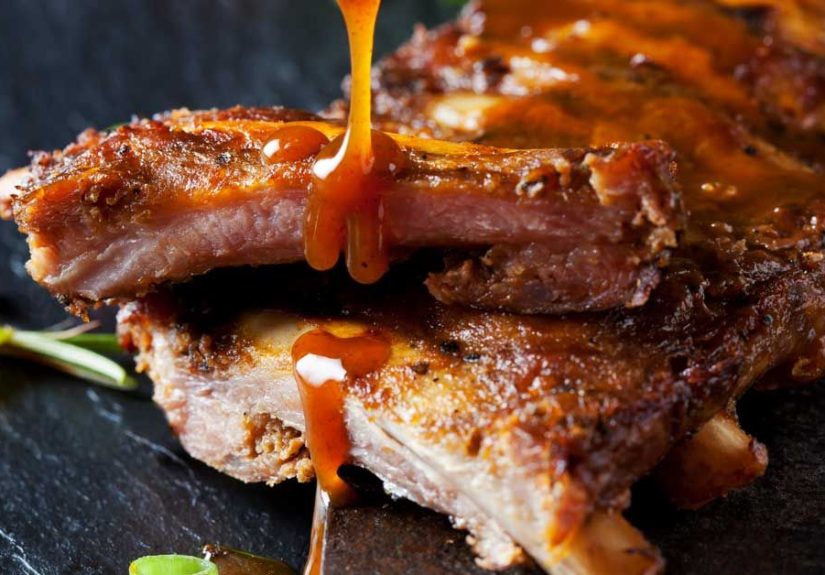
Here is where pork internal temp gets interesting. Some cuts are technically safe at 145°F, but they are not pleasant to eat at that temperature. Pork shoulder, pork butt, spare ribs, and baby back ribs contain more connective tissue. That connective tissue needs time and heat to break down into tender, juicy goodness.
For pulled pork, many cooks take pork shoulder to roughly 195°F to 205°F because that is when it becomes tender enough to shred. Ribs may also be cooked well beyond 145°F because tenderness, not minimum safety, is the goal. This does not mean the lower temperature is unsafe; it means the texture is not yet where you want it.
Think of it this way: 145°F is the safety doorway for many whole cuts. But for tough cuts, tenderness lives farther down the hallway.
Resting Pork: The Small Step That Saves Dinner
Resting pork is simple: remove it from the heat and let it sit before slicing. For whole cuts cooked to 145°F, rest at least 3 minutes. Larger roasts often benefit from 10 to 20 minutes because they hold more heat and lose more juice if sliced immediately.
During resting, the temperature can continue to rise a few degrees. This is called carryover cooking. It is especially noticeable in thick roasts and large cuts. If you pull a pork loin from the oven at exactly 145°F, it may climb slightly while resting. If you pull it at 155°F and rest it, it may move into “why is this so dry?” territory.
Common Pork Cooking Concerns
Is Pink Pork Safe?
Yes, pink pork can be safe if it reaches the correct internal temperature. A pork chop cooked to 145°F and rested for 3 minutes may still look a little pink inside. That does not automatically mean it is undercooked. Temperature matters more than color.
Can You Eat Pork Medium-Rare?
For whole cuts, pork cooked to 145°F with a 3-minute rest is often described as medium-rare to medium, depending on the cut and cooking method. Ground pork should not be treated this way; it needs 160°F.
Does Freezing Pork Make It Safe?
Freezing may help with some parasites in certain pork products, but it is not a replacement for proper cooking. Cooking pork to the right internal temperature remains the most reliable safety step. This is especially important with wild game, which can carry freeze-resistant parasites and should be handled with extra caution.
Can You Cook Pork in the Microwave?
You can, but microwave cooking can heat unevenly. If you microwave pork, cover the dish, rotate or stir when appropriate, allow standing time, and check the internal temperature in multiple spots. For reheated leftovers, aim for 165°F.
Should You Wash Raw Pork?
No. Washing raw pork can splash bacteria around the sink, faucet, counter, and nearby foods. Cooking to the correct internal temperature is what makes pork safe. The sink does not need a pork shower.
Food Safety Tips Before Pork Reaches the Pan
Safe pork cooking begins before the meat hits the skillet, smoker, oven, or grill. Keep raw pork refrigerated at 40°F or below. Store it on a lower shelf so juices do not drip onto ready-to-eat foods. Thaw frozen pork in the refrigerator, in cold water, or in the microwave if cooking immediately afterward. Do not thaw pork on the counter.
Use separate cutting boards for raw pork and produce. Wash hands, knives, plates, and counters after contact with raw meat. If you carry raw pork to the grill on a plate, do not put cooked pork back on that same unwashed plate. That is not rustic. That is cross-contamination with barbecue sauce.
Best Cooking Methods for Hitting the Right Pork Temp
Pan-Searing Pork Chops
For pork chops, start with medium-high heat to get a flavorful crust, then lower the heat or finish in the oven if the chop is thick. Check the center with a thermometer and pull the chop when it reaches 145°F. Rest for 3 minutes before serving.
Roasting Pork Loin
Pork loin is lean, so do not abandon it in the oven and hope for the best. Roast at a moderate temperature, check early, and remove it when the center reaches 145°F. Let it rest before slicing thinly across the grain.
Grilling Pork Tenderloin
Pork tenderloin cooks quickly. Sear it over direct heat, then move it to indirect heat if needed. Because it is narrow, the temperature can climb fast. Start checking before you think it is done. The difference between juicy and dry can be just a few minutes.
Smoking Pork Shoulder
For pork shoulder, minimum safe temperature is not the finish line. Smoke it low and slow until it becomes tender enough to pull apart, usually much higher than 145°F. Use temperature as a guide, but use tenderness as the final judge.
Specific Examples: What to Do in Real Kitchens
Example 1: Weeknight Pork Chops
You have two boneless pork chops, about 1 inch thick. Season them, sear them in a skillet, and check the temperature from the side. When the center reads 145°F, move them to a plate and rest for 3 minutes. Serve with roasted vegetables, rice, or a quick pan sauce. Congratulations: dinner is not dry, and nobody needs to pretend.
Example 2: Sunday Pork Loin Roast
You are roasting a pork loin for family dinner. Insert the thermometer into the thickest part of the roast. When it reaches 145°F, remove it from the oven and rest it for 10 to 15 minutes. Slice it after resting, not before. If you slice immediately, the juices run out faster than relatives leaving after dessert.
Example 3: Pork Meatballs
You are making pork meatballs for pasta. Because the pork is ground, cook the meatballs to 160°F. Check one or two of the largest meatballs in the center. If they are mixed with poultry, cook to 165°F.
Mistakes That Ruin Pork Temperature Control
The first mistake is relying on cooking time alone. Recipes can estimate, but your chop, oven, pan, or grill may behave differently. A thick pork chop and a thin pork chop are not living the same life.
The second mistake is checking too late. Once pork is overcooked, there is no magic reverse button. Sauce can help, but sauce is not a time machine. Start checking temperature before the recipe says the meat should be done.
The third mistake is skipping the rest. Resting is part of the cooking process, especially for whole cuts. It helps with both safety and juiciness.
The fourth mistake is using an inaccurate thermometer. If your thermometer has been dropped, stored badly, or seems suspicious, test it. A thermometer that lies is just a tiny kitchen villain.
Experience Section: What Cooking Pork Teaches You Over Time
After cooking pork often enough, you start to realize that temperature is not just a number. It is a conversation between the meat, the heat, the clock, and your patience. The first big lesson is that pork does not reward panic. Cranking up the heat because you are hungry usually gives you a burnt outside and an undercooked center. Gentle control works better than kitchen drama.
One of the most useful habits is checking temperature early. If a pork tenderloin recipe says it needs 25 minutes, start checking around 18 minutes. Ovens run hot, tenderloins vary in size, and pans hold heat differently. Catching pork at 140°F gives you control. Discovering it at 170°F gives you regret and maybe a sudden interest in gravy.
Another lesson is that carryover cooking is real. A thick pork roast can rise several degrees after leaving the oven. That means you do not always need to wait until the thermometer screams “done” while the meat is still cooking. Pulling pork at the right moment and letting it rest can make the difference between tender slices and dry slices that need emotional support.
Grilling teaches its own lessons. Hot spots are sneaky. One side of the grill may cook faster than the other, so moving pork around is not fussiness; it is strategy. With pork chops, direct heat creates a great sear, but finishing over gentler heat gives the inside time to reach 145°F without turning the crust into charcoal cosplay.
Smoking pork shoulder teaches patience more than anything. At some point, the temperature may stall and refuse to rise quickly. This is normal. The meat is losing moisture at the surface, and that evaporation slows the climb. Beginners often panic here. Experienced cooks breathe, wait, and maybe make a snack. Pork shoulder becomes tender when collagen breaks down, and that takes time.
Cooking ground pork teaches precision. Pork burgers and sausage patties can brown before the center reaches 160°F. This is why color cannot be trusted. A thermometer prevents the classic mistake of serving something that looks done but is not fully cooked inside.
Finally, cooking pork teaches that safety and flavor are not enemies. You do not have to choose between “safe” and “juicy.” With a thermometer, a short rest, and the correct pork internal temp, you can have both. That is the real win: pork that tastes like dinner, not homework.
Conclusion: The Smart Way to Cook Pork
The best pork internal temp depends on the cut. Whole cuts such as pork chops, pork loin, tenderloin, and roasts should reach 145°F followed by a 3-minute rest. Ground pork should reach 160°F. Leftovers, casseroles, and stuffed dishes should reach 165°F where applicable. Tough cuts like pork shoulder and ribs may be safely cooked earlier, but they usually need higher temperatures and longer cooking to become tender.
The key is not fear. The key is measurement. Use a reliable food thermometer, check the thickest part, rest the meat, and stop judging pork by color alone. Your reward is safer food, better texture, and pork that does not need to be hidden under a gallon of sauce. In the kitchen, confidence is greatbut a thermometer is better.