Table of Contents >> Show >> Hide
- Why Painted Plywood Has Become a Remodeling Secret Weapon
- What Makes Painted Plywood Different From Other Budget Floors?
- When Painted Plywood Is a Brilliant Idea
- Choosing the Right Plywood Before You Paint
- How to Prep a Plywood Floor the Right Way
- The Best Paint for a Painted Plywood Floor
- Do You Need a Topcoat?
- How Many Coats Does a Painted Plywood Floor Need?
- Best Colors and Design Ideas for Painted Plywood Floors
- What Painted Plywood Floors Are Really Like to Live With
- Common Mistakes That Ruin Painted Plywood Floors
- So, Is Painted Plywood the Best Budget Wood Floor?
- Experience Section: What People Learn After Actually Living With Painted Plywood Floors
There are two kinds of remodeling dreams. The first involves wide-plank oak, radiant heat, and a budget that casually shrugs at four-digit invoices. The second involves staring at a rough plywood floor and whispering, “What if we just made this work?” Good news: that second dream is not only valid, it can be surprisingly stylish.
A painted plywood floor is one of the smartest ways to stretch a remodeling budget without surrendering all dignity, charm, or design ambition. It is not a luxury-flooring impersonator. It is its own thing: practical, honest, customizable, and a little gutsy. In the right room, with the right prep, painted plywood can look crisp, modern, cottagey, Scandinavian, rustic, artsy, or delightfully unfussy. In the wrong room, with sloppy prep and a “paint first, think later” attitude, it can also look like a cautionary tale with furniture on top.
That is why painted plywood flooring works best when you treat it less like a shortcut and more like a low-cost finish system. The magic is not in the paint can alone. It is in the prep, the patching, the priming, the patience, and the realistic understanding that budget floors can still be beautiful floors.
Why Painted Plywood Has Become a Remodeling Secret Weapon
The biggest advantage is obvious: cost. If you already have plywood underfoot, you are starting with something many remodelers pay to cover up. Painting it lets you skip the expense of hardwood, laminate, tile, or luxury vinyl while still ending up with a finished-looking surface. That makes painted plywood especially appealing in bedrooms, attics, studios, playrooms, cabins, mudrooms, home offices, rentals, and in-between renovation phases when the budget is giving you side-eye.
But cost is only part of the appeal. A painted plywood floor also gives you design freedom. You can go with a solid color for a calm, minimal look. You can use a checkerboard pattern for instant personality. You can fake the feel of old painted planks, create borders, stencil motifs, or simply coat the floor in a warm white, muted gray, sage green, navy, charcoal, or black and let the architecture do the talking.
And unlike some bargain flooring choices that scream “temporary compromise,” painted plywood can look intentional. Very intentional. The kind of intentional that makes people say, “Wait, is this custom?” and not, “Did the flooring budget get mugged?”
What Makes Painted Plywood Different From Other Budget Floors?
Painted plywood sits in an interesting middle ground between subfloor and finish floor. It is usually more affordable than installing new hardwood or tile, and it can be more visually distinctive than basic sheet goods. It also avoids the faux-wood problem that plagues some ultra-budget materials. Painted plywood does not pretend to be something else. It says, “Yes, I am wood. Yes, I am painted. Yes, I have character. You are welcome.”
That honesty is part of the charm. Grain may ghost through in places. Seams may remain faintly visible unless you do extensive filling and sanding. Tiny dents, patched holes, and repaired screw heads can become part of the floor’s lived-in story. For many remodels, that is not a flaw. It is texture, personality, and proof that the house has been somewhere before you arrived.
When Painted Plywood Is a Brilliant Idea
1. When the substrate is already decent
If your plywood is relatively smooth, flat, securely fastened, and not badly damaged, you are already ahead. The best painted plywood floors begin with a good foundation. If the floor squeaks, flexes, has major delamination, or looks like it survived a minor meteor event, repair comes first and paint comes later.
2. When you need a budget-friendly finish now
Maybe a larger renovation is planned for later. Maybe you want a finished room without spending thousands. Maybe you are rehabbing a rental, finishing an attic, or turning a former storage room into an office. Painted plywood is ideal when “functional and attractive” beats “luxury showroom reveal.”
3. When the room is dry and relatively stable
Bedrooms, offices, reading nooks, creative studios, sunrooms, and low-to-moderate traffic spaces are great candidates. Kitchens can work too if you are realistic about wear and quick about wiping spills. Rooms with chronic standing water, ongoing leaks, or a damp subfloor are not the place to gamble.
4. When you actually like painted floors
This sounds obvious, but it matters. If you will resent every visible seam and every little scuff, skip this idea. Painted plywood shines when you appreciate a floor that feels relaxed, charming, and slightly imperfect. Think cottage, farmhouse, artist’s loft, budget-smart remodel, not museum-grade perfection.
Choosing the Right Plywood Before You Paint
Not all plywood is equally lovable. If the existing surface is rough construction-grade material, full of voids, stamps, splinters, or ugly patches, a thin overlay of smoother plywood may be worth the added cost. This is where underlayment-grade or sanded plywood earns its keep. A smoother face gives you a cleaner finished look, fewer surprises under paint, and less time on your hands and knees wondering where your life went.
If the current floor is already solid but unattractive, you may only need to patch, sand, and prime. If it is structurally fine but cosmetically messy, adding a new, thinner top layer of better plywood can transform the result from “painted subfloor” to “intentionally designed wood floor.”
The basic rule is simple: paint does not erase bad plywood. It introduces bad plywood to guests in a new color.
How to Prep a Plywood Floor the Right Way
This is the entire ballgame. Floor paint is tough, but it is not a miracle worker. Every pro-grade guide on wood floor painting points back to preparation, and for good reason. If you rush the prep, you are essentially decorating future failure.
Step 1: Tighten the floor
Walk the room slowly and listen. Any squeaks, bounce, or loose panels should be fixed before painting. Drive screws where needed so the plywood sits tight and stable. Paint will not stop movement. It will simply crack on top of it.
Step 2: Fill the ugly stuff
Use wood filler or an appropriate patching product for nail holes, screw heads, dents, chips, and shallow gouges. If seams are especially noticeable, you can fill them too, but know this: wood moves. Sometimes filled seams stay beautiful. Sometimes they announce seasonal changes like a dramatic relative. Fill for appearance, but keep expectations realistic.
Step 3: Sand thoroughly
Sand the floor enough to smooth rough patches, knock down patched areas, dull any old finish, and help the primer bite. You are not auditioning for a sawdust championship, but you do want an even surface. Pay extra attention to joints, repairs, edges, and any glossy spots.
Step 4: Vacuum like you mean it
Then vacuum again. Then wipe the floor with a damp cloth or tack cloth as appropriate. Dust is the clingy ex of floor finishing. It comes back, leaves texture everywhere, and ruins the vibe.
Step 5: Prime the plywood
Primer matters on bare or patched wood. It helps even out absorption, improves adhesion, and reduces the blotchy “why is this section drinking paint like it pays rent here?” effect. If your chosen floor paint is labeled self-priming, some manufacturers permit direct application on properly prepared surfaces. Even so, many DIYers still prefer a dedicated primer on thirsty plywood because it creates a more consistent base.
The Best Paint for a Painted Plywood Floor
For most projects, the sweet spot is a product in the porch-and-floor paint or floor enamel category. This is not the moment to grab leftover wall paint and hope for the best. Floors take abuse. Chairs scrape. Shoes scuff. Pets sprint. Someone always drops something sticky. Use paint intended for walking surfaces.
Look for acrylic latex porch and floor enamel or a comparable floor coating designed for wood surfaces. These products are formulated for better durability, dirt resistance, and everyday wear than standard interior wall paint. Many also offer satin, low-luster, or gloss options.
As for sheen, satin or low-luster is usually the smart choice. It is more forgiving, easier on the eyes, and less likely to turn every crumb, footprint, and micro-scratch into a featured design element. High gloss can be gorgeous, but it is also merciless. It reflects light, imperfections, and your life choices.
Do You Need a Topcoat?
Sometimes yes, sometimes maybe, and sometimes no, depending on the paint system, the room, and your tolerance for maintenance. Some painted plywood floors perform fine with just the recommended paint coats. Others benefit from a protective topcoat, especially in busier areas or when you want extra insurance against wear.
A polyurethane topcoat can add toughness, but compatibility matters. Always check manufacturer guidance before layering products. The wrong combination can lead to adhesion issues, yellowing, or premature failure. Water-based topcoats tend to stay clearer, while oil-based options are often tougher but can amber over time. If you love a bright white or pale gray floor, that amber shift may feel less like charm and more like betrayal.
How Many Coats Does a Painted Plywood Floor Need?
Usually one coat of primer and two coats of floor paint is the practical baseline. Very porous plywood, lighter colors, bold design work, or patch-heavy surfaces may need more. Thin, even coats are better than thick, impatient ones. Thick paint dries slower, cures less predictably, and has a bad habit of looking fine until it doesn’t.
Also, remember the difference between dry and cured. Dry means it no longer feels tacky. Cured means it is actually ready for regular life. Put furniture back too soon and your gorgeous budget floor may tattoo itself with chair-leg marks before you even get to admire it properly.
Best Colors and Design Ideas for Painted Plywood Floors
Soft solids
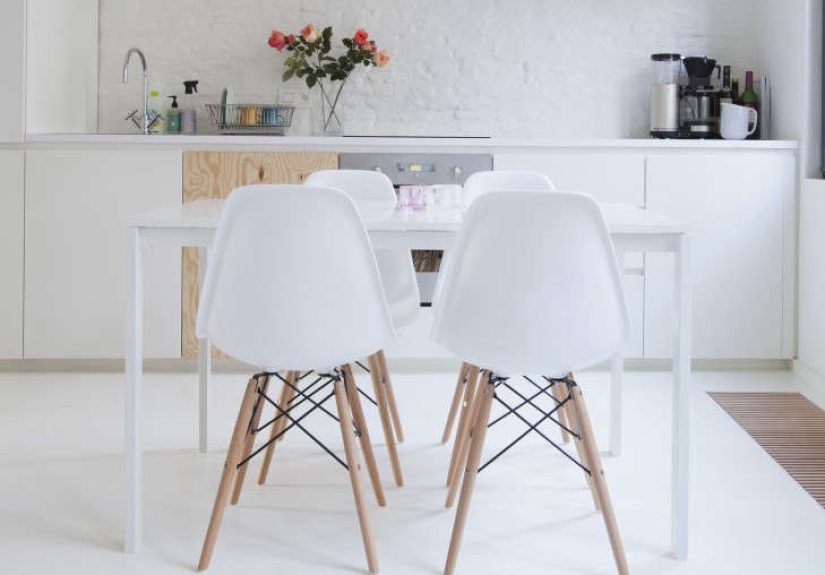
White, cream, greige, pale gray, dusty blue, olive, and warm black all work beautifully. Soft solids make a room feel larger and calmer. They also let rugs, furniture, and architectural details take center stage.
Checkerboard patterns
A classic for a reason. Painted checkerboard floors can make a plain room feel custom and playful without requiring luxury materials. They work especially well in kitchens, mudrooms, laundry rooms, and casual bedrooms.
Bordered floors
If you want something more polished, add a contrasting border around the perimeter. It gives the room structure and makes a basic floor look thoughtfully designed.
Stencil and faux tile looks
This approach can be dramatic and charming, especially in smaller rooms. Just know it requires patience, careful layout, and the emotional resilience to tape straight lines more than once.
What Painted Plywood Floors Are Really Like to Live With
Here is the honest truth: a painted plywood floor can look fantastic, but it is still a painted floor. It will acquire signs of life. That does not mean it has failed. It means it exists in a home occupied by humans, furniture, gravity, and maybe one reckless dog.
Scuffs happen. Chairs drag. High-traffic paths soften first. Dirt is far less romantic than grain pattern, so a routine with a microfiber mop or soft vacuum matters. Grit is the enemy because it acts like sandpaper underfoot. Clean gently, wipe spills quickly, and keep a small amount of leftover paint for future touch-ups.
The upside is that maintenance is refreshingly low-drama. When wear appears, you often do not need a full replacement. You touch up, recoat, or refresh sections as needed. Try that with some expensive flooring systems without muttering darkly into your toolbox.
Common Mistakes That Ruin Painted Plywood Floors
- Skipping sanding because the floor “looks fine.”
- Painting over dust, oil, wax, or mystery grime from the previous century.
- Using regular wall paint instead of a floor-rated coating.
- Ignoring loose panels and squeaks.
- Applying paint too thickly.
- Moving furniture back in before the finish has cured.
- Choosing glossy paint when the floor surface is far from perfect.
- Expecting painted plywood to behave exactly like hardwood with a factory finish.
So, Is Painted Plywood the Best Budget Wood Floor?
For the right project, yes. Absolutely. Painted plywood is one of the best budget wood floor ideas because it maximizes what you already have, keeps costs under control, and leaves lots of room for creativity. It is not the best choice for every house or every homeowner. But if you want warmth, flexibility, and a finish that feels thoughtful instead of temporary, it punches far above its price tag.
It is the kind of remodeling decision that rewards realism. Start with a stable floor. Prep obsessively. Use the right primer and floor paint. Let it cure. Accept a little character. Then enjoy the fact that while everyone else is comparison-shopping premium planks, you turned plywood into something cool, useful, and weirdly elegant.
That is budget remodeling at its best: not pretending to be expensive, but proving it does not need to be.
Experience Section: What People Learn After Actually Living With Painted Plywood Floors
The most interesting thing about painted plywood floors is that nearly everyone approaches them with mild skepticism and ends up with strong opinions. At first, the idea sounds too simple. Paint the plywood? That is the plan? Surely there is a hidden catch involving regret, peeling edges, and a late-night online order for emergency flooring. But many homeowners and DIY remodelers discover that once the prep is done properly, the floor stops feeling like a compromise and starts feeling like a style choice.
One of the most common experiences is surprise at how much brighter a room feels. A dark, rough subfloor can make even a decent space feel unfinished and gloomy. After primer and paint, the same room suddenly looks intentional. Light colors bounce sunlight around. Mid-tone shades hide dust better than expected. Deep colors create drama that seems wildly unfair for something that began as plywood and a budget plan.
Another lesson people learn quickly is that durability depends less on optimism and more on preparation. Floors that were cleaned, patched, sanded, and allowed to cure properly usually hold up far better than floors painted in a weekend panic. The difference can be dramatic. A carefully prepped painted plywood floor often ages with scuffs and personality. A rushed one ages like a banana in a hot car.
People also discover that painted plywood changes how they think about “perfect” floors. Traditional flooring marketing has trained us to expect flawless surfaces that resist all human behavior. Painted plywood is more relaxed than that. It often develops a patina. Small scratches blend into the overall look. Repainting a high-traffic lane after a couple of years can be easier and cheaper than deep-cleaning or replacing more expensive materials. There is freedom in knowing your floor is allowed to live a little.
Families with kids often report that painted plywood works best when they stop trying to baby it. Rugs in heavy-use spots help. Felt pads under furniture help more. Having leftover paint for touch-ups feels strangely empowering. Instead of panicking over every mark, they treat the floor like a practical surface that can be refreshed. That mindset makes the whole house feel less precious and more functional.
Design-wise, many people say guests assume the floor is custom. That is the secret win. Checkerboard patterns, borders, soft matte solids, and visible wood character can make a room feel layered and charming. The floor starts conversations. It has personality. It does not look pulled from the same aisle as every other renovation reveal on the internet.
And maybe the best experience of all is emotional, not technical. A painted plywood floor often gives homeowners a sense of momentum. It turns an unfinished room into a usable room. It proves that progress does not have to wait for a giant budget. It reminds people that thoughtful design is often more about creativity and nerve than raw spending power. In other words, painted plywood succeeds not just because it saves money, but because it lets a house move forward now instead of someday.