Table of Contents >> Show >> Hide
- Why Marine Animal Bites or Stings Matter
- Common Marine Creatures That Cause Trouble
- Symptoms: What Is Normal, and What Is Not
- Immediate Treatment: What to Do First
- What Not to Do
- When Medical Care Is Necessary
- Prevention: The Best Treatment Is Not Needing Treatment
- Longer-Term Recovery and Follow-Up
- Real-World Experiences: What These Injuries Often Feel Like
- Conclusion
A perfect beach day has a way of making people feel invincible. The sun is shining, the water looks friendly, and someone in your group has already declared, “Nothing bad ever happens on vacation.” That, of course, is usually the exact moment a jellyfish, stingray, sea urchin, or other unhappy sea creature decides to file a formal complaint.
Marine animal bites and stings are more common than many swimmers, snorkelers, divers, and anglers realize. Most are painful but manageable with prompt first aid. Some, however, can lead to serious allergic reactions, puncture wounds, infection, tissue damage, or dangerous whole-body symptoms. The good news is that a little knowledge goes a long way. Knowing what might sting you, how to avoid it, and what to do in the first few minutes can turn a beach disaster into an annoying story instead of a medical emergency.
This guide covers the real risks of marine animal bites or stings, practical prevention strategies, and treatments that make sense in the real world. No beach myths. No macho advice. And definitely no recommendation to pee on anything.
Why Marine Animal Bites or Stings Matter
People often treat marine injuries like they are all the same. They are not. A jellyfish sting is different from stepping on a stingray. A sea urchin puncture is not the same as a coral scrape. A shark bite is an emergency for obvious reasons, but even a “small” wound from a fish spine or reef cut can become a problem if bacteria get involved.
The main risks usually fall into five categories: pain, venom effects, allergic reactions, retained foreign material, and infection. Some injuries are mostly surface-level and improve with first aid. Others can leave spines, barbs, or tiny fragments in the skin. Saltwater exposure also adds another complication: certain marine bacteria can infect wounds quickly, especially in people with diabetes, liver disease, immune system problems, or open cuts that meet coastal water.
That is why marine injury treatment is not just about making the pain stop. It is about cleaning the wound, reducing venom exposure, protecting the skin, and knowing when the situation has moved from “ouch” to “go now.”
Common Marine Creatures That Cause Trouble
Jellyfish and Portuguese Man-of-War
These are the headliners of beach misery. Their tentacles carry stinging cells that can inject venom into the skin. Symptoms often include immediate burning pain, red or raised welts, itching, and sometimes more widespread symptoms such as nausea, muscle cramps, dizziness, or breathing trouble. Not every sting is severe, but some species can cause very strong reactions.
Stingrays
Stingrays usually sting when someone steps on or startles them in shallow water. Their tail spine can puncture skin and cause intense pain. The wound may look smaller than it feels, which is rude but on-brand for stingrays. Because the injury is both a puncture and a venom exposure, it deserves careful attention.
Sea Urchins
Sea urchins are basically underwater reminders to watch where you put your feet and hands. Their spines can break off in the skin, making removal tricky. Pain, redness, swelling, and tenderness are common. Retained fragments can prolong inflammation and increase the chance of infection.
Spiny Fish, Lionfish, Catfish, and Similar Species
Certain fish defend themselves with venomous spines. Anglers, waders, tide-pool explorers, and divers are more likely to run into these injuries than casual swimmers. The pain can be severe and fast, and swelling may follow quickly.
Coral and Reef Cuts
Coral is not out there hunting people, but it absolutely wins medals for accidental injury. Coral scrapes and reef cuts may seem minor at first, yet they can leave tiny debris in the wound and are notorious for becoming inflamed or infected if neglected.
Moray Eels, Barracuda, Sharks, and Other Biting Animals
Actual bites are less common than stings and punctures, but when they happen, the priorities are straightforward: bleeding control, wound care, and immediate medical evaluation. Even bites that seem limited can damage deeper structures or become infected.
Symptoms: What Is Normal, and What Is Not
Many minor marine stings cause sharp pain, redness, swelling, itching, or a rash-like mark where the skin was injured. That alone can be unpleasant without being dangerous. A person may also feel anxious, which is understandable when the ocean just slapped them with a biology lesson.
Symptoms that deserve more concern include:
- Severe or worsening pain
- Large swelling or rapid spread of redness
- Persistent bleeding
- Numbness, weakness, or muscle spasms
- Nausea or repeated vomiting
- Dizziness, fainting, or confusion
- Chest pain or trouble breathing
- Hives away from the injury site
- Blue, dark, or unusually pale skin around the wound
- Signs of infection over the next hours or days, such as warmth, pus, fever, or increasing tenderness
Children, older adults, people with allergies, and anyone with chronic illness may be more vulnerable to complications. A sting that covers a large area of skin also deserves more caution than a tiny, isolated injury.
Immediate Treatment: What to Do First
The first few minutes matter. Here is the practical playbook.
1. Get Out of the Water Safely
If the person is in pain, panicking, or feeling weak, help them out of the water first. Even a mild sting can become dangerous if it leads to drowning.
2. Identify the Type of Injury If You Can
You do not need to become a marine biologist on the beach, but it helps to know whether you are dealing with a tentacle sting, a puncture wound, or a laceration. Local lifeguards are often the best reality check because they know which creatures are common in that area.
3. Rinse Smart, Not Randomly
With jellyfish stings, avoid guessing. Fresh water is not always a good idea because it can trigger remaining stinging cells in some cases. Vinegar may help with some species, especially certain tropical jellyfish, but it can worsen stings from some North American species. That is why local protocols matter. When in doubt, follow lifeguard or emergency guidance for the beach you are on instead of advice from your cousin who once watched half a survival show.
For puncture wounds and cuts from stingrays, sea urchins, spiny fish, or coral, gentle flushing can help remove surface debris. Do not aggressively dig into the wound on the beach.
4. Remove What Is Clearly Visible
If tentacles are still attached after a jellyfish sting, remove them carefully with tweezers, gloves, or another barrier if available. For superficial visible sea urchin spines or debris, do not go treasure hunting in deep tissue. Deeply embedded material should be handled by a clinician.
5. Use Hot Water for Many Marine Stings
Hot-water immersion is one of the most useful first-aid tools for many marine envenomations, including many jellyfish stings and injuries from stingrays, sea urchins, and venomous fish spines. The water should be hot but not scalding, often around 110 to 113 degrees Fahrenheit if that can be measured. If you cannot measure it, think “very warm bath,” not “lobster pot.” Soak the area for about 20 to 45 minutes, or according to medical guidance, as long as it reduces pain and does not burn the skin.
6. Control Bleeding and Protect the Wound
For bites or deeper cuts, apply direct pressure with a clean cloth or dressing. Once bleeding is controlled, cover the wound lightly and get medical care. Large lacerations, facial injuries, punctures near joints, and anything with heavy bleeding should not be managed at home.
7. Watch for Allergic Reaction or Systemic Symptoms
If the person develops trouble breathing, chest tightness, fainting, widespread hives, confusion, or severe swelling, call emergency services immediately. In the United States, Poison Help is also available at 1-800-222-1222 for exposure guidance, but collapse or breathing trouble is a 911 situation.
What Not to Do
Bad first aid is surprisingly popular. Skip these classics:
- Do not urinate on a jellyfish sting.
- Do not rub the area aggressively.
- Do not pour random alcohols, chemicals, or mystery lotions on the wound.
- Do not use extremely hot water that can burn the skin.
- Do not dig deep into puncture wounds with dirty tools.
- Do not ignore increasing redness, fever, pus, or worsening pain over the next day or two.
When Medical Care Is Necessary
Home treatment is reasonable for many minor stings, but professional care is the better choice when there is any doubt. Seek urgent care or emergency treatment if:
- The pain is severe or does not improve
- The wound is deep, large, or keeps bleeding
- A barb, spine, or foreign body may still be inside
- The injury affects the face, eyes, hands, feet, or genitals
- The person has trouble breathing, chest pain, dizziness, or vomiting
- The person has diabetes, liver disease, poor circulation, or immune suppression
- The wound was exposed to coastal water and now looks infected
- Tetanus vaccination may not be up to date
Marine wound infection is a real concern. Saltwater bacteria, including Vibrio species, can cause rapidly worsening infections in some people. A wound that becomes more swollen, warmer, redder, or more painful instead of better is not being dramatic. It is asking for medical attention.
Prevention: The Best Treatment Is Not Needing Treatment
Prevention is not glamorous, but neither is limping back to the hotel with your foot in a mixing bowl of hot water.
Check Local Beach Conditions
Read posted warnings. Ask lifeguards about jellyfish, stingrays, rip currents, and recent marine hazards. Beach conditions can change quickly.
Do the Stingray Shuffle
In shallow coastal water, shuffle your feet instead of stepping down hard. This gives stingrays a chance to move away before your heel introduces itself.
Wear Protection
Water shoes, dive boots, gloves for reef work, and protective clothing can lower the risk of punctures and cuts. Snorkelers and divers should avoid touching marine life, coral, and rocky crevices.
Look, Do Not Touch
This rule should be printed on every beach towel in America. Even animals that appear dead or washed ashore can still sting. Tentacles separated from a jellyfish are not harmless souvenirs.
Protect Open Wounds
If you already have cuts, scrapes, recent tattoos, piercings, or healing surgical wounds, think carefully before getting into saltwater or brackish water. Waterproof coverage helps, but some people should avoid exposure altogether until the skin is healed.
Pack a Smarter Beach Kit
A good marine first-aid setup may include tweezers, gloves, clean dressings, a thermometer if possible, pain reliever, and a way to make or access hot water safely. Add common sense and you are ahead of the game.
Longer-Term Recovery and Follow-Up
Most minor marine stings improve within days, though itching or discoloration can linger. Puncture wounds and coral cuts may take longer, especially if fragments remain or the area gets irritated from walking, swimming, or wearing tight shoes.
Follow-up matters when a wound stays tender, develops nodules, drains fluid, or remains swollen. Some retained spines and reef debris need removal by a professional. Tetanus status should be reviewed after puncture wounds. And if a clinician prescribes antibiotics because the wound is infected or high risk, take them exactly as directed.
Real-World Experiences: What These Injuries Often Feel Like
People who have had a marine sting or bite tend to remember the experience in vivid detail, partly because it hurts and partly because it usually begins with the sentence, “I was just standing there.” One of the most common stories comes from shallow-water beachgoers who never saw the stingray at all. They step down, feel a sudden bolt of pain in the foot or ankle, and immediately know this is not a regular scrape. The pain can feel out of proportion to the size of the wound, which is exactly why stingray injuries catch people off guard. Many describe the hot-water soak afterward as the first moment they felt truly relieved.
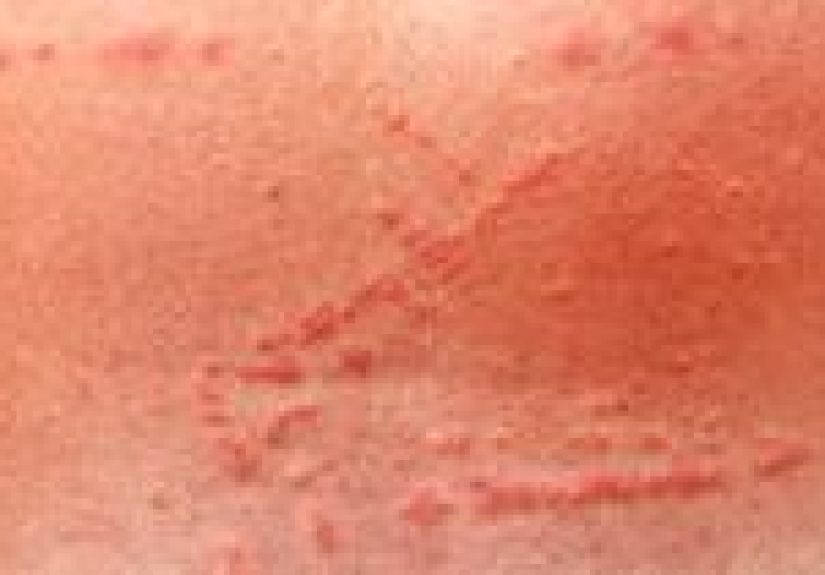
Jellyfish experiences are different but equally memorable. Swimmers often describe the sting as a sudden whip-like burn, followed by angry lines on the skin that look almost like a rash drawn with a red marker. The first emotional reaction is often confusion. Was that seaweed? Fishing line? Bad luck in noodle form? Then the stinging keeps going, and the answer becomes obvious. People who get prompt help from a lifeguard often do much better than those who try five random remedies from the internet and accidentally turn a manageable sting into a longer, itchier episode.
Sea urchin injuries have their own reputation. Divers and tide-pool explorers often say the moment is less dramatic but more frustrating. You step wrong, grab the wrong rock, or steady yourself where you should not, and suddenly tiny spines are embedded in your skin like nature’s version of a hardware store accident. The pain may be sharp at first and then settle into a deep soreness. What makes it stressful is not just the sting itself but the question of whether anything is still inside the wound.
Coral cuts are classic examples of injuries people underestimate. Many travelers rinse them quickly, shrug, and go back to vacation mode, only to notice the next day that the area is more swollen, red, and tender than expected. That is one reason experienced divers respect even “small” reef scrapes. The ocean is beautiful, but it is not sterile, and tiny bits of debris can turn a minor cut into a nagging problem.
What these experiences have in common is not just pain. It is surprise. Most people do not expect a harmless-looking beach activity to come with a first-aid lesson. But those same people often say the second experience goes much better than the first, because they know what to do. They ask local lifeguards about conditions. They wear footwear in rocky or shallow areas. They shuffle their feet. They do not touch marine life just because it looks interesting. And when something does happen, they respond faster, smarter, and with far less beachside improvisation. In other words, experience may not make anyone love sea stings, but it does make them much harder to ambush you twice.
Conclusion
Marine animal bites or stings are one of those outdoor risks that feel random until you understand them. Then they become far more manageable. The big lessons are simple: respect the water, do not touch marine life, protect your skin, use the right first aid, and do not ignore worsening symptoms. Most injuries are treatable. Some require urgent medical attention. The difference often comes down to preparation and speed.
If you spend time at the beach, on a boat, or in the water, think of this as part of your safety toolkit. Sunscreen protects future you. Good first aid protects present you. Both deserve a spot in the bag.