Table of Contents >> Show >> Hide
- Why Homemade Asian-Style Dumplings Are Worth the Effort
- The Master Dough: Simple, Stretchy, and Friendly Enough for Beginners
- The Secret to Juicy Dumpling Filling
- How to Fill and Seal Dumplings Without Losing Your Mind
- Learn How to Make Dumplings Asian-Style from Scratch 4 Ways
- Dumpling Filling Variations You Should Absolutely Try
- Common Dumpling Mistakes and How to Avoid Them
- How to Freeze Homemade Dumplings
- Serving Ideas for Homemade Asian-Style Dumplings
- The Best Part: The Experience of Making Dumplings From Scratch
- Conclusion
If you have ever eaten a really great dumpling, you already know the truth: it is not just food. It is a tiny, pleated miracle. A good dumpling is chewy but tender, juicy but not soggy, crisp where it should be crisp, and somehow gone from the plate faster than common sense would recommend. The good news is that making Asian-style dumplings from scratch at home is absolutely doable. The even better news? Once you learn one basic dough and a few filling rules, you can spin that know-how into four totally different dumpling experiences.
In this guide, you will learn how to make homemade dumplings the smart way, not the chaotic “why is there pork on the ceiling?” way. We will cover the dough, the filling, folding tips, and four delicious styles: boiled jiaozi, crispy potstickers, steamed dumplings, and wontons in broth. Consider this your passport to a deeply satisfying kitchen hobby that also happens to end in dinner.
Why Homemade Asian-Style Dumplings Are Worth the Effort
Yes, store-bought dumplings exist. They are convenient, and we salute them on busy nights. But homemade dumplings deliver something a freezer bag simply cannot: control. You choose the thickness of the wrapper, the salt level, the texture of the filling, the amount of ginger, the presence or absence of mushrooms, and whether your dipping sauce leans bright, savory, spicy, or all three.
Making dumplings from scratch also lets you build real flavor. Fresh ginger tastes livelier. Fresh scallions smell brighter. Homemade dough gives you that springy, pleasantly chewy bite that makes dumplings feel special. And once you get the rhythm down, the process becomes weirdly relaxing. Roll, fill, pleat, repeat. It is kitchen therapy with soy sauce.
The Master Dough: Simple, Stretchy, and Friendly Enough for Beginners
The easiest gateway into homemade dumpling wrappers is a hot-water dough. Hot water helps make the dough more pliable, which means it rolls out more easily and fights you less. That is exactly what you want when you are trying to make neat little wrappers instead of abstract flour sculptures.
Basic Dumpling Dough
- 3 cups all-purpose flour
- 3/4 teaspoon fine salt
- 1 cup hot or just-boiled water
Mix the flour and salt in a large bowl. Pour in the hot water while stirring with chopsticks, a fork, or a wooden spoon. Once shaggy clumps form, knead the dough until it comes together. It will look a little rough at first. Keep going. After about 8 to 10 minutes, it should become smooth and firm but not dry. Cover and let it rest for at least 30 minutes.
That rest is not optional unless you enjoy wrestling dough. Resting relaxes the structure and makes rolling much easier. After the dough rests, divide it in half, roll each half into a rope, cut into small pieces, and roll each piece into a thin round wrapper about 3 1/2 inches wide. Keep the wrappers covered so they do not dry out.
The Secret to Juicy Dumpling Filling
If the dough is the outfit, the filling is the personality. Great dumpling filling should be moist, savory, and cohesive. It should not be watery, loose, or chunky in a way that tears the wrapper. The ideal filling mixture clings together when stirred and feels slightly sticky.
Classic Pork and Cabbage Filling
- 1 pound ground pork
- 1 1/2 cups finely chopped napa cabbage
- 1 teaspoon salt, divided
- 3 scallions, finely sliced
- 1 tablespoon grated fresh ginger
- 2 cloves garlic, minced
- 2 tablespoons soy sauce
- 1 tablespoon Shaoxing wine or dry sherry
- 2 teaspoons toasted sesame oil
- 1 teaspoon sugar
- 1 tablespoon cornstarch
- White pepper to taste
Toss the cabbage with about 1/2 teaspoon salt and let it sit for 10 to 15 minutes. Then squeeze out as much moisture as possible. This step matters. Watery cabbage can make the filling loose, create air pockets, and encourage the wrappers to burst while cooking. Mix the drained cabbage with the pork, remaining salt, scallions, ginger, garlic, soy sauce, wine, sesame oil, sugar, cornstarch, and white pepper until well combined.
Here is a smart trick: cook a teaspoon of the filling in a skillet and taste it before you wrap 40 dumplings with blind faith. Adjust seasoning, then proceed like the capable dumpling genius you are.
How to Fill and Seal Dumplings Without Losing Your Mind
Place a wrapper in your hand or on a lightly floured surface. Add about 1 tablespoon filling to the center. Do not overfill. That is how dumplings become drama. Dip a finger in water and lightly moisten the edge. Fold the wrapper over into a half-moon and press the center shut first. Then seal from the middle outward, pressing out as much air as possible. Air pockets are the enemy; they can make dumplings split in boiling water or puff awkwardly when steamed.
If you are new to pleating, do not panic. A plain sealed half-moon tastes just as good as a twelve-pleat masterpiece. Your first batch does not need to look like it graduated from dumpling finishing school.
Learn How to Make Dumplings Asian-Style from Scratch 4 Ways
1. Boiled Jiaozi: Tender, Juicy, and Comforting
Boiled dumplings are the classic weeknight soul-soothers of the dumpling world. They are silky, soft, and especially good with pork and cabbage filling.
Bring a large pot of water to a boil. Drop in the dumplings in batches, giving them room to move. Stir gently so they do not stick to the bottom. When they float, continue cooking for another 2 to 3 minutes, until the wrappers look slightly translucent and the filling is cooked through.
Serve them with a simple dipping sauce made from soy sauce, black vinegar or rice vinegar, sesame oil, and a little chili crisp. The texture here is all about contrast: slippery wrapper, juicy center, sharp dip. This is the dumpling version of wearing cashmere socks and then being handed a trophy.
2. Pan-Fried Potstickers: Crispy Bottom, Tender Top, Maximum Popularity
If boiled dumplings are cozy, potstickers are show-offs. They give you that gorgeous golden underside while keeping the tops soft and steamed. It is the best of both worlds, which is why potstickers disappear at parties faster than your “Please leave some for others” energy.
Heat a tablespoon or two of neutral oil in a nonstick skillet over medium heat. Arrange the dumplings flat-side down in one layer. Cook until the bottoms turn pale gold, about 2 to 3 minutes. Add 1/4 to 1/3 cup water, cover immediately, and let the dumplings steam until the water evaporates and the filling is cooked, usually 4 to 6 minutes. Uncover and let the bottoms crisp again for another minute or two.
This method is ideal for chicken-ginger, pork-scallion, or shrimp-and-chive fillings. If you want a little more swagger, scatter sesame seeds or spoon chile crisp over the finished dumplings right before serving.
3. Steamed Dumplings: Soft, Delicate, and Great for Shrimp or Veggie Fillings
Steaming is the method for dumplings that you want to stay tender and elegant. It is also a smart choice if you are working with shrimp, tofu, mushrooms, or a lighter filling that would be overshadowed by a fried crust.
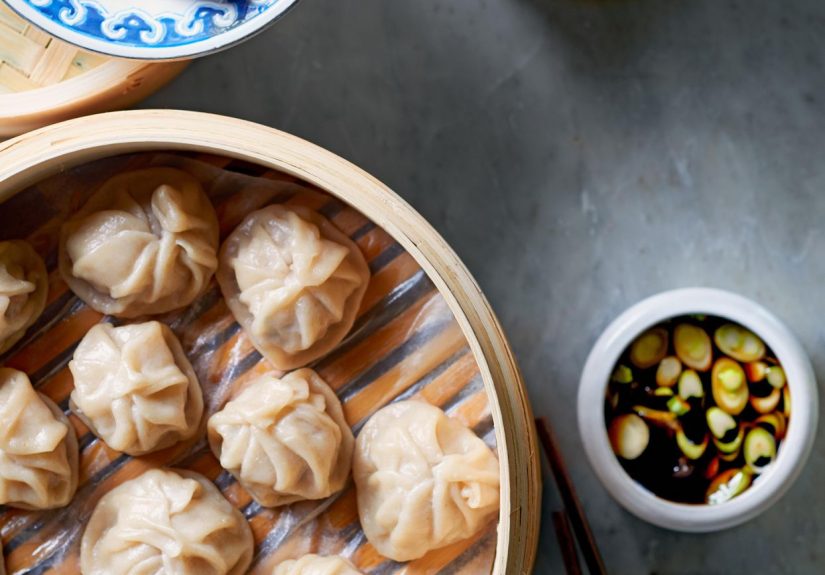
Line a bamboo steamer or metal steamer basket with parchment squares or lightly oiled cabbage leaves. Arrange the dumplings in a single layer so they do not touch. Set over simmering water and steam for about 6 minutes for small fresh dumplings, or slightly longer if they are larger or well stuffed.
A shrimp-and-chive filling shines here. Try mixing finely chopped shrimp with chives, ginger, sesame oil, soy sauce, a little cornstarch, and white pepper. The result is springy, fragrant, and just fancy enough to make everyone think you know what you are doing at a restaurant level.
4. Wontons in Broth or Chili Sauce: Fast, Cozy, and Ridiculously Good
Wontons are the slightly more casual cousins in the dumpling family, and they are perfect if you want a dumpling night that leans soupy and slurp-friendly. Use the same basic dough, but roll it thinner and cut it into squares. Fill each square with a small spoonful of pork-shrimp filling or even chicken and mushroom filling, then fold into triangles or little purse shapes.
Boil wontons for about 3 to 4 minutes, until cooked through. You can serve them in hot broth with scallions, sesame oil, and bok choy, or toss them in a spicy chili-vinegar sauce for a Sichuan-inspired moment.
If your goal is “restaurant comfort without leaving the house,” this is the move. It feels like effort, but it eats like a reward.
Dumpling Filling Variations You Should Absolutely Try
- Chicken and ginger: lighter than pork, but still juicy when mixed with scallions and sesame oil
- Shrimp and chive: fresh, slightly sweet, and excellent for steaming
- Tofu and mushroom: a great vegetarian option with lots of umami
- Pork and kimchi: bold, tangy, and a little rebellious in the best way
Whatever filling you choose, chop ingredients finely and mix until cohesive. Dumplings are not meatballs in tiny coats. They need a smoother texture so the filling cooks evenly and stays tucked inside the wrapper.
Common Dumpling Mistakes and How to Avoid Them
Using filling that is too wet
Watery vegetables are sneaky. Salt cabbage, drain tofu well, and squeeze out excess liquid. This keeps the dumplings juicy instead of soggy.
Overstuffing the wrappers
More filling is not always better. Too much filling makes sealing harder and bursting more likely. Aim for neat, confident restraint.
Letting the wrappers dry out
Fresh wrappers dry quickly. Keep them under a towel or plastic wrap while you work. Dry wrappers crack, and cracked wrappers lead to leaking.
Skipping the air-pocket check
After sealing, gently press around the filling to push out trapped air. A tight seal helps protect the dumpling during boiling and steaming.
Ignoring food safety
Do not taste raw dough or raw filling. Raw flour and raw meat both come with risks. Cook ground pork to 160 degrees F and ground poultry to 165 degrees F if you check with a thermometer. In practice, dumpling filling should be fully opaque, firm, and cooked through before serving.
How to Freeze Homemade Dumplings
Dumplings freeze beautifully, which is wonderful news for future-you. Arrange uncooked dumplings in a single layer on a parchment-lined tray and freeze until solid. Then transfer them to a freezer bag or airtight container. Cook them straight from frozen. Just add a few extra minutes to the cooking time.
This is one of the best reasons to spend an afternoon making a big batch. You do the work once, then you get emergency dumplings later. That is not just meal prep. That is emotional preparedness.
Serving Ideas for Homemade Asian-Style Dumplings
Homemade dumplings can be a snack, appetizer, or full meal depending on your ambition level and how many you accidentally eat while standing at the stove. Serve them with cucumber salad, sautéed greens, steamed rice, or a bowl of miso soup. Keep a few dipping sauces on the table so people can mix and match.
- Soy sauce + black vinegar + sesame oil
- Soy sauce + rice vinegar + grated ginger
- Chili crisp + soy sauce + a tiny splash of sugar
- Ponzu + scallions + toasted sesame seeds
The Best Part: The Experience of Making Dumplings From Scratch
There is something quietly wonderful about making dumplings from scratch that goes far beyond dinner. You start with flour and water, which does not look promising at first. Then the dough comes together under your hands, smooths out, and suddenly feels alive in that very specific baker-cook way. It is one of those kitchen moments that reminds you food is not only about eating. It is also about making, learning, laughing, adjusting, and occasionally muttering, “Well, that one is rustic.”
The first time I made homemade dumplings, I expected them to be fussy and impossible. Instead, they were just gloriously repetitive. Roll. Fill. Fold. Pleat. Repeat. Once the rhythm clicks, the process feels less like cooking and more like joining a tradition. You understand why dumpling-making is often a group activity. It gives everyone something to do, but not in an annoying, overly organized team-building way. One person rolls wrappers, another mixes filling, someone else seals them with a confidence that seems suspiciously inherited.
And then there is the comedy. Not every dumpling comes out looking elegant. Some look proud and plump. Some look like they have seen things. Some lean. Some bulge. A few resemble tiny sleeping pillows. Yet once they are cooked, dipped in sauce, and eaten hot, nobody cares. That is one of the great lessons of dumpling night: deliciousness is far more forgiving than perfection.
The smells alone make the experience memorable. Ginger wakes up the kitchen. Sesame oil drifts through the air. Scallions, garlic, and soy sauce create that unmistakable promise that something deeply savory is on the way. When potstickers hit the pan and start sizzling, the anticipation becomes almost unreasonable. You stand there listening to them crisp, pretending you are checking technique, when really you are waiting for permission to eat one immediately.
Homemade dumplings also have a way of turning a meal into an event. Nobody casually remembers the night you heated up plain toast. People do remember the evening there were steaming baskets on the table, little bowls of dipping sauce everywhere, and a tray of uncooked dumplings still waiting in the kitchen like the sequel everybody wanted. Dumplings invite conversation. Which sauce is best? Who made the prettiest fold? Why are the mushroom ones disappearing first? Why did someone make “just one more batch” and now there are sixty?
There is also a practical joy to it. Once you know how to make dumpling dough and filling, you stop seeing dumplings as a rare restaurant treat and start seeing them as a flexible cooking skill. Leftover napa cabbage? Dumplings. Extra ground chicken? Dumplings. Mushrooms that need a purpose? Oh, look, destiny. The technique becomes part of your kitchen vocabulary.
Most of all, making Asian-style dumplings from scratch teaches patience in a pleasantly edible form. You cannot rush the dough rest. You cannot skip the sealing. You cannot bully a dumpling into elegance with sheer optimism. But if you give the process a little care, it gives you an enormous reward: a plate of handmade dumplings that feel generous, comforting, and honestly a little triumphant.
So yes, learn the folds. Practice the pleats. Try all four cooking methods. Freeze a batch for later. Invite people over. Or do not invite anyone and keep them all for yourself, which is also a valid path. Either way, once you learn how to make dumplings Asian-style from scratch, you are not just making dinner. You are building a tiny, delicious ritual worth repeating.
Conclusion
Learning how to make dumplings from scratch is one of the most useful and satisfying skills a home cook can pick up. With one simple dough, a well-balanced filling, and four easy methods, you can create boiled dumplings, potstickers, steamed dumplings, and wontons whenever the craving hits. Start with the classic pork and cabbage version, then branch out into shrimp, chicken, or vegetable fillings as your confidence grows. Before long, homemade Asian-style dumplings will stop feeling like a project and start feeling like a delicious habit.