Table of Contents >> Show >> Hide
- What Does “TMJ” Actually Mean?
- What Are Wisdom Teeth, and Why Do They Cause Trouble?
- So, Is There a Link Between TMJ and Wisdom Teeth?
- How Wisdom Teeth Can Mimic or Aggravate TMJ Symptoms
- Can Wisdom Tooth Removal Cause TMJ Problems?
- How Dentists Tell the Difference
- What Treatment Looks Like If Both Are Suspected
- When Jaw Pain Is a Bigger Deal Than “I’ll Wait It Out”
- Real-World Experiences: What People Commonly Go Through
- Final Takeaway
- SEO Tags
If your jaw clicks like a tiny castanet every time you chew, and the back of your mouth feels like it is staging a rebellion, you are not alone. Plenty of people wonder whether their TMJ symptoms and wisdom teeth pain are connected. It is a fair question, mostly because both issues can show up in the same neighborhood, throw similar symptoms, and make eating feel weirdly dramatic.
Here is the honest answer: yes, there can be a link between TMJ and wisdom teeth, but it is usually not a simple one-to-one cause. In many cases, impacted or irritated wisdom teeth can trigger pain, swelling, muscle tension, and limited jaw opening that mimic a temporomandibular disorder. In other situations, jaw strain from wisdom tooth removal may temporarily aggravate TMJ symptoms. But that does not mean wisdom teeth are the root cause of every popping, aching, or locking jaw.
To understand the relationship, it helps to know what each condition actually is, where the symptoms overlap, and how dentists and oral surgeons tell the difference. Spoiler: your jaw is complicated. Very impressive. Also occasionally annoying.
What Does “TMJ” Actually Mean?
People often say “I have TMJ,” but that is not technically precise. TMJ stands for the temporomandibular joint, the joint on each side of your jaw that helps you talk, chew, yawn, and generally live your life without manually opening your mouth with your hands. The condition most people mean is TMD, or temporomandibular disorder.
TMD is an umbrella term for problems involving the jaw joints, surrounding muscles, and related tissues. It may include muscle pain, joint inflammation, disc displacement, tension from clenching, arthritis, or a combination of those issues. In plain English, TMD is less “one disease” and more “a messy family of jaw problems.”
Common TMJ/TMD Symptoms
TMD symptoms can vary a lot, but the usual suspects include:
- Jaw pain or soreness
- Clicking, popping, or grinding sounds
- Difficulty chewing
- Headaches
- Ear pain or ringing
- Neck and facial pain
- Jaw stiffness or locking
- Limited ability to open the mouth wide
Some people wake up with soreness because they clench or grind their teeth at night. Others notice pain after stress, gum chewing, poor posture, arthritis, or jaw injury. That wide range is exactly why TMJ symptoms can be easy to confuse with dental pain from wisdom teeth.
What Are Wisdom Teeth, and Why Do They Cause Trouble?
Wisdom teeth are the third molars at the very back of the mouth. They usually appear between the late teens and mid-20s. In a perfect world, they would quietly grow in, line up nicely, and mind their own business. In the real world, they often arrive late, find no parking, and create chaos.
Many wisdom teeth become impacted, meaning they do not fully erupt or come in at the wrong angle. Some stay trapped under the gum or in the jawbone. Others partially erupt, leaving a small opening where bacteria can sneak in and cause inflammation or infection.
Common Wisdom Teeth Symptoms
- Pain at the back of the mouth
- Swollen or tender gums
- Bad breath or a bad taste
- Jaw pain or facial swelling
- Difficulty opening the mouth
- Pressure against nearby teeth
- Infection around a partially erupted tooth
That last part matters. When wisdom teeth become inflamed or infected, the pain may not stay politely in one tiny spot. It can spread into the jaw, cheek, ear area, and chewing muscles. And suddenly the whole situation starts looking suspiciously like TMD.
So, Is There a Link Between TMJ and Wisdom Teeth?
Yes, but the link is usually indirect, overlapping, or aggravating rather than purely causal.
In other words, wisdom teeth do not automatically cause TMJ disorders. But they can absolutely contribute to jaw symptoms in several ways. Sometimes they create inflammation that feels like TMJ pain. Sometimes they trigger muscle guarding, where the jaw muscles tense up in response to pain. Sometimes they worsen an existing bite or clenching habit. And sometimes the process of removing difficult third molars can temporarily stress the jaw joint and surrounding muscles.
That is why the best answer is not “yes” or “no.” It is more like: they can be related, they can happen at the same time, and one can make the other feel worse.
How Wisdom Teeth Can Mimic or Aggravate TMJ Symptoms
1. Shared Pain Location
TMJ pain and wisdom tooth pain can both show up along the jawline, in front of the ear, around the cheek, or deep in the back of the mouth. Patients may say, “My jaw hurts when I chew,” without realizing whether the pain is coming from the joint, the muscles, the gum tissue, or an impacted molar.
2. Inflammation Can Tighten the Jaw Muscles
When a wisdom tooth is irritated, especially if there is pericoronitis or infection around a partially erupted tooth, the surrounding muscles may tense up. That tension can lead to soreness in the masseter and temporalis muscles, which are also heavily involved in TMD. Result: the body responds to one problem by accidentally auditioning for a second one.
3. Trouble Opening the Mouth
One of the clearest overlap symptoms is limited jaw opening. Impacted wisdom teeth can cause swelling and pain that make it hard to open wide. TMD can do the same thing because of joint irritation or muscle spasm. If opening your mouth feels like trying to unfold a rusty lawn chair, either issue could be involved.
4. Referred Pain
Dental pain does not always stay local. Wisdom teeth pain can radiate toward the ear, temple, or side of the face. TMJ pain can do that too. This is one reason self-diagnosis tends to go badly. Your jaw is not a great source of clean, organized clues.
5. Bite Changes and Guarding
If a wisdom tooth is pushing awkwardly, partially erupting, or contributing to inflammation, you may unconsciously chew differently, avoid one side, or clench more because of discomfort. That altered movement can overload the jaw muscles and joints, especially if you already grind your teeth or carry stress in your face.
Can Wisdom Tooth Removal Cause TMJ Problems?
This is the part that makes people nervous, so let’s keep it real. Wisdom tooth removal can sometimes be associated with temporary TMJ symptoms, but that does not mean extraction is a bad idea or that permanent TMJ damage is common.
During extraction, especially a difficult lower wisdom tooth removal, the mouth may need to stay open for a long time. The jaw muscles can get fatigued. The joint can feel strained. In some cases, people notice soreness, stiffness, clicking, or limited opening afterward. A few studies and reviews suggest third molar extraction may be associated with TMD signs or symptoms, especially when surgery is complex or the tooth is deeply impacted.
Still, the evidence is mixed. Some research suggests an association, while other literature points out that a direct cause-and-effect relationship is not well established. What matters most in real life is that post-extraction jaw soreness is often temporary, and it should be evaluated in context. If a patient already clenches, has preexisting TMD, or undergoes a difficult extraction, the joint may be more likely to complain afterward.
When Post-Extraction Jaw Symptoms Are More Likely
- Long procedures with prolonged mouth opening
- Deeply impacted lower wisdom teeth
- Preexisting clenching or bruxism
- Prior history of TMD
- Significant inflammation before surgery
- Stress-related muscle tension
The key point is this: removing a problematic wisdom tooth may ultimately reduce one source of jaw pain, even if the joint or muscles feel irritated for a short time during recovery.
How Dentists Tell the Difference
Because the symptoms overlap so much, diagnosis usually comes down to a careful history, exam, and imaging when needed. A dentist, oral surgeon, or other qualified clinician may ask:
- Is the pain in front of the ear or farther back near the molars?
- Does it worsen with chewing, yawning, or waking up in the morning?
- Is there swelling, gum redness, or a foul taste?
- Do you grind or clench your teeth?
- Do you hear clicking or feel locking?
- Can you fully open your mouth?
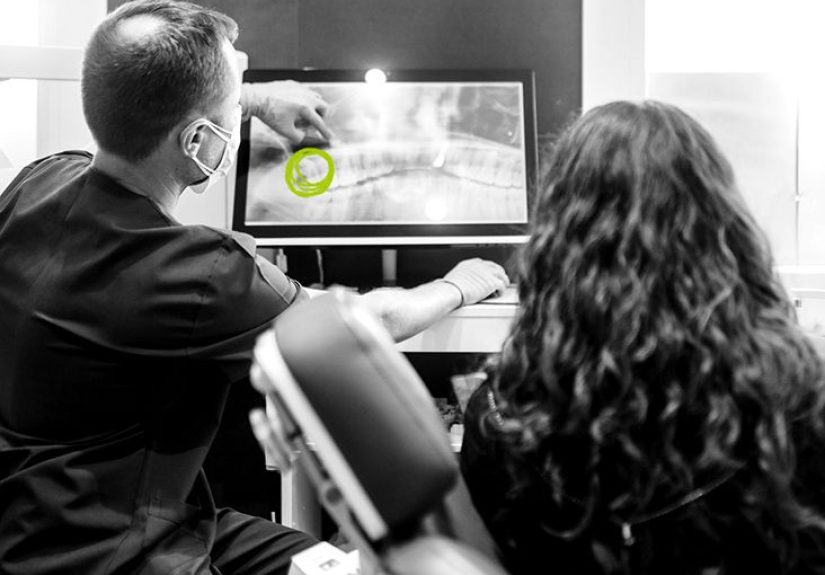
They may also examine jaw motion, press on the chewing muscles, check the gums around the wisdom teeth, and order a panoramic dental X-ray. If the diagnosis is unclear, other imaging such as CT or MRI may be used for the joint.
Signs the Problem May Be More About Wisdom Teeth
- Pain is strongest in the back of the mouth
- Gum swelling around a partially erupted molar
- Bad taste or bad breath
- Visible inflammation near the wisdom tooth
- Facial swelling or tenderness near the gumline
Signs the Problem May Be More About TMD
- Clicking or popping near the joint
- Pain in front of the ear
- Morning jaw soreness from clenching
- Headaches, neck pain, or ear symptoms
- Jaw locking or chronic muscle tenderness
Of course, the least convenient answer is also the most realistic: sometimes both are happening at once.
What Treatment Looks Like If Both Are Suspected
Treatment depends on the true source of pain. If the wisdom tooth is infected, partially erupted, damaging nearby teeth, or clearly causing inflammation, the dental issue usually needs to be addressed first. That may involve cleaning the area, treating infection, monitoring the tooth, or planning extraction.
If the symptoms point more toward TMD, first-line treatment is often conservative rather than aggressive. That may include:
- Soft foods for a short period
- Warm or cold compresses
- Over-the-counter anti-inflammatory medication if appropriate
- Jaw stretching or physical therapy guidance
- A night guard if clenching or grinding is involved
- Reducing habits like gum chewing, nail biting, or wide yawning
- Stress management and sleep support
Experts generally recommend avoiding irreversible “fixes” as the first move for TMD, such as permanently changing the bite without a clear indication. Conservative care is usually the smarter starting point.
When Jaw Pain Is a Bigger Deal Than “I’ll Wait It Out”
Do not try to heroically outlast jaw pain if you have any of these red flags:
- Fever or obvious infection
- Rapid facial swelling
- Trouble swallowing or breathing
- Severe difficulty opening the mouth
- Numbness
- Jaw pain after trauma
- Jaw pain with chest pain or pressure
Some causes of jaw pain are dental, some are joint-related, and some are medical emergencies. If the symptoms are intense or spreading, get evaluated promptly.
Real-World Experiences: What People Commonly Go Through
Many people first notice the problem in a vague, frustrating way. They do not walk into the bathroom, stare into the mirror, and announce, “Aha, today I have a complex interaction between third molar pathology and temporomandibular dysfunction.” Usually it starts with something much less glamorous, like soreness while chewing a sandwich, a weird pressure near the ear, or the feeling that opening wide to yawn is suddenly a bad idea.
One common experience is back-of-the-mouth pain that slowly turns into whole-jaw tension. A person may assume they are clenching too much or sleeping funny, when the real issue is a partially erupted wisdom tooth with inflamed gum tissue. They describe it as a dull ache that travels. It is not always sharp tooth pain. It can feel like the jaw muscles themselves are angry.
Another common story is the “clicking plus chewing pain” combo. Someone already has mild jaw clicking now and then, especially during stressful weeks. Then a wisdom tooth starts erupting sideways or the gum around it gets irritated. Suddenly chewing on one side becomes uncomfortable, the jaw feels tighter, and the clicking seems louder. In that case, the wisdom tooth may not have created TMD from scratch, but it may have poured gasoline on a smoldering fire.
Some people mainly notice limited opening. They try to eat a burger, laugh too hard, or sit through a dental appointment and realize their jaw does not want to cooperate. This can happen with both TMD and wisdom tooth inflammation, which is why diagnosis matters. Patients often say things like, “My jaw feels stuck,” or “It hurts more the wider I open.” That complaint should never be dismissed as just stress without looking at the back molars too.
Then there is the post-extraction experience. A lot of patients do well after wisdom tooth removal and feel better once the source of dental pain is gone. But some notice temporary joint soreness, stiffness, or fatigue in the days after surgery. They may worry that the procedure “caused TMJ forever,” when in reality the jaw joint and muscles are reacting to swelling, prolonged opening, and recovery. That does not mean the discomfort should be ignored, but it also does not automatically predict a long-term problem.
People with nighttime grinding often have the trickiest experience of all. They may already wake up with a sore jaw, then develop wisdom tooth pain that overlaps so perfectly with their usual symptoms that the two problems become hard to separate. These are the patients who benefit most from a thorough exam, because treating only the tooth or only the joint may leave half the problem behind.
The biggest takeaway from real-life experiences is this: jaw pain is rarely neat. It often arrives as a blend of muscle tension, tooth irritation, inflammation, stress, chewing changes, and delayed diagnosis. The good news is that once the true source is identified, people often improve more quickly than they expected.
Final Takeaway
There can be a link between TMJ and wisdom teeth, but it is usually a relationship of overlap, irritation, or aggravation rather than a simple direct cause. Impacted or infected wisdom teeth can cause jaw pain, swelling, stiffness, and limited opening that look a lot like TMD. On the flip side, preexisting TMD or clenching can make wisdom tooth problems feel worse. And in some cases, wisdom tooth extraction may temporarily trigger joint or muscle symptoms during recovery.
If you are dealing with jaw pain, clicking, or difficulty opening your mouth, the smartest move is not guessing. It is getting a proper dental or oral surgery evaluation. When the diagnosis is accurate, treatment gets much less mysterious, and your jaw can finally stop acting like it is the lead character in a medical soap opera.