Table of Contents >> Show >> Hide
- What Is the Paleo Diet, Exactly?
- So, Is Rice Paleo-Friendly?
- Why Rice Gets So Much Attention
- Does Rice Have Health Benefits?
- If Rice Is Not Paleo, Why Do Some Paleo Followers Eat It Anyway?
- Are There Any Downsides to Eating Rice?
- What to Eat Instead of Rice on Paleo
- Can Rice Fit Into a Healthy Diet Even If It Is Not Paleo?
- Bottom Line: Is Rice Paleo-Friendly?
- Experiences People Commonly Have With Rice and Paleo
- SEO Tags
If you have ever stared at a bowl of steaming rice while doing Paleo and whispered, “Are we still friends?” you are not alone. Rice is one of those foods that seems wholesome, simple, and almost too innocent to be controversial. But in the Paleo world, innocent does not always mean invited to dinner.
So, is rice Paleo-friendly? The short answer is no, not on a strict Paleo diet. Rice is a grain, and traditional Paleo plans exclude grains altogether. But that tidy answer opens the door to a much more interesting conversation: Should rice be excluded, is all rice the same, and can rice still fit into a healthy lifestyle even if it does not fit Paleo rules?
This guide breaks it all down in plain English. We will cover why rice is usually left off the Paleo plate, how white rice and brown rice compare, whether rice is actually “bad,” who may tolerate it well, and what to eat instead if you want a rice-like side dish without breaking Paleo guidelines. Spoiler alert: cauliflower rice is about to make another entrance.
What Is the Paleo Diet, Exactly?
The Paleo diet is built around the idea of eating foods that resemble what early humans might have eaten before modern agriculture took over the menu. In practice, that usually means focusing on meat, fish, eggs, vegetables, fruits, nuts, and seeds while avoiding foods that came later, such as grains, legumes, dairy, refined sugar, and heavily processed foods.
That means rice gets grouped with wheat, oats, barley, and corn under the “grains” umbrella. And once a food lands in the grain bucket, strict Paleo followers usually show it the door.
Why grains are excluded on Paleo
Paleo supporters often argue that grains are less nutrient-dense than vegetables, fruits, and proteins, and that some people digest grain-heavy diets poorly. Others simply like Paleo because it cuts back on ultra-processed foods and nudges people toward cooking more at home.
Still, this is where things get spicy. Just because Paleo excludes grains does not mean all grains are nutritional villains twirling their mustaches. Rice is not a frosted toaster pastry. It is a minimally processed staple food eaten around the world, and its health effects depend a lot on the type of rice, the rest of the meal, the portion size, and the person eating it.
So, Is Rice Paleo-Friendly?
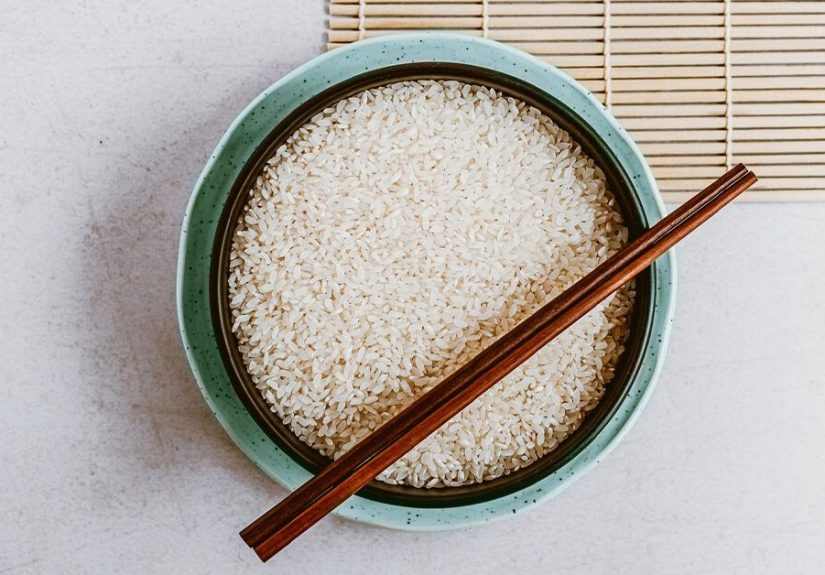
Strictly speaking, no. Rice is not considered Paleo-friendly because it is a cereal grain. If you are following a classic Paleo template, rice is off the menu whether it is white rice, brown rice, jasmine rice, basmati rice, or that fancy wild blend in the expensive bag that makes you feel unusually responsible.
However, in real life, many people follow a looser, “Paleo-inspired” approach rather than a rulebook carved into stone tablets. In those versions, rice sometimes sneaks back in, especially for people who are highly active, need more carbohydrates, or simply do better with a food that is easy to digest and culturally familiar.
The strict answer vs. the practical answer
The strict answer is simple: rice is not Paleo.
The practical answer is more nuanced: rice can still be part of a healthy diet even though it is not Paleo. If your goal is better energy, a more sustainable eating routine, or less food drama, rice may be perfectly reasonable for you. If your goal is to follow Paleo as written, then rice does not make the cut.
Why Rice Gets So Much Attention
Rice sits at the center of this debate because it is nutritionally interesting. It is mostly a carbohydrate food, low in fat, naturally gluten-free, and incredibly versatile. It can show up in sushi, burrito bowls, chicken soup, fried rice, rice pudding, and about 500 other dishes your family swears are “just a little something.”
It is also easy to digest for many people, which is one reason white rice often appears in simple meals when someone has an upset stomach or needs a low-fiber option. Brown rice, on the other hand, keeps its bran and germ, making it a whole grain with more fiber and a broader nutrient profile.
White rice vs. brown rice
White rice is milled to remove the bran and germ. That process makes it softer, quicker cooking, and lower in fiber. In the United States, many white rice products are enriched with certain B vitamins and iron, but enrichment does not fully recreate the structure and fiber of the original grain.
Brown rice keeps the bran and germ, so it is less refined and usually provides more fiber, magnesium, and other naturally occurring nutrients. It also tends to digest more slowly than white rice, which can make blood sugar rise less dramatically for some people.
In other words, if you are choosing between the two for general nutrition, brown rice often has the edge. But if you care about quick digestion, softer texture, or a food that pairs easily with lean protein and vegetables, white rice still has practical uses. Nutrition is not a courtroom drama where one side gets sentenced forever.
Does Rice Have Health Benefits?
Yes. Rice is not a “junk food” by default, and treating it like one misses the plot. Different forms of rice can offer different benefits.
Potential benefits of rice
- Reliable energy: Rice is a carbohydrate-rich food, which means it can provide quick or steady energy depending on the type and the meal around it.
- Gluten-free: Plain rice is naturally gluten-free, which makes it useful for people with celiac disease or gluten intolerance.
- Versatile and affordable: Rice is budget-friendly, easy to store, and works in many cuisines.
- Whole-grain option: Brown rice counts as a whole grain and can help boost fiber intake.
- Easy to pair with nutrient-dense foods: Rice often acts like a neutral sidekick, making vegetables, beans, fish, eggs, and lean meats easier to build into a meal.
What about blood sugar?
This is where type and portion matter. White rice generally has a higher glycemic impact than brown rice because it is more refined and lower in fiber. That does not automatically make white rice “bad,” but it does mean pairing it with protein, healthy fats, and vegetables is a smart move if you want a more balanced meal.
A bowl of white rice eaten alone may hit differently than white rice served with salmon, sautéed greens, avocado, and edamame. One is a fast carb bomb. The other is dinner with better manners.
If Rice Is Not Paleo, Why Do Some Paleo Followers Eat It Anyway?
Because humans are gloriously inconsistent, and also because nutrition is personal.
Some people follow what is sometimes called a “primal” or “Paleo-ish” plan. They keep the emphasis on whole foods, protein, vegetables, fruits, and fewer ultra-processed foods, but they make room for a few tolerated non-Paleo staples such as white rice or potatoes.
Common reasons people include rice in a Paleo-style diet
- They need more carbohydrates: Athletes, active people, and anyone with higher energy needs may find strict low-grain eating too limiting.
- They tolerate rice well: Some people digest rice better than beans, wheat, or high-fiber grain products.
- It makes the diet more sustainable: A plan you can follow consistently often works better than a perfect plan you hate by Thursday.
- Cultural and family meals matter: Rice is central to many traditional diets. Cutting it out may feel unnecessary or isolating.
That does not make rice Paleo. It just means real-world eaters sometimes choose flexibility over labels.
Are There Any Downsides to Eating Rice?
Rice is not a nutritional disaster, but there are a few points worth knowing.
1. It can crowd out other foods
If your plate is mostly rice with tiny cameo appearances from vegetables and protein, you may miss out on fiber, healthy fats, and a wider variety of nutrients. Rice works best as part of a meal, not as the entire personality of the meal.
2. White rice is more refined
White rice loses the bran and germ during processing, so it generally contains less fiber than brown rice. For people trying to eat more whole grains, white rice is not the strongest choice.
3. Rice can contain inorganic arsenic
This is the part nobody puts on the takeout menu. Rice can contain inorganic arsenic, a naturally occurring contaminant that has raised food safety concerns. Brown rice often contains more because the outer layers of the grain remain intact. That does not mean you need to fear every grain of rice like it owes you money, but it is one reason experts often recommend variety instead of making rice your one and only grain forever.
If you eat rice regularly, mix things up with other carbohydrates and whole grains if they fit your diet, such as oats, quinoa, barley, farro, or potatoes. If you are doing strict Paleo, rotate in sweet potatoes, squash, cassava, or plantains instead.
What to Eat Instead of Rice on Paleo
If you want to stay strictly Paleo and still need something to soak up sauce, tame a curry, or stop your stir-fry from feeling emotionally incomplete, you have options.
Best Paleo rice substitutes
- Cauliflower rice: The reigning champion of “surprisingly useful vegetable transformations.”
- Broccoli rice: A greener, slightly bolder option.
- Mashed sweet potatoes: Great with roasted meats, tacos, and grain-free bowls.
- Spaghetti squash: Not rice-shaped, but still excellent for saucy meals.
- Cabbage stir-fry bases: Crunchy, fast, and very weeknight-friendly.
- Cassava-based sides: Useful if you want more starch while staying grain-free.
How to make substitutes actually satisfying
The trick is not pretending cauliflower is rice in a deep philosophical sense. The trick is seasoning it well, adding enough fat or sauce, and pairing it with protein so the meal feels complete. Sad cauliflower rice is usually a cooking issue, not a vegetable conspiracy.
Can Rice Fit Into a Healthy Diet Even If It Is Not Paleo?
Absolutely. A healthy diet does not have to be Paleo, and Paleo is not the only road to eating well. Many evidence-based eating patterns include whole grains, beans, dairy, and other foods that strict Paleo removes. In fact, for many people, flexible, balanced eating is easier to maintain and may support long-term health better than highly restrictive rules.
Rice can fit into a healthy pattern when it is part of a balanced meal and when overall food quality is strong. Think bowls with grilled chicken, roasted vegetables, and brown rice. Think salmon with rice and cucumber salad. Think rice added to a vegetable soup instead of a plate that looks like a starch convention.
Who might want a more flexible approach?
A more flexible approach may make sense for people who are very active, growing teens, those with cultural eating traditions built around rice, or anyone who finds strict elimination diets stressful or hard to maintain. Restrictive diets are not automatically healthier, and for teens in particular, overly rigid eating can make nutrition harder instead of better.
Bottom Line: Is Rice Paleo-Friendly?
No, rice is not Paleo-friendly under traditional Paleo rules because it is a grain. That part is straightforward.
But the bigger truth is that rice is not automatically unhealthy just because Paleo excludes it. Brown rice can be a nutrient-rich whole grain, white rice can be useful in certain meals, and both can fit into a balanced eating pattern depending on your needs, preferences, and health goals.
If you are committed to strict Paleo, choose grain-free substitutes like cauliflower rice or sweet potatoes. If you are more interested in overall health than diet labels, rice may still deserve a spot on your plate. The smartest choice is the one that supports your nutrition, your lifestyle, and your sanity. Because dinner should not feel like a pop quiz every night.
Experiences People Commonly Have With Rice and Paleo
When people first cut rice out for Paleo, the initial experience is often surprisingly emotional. That may sound dramatic for a grain, but rice is not just food for many households. It is comfort, routine, family tradition, and the quiet hero that makes leftovers feel like a meal instead of a science experiment. So when someone removes rice, they often notice more than a menu change. They notice a shift in how meals feel.
One common experience is that meals suddenly seem smaller, even when the calories are similar. A chicken-and-vegetable plate without rice can feel lighter, and some people love that. They report less sluggishness after big meals and say Paleo helps them rely more on vegetables and protein. Others have the opposite reaction. They feel like something is missing, stay hungry longer, or find themselves prowling the kitchen an hour later looking for a “healthy snack” that somehow becomes three handfuls of nuts and half a jar of almond butter.
Another thing people often notice is the convenience gap. Rice is cheap, familiar, and easy to batch cook. Grain-free alternatives can work well, but they usually require more prep. Cauliflower rice is handy, but it does not behave quite like regular rice. It can get watery, overcook quickly, and occasionally tastes like you are trying very hard to be a better person. People who stick with it usually learn the trick: cook it hot and fast, season it generously, and stop expecting it to be a clone of jasmine rice.
Many people also report that white rice is one of the easiest starches for them to digest. That is why some flexible Paleo followers bring it back after a period of strict eating. They may tolerate white rice better than large amounts of cruciferous vegetables, heavy bean dishes, or very high-fiber grain products. Athletes and active people often say adding rice makes workouts feel better and helps them maintain energy without feeling stuffed.
There is also a social side to the experience. Rice appears at restaurants, family gatherings, takeout spots, holiday meals, and quick weekday dinners. People trying strict Paleo often say the hardest part is not nutrition science. It is figuring out what to do when everyone else is passing the rice bowl. Some become very organized meal planners. Others become the person who scrapes the stir-fry off the rice and tells themselves this is fine. Sometimes it is fine. Sometimes it is annoying.
Over time, the most successful experience usually comes from clarity. People do better when they know why they are avoiding rice. If the goal is strict Paleo, then the choice is simple. If the goal is better health, better digestion, or less processed food, some eventually decide rice can stay because it helps them eat in a more balanced and sustainable way. That is the real lesson many people learn: what works on paper is not always what works at the table.