Table of Contents >> Show >> Hide
- Can You Use Regular Nail Polish and UV Gel Polish Together?
- What You Need Before You Start
- Method 1: Regular Nail Polish Under a UV Gel Top Coat
- Method 2: Regular Nail Polish Art Over a Cured UV Gel Manicure
- Which Method Is Better?
- Common Mistakes to Avoid
- Safety Tips for Using UV Gel Nail Polish
- How Long Will a Mixed Regular and Gel Manicure Last?
- Removal Tips
- Best Design Ideas for Mixing Regular and UV Gel Polish
- Extra Experience: Real-Life Tips for Using Regular & UV Gel Nail Polish Together
- Conclusion
Mixing regular nail polish with UV gel nail polish sounds a little like inviting two divas to the same dressing room. One dries slowly in the air. The other needs a UV or LED lamp to cure. One removes with regular nail polish remover. The other usually requires a soak-off process. But with the right order, enough drying time, and a little patience, they can absolutely work together.
The key is understanding what each product does. Regular nail polish, also called lacquer or enamel, forms a film as solvents evaporate. UV gel polish hardens through curing under a compatible lamp. That means you cannot simply layer wet regular polish under gel and hope the lamp magically fixes everything. Spoiler: it will not. The trapped regular polish can wrinkle, bubble, slide, or peel like a sticker that gave up on life.
This guide explains two practical ways to use regular and UV gel nail polish together: regular polish under a gel top coat, and regular polish nail art over a cured gel manicure. You will also learn what not to do, how long to wait, how to prevent peeling, and how to protect your natural nails while getting that glossy salon-style finish at home.
Can You Use Regular Nail Polish and UV Gel Polish Together?
Yes, you can use regular nail polish and UV gel nail polish together, but the success of the manicure depends on the layering method. Regular polish must be completely dry before gel is applied over it. UV gel polish must be cured properly before regular polish is added on top. If either product is rushed, the manicure may smudge, lift, wrinkle, or chip early.
Think of it like making a sandwich. If the bread is soggy, the whole thing collapses. In nail terms, the “soggy bread” is regular polish that feels dry on the surface but is still soft underneath. A gel top coat can seal in that softness, causing dents or bubbles later.
The best results come from thin layers, clean nail prep, capping the free edge, and using products for their intended purpose. A gel base coat is not the same as a regular base coat. A gel top coat is not the same as a regular top coat. They may look similar in the bottle, but they are designed to behave differently on the nail.
What You Need Before You Start
Before combining regular and UV gel nail polish, gather your tools. Having everything ready keeps the process smooth and prevents the classic “I painted one hand and now I cannot open anything” problem.
Basic Supplies
- Nail file and buffer
- Cuticle pusher
- Lint-free wipes
- Rubbing alcohol or nail cleanser
- Regular nail polish
- UV or LED gel base coat, if using a full gel base
- UV gel top coat
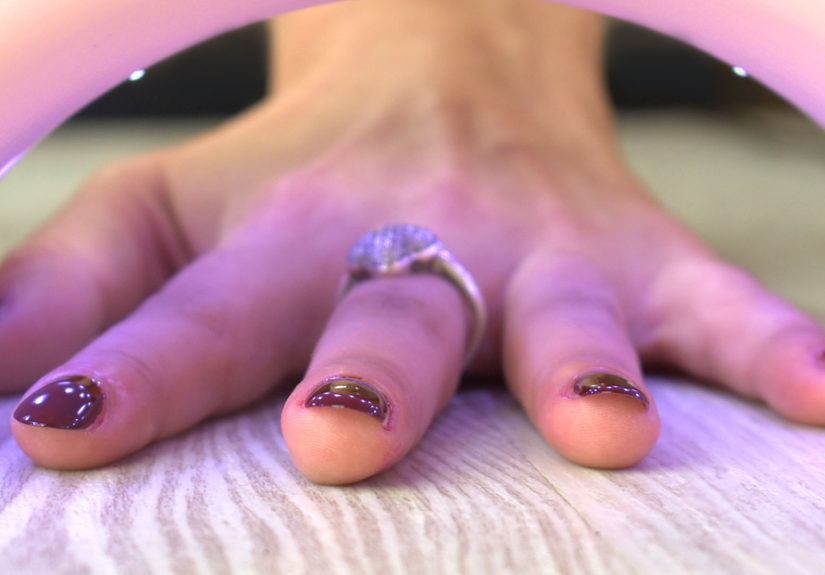
- Compatible UV or LED nail lamp
- Cuticle oil
- Sunscreen or UV-protective gloves for gel curing sessions
Use a lamp that matches your gel product. Some gels cure in LED lamps, some in UV lamps, and some in both. Follow the curing time recommended by the gel brand. Under-curing can cause dullness, lifting, or product sensitivity, while over-layering thick gel can stop light from curing the product evenly.
Method 1: Regular Nail Polish Under a UV Gel Top Coat
This is the most popular way to combine regular and gel polish. You paint your nails with regular lacquer, let it dry completely, then seal it with a UV gel top coat for extra shine and durability. It is a great option when you own a regular polish shade you love but want the glassy finish of gel.
Step 1: Prep the Natural Nail
Start with clean, dry nails. Remove old polish, gently shape the nails, and lightly smooth the surface if needed. Do not aggressively buff the nail plate. A gentle touch is enough. Push back the cuticles carefully, then wipe each nail with alcohol or nail cleanser to remove dust and oil.
Good prep is the difference between “Wow, did you go to a salon?” and “Why is my polish peeling off in one sheet?” Natural oils, lotion, and dust can prevent polish from sticking properly.
Step 2: Apply a Regular Base Coat
Apply a thin layer of regular base coat and let it dry. This helps protect the nail and gives regular polish something to grip. Avoid flooding the cuticle area. If polish touches the skin, clean it up before it dries.
Step 3: Apply Regular Nail Polish in Thin Coats
Apply one thin coat of regular nail polish. Let it dry for a few minutes, then apply a second thin coat if needed. Thin layers dry more evenly and last longer. Thick coats may look satisfying at first, but they are usually the villain in the story.
Cap the free edge by lightly swiping polish along the tip of the nail. This helps reduce tip wear and chipping.
Step 4: Let the Regular Polish Dry Completely
This is the most important step. Regular polish must be fully dry before you apply UV gel top coat. Surface-dry is not enough. Depending on the polish formula, number of coats, humidity, and thickness, this may take several hours. For best results, many DIY nail lovers wait overnight before adding gel top coat.
If you apply gel top coat too soon, the regular polish underneath can wrinkle, shrink, bubble, or stay soft. The nail may look fine immediately after curing, then betray you later when you reach into your bag and discover tiny dents. Rude, but preventable.
Step 5: Apply a Thin UV Gel Top Coat
Once the regular polish is fully dry, apply a thin layer of UV gel top coat. Keep it off the skin and cuticle area. Cap the free edge again. A thin, even layer cures better than a thick glossy blob.
Step 6: Cure Under the Lamp
Cure according to the gel top coat instructions. Many LED gel top coats cure faster than traditional UV systems, but curing time depends on the product and lamp. Do not guess if the brand provides directions.
Step 7: Wipe If Needed and Finish With Cuticle Oil
Some gel top coats leave a sticky inhibition layer after curing. If yours does, wipe it with a lint-free pad and nail cleanser. No-wipe gel top coats do not need this step. Finish with cuticle oil to restore moisture and make the manicure look polished, healthy, and ready for close-up photos you will pretend were casual.
Method 2: Regular Nail Polish Art Over a Cured UV Gel Manicure
The second method is perfect for nail art, accent details, seasonal designs, French tips, dots, stripes, or quick color changes. In this approach, you create a full cured gel manicure first, then add regular nail polish art on top. You can seal it with regular top coat or, if completely dry, a gel top coat.
Step 1: Apply the Gel Base Coat
After prepping the nail, apply a thin gel base coat. Cure it according to the product instructions. Keep the layer thin and avoid the skin. Gel that cures on the skin can cause lifting and may increase the chance of irritation.
Step 2: Apply UV Gel Color
Apply your UV gel color in thin coats, curing between each layer. Most gel manicures use two color coats for full coverage. Cap the free edge with each layer. Thin gel coats cure more evenly and are less likely to peel.
Step 3: Apply and Cure Gel Top Coat
Seal the gel color with a gel top coat and cure it. If the top coat has a sticky layer, cleanse it after curing. Now you have a finished gel manicure that can act as the background for regular polish designs.
Step 4: Add Regular Polish Nail Art
Use regular nail polish for designs such as tiny flowers, chrome-inspired dots, colorful French tips, or minimalist lines. This method is helpful because regular polish is easy to remove from the gel surface if you make a mistake. A small brush dipped in regular remover can clean up errors without destroying the cured gel underneath, as long as you work gently.
Step 5: Let the Regular Polish Art Dry
Let the design dry completely. Small details dry faster than full coats, but patience still matters. If you seal wet regular polish under gel top coat, the design may smear or wrinkle.
Step 6: Seal the Design
You have two options. For a simple temporary design, seal regular polish art with a regular top coat. For a longer-lasting finish, wait until the regular polish art is fully dry, then apply a thin gel top coat and cure it. The second option gives more shine and protection, but only works well when the regular polish is completely dry first.
Which Method Is Better?
If you want to use a favorite regular polish color as your main manicure shade, choose Method 1. It gives a gel-like shine while letting you enjoy regular lacquer shades already sitting in your drawer, judging you for not using them.
If you already have a gel manicure and want easy designs, choose Method 2. It is more forgiving for nail art because mistakes can be cleaned up before sealing. It also lets you change small designs without redoing the entire manicure.
Common Mistakes to Avoid
Applying Gel Over Wet Regular Polish
This is the number one mistake. UV light cures gel, not regular polish. Regular polish dries by evaporation. If it is trapped too early, it may never fully harden under the gel layer.
Using Thick Coats
Thick layers are tempting because they seem faster, but they create more problems. Thick regular polish dries slowly. Thick gel may not cure properly. Thin coats are less dramatic, but they win the durability contest.
Skipping Nail Prep
Oil and dust can ruin adhesion. Always clean the nail plate before polishing. Avoid applying lotion right before a manicure.
Putting Gel on the Skin
Gel polish should stay on the nail, not the surrounding skin. If gel touches the cuticle or sidewalls, clean it before curing. Once cured, it can lift at the edges and may irritate the skin.
Peeling Off Gel Polish
Peeling off gel can remove layers of the natural nail. It may feel satisfying for two seconds, then your nails pay the bill. Remove gel properly with the correct soak-off method or visit a professional.
Safety Tips for Using UV Gel Nail Polish
Gel manicures can be beautiful and long-lasting, but they are not maintenance-free magic. UV and LED curing lamps expose the hands to ultraviolet radiation, and repeated gel use may contribute to dryness, peeling, or brittle nails. To reduce exposure, consider applying broad-spectrum sunscreen to your hands before curing or wearing UV-protective manicure gloves with the fingertips exposed.
Give your nails breaks between gel manicures if they feel thin, sore, brittle, or sensitive. Moisturize your nails and cuticles daily. If you notice redness, swelling, burning, lifting, or pain around the nail, stop using the product and consider checking with a dermatologist or licensed nail professional.
How Long Will a Mixed Regular and Gel Manicure Last?
A regular polish manicure sealed with gel top coat may last longer than regular polish alone, but it usually will not last as long as a complete gel system. Expect results to vary based on nail prep, product compatibility, drying time, nail length, and daily habits.
If your hands spend the day typing, cleaning, opening cans, gardening, and heroically searching for lost keys at the bottom of a tote bag, your manicure will work harder. Wear gloves when cleaning or washing dishes, avoid using nails as tools, and apply cuticle oil regularly.
Removal Tips
Removal depends on the layers you used. If you used regular polish with a regular top coat, standard nail polish remover may be enough. If you sealed the manicure with UV gel top coat, you will need to remove it like gel. That usually means gently filing the shiny surface, soaking with acetone using foil wraps or nail clips, and allowing the product to soften before removal.
Do not scrape aggressively. If the gel is not ready to come off, soak a little longer. Your natural nails are not a kitchen counter, so do not attack them with force.
Best Design Ideas for Mixing Regular and UV Gel Polish
Classic Gel Shine Over Regular Red Polish
Apply your favorite regular red polish, let it dry overnight, then seal it with a gel top coat. The result is timeless, glossy, and dramatic in the best way.
Gel Nude Base With Regular Polish French Tips
Create a cured nude gel base, then use regular white polish for French tips. If the smile line goes rogue, clean it up before sealing.
Regular Glitter Over Gel Color
Glitter regular polish works beautifully as an accent over cured gel color. Let the glitter dry completely before sealing. Glitter is basically confetti with commitment issues, so use thin layers.
Seasonal Nail Art
Use regular polish to paint hearts, stars, flowers, pumpkins, snowflakes, or tiny dots over a cured gel manicure. This lets you update your nails for holidays without removing the whole set.
Extra Experience: Real-Life Tips for Using Regular & UV Gel Nail Polish Together
After experimenting with regular polish and UV gel polish together, the biggest lesson is simple: drying time is everything. The manicure may look dry after 20 minutes, but regular polish can stay soft underneath for much longer. When I want the cleanest result, I paint the regular polish in the evening, let it dry overnight, and add the gel top coat the next day. It feels slow, but it saves the manicure from bubbles, sheet marks, and mysterious dents that appear out of nowhere.
Another useful habit is testing combinations before using them on all ten nails. Not every regular polish behaves the same under gel top coat. Some formulas shrink. Some wrinkle. Some look perfect. I like to test one nail or a plastic nail swatch first. It takes a few extra minutes, but it prevents the emotional journey of ruining a full manicure while pretending to be calm.
Thin coats also make a huge difference. With regular polish, two thin coats are better than one thick coat. With gel, thin coats are even more important because the lamp needs to cure the layer properly. If gel is applied too thickly, the outside may harden while the inside remains under-cured. That can lead to peeling and poor wear.
For nail art, I prefer using regular polish over a finished gel manicure. It is less stressful. If a stripe turns into a noodle or a dot becomes a blob, I can wipe it away and try again. A cured gel base gives you a smooth surface and a safety net. This method is especially helpful for beginners who want cute designs without the pressure of gel art curing immediately.
I have also learned not to mix random base coats and top coats without thinking. A regular base coat belongs with regular polish. A gel base coat belongs with gel polish. A gel top coat can seal fully dry regular polish, but it is not a magic repair layer for polish that is still wet. Products work best when used close to their intended system.
One small trick that helps wear time is capping the free edge. Swipe the brush lightly along the tip of the nail with each polish layer. This seals the edge and reduces chips, especially if you type a lot or use your hands all day. Keep the cap thin, though. Too much product at the tip can create bulky edges that lift.
Cuticle oil is another underrated hero. After gel curing and after cleanup, apply cuticle oil around the nail. It makes the manicure look fresher and helps reduce dryness. A glossy manicure with dry cuticles is like wearing a fancy dress with muddy sneakers. Technically allowed, but not the full effect.
Finally, I recommend giving your nails a break when they ask for it. If they feel weak, bendy, sore, or flaky, pause the gel experiments and focus on gentle care. Beautiful nails should not come at the cost of uncomfortable nails. The best manicure is one that looks good, lasts well, and leaves your natural nails ready for the next color adventure.
Conclusion
Using regular and UV gel nail polish together is possible when you respect the difference between air-drying polish and lamp-cured gel. The two best methods are sealing fully dry regular polish with a UV gel top coat, or adding regular polish nail art over a cured gel manicure. Both can create glossy, creative, long-lasting looks when done with thin layers, clean prep, proper curing, and patience.
The golden rule is simple: never trap wet regular polish under gel. Let regular polish dry completely, keep gel off the skin, cure according to product directions, and remove your manicure gently. Do that, and your nails can enjoy the best of both worlds: regular polish color variety and gel-level shine.