Table of Contents >> Show >> Hide
- What Is a Temple Headache?
- Common Causes of Pain in the Temples
- How to Relieve a Temple Headache Fast
- Step 1: Pause and Check Your Symptoms
- Step 2: Drink Water and Eat Something Balanced
- Step 3: Use Heat or Cold
- Step 4: Massage the Temples Gently
- Step 5: Release Jaw Tension
- Step 6: Stretch Your Neck and Shoulders
- Step 7: Take a Screen Break
- Step 8: Rest in a Quiet, Dark Room
- Step 9: Consider Over-the-Counter Pain Relief
- Step 10: Use Caffeine Carefully
- When to Get Medical Help for a Temple Headache
- How to Prevent Temple Headaches
- Best Home Remedies for Temple Headache Relief
- Common Mistakes That Can Make Temple Headaches Worse
- Experience-Based Tips: What Temple Headaches Feel Like in Real Life
- Conclusion
A temple headache has a special talent for ruining ordinary moments. One minute you are answering emails, folding laundry, driving, or pretending to understand a spreadsheet; the next, both sides of your head feel like they are being gently squeezed by an overenthusiastic crab. Pain in the temples can feel dull, tight, throbbing, sharp, or heavy. Sometimes it sits on one side. Sometimes it wraps around your forehead like an invisible headband with poor manners.
The good news: many temple headaches are linked to common, manageable triggers such as muscle tension, stress, dehydration, screen strain, poor sleep, caffeine changes, jaw clenching, or migraine. The even better news: you do not always need a complicated plan to feel better. Often, the best temple headache relief starts with simple steps: water, rest, a hot or cold compress, gentle massage, posture correction, and smart use of over-the-counter medicine when appropriate.
That said, a headache near the temples is not a diagnosis by itself. It is a location. The cause matters. A tension headache, migraine, temporomandibular joint disorder, sinus pressure, eyestrain, or a more serious condition can all show up around the temples. So, let’s walk through how to relieve a temple headache safely, when to call a healthcare professional, and how to stop your temples from staging a tiny drum solo every afternoon.
What Is a Temple Headache?
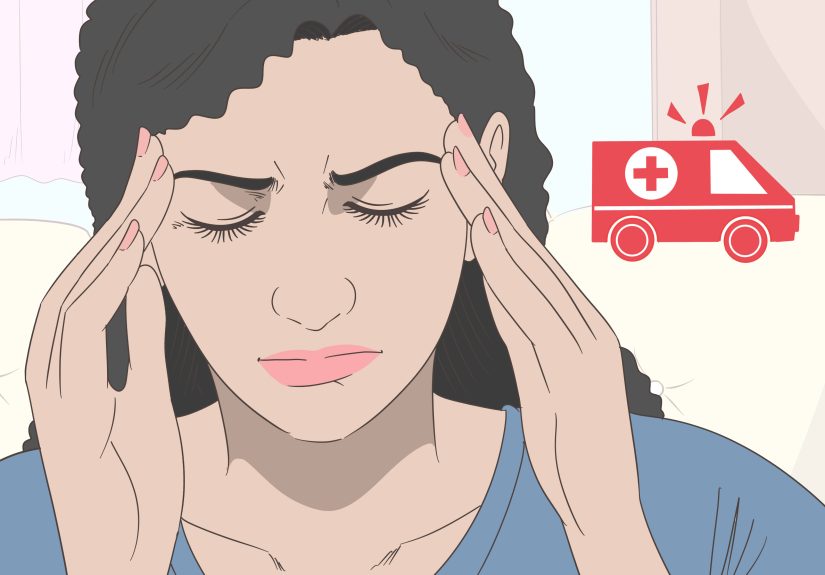
A temple headache is pain, pressure, or discomfort felt on one or both sides of the head near the temples. The temples sit between the forehead and ears, around the area where many people instinctively press their fingers when a headache appears. Temple pain may come with scalp tenderness, neck tightness, jaw soreness, nausea, light sensitivity, or a feeling of pressure behind the eyes.
Some people describe temple pain as a tight band around the head. Others feel a pulsing ache on one side. Some notice it after staring at a computer all day. Others wake up with it after clenching their jaw at night. The way the pain feels can offer clues, but it is not always obvious. That is why it helps to look at patterns: when it starts, what makes it worse, what helps, and whether any warning signs are present.
Common Causes of Pain in the Temples
1. Tension Headache
Tension headaches are among the most common reasons for pain in the temples. They often feel like pressure, tightness, or a dull ache on both sides of the head. Neck, scalp, and shoulder muscles may feel tight or tender. Stress, poor posture, long screen sessions, lack of sleep, and jaw tension can all contribute.
2. Migraine
Migraine can cause throbbing temple pain, often on one side. It may come with nausea, sensitivity to light or sound, visual changes, dizziness, or fatigue. Migraine is not “just a bad headache.” It is a neurological condition, and the earlier you treat an attack, the better your chances of reducing its intensity.
3. Jaw Clenching or TMJ Problems
The jaw joint sits close to the temples. If you grind your teeth, clench your jaw, chew gum constantly, or have temporomandibular disorder, temple pain can tag along. You may also notice clicking, popping, jaw stiffness, ear discomfort, or soreness when chewing.
4. Eyestrain and Screen Fatigue
Temple headaches can appear after hours of reading, scrolling, gaming, driving, or working under harsh lighting. Squinting and poor screen posture can tighten facial, neck, and scalp muscles. Your eyes may not be “causing” the headache alone, but they may be part of the pressure parade.
5. Dehydration, Missed Meals, or Caffeine Changes
Skipping water, delaying lunch, suddenly cutting caffeine, or drinking more alcohol than usual can trigger temple pain. Your brain and blood vessels enjoy consistency. When your hydration, blood sugar, sleep, or caffeine routine changes quickly, your head may file a complaint.
6. Sinus or Allergy Pressure
Sinus-related pain is often felt around the forehead, cheeks, nose, or behind the eyes, but some people feel pressure near the temples. Congestion, thick nasal drainage, facial pressure, reduced smell, fever, or symptoms that worsen when bending forward may point toward sinus involvement.
7. Temporal Arteritis
Temporal arteritis, also called giant cell arteritis, is uncommon but important. It usually affects adults over age 50 and can cause new temple pain, scalp tenderness, jaw pain while chewing, vision changes, fatigue, fever, or unexplained weight loss. This condition needs urgent medical evaluation because it can threaten vision.
How to Relieve a Temple Headache Fast
Step 1: Pause and Check Your Symptoms
Before reaching for a remedy, take 30 seconds to assess the headache. Is it mild, familiar, and similar to headaches you have had before? Or is it sudden, severe, unusual, or paired with alarming symptoms? A familiar tension-style temple headache can often be managed at home. A thunderclap headache, confusion, weakness, fainting, fever with stiff neck, vision loss, or headache after a head injury needs urgent care.
Step 2: Drink Water and Eat Something Balanced
If you have been running on coffee, optimism, and one lonely cracker, start with water and food. Drink a glass of water slowly. If you have not eaten, choose a balanced snack or meal with protein, fiber, and healthy carbohydrates. Good options include yogurt with fruit, peanut butter on whole-grain toast, eggs, soup, oatmeal, or a turkey sandwich. Your temples may not send a thank-you card, but they may calm down.
Step 3: Use Heat or Cold
Heat and cold can both help, depending on the type of headache. For tight neck, shoulder, or jaw muscles, try a warm compress, warm shower, heating pad on low, or warm towel around the neck. For throbbing temple pain or migraine-like symptoms, a cold pack wrapped in a cloth may feel better on the temples, forehead, or back of the neck.
Use either heat or cold for about 15 to 20 minutes. Do not place ice directly on your skin, unless your goal is to replace one problem with another problem. A thin towel barrier is your friend.
Step 4: Massage the Temples Gently
Gentle massage can help ease muscle tension around the temples, scalp, jaw, neck, and shoulders. Use your fingertips to make small circles at the temples. Keep the pressure light to moderate. Then move along the hairline, behind the ears, and down the sides of the neck. If an area feels painfully tender, back off. Massage should feel relieving, not like you are trying to knead bread dough out of your skull.
Step 5: Release Jaw Tension
Jaw clenching is a sneaky cause of temple pain. Try this: let your lips close gently, keep your teeth apart, and rest your tongue on the roof of your mouth behind your front teeth. Breathe through your nose if possible. Then slowly open and close your jaw a few times without forcing it.
You can also place a warm compress along the jaw muscles for 10 to 15 minutes. Avoid chewing gum during a temple headache, and choose softer foods if chewing makes the pain worse. If jaw pain, clicking, or morning headaches are common, ask a dentist or healthcare professional about teeth grinding or TMJ-related issues.
Step 6: Stretch Your Neck and Shoulders
Tight neck and shoulder muscles often feed temple headaches. Try slow, gentle stretches. Tilt your right ear toward your right shoulder and hold for 15 to 30 seconds. Repeat on the left side. Roll your shoulders backward several times. Gently tuck your chin as if making a double chin, hold for a few seconds, and release. It may not look glamorous, but neither does holding your temples and whispering, “Why today?”
Avoid aggressive neck cracking or sudden movements. The goal is to relax the muscles, not audition for a chiropractic stunt show.
Step 7: Take a Screen Break
If your temple headache started after screen time, reduce brightness, increase font size, and look away from the screen. Try the 20-20-20 rule: every 20 minutes, look at something about 20 feet away for 20 seconds. Also check your posture. Your ears should sit roughly over your shoulders, not three counties in front of them.
For longer-term relief, raise your monitor to eye level, use supportive seating, relax your shoulders, and avoid holding your phone between your ear and shoulder. Your neck is not a phone stand, even if it has been trying its best.
Step 8: Rest in a Quiet, Dark Room
If your temple headache feels like migraine, resting in a dark, quiet space may help. Turn off bright lights, silence unnecessary notifications, and reduce strong smells if they bother you. Some people find that sleep shortens a migraine attack, especially when they treat it early.
Step 9: Consider Over-the-Counter Pain Relief
Over-the-counter pain relievers such as acetaminophen, ibuprofen, naproxen, or aspirin may help occasional temple headaches. Follow the label directions, avoid combining medicines carelessly, and check with a healthcare professional if you have liver disease, kidney disease, stomach ulcers, bleeding risks, are pregnant, take blood thinners, or have other medical conditions.
Do not use pain relievers too often. Frequent use can lead to medication-overuse headaches, sometimes called rebound headaches. As a practical rule, if you need headache medicine more than two or three days per week, it is time to talk with a healthcare professional about prevention and diagnosis.
Step 10: Use Caffeine Carefully
A small amount of caffeine may help some headaches, especially if you regularly drink coffee and missed your usual cup. But caffeine can also trigger headaches or make them worse when used too much. Keep it consistent and modest. A coffee is not a personality, and your temples may eventually demand boundaries.
When to Get Medical Help for a Temple Headache
Most temple headaches are not emergencies, but some symptoms deserve quick attention. Seek urgent medical care if your headache is sudden and severe, feels like the worst headache of your life, follows a head injury, or comes with weakness, numbness, confusion, fainting, seizure, fever, stiff neck, vision loss, severe eye pain, or trouble speaking.
Contact a healthcare professional soon if your headaches are new after age 50, becoming more frequent, changing in pattern, waking you from sleep, lasting for days, interfering with daily life, or requiring frequent pain medicine. Also get checked if temple pain comes with scalp tenderness, jaw pain while chewing, unexplained fever, fatigue, or vision changes, especially if you are over 50.
How to Prevent Temple Headaches
Improve Sleep Consistency
Irregular sleep is a common headache trigger. Try to go to bed and wake up at similar times each day. Keep your room cool, dark, and quiet. Avoid doom-scrolling under the covers, because your brain does not interpret “one more video” as a bedtime ritual.
Manage Stress Before It Becomes a Headache
Stress management does not mean becoming a perfectly calm mountain monk who never loses a sock. It means building small recovery habits into your day. Deep breathing, meditation, yoga, light walking, journaling, prayer, music, therapy, or simply stepping outside for fresh air can help lower muscle tension and headache frequency.
Move Your Body Regularly
Regular exercise may reduce headache frequency and improve sleep, stress, posture, and overall health. Start gently if you are not active. Walking, swimming, cycling, stretching, or light strength training can all help. If exercise triggers severe headaches, stop and speak with a healthcare professional.
Check Your Workstation
A poorly arranged desk can turn your neck into a tension factory. Keep your screen at eye level, elbows supported, feet flat, and shoulders relaxed. Take short movement breaks. Stand up, stretch, and change positions before your temples begin sending smoke signals.
Track Your Triggers
A headache diary can reveal patterns. Write down when the temple headache started, what it felt like, what you ate, how you slept, your stress level, weather changes, menstrual cycle timing if relevant, screen time, caffeine intake, and what helped. After a few weeks, you may see useful clues.
Protect Your Jaw
If you wake with temple pain, jaw soreness, or sensitive teeth, you may be clenching or grinding at night. Avoid gum chewing, practice jaw relaxation, and ask your dentist whether a night guard or TMJ evaluation makes sense. Jaw muscles are small, but when angry, they have the drama level of a reality TV reunion.
Best Home Remedies for Temple Headache Relief
The best remedy depends on the cause, but a simple home routine can help many mild temple headaches. Start with water. Eat if you skipped a meal. Sit or lie down in a calm place. Apply heat to tight neck or jaw muscles, or cold to throbbing temple pain. Massage gently. Stretch your neck and shoulders. Reduce screen brightness. Take an appropriate over-the-counter medicine if needed and safe for you.
If headaches repeat often, prevention matters more than heroic rescue missions. Regular sleep, hydration, balanced meals, stress breaks, ergonomic posture, movement, and trigger tracking may reduce how often your temples object to your lifestyle choices.
Common Mistakes That Can Make Temple Headaches Worse
One common mistake is ignoring early symptoms. Many headaches are easier to treat when they first begin. Waiting until the pain has built a small apartment in your skull makes relief harder. Another mistake is using pain medicine too frequently, which can create rebound headaches.
People also worsen temple pain by skipping meals, drinking too little water, clenching their jaw, pushing through screen strain, or sleeping at unpredictable times. And while caffeine can help some headaches, swinging from zero caffeine to three giant coffees and back again can confuse your nervous system. Consistency is usually kinder.
Experience-Based Tips: What Temple Headaches Feel Like in Real Life
Temple headaches often show up in ordinary situations, which is why they can be so frustrating. Consider the desk worker who starts the morning feeling fine, then notices pressure near both temples by 2 p.m. After several hours of leaning toward a laptop, squinting at small text, and forgetting water exists, the headache arrives. In this case, the most helpful fix may be surprisingly unexciting: drink water, eat a real lunch, lift the screen, relax the shoulders, stretch the neck, and take a five-minute eye break. It is not glamorous, but neither is arguing with a spreadsheet while your head throbs.
Another common experience is the “stress helmet” headache. This one may build slowly during a tense day. The temples feel tight, the forehead feels heavy, and the jaw may be clenched without the person realizing it. A warm compress on the neck, slow breathing, gentle temple massage, and a short walk can make a noticeable difference. The key is catching the tension before it becomes a full marching band.
Then there is the migraine-style temple headache. It may start on one side, pulse with movement, and come with light sensitivity or nausea. The person may feel annoyed by sounds that were perfectly acceptable yesterday, such as a barking dog, a microwave beep, or someone chewing with suspicious enthusiasm. For this type, a dark room, cold compress, hydration, early medication when appropriate, and reducing sensory input can help. If migraines are frequent or disabling, professional treatment can be life-changing.
Some people notice temple pain after waking up. They may assume they “slept wrong,” which is possible, but jaw clenching is another suspect. Morning temple headaches, sore jaw muscles, tooth sensitivity, or clicking near the ears can point toward nighttime grinding. In that situation, a dentist may help identify whether a mouth guard, bite evaluation, or jaw-care plan is needed.
Parents and caregivers often experience temple headaches from a perfect storm of missed meals, poor sleep, noise, stress, and carrying emotional responsibility like an invisible backpack full of bricks. The solution is not always a spa day, although nobody is rejecting one. Sometimes relief starts with a snack, water, ten quiet minutes, shoulder stretches, and asking for help before the headache becomes the boss of the evening.
Travelers may get temple headaches from dehydration, disrupted sleep, altitude changes, caffeine changes, tight neck posture, and long hours in cars or airplanes. Packing a water bottle, snacks, sunglasses, earplugs, and a small cold pack can prevent a trip from turning into a temple-pressure documentary.
The biggest lesson from everyday experience is this: temple headache relief works best when it matches the trigger. Tension wants relaxation and muscle release. Migraine wants early treatment and quiet. Dehydration wants fluids. Jaw clenching wants awareness and dental support. Screen strain wants breaks and better ergonomics. Your headache is giving clues; the trick is to listen before it starts yelling.
Conclusion
A temple headache can be irritating, distracting, and occasionally dramatic, but many cases improve with simple, thoughtful care. Start with the basics: hydrate, eat, rest, adjust your posture, use heat or cold, massage gently, relax your jaw, and consider over-the-counter medicine only when appropriate. Pay attention to your headache pattern, because repeated temple pain often has a story behind it.
At the same time, do not ignore warning signs. A sudden severe headache, neurological symptoms, fever with stiff neck, vision changes, head injury, or a new temple headache after age 50 deserves medical attention. Relief is important, but safety gets the front-row seat.
Note: This article is for general educational purposes and should not replace medical advice. If your headache is severe, unusual, frequent, or concerning, contact a qualified healthcare professional.